IRF4 Mediates Immune Evasion to Facilitate EBV Transformation
Ling Wang, Culton R. Hensley, Jahan Rifat, Adam D. Walker, Katharine Ning, Jonathan P. Moorman, Zhi Q. Yao, Shunbin Ning

TL;DR
This study shows that IRF4 helps EBV-infected cells evade the immune system by increasing PD1/PD-L1, and functional CD4+ T cells are crucial for controlling EBV infection.
Contribution
The study reveals IRF4's role in immune evasion during EBV transformation by regulating PD1/PD-L1 expression.
Findings
IRF4 transcriptionally regulates PD1 and PD-L1 to suppress T cell functions during EBV infection.
Depleting IRF4 in EBV+ cells reduces PD1/PD-L1 and partially restores CD4+ T cell activity.
CD4+ T cell depletion increases EBV transformation efficiency, especially in HIV patients.
Abstract
The lymphocyte-specific transcription factor interferon regulatory factor 4 (IRF4) is a key player in immune evasion in cancers, with the complex mechanism(s) being barely understood. In this study, we have focused on the role of IRF4 in regulating T cell functions through its transcriptional regulation of programmed death 1 (PD1) and its ligand PD1 ligand 1 (PD-L1), which were identified as IRF4 transcriptional targets in multi-omics analysis. We have shown that IRF4 transcriptionally regulates both PD1 and PD-L1, promoting immune suppression in the context of Epstein–Barr virus (EBV) infection. Co-culturing EBV+ JiJoye lymphoma cells with CD4+ T cells or with peripheral blood mononuclear cells (PBMCs) downregulates CD4+ T cell functions, but the depletion of IRF4 in EBV+ JiJoye lymphoma cells reduces PD1 and PD-L1 expression, and partially restores CD4+ T cell functions. Moreover,…
Genes, proteins, chemicals, diseases, species, mutations and cell lines named across the full text — each resolved to its canonical identifier and authoritative record.
Click any figure to enlarge with its caption.
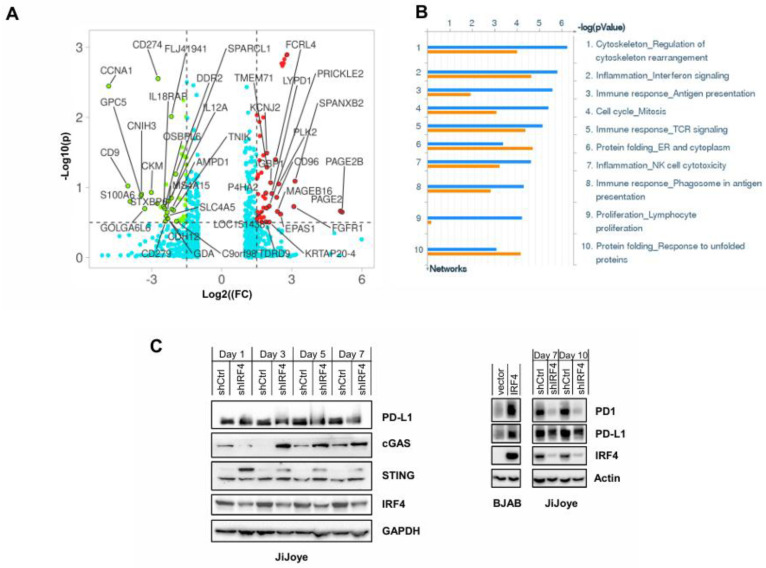 Figure 1
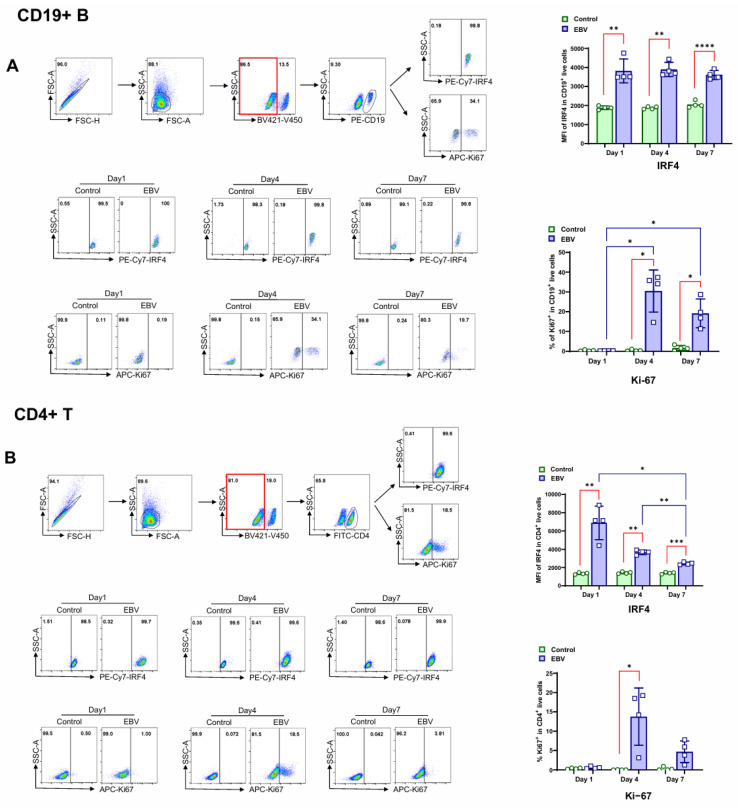 Figure 2
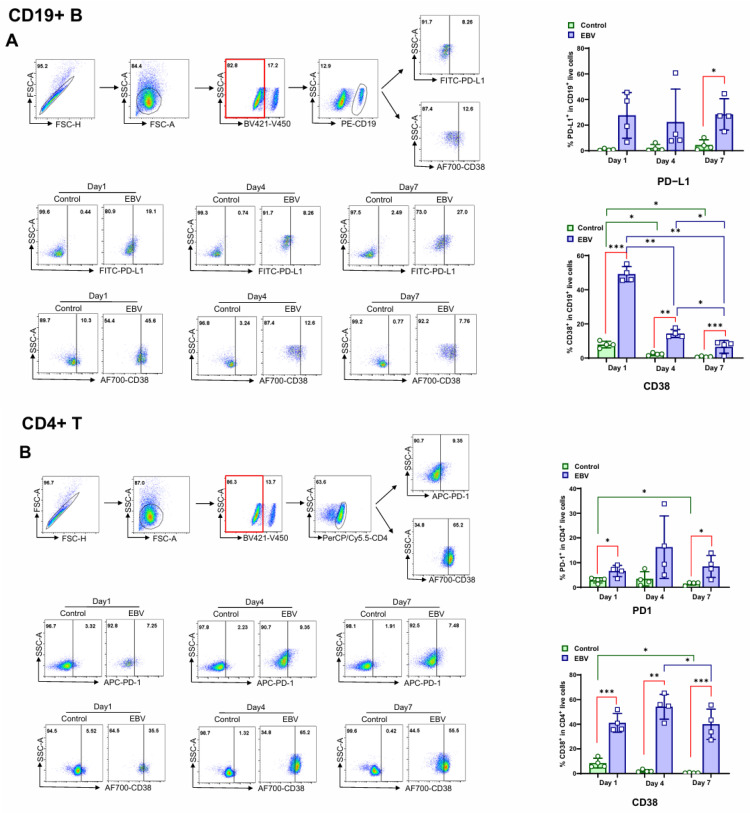 Figure 3
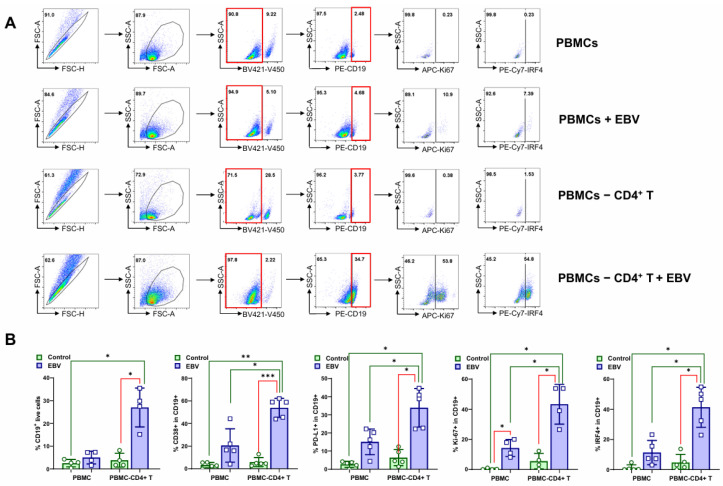 Figure 4
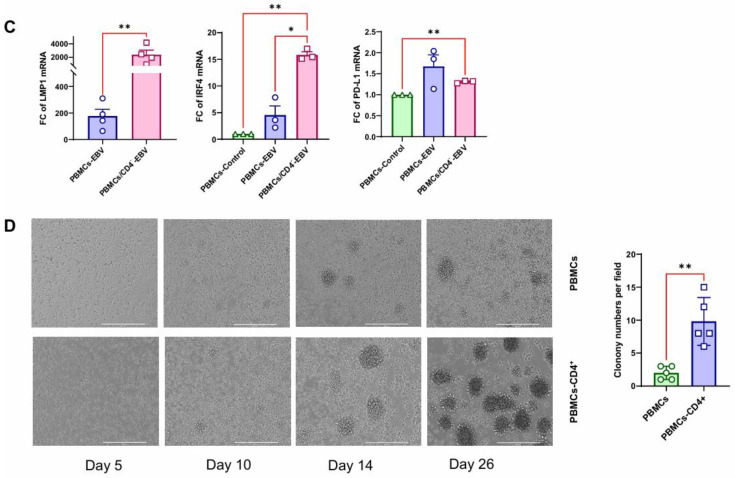 Figure 5
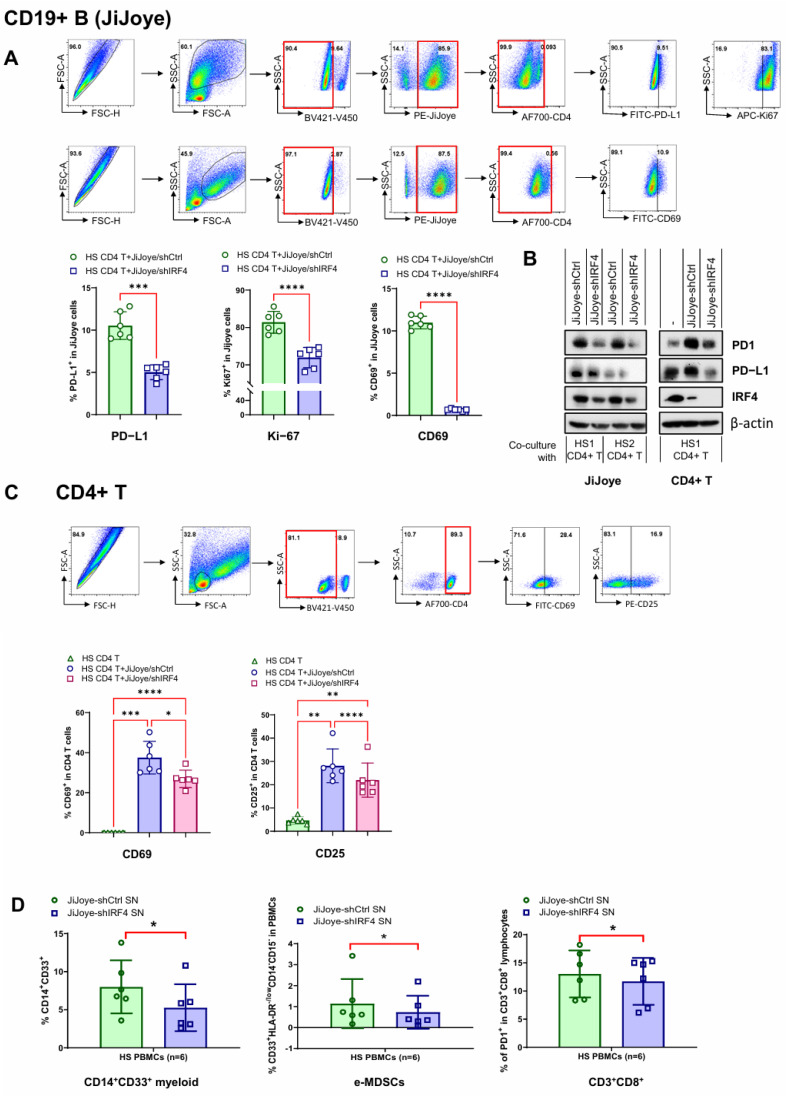 Figure 6
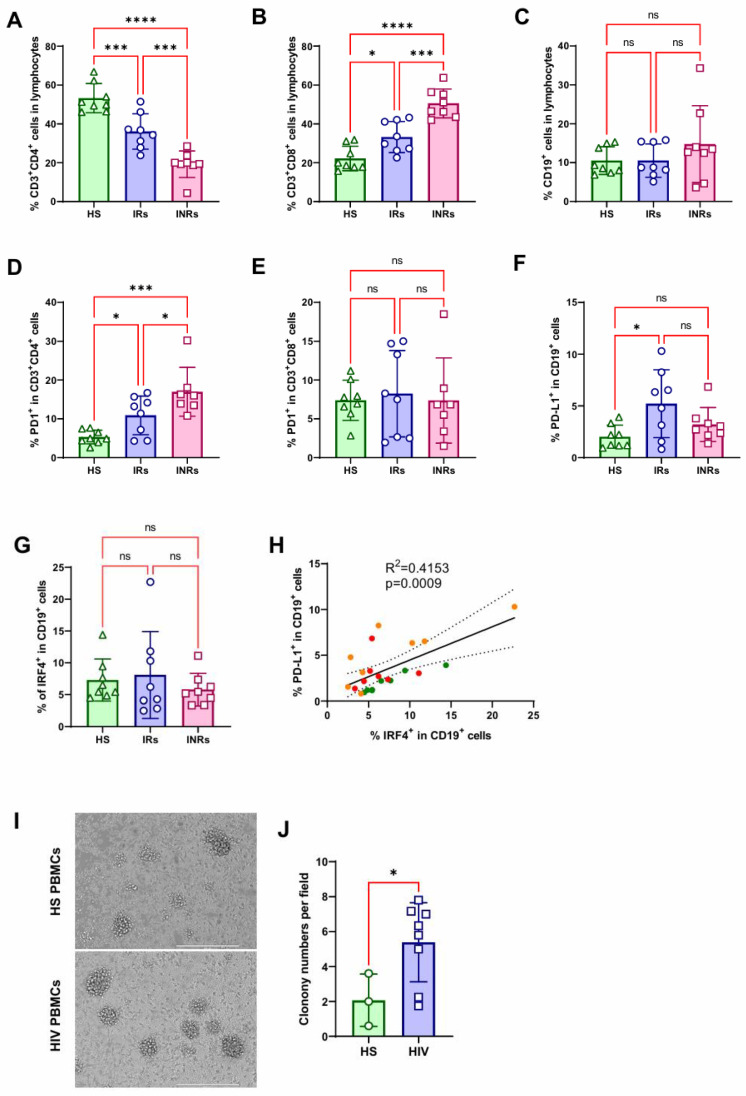 Figure 7
Peer Reviews
No public reviews on file for this paper yet. If you reviewed it on a platform where reviews are public (OpenReview, ICLR, NeurIPS, ICML), you can paste yours below so the community can read it here.
Videos
No videos yet. Explain this paper in a talk, walkthrough, or lecture? Add one.
Taxonomy
TopicsViral-associated cancers and disorders · Immune Cell Function and Interaction · Cytomegalovirus and herpesvirus research