Ablation of the Evolutionarily Acquired Functions of the Atp1b4 Gene Increases Metabolic Capacity and Reduces Obesity
Nikolai N. Modyanov, Lucia Russo, Sumona Ghosh Lester, Tamara R. Castañeda, Himangi G. Marathe, Larisa V. Fedorova, Raymond E. Bourey, Sonia M. Najjar, Ivana L. de la Serna

TL;DR
Disabling the Atp1b4 gene in mice leads to increased metabolism and reduced obesity, suggesting a new evolutionary pathway for metabolic regulation.
Contribution
The study reveals that Atp1b4 ablation in mice reduces obesity by enhancing metabolic capacity and fat oxidation.
Findings
Atp1b4−/Y mice have lower body weight and adiposity despite higher food intake.
Atp1b4−/Y mice show increased energy expenditure and fat metabolism.
Atp1b4 disruption improves glucose and insulin tolerance in mice.
Abstract
In placental mammals, the co-option of vertebrate orthologous ATP1B4 genes has profoundly altered the properties of the encoded BetaM proteins, which function as bona fide β-subunits of Na,K-ATPases in lower vertebrates. Eutherian BetaM acquired an extended Glu-rich N-terminal domain resulting in the complete loss of its ancestral function and became a skeletal and cardiac muscle-specific component of the inner nuclear membrane. BetaM is expressed at the highest level during perinatal development and is implicated in gene regulation. Here we report the long-term consequences of Atp1b4 ablation on metabolic parameters in adult mice. Male BetaM-deficient (Atp1b4−/Y) mice have remarkably lower body weight and adiposity than their wild-type littermates, despite higher food intake. Indirect calorimetry shows higher energy expenditure (heat production and oxygen consumption) with a greater…
Genes, proteins, chemicals, diseases, species, mutations and cell lines named across the full text — each resolved to its canonical identifier and authoritative record.
Click any figure to enlarge with its caption.
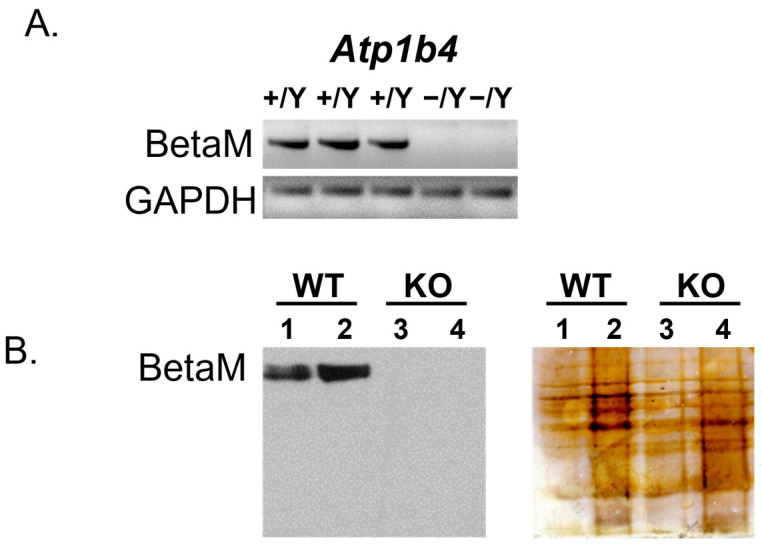 Figure 1
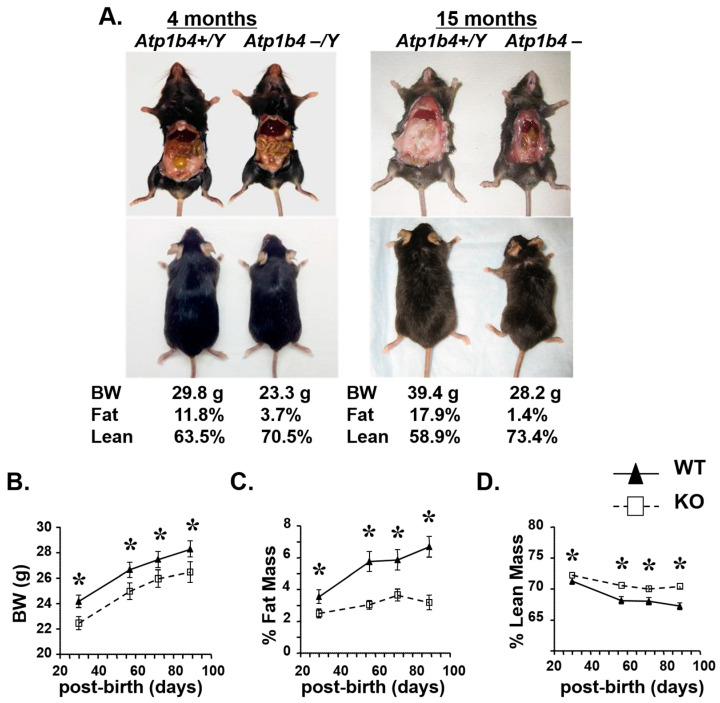 Figure 2
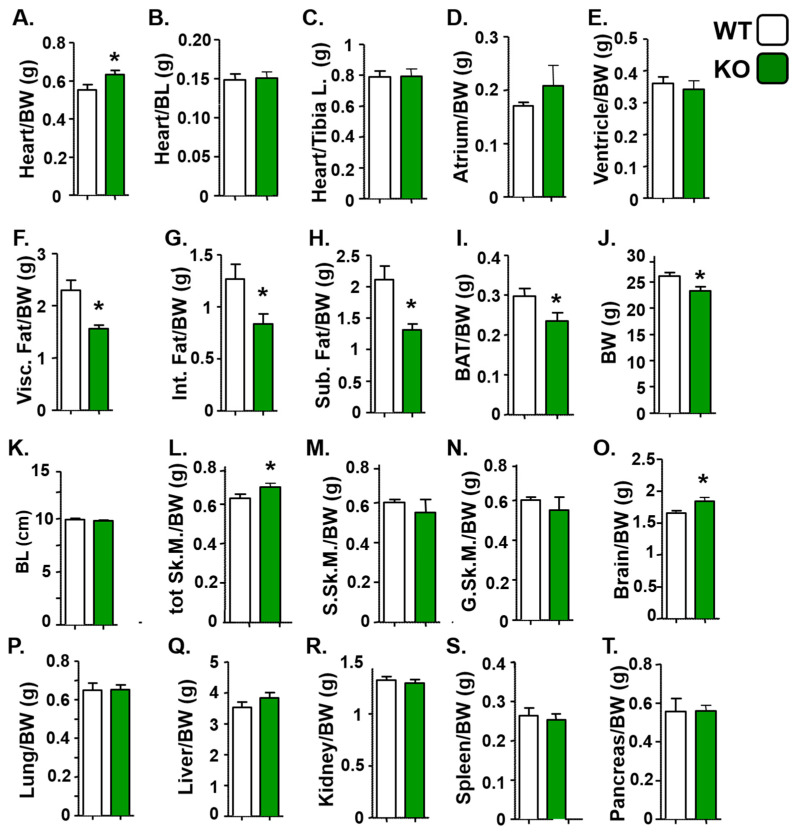 Figure 3
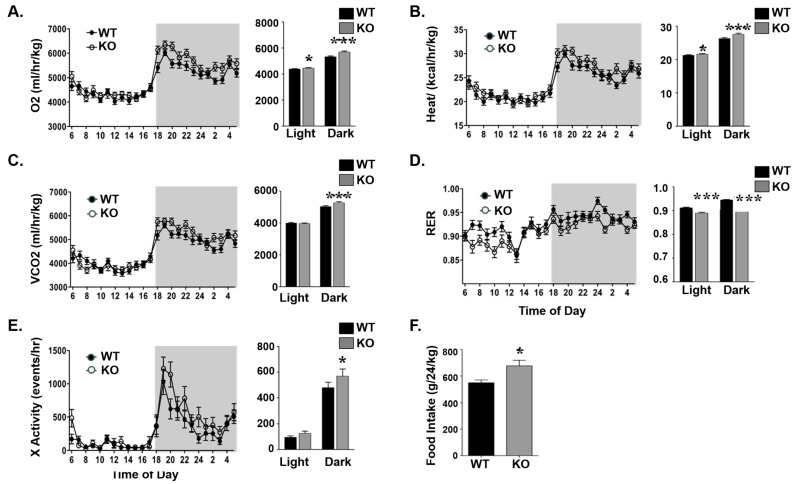 Figure 4
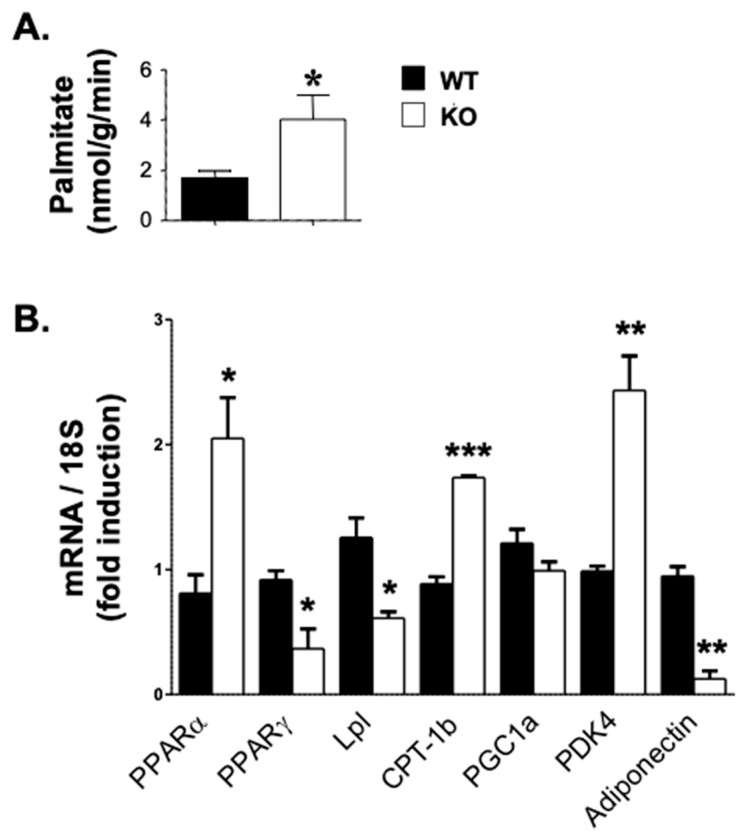 Figure 5
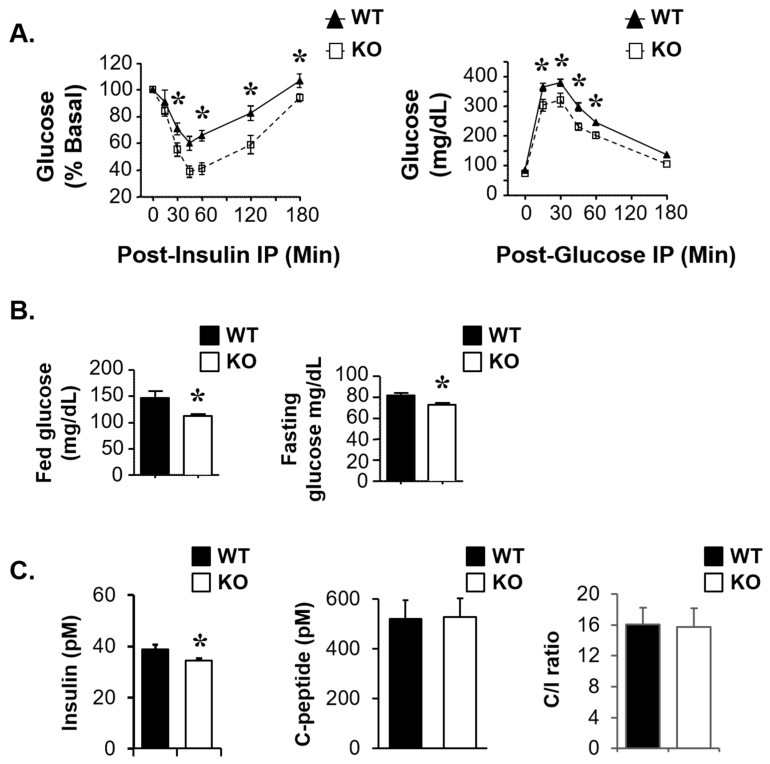 Figure 6
Peer Reviews
No public reviews on file for this paper yet. If you reviewed it on a platform where reviews are public (OpenReview, ICLR, NeurIPS, ICML), you can paste yours below so the community can read it here.
Videos
No videos yet. Explain this paper in a talk, walkthrough, or lecture? Add one.
Taxonomy
TopicsBirth, Development, and Health · Adipose Tissue and Metabolism · Pancreatic function and diabetes