Recovering Immunogenic Orthohantavirus puumalaense N Protein from Pellets of Recombinant Escherichia coli
Natalya Andreeva, Ekaterina Martynova, Polina Elboeva, Milana Mansurova, Ilnur Salafutdinov, Aleksandr Aimaletdinov, Rafil Khairullin, Diksha Sharma, Manoj Baranwal, Sara Chandy, Dilbar Dalimova, Alisher Abdullaev, Mirakbar Yakubov, Albert Rizvanov, Svetlana Khaiboullina

TL;DR
This study successfully produced and purified a key protein from a virus that causes a kidney disease, showing it can trigger an immune response and may help in vaccine development.
Contribution
A novel protocol for expressing and purifying the PUUV N protein from E. coli pellets is developed for vaccine and diagnostic applications.
Findings
Optimal expression of PUUV rN protein was achieved at 20°C with 0.5 mM IPTG induction.
Refolding with 50 mM Tris-HCl and arginine yielded the highest protein recovery.
The rN protein elicited an immune response and reacted with HFRS patient sera in ELISA.
Abstract
(1) Background: Hemorrhagic fever with renal syndrome (HFRS) remains a prevalent zoonosis in Eurasia. Orthohantavirus puumalaense (PUUV), carried by bank voles (Myodes glareolus), is the principal zoonotic pathogen of HFRS in this region. Despite ongoing efforts to develop effective drugs and vaccines against PUUV, this challenge remains. (2) Aim: In this study, we aimed to express a large quantity of the PUUV recombinant N (rN) protein using E. coli. We also sought to develop a protocol for extracting the rN protein from pellets, solubilizing, and refolding it to restore its native form. This protocol is crucial for producing a large quantity of rN protein to develop vaccines and diagnostic tools for HFRS. (3) Methods; PUUV S segment open reading frame (ORF) coding for N protein was synthesized and cloned into the plasmid vector pET-28 (A+). The ORF was transformed, expressed and…
Genes, proteins, chemicals, diseases, species, mutations and cell lines named across the full text — each resolved to its canonical identifier and authoritative record.
Click any figure to enlarge with its caption.
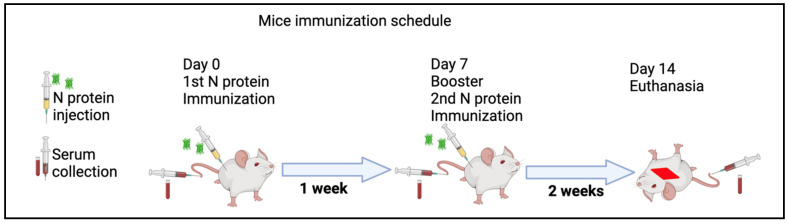 Figure 1
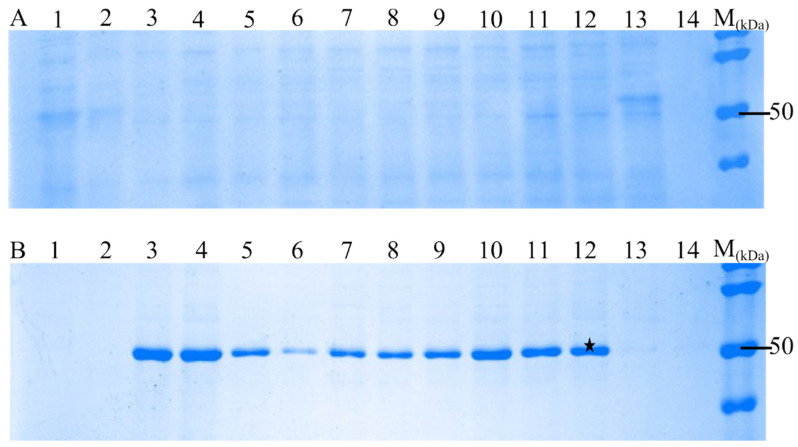 Figure 2
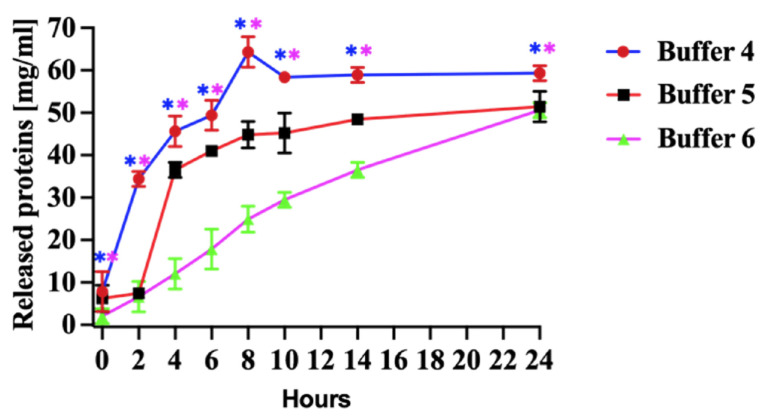 Figure 3
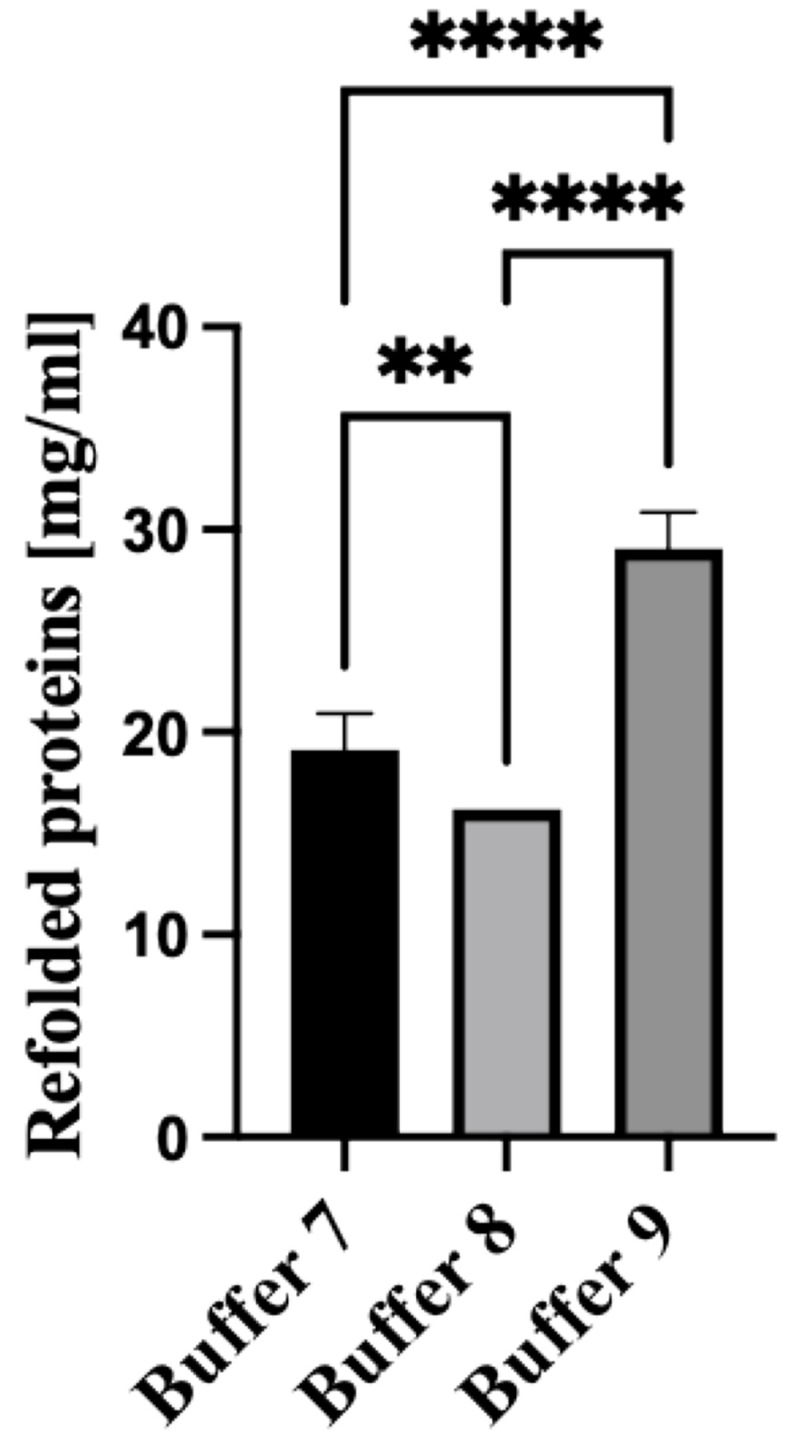 Figure 4
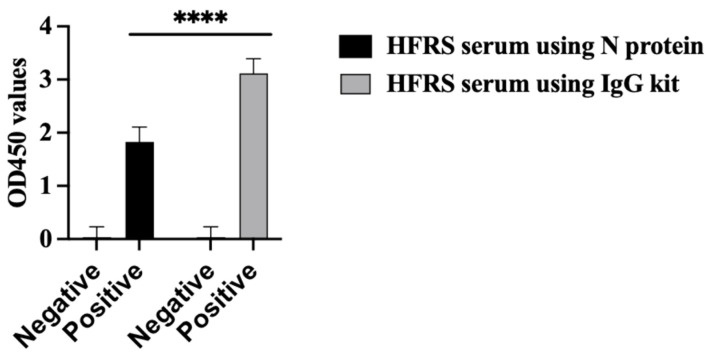 Figure 5
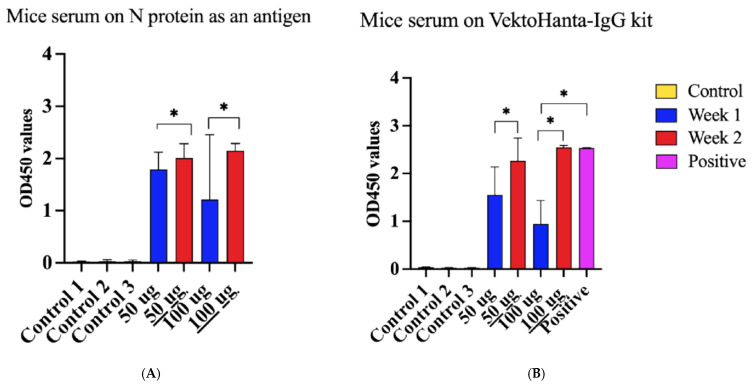 Figure 6
Peer Reviews
No public reviews on file for this paper yet. If you reviewed it on a platform where reviews are public (OpenReview, ICLR, NeurIPS, ICML), you can paste yours below so the community can read it here.
Videos
No videos yet. Explain this paper in a talk, walkthrough, or lecture? Add one.
Taxonomy
TopicsViral Infections and Vectors · Viral Infections and Outbreaks Research · Vector-Borne Animal Diseases