Soft Conductive Textile Sensors: Characterization Methodology and Behavioral Analysis
Giulia Gamberini, Selene Tognarelli, Arianna Menciassi

TL;DR
This paper introduces a method to evaluate soft fabric sensors for use in surgical training simulators, showing that certain sensor designs offer stability and sensitivity.
Contribution
A novel methodology for characterizing fabric-based resistive sensors, revealing insights into their performance and stability for soft robotic applications.
Findings
Sensors #1 and #3 showed the best stability and sensitivity for low strain applications.
Sensor #3 exhibited the lowest hysteresis, and sensor #1 had the widest operating range.
Sensor behavior is influenced by the configuration of conductive paths in the fabric layers.
Abstract
Resistive stretching sensors are currently used in healthcare robotics due to their ability to vary electrical resistance when subjected to mechanical strain. However, commercial sensors often lack the softness required for integration into soft structures. This study presents a detailed methodology to characterize fabric-based resistive stretching sensors, focusing on both static and dynamic performance, for application in a smart vascular simulator for surgical training. Five sensors, called #1–#5, were developed using conductive fabrics integrated into soft silicone. Stability and fatigue tests were performed to evaluate their behavior. The surface structure and fiber distribution were analyzed using digital microscopy and scanning electron microscopy, while element analysis was performed via Energy-Dispersive X-ray Spectroscopy. Sensors #1 and #3 are the most stable with a low…
Genes, proteins, chemicals, diseases, species, mutations and cell lines named across the full text — each resolved to its canonical identifier and authoritative record.
Click any figure to enlarge with its caption.
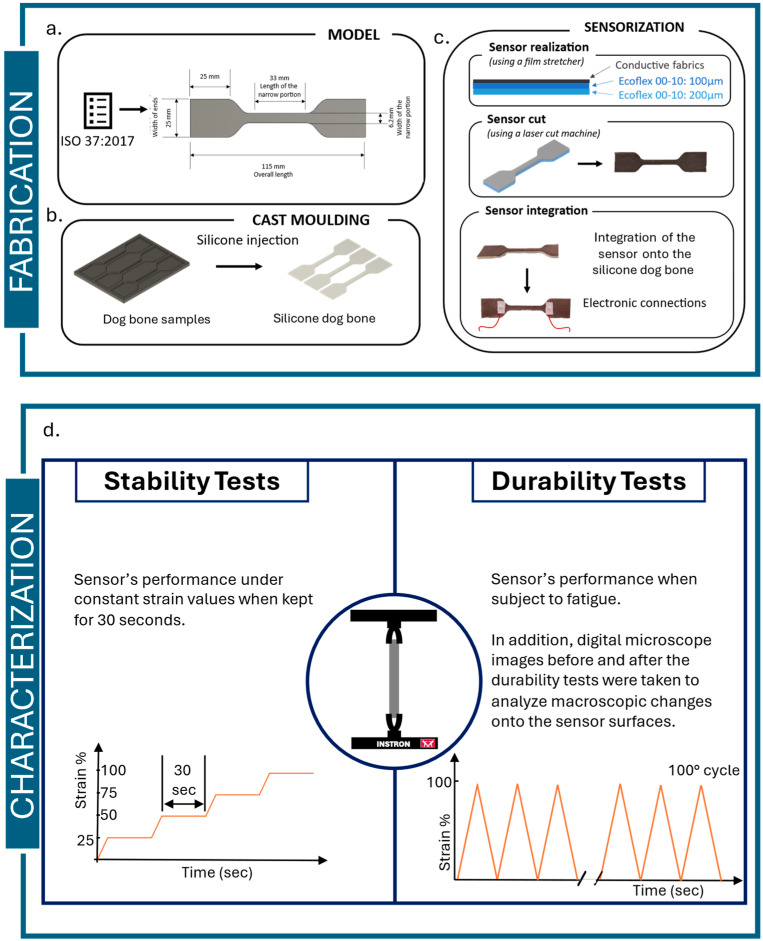 Figure 1
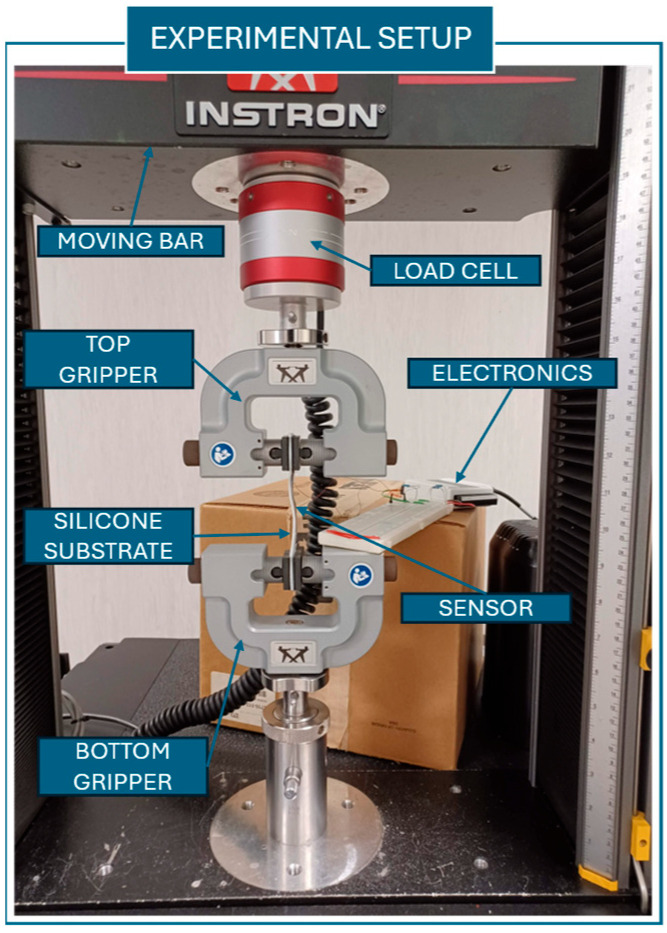 Figure 2
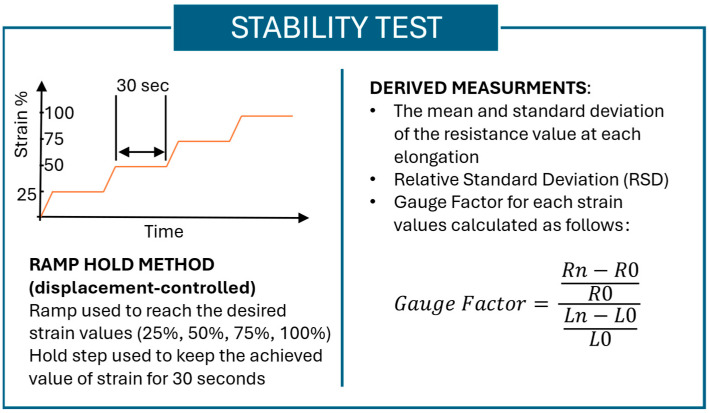 Figure 3
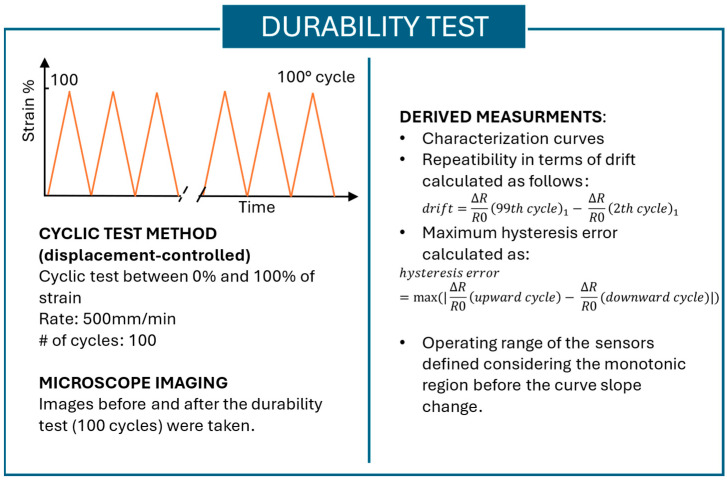 Figure 4
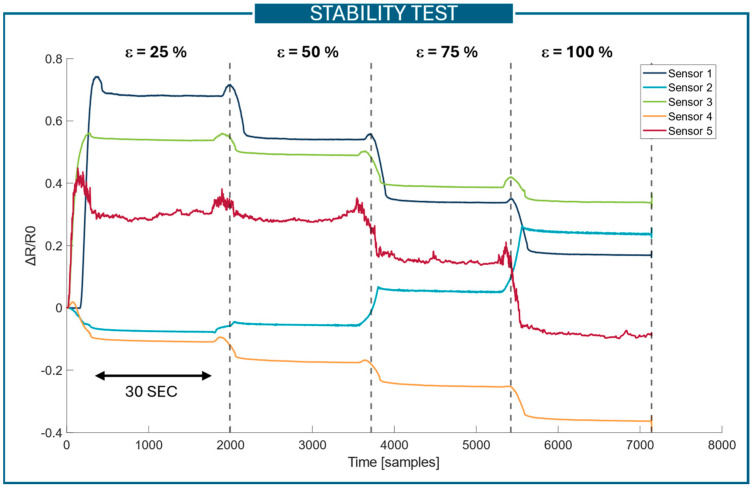 Figure 5
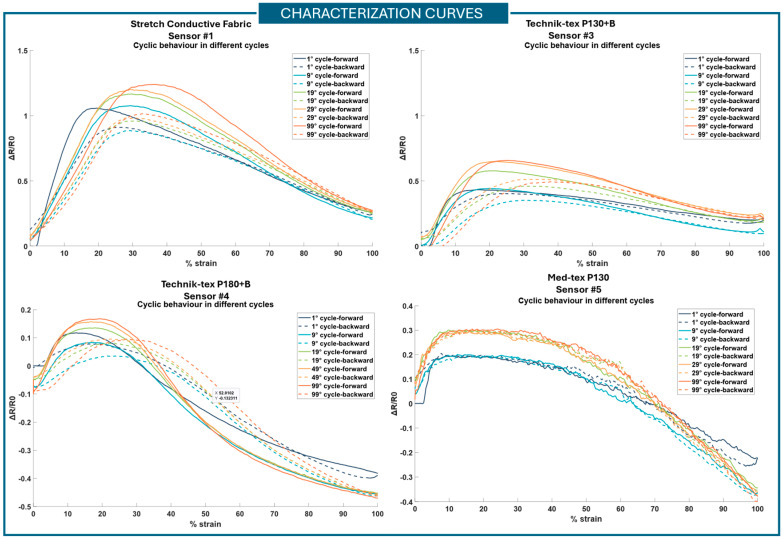 Figure 6
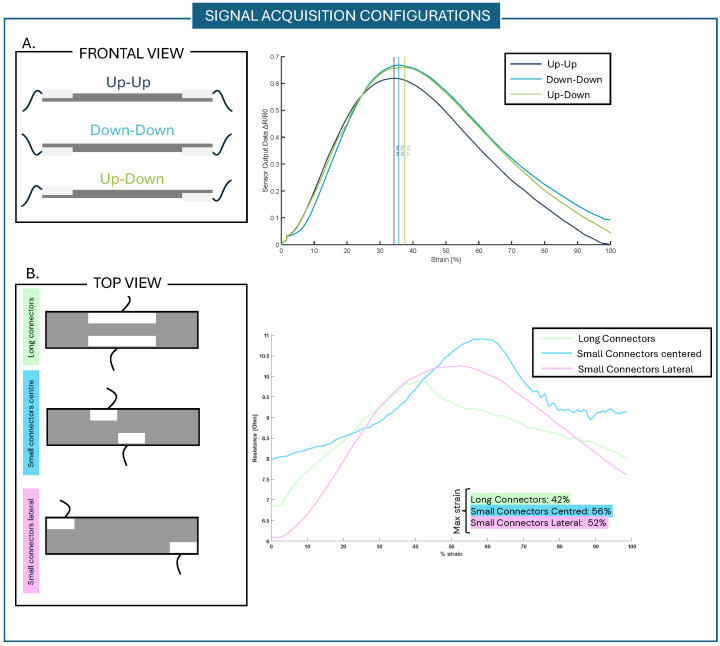 Figure 7
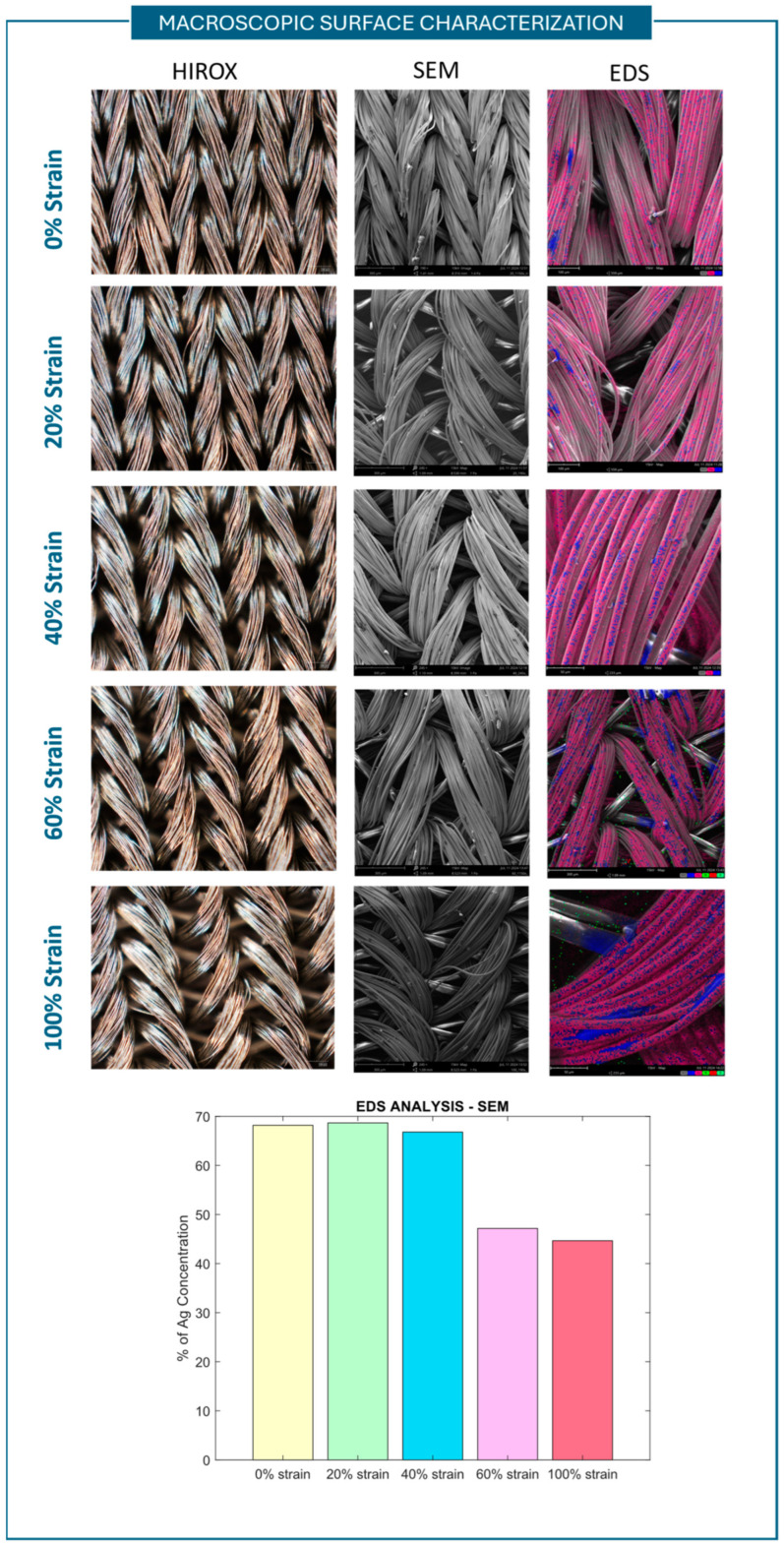 Figure 8
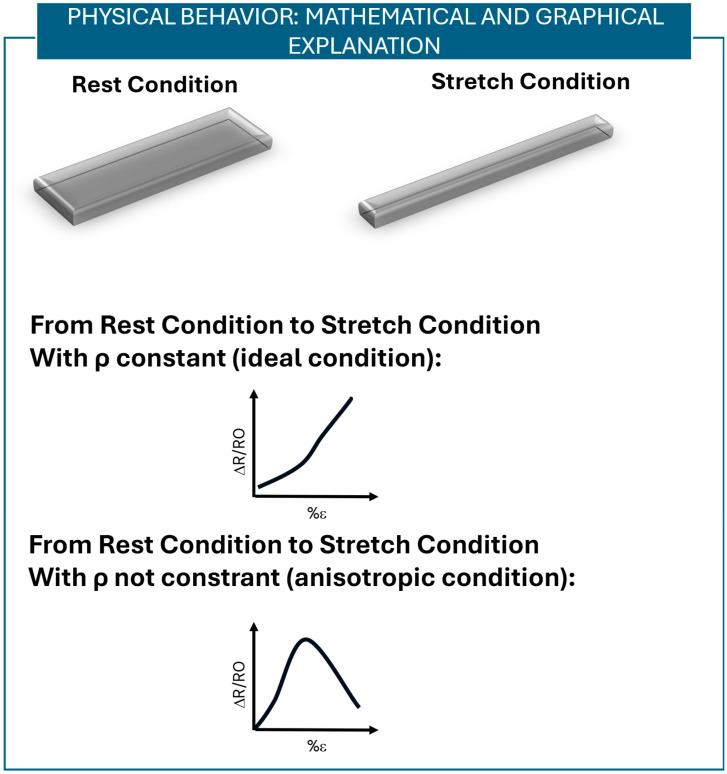 Figure 9
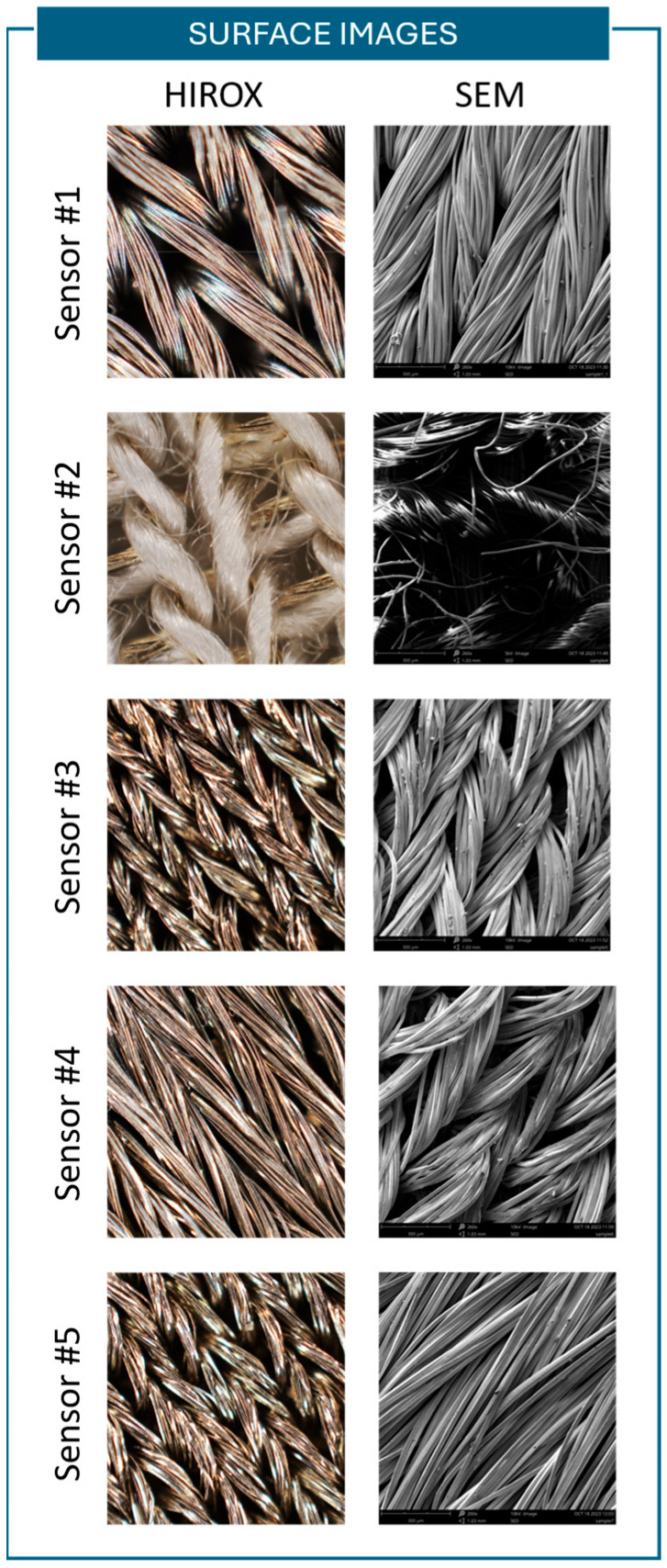 Figure 10
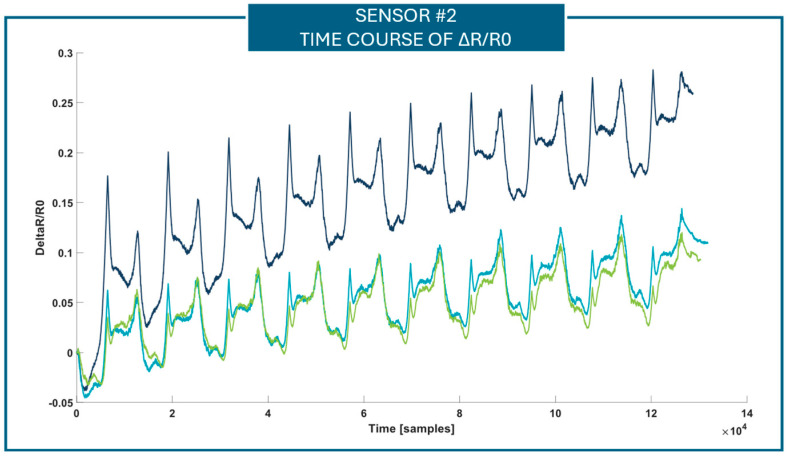 Figure 11
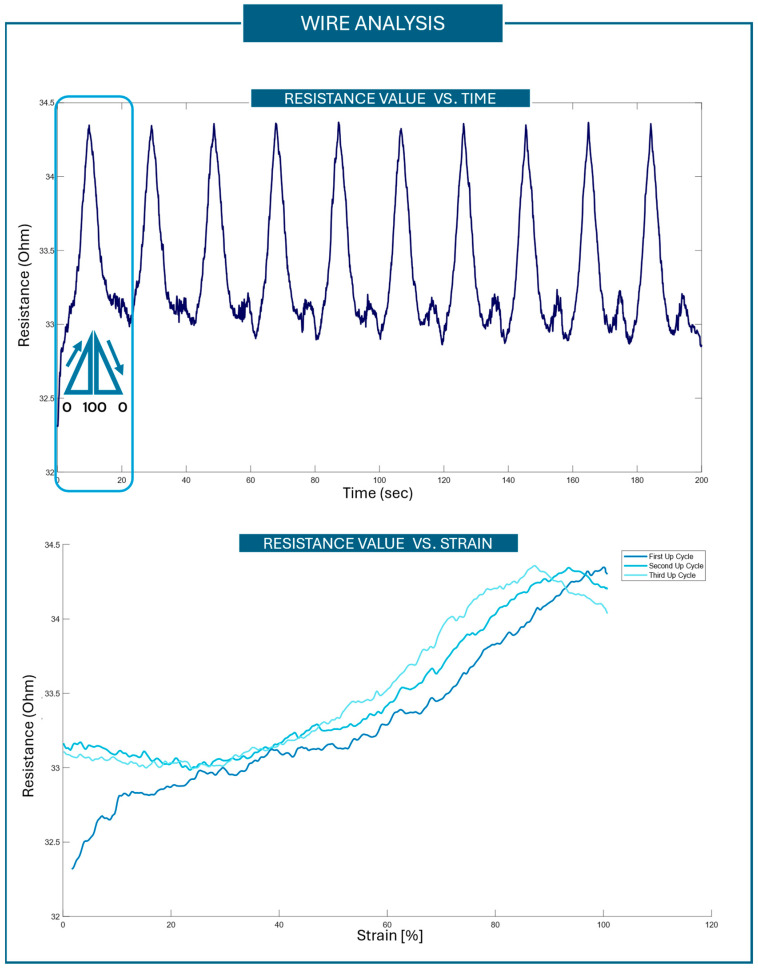 Figure 12
Peer Reviews
No public reviews on file for this paper yet. If you reviewed it on a platform where reviews are public (OpenReview, ICLR, NeurIPS, ICML), you can paste yours below so the community can read it here.
Videos
No videos yet. Explain this paper in a talk, walkthrough, or lecture? Add one.
Taxonomy
TopicsAdvanced Sensor and Energy Harvesting Materials · Non-Invasive Vital Sign Monitoring · Cardiovascular and Diving-Related Complications