Early Hydration Kinetics of Shell Ash-Based Cementitious Materials: A Low-Field Nuclear Magnetic Resonance Study
Chuan Tong, Liyuan Wang, Kun Wang, Jianxin Fu

TL;DR
This study examines how adding shell ash to cement affects early hydration processes, moisture distribution, and mechanical properties using nuclear magnetic resonance and kinetic models.
Contribution
The novel use of LF-NMR and NG-I-D models to quantify hydration kinetics and microstructure evolution in shell ash-based cement is presented.
Findings
Low shell ash content (≤8%) promotes C-S-H gel densification by consuming free water, while 10% SA reduces moisture in gel micropores and increases larger pores.
Porosity initially decreases with SA content but increases at 10%, with minimum values observed at 3–5% and 8% SA.
Hydration occurs in three stages (nucleation–growth, phase boundary reaction, diffusion control), with diffusion control dominating (>60% contribution).
Abstract
This study systematically investigates the effects of shell ash (SA) content (0–10%) on early moisture evolution, pore structure, and hydration kinetics in cement paste using LF-NMR and NG-I-D hydration kinetic models. Key findings include the following: (1) Increased SA content significantly alters moisture phase distribution. Low contents (≤8%) consume free water through rapid CaO hydration, promoting C-S-H gel densification. However, 10% SA causes reduced moisture in 0.16–0.4 μm gel micropores (due to hindered ion diffusion) and abrupt increases in 0.63–2.5 μm pores. (2) Porosity first decreases then increases with SA content, reaching minimum values at 3–5% and 8%, respectively. The 10% content induces abnormal porosity growth from localized over-densification following polynomial fitting (R2 = 0.966). (3) Krstulovic–Dabic model analysis reveals three consecutive hydration stages:…
Genes, proteins, chemicals, diseases, species, mutations and cell lines named across the full text — each resolved to its canonical identifier and authoritative record.
Click any figure to enlarge with its caption.
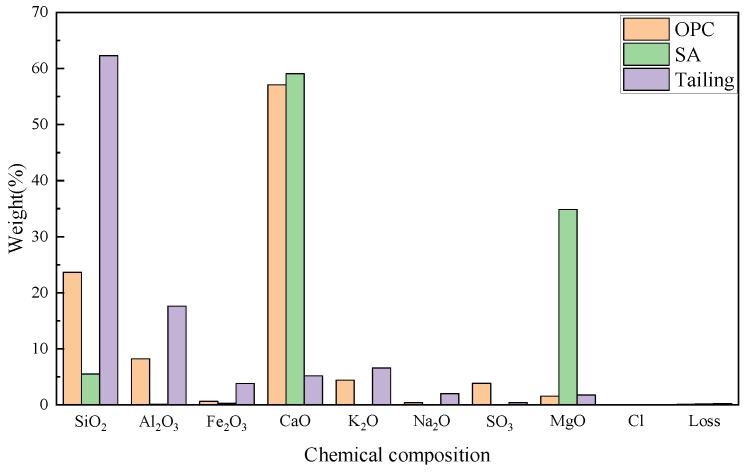 Figure 1
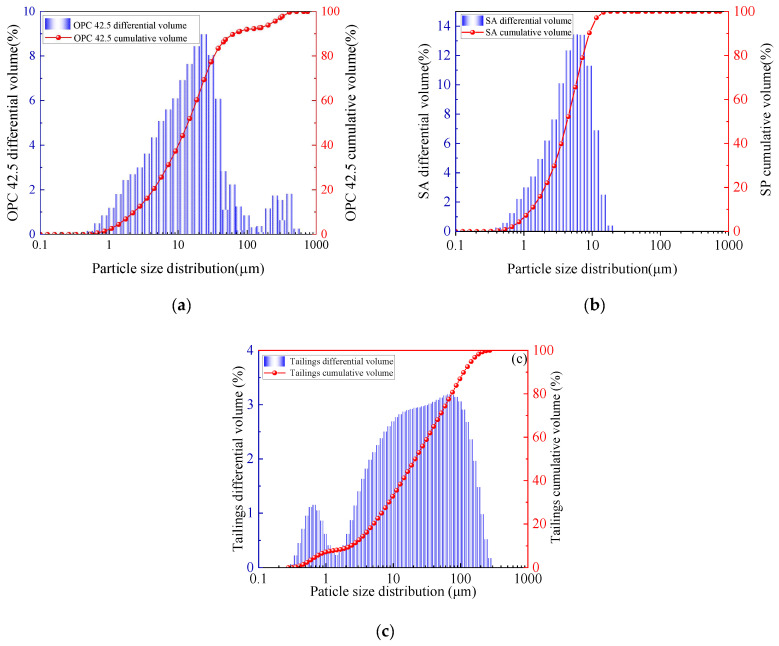 Figure 2
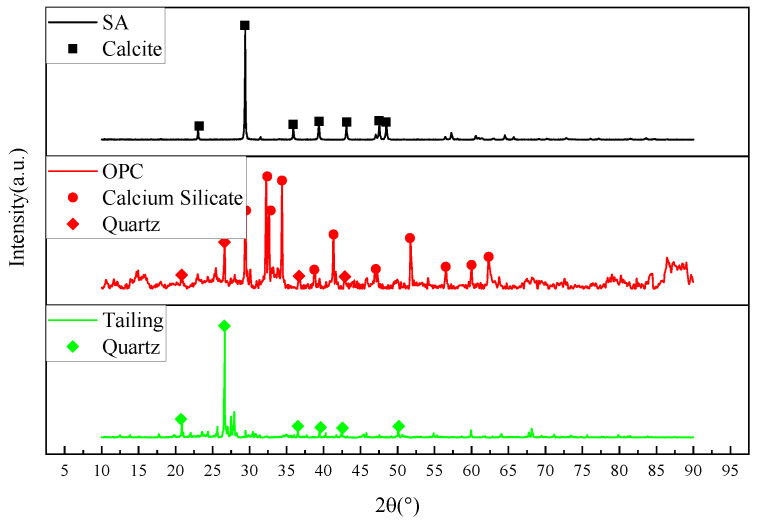 Figure 3
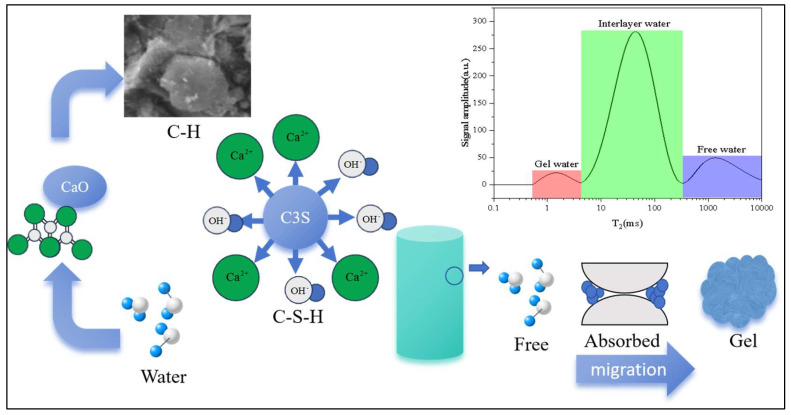 Figure 4
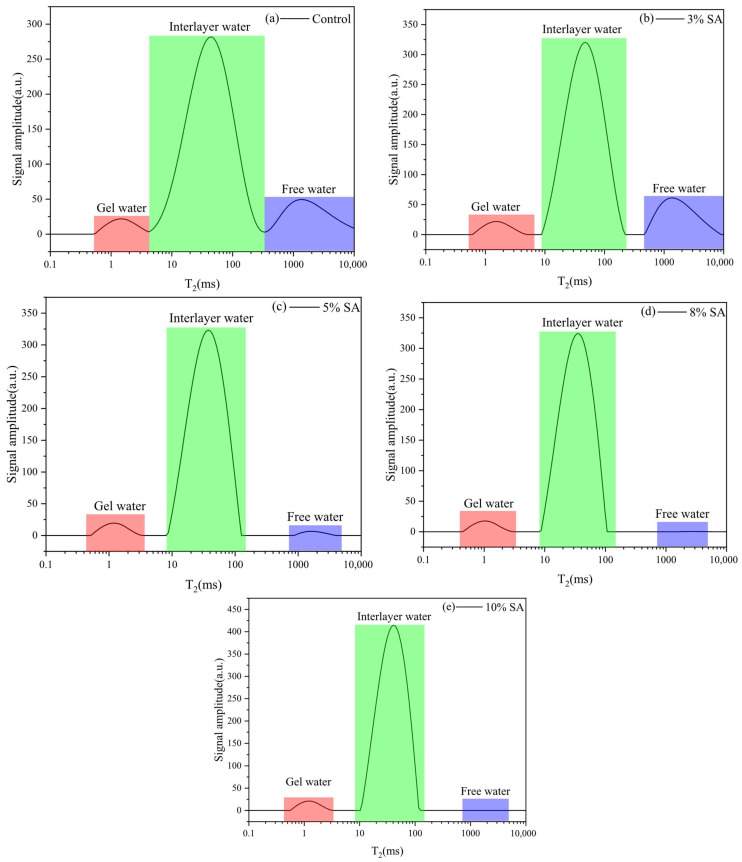 Figure 5
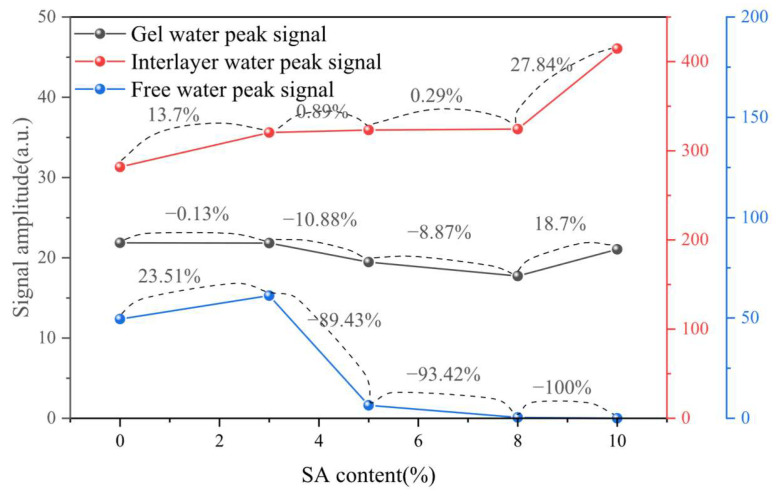 Figure 6
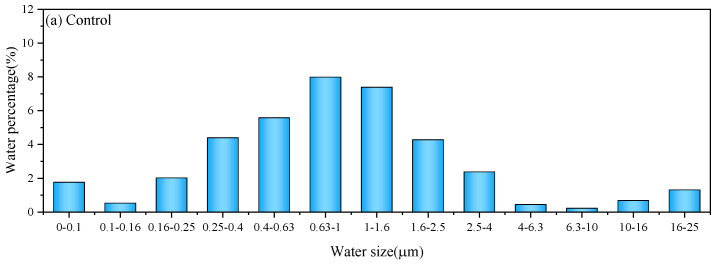 Figure 7
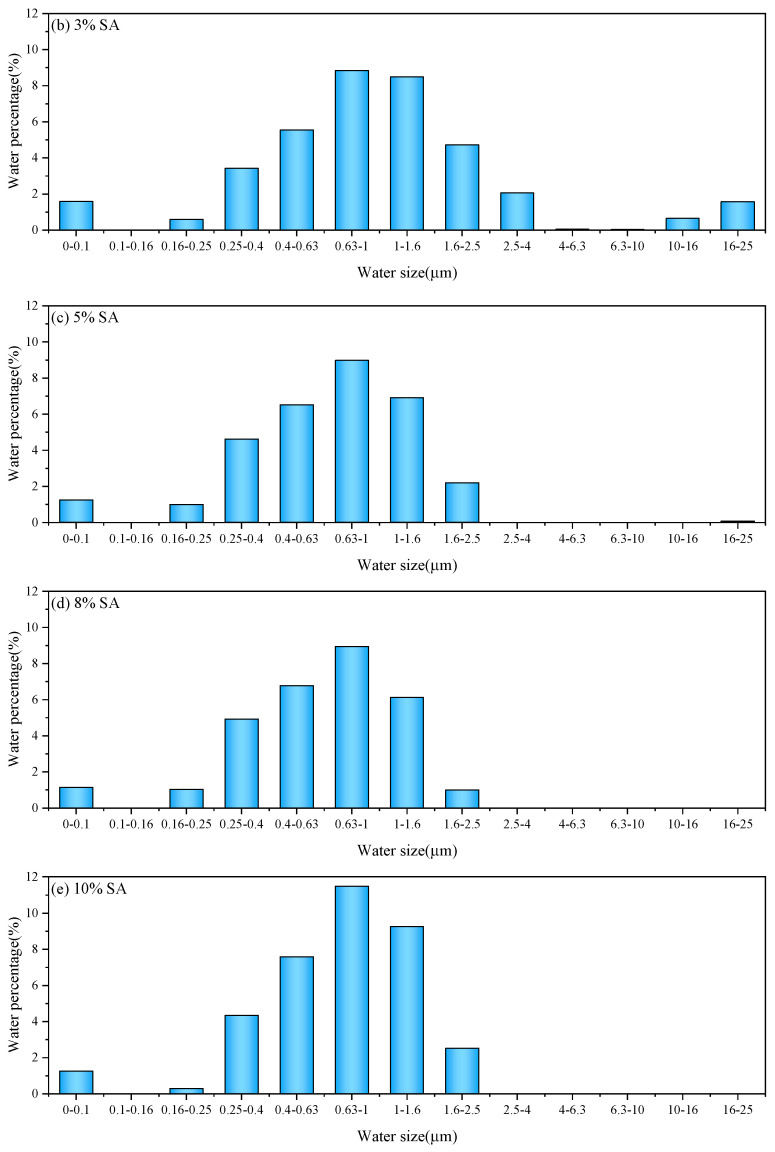 Figure 8
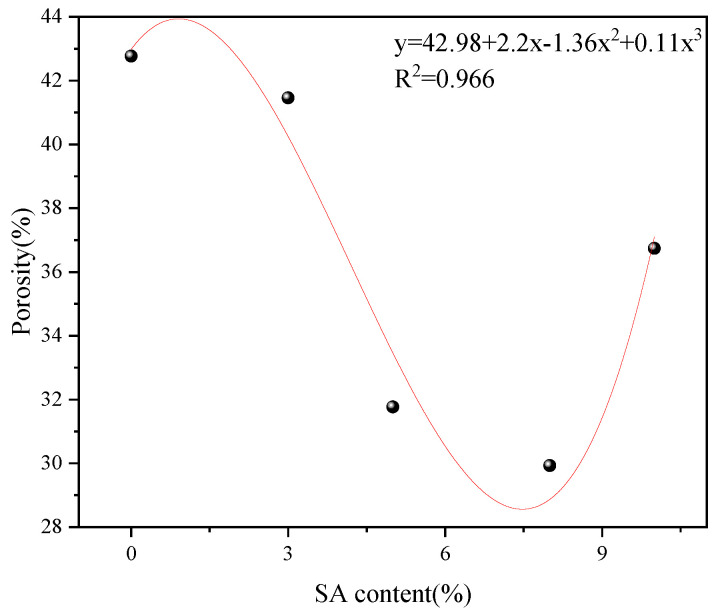 Figure 9
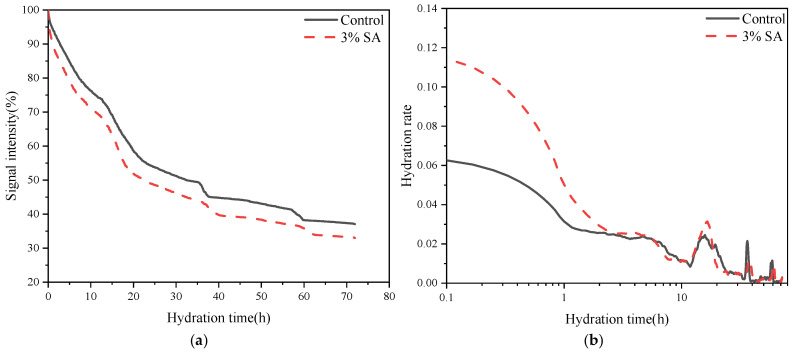 Figure 10
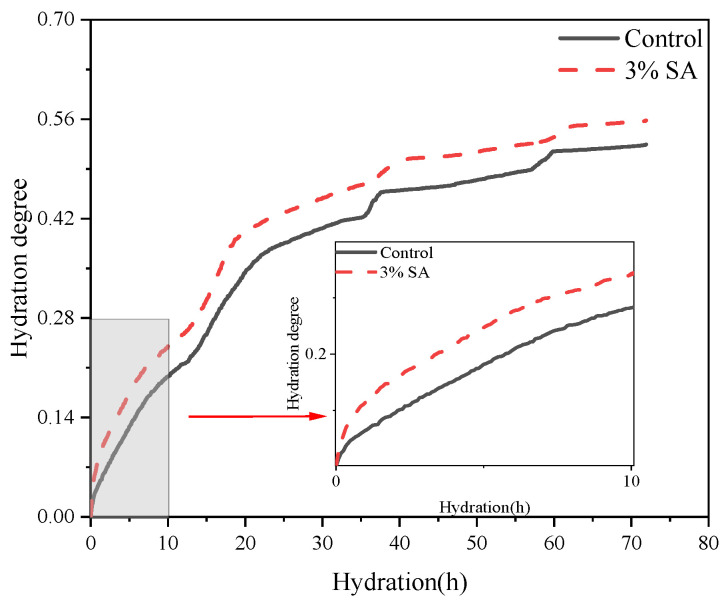 Figure 11
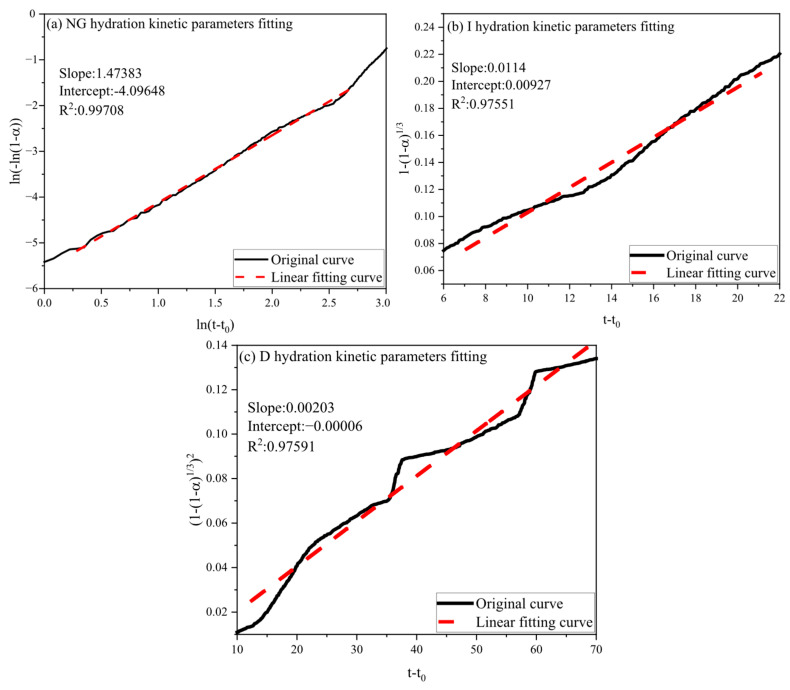 Figure 12
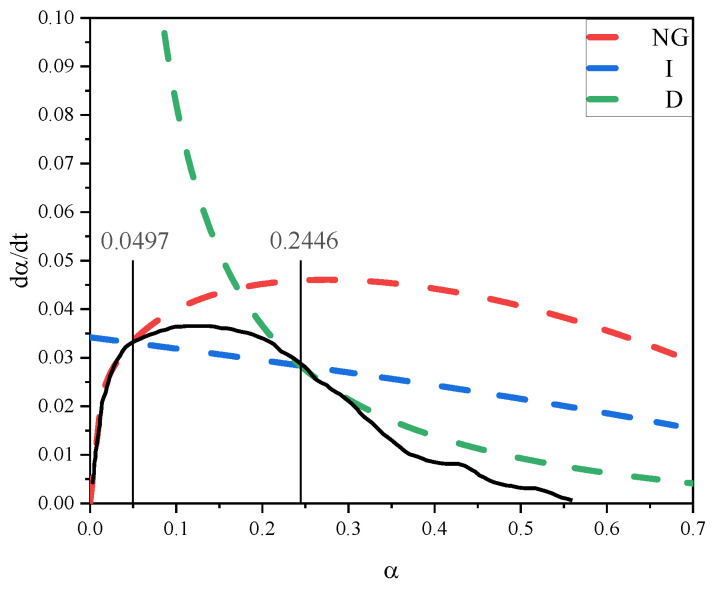 Figure 13
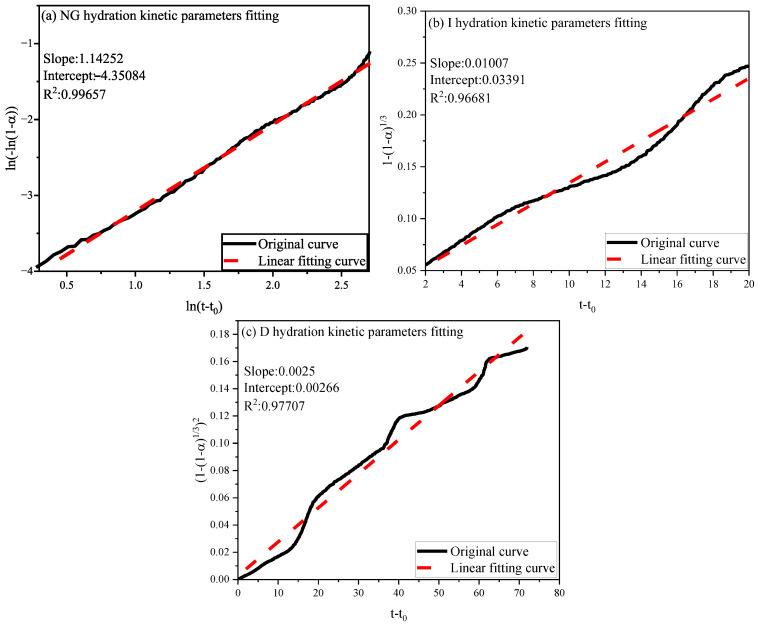 Figure 14
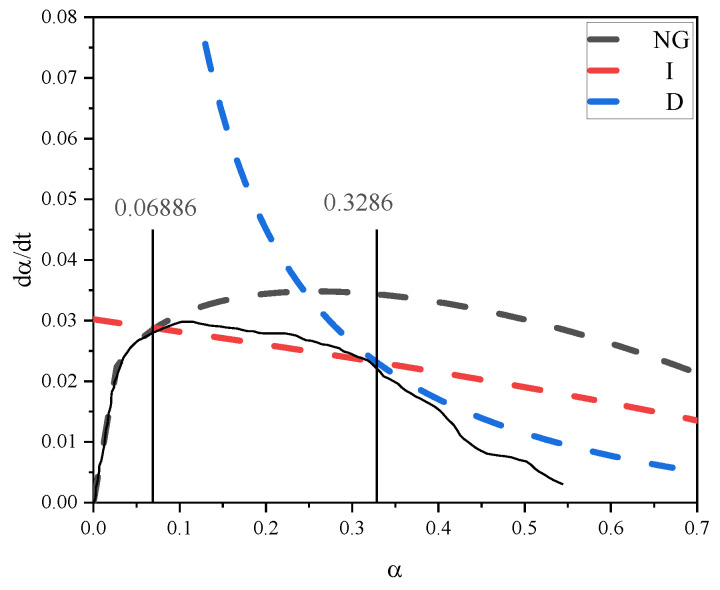 Figure 15
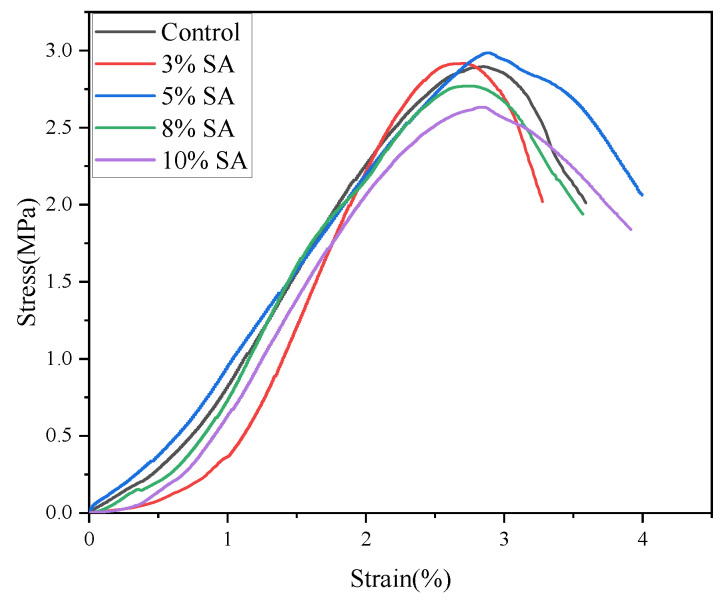 Figure 16
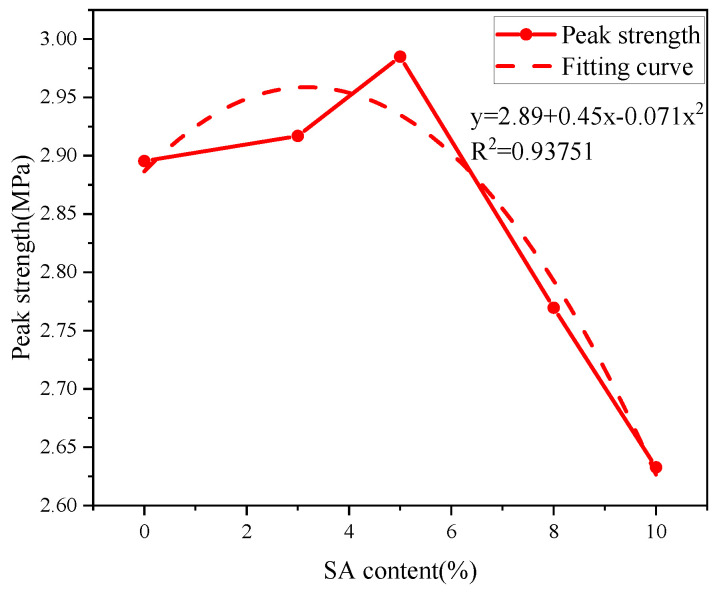 Figure 17
Peer Reviews
No public reviews on file for this paper yet. If you reviewed it on a platform where reviews are public (OpenReview, ICLR, NeurIPS, ICML), you can paste yours below so the community can read it here.
Videos
No videos yet. Explain this paper in a talk, walkthrough, or lecture? Add one.
Taxonomy
TopicsConcrete and Cement Materials Research · Materials Engineering and Processing · Magnesium Oxide Properties and Applications