Simulation of Flow Field and Experimental Study on the Electric Discharge Machining of Small Holes in Renewable Dielectrics
Ruili Wang, Yangjing Zhao, Binghui Dong, Shuo Sun, Na Xiao, Wuyi Ming

TL;DR
This study uses simulations and experiments to explore how vegetable oils can replace kerosene in EDM for small hole drilling, focusing on their environmental benefits and performance.
Contribution
The study introduces a comparative analysis of different vegetable oils in EDM for small holes, supported by flow simulations and experimental validation.
Findings
Canola oil showed a higher particle escape rate compared to sunflower seed oil and soybean oil in 1 mm and 4 mm holes.
In 1 mm holes, canola oil's average escape rate was 19.683%, outperforming the other oils by 0.24% and 0.19%.
Experiments confirmed the potential of vegetable oils in green EDM micro-hole processing.
Abstract
Vegetable oil is regarded as a medium that can replace kerosene in electrical discharge machining (EDM) hole processing due to its renewability and environmental friendliness. Meanwhile, numerical simulation serves as an effective means to study the behavior of the gap flow field during EDM processing. Based on this, this study explored the influence of hole size and different vegetable oil dielectrics (sunflower seed oil, canola oil, and soybean oil) on the movement of electro-corrosion residues in the processing gap. The simulation results demonstrate that the viscosity of the oil affects the escape rate of the particles. In holes of 1 mm and 4 mm of size, the escape rate of canola oil at any time period is superior to that of sunflower seed oil and soybean oil. In a 1 mm hole, its average escape rate reached 19.683%, which was 0.24% and 0.19% higher than that of sunflower seed oil…
Genes, proteins, chemicals, diseases, species, mutations and cell lines named across the full text — each resolved to its canonical identifier and authoritative record.
Click any figure to enlarge with its caption.
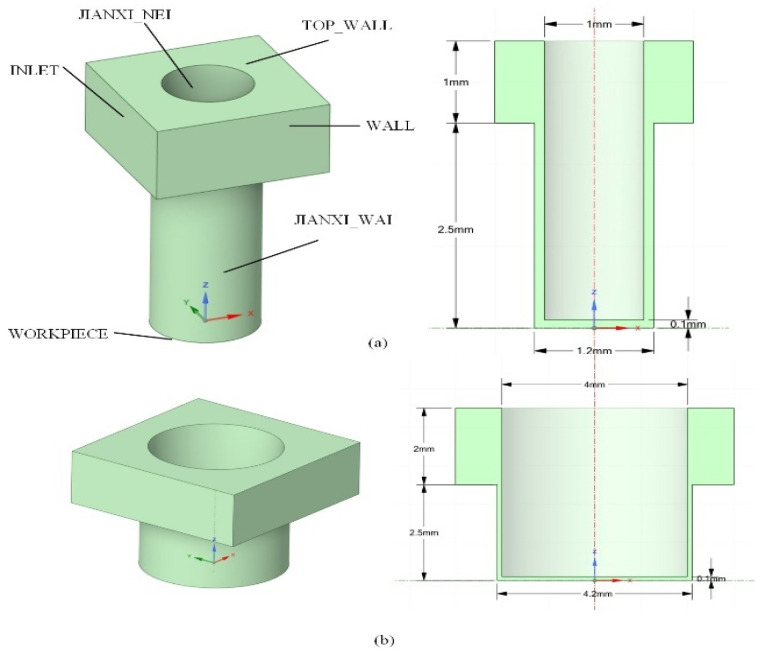 Figure 1
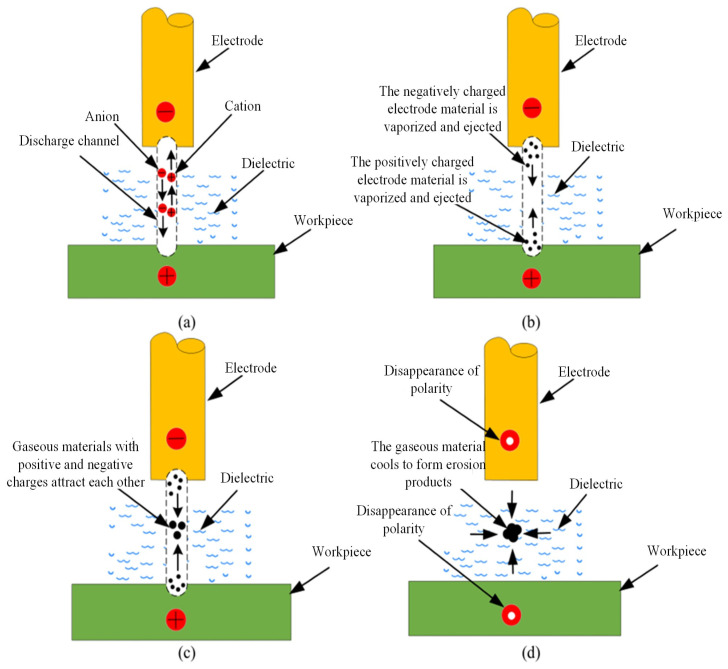 Figure 2
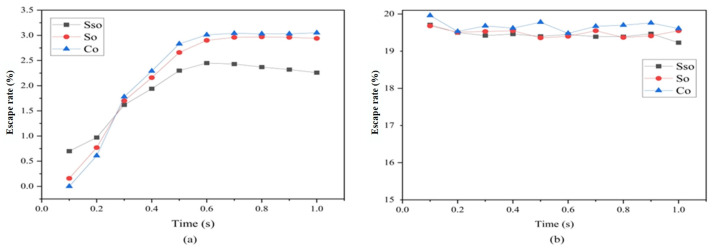 Figure 3
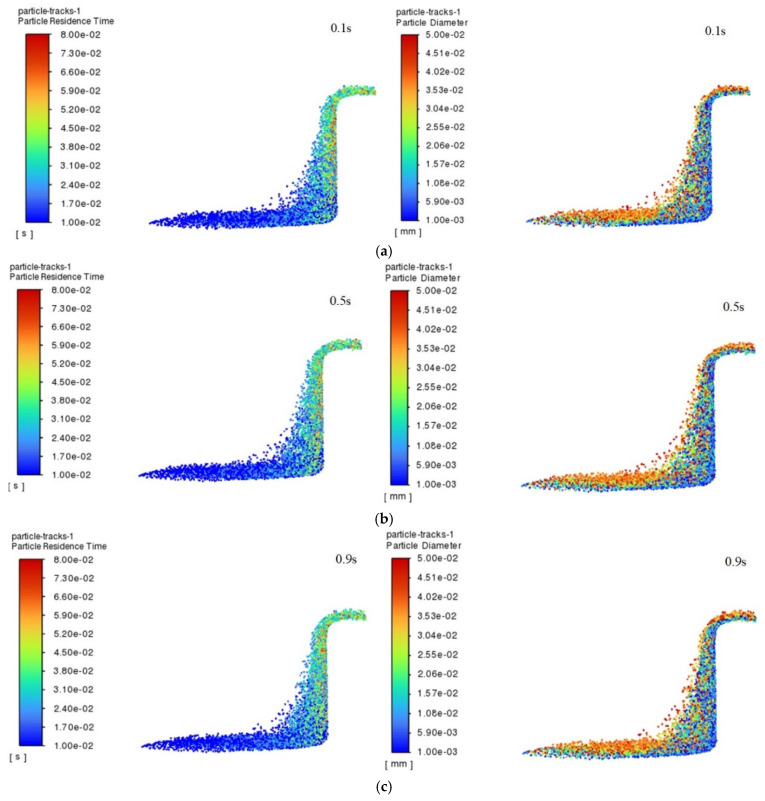 Figure 4
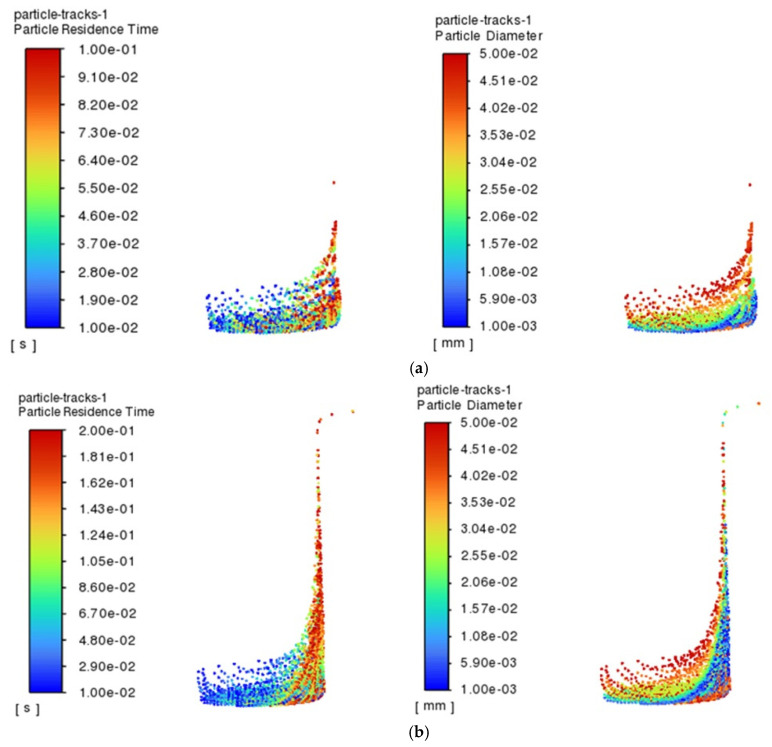 Figure 5
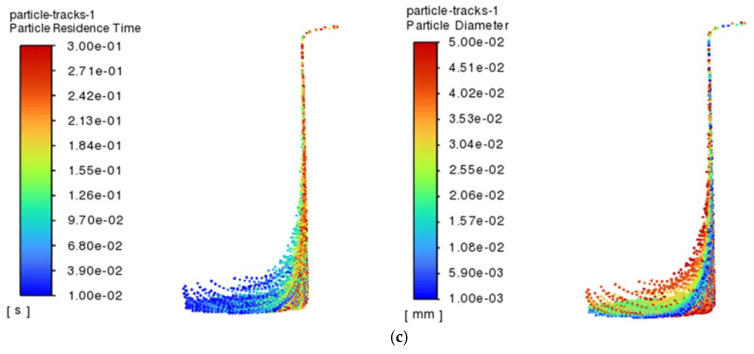 Figure 6
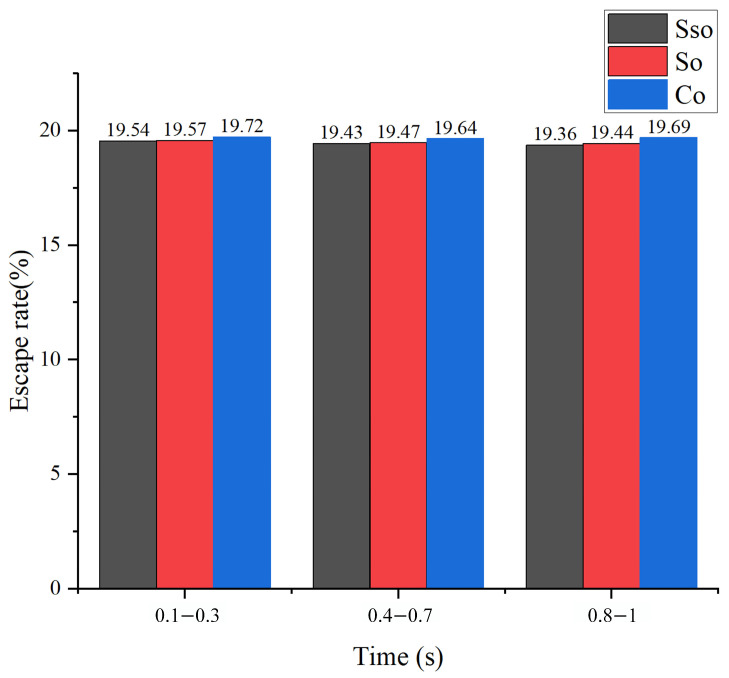 Figure 7
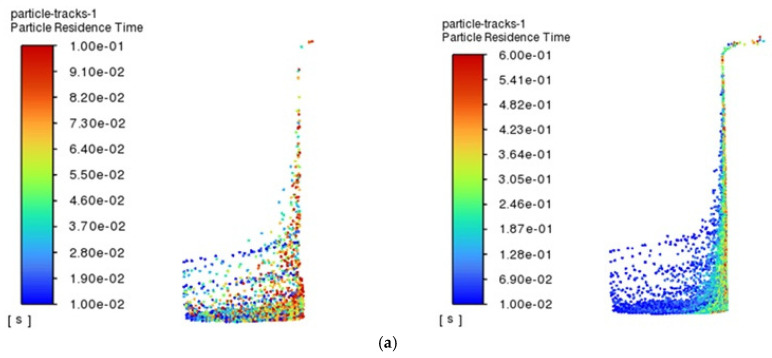 Figure 8
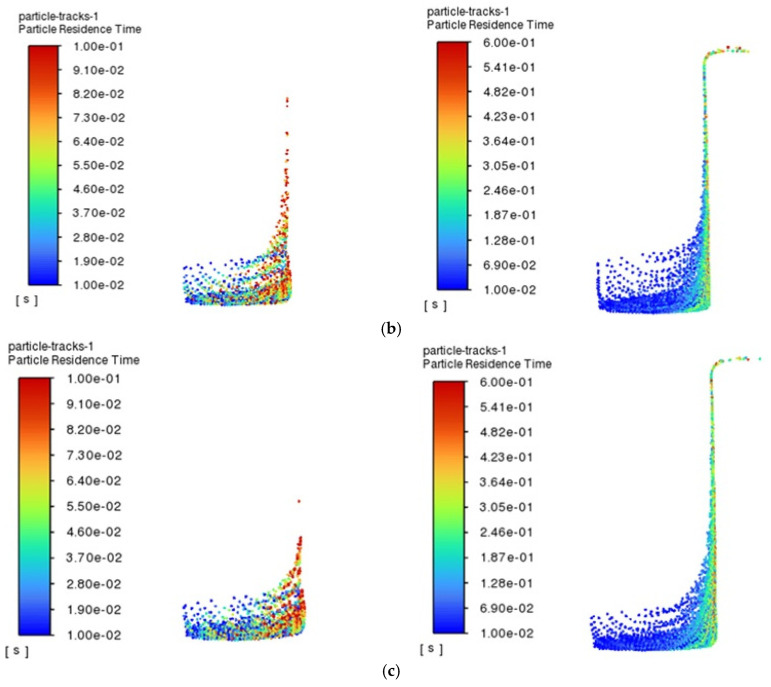 Figure 9
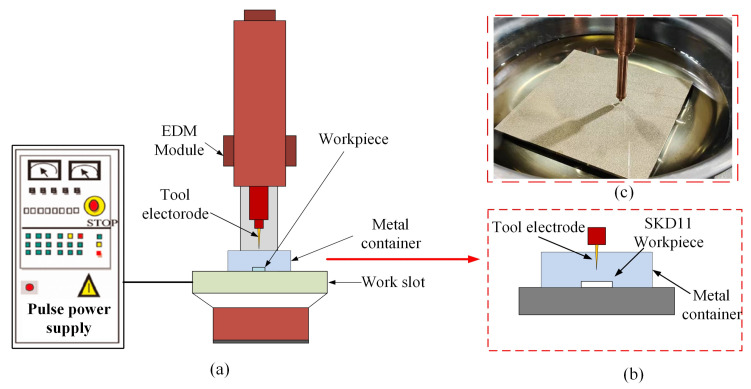 Figure 10
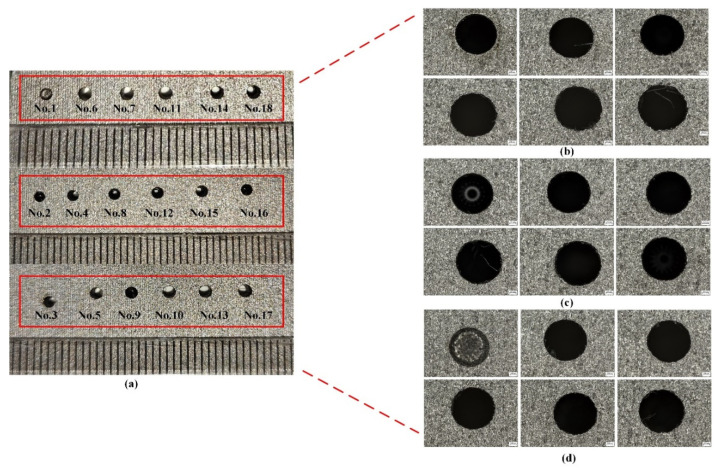 Figure 11
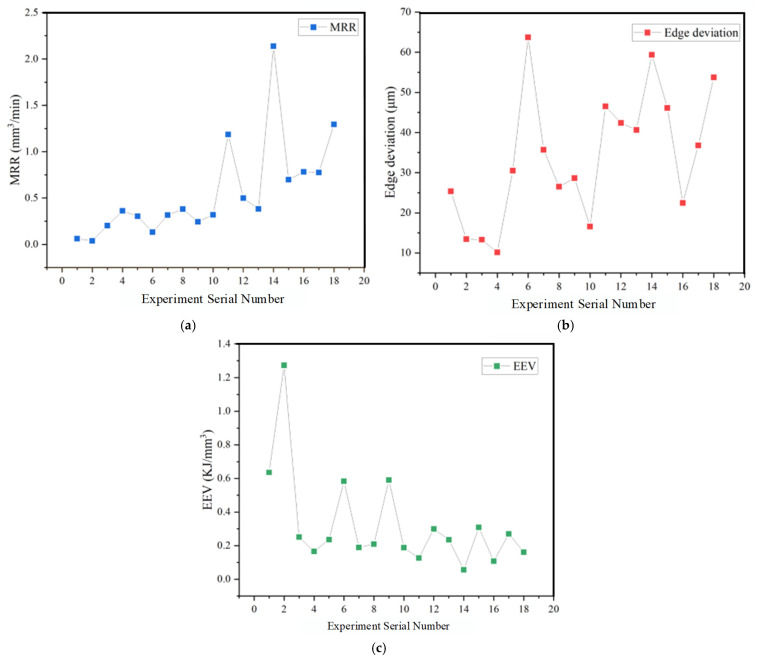 Figure 12
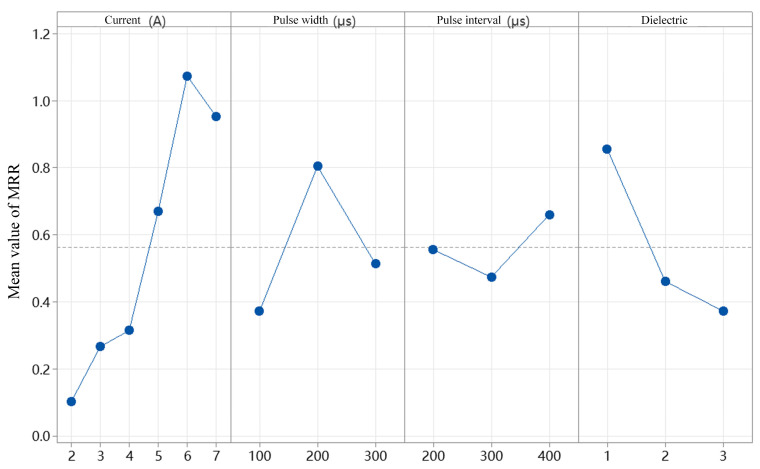 Figure 13
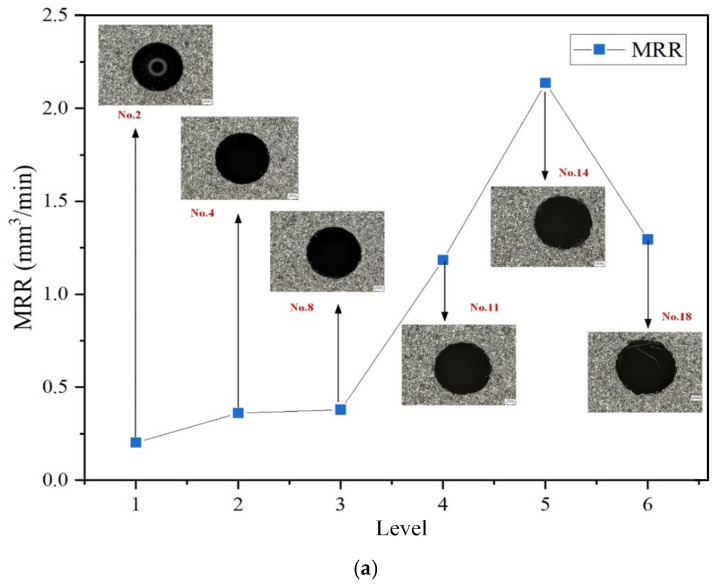 Figure 14
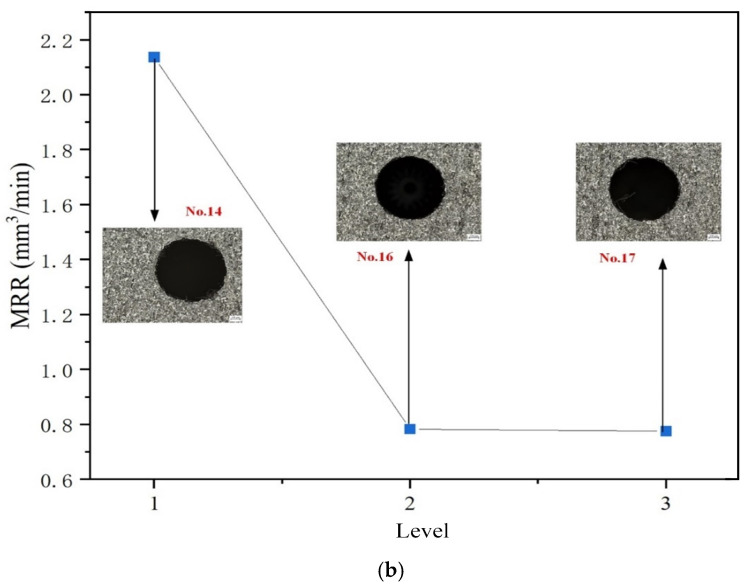 Figure 15
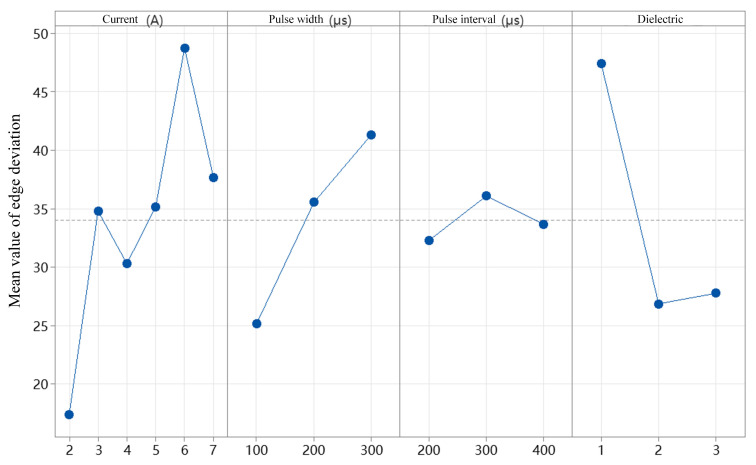 Figure 16
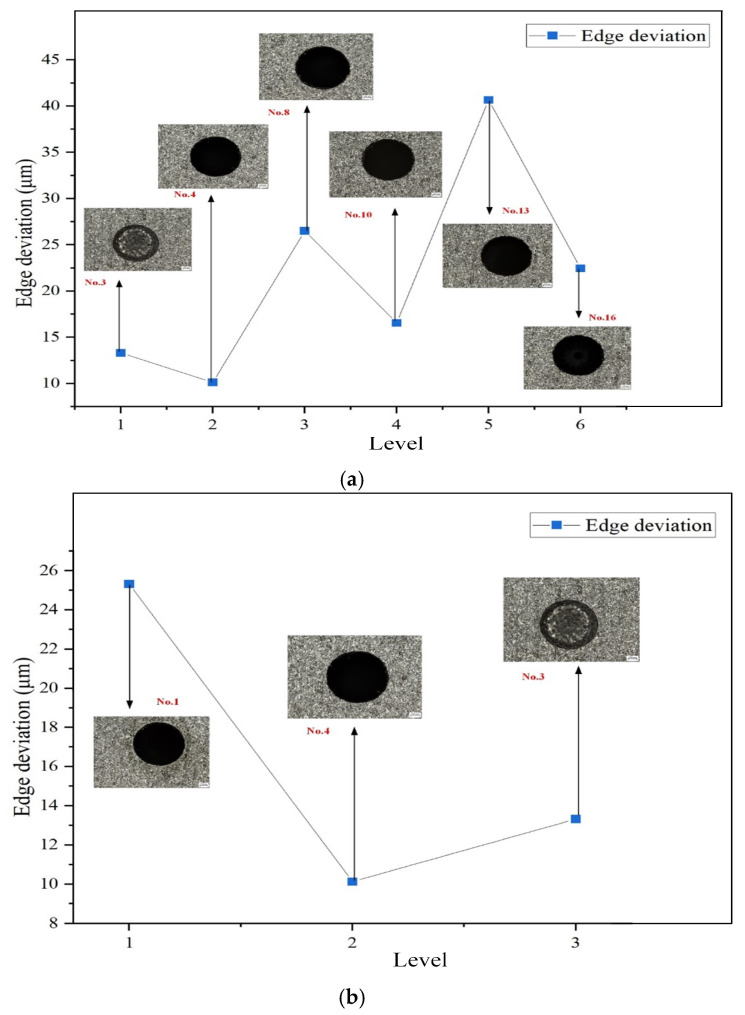 Figure 17
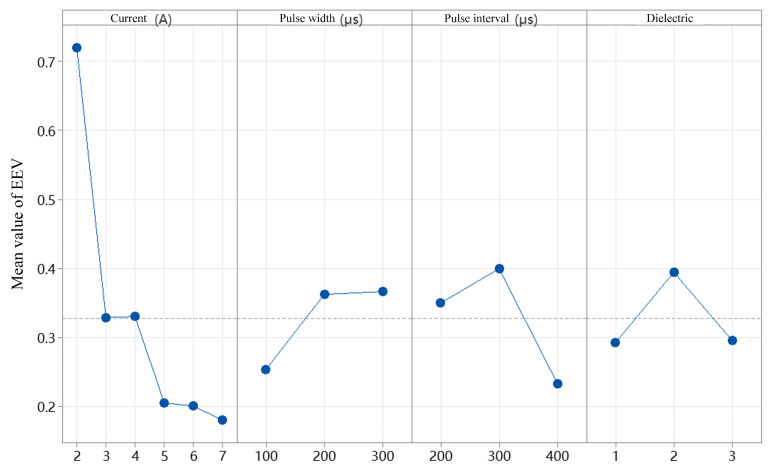 Figure 18
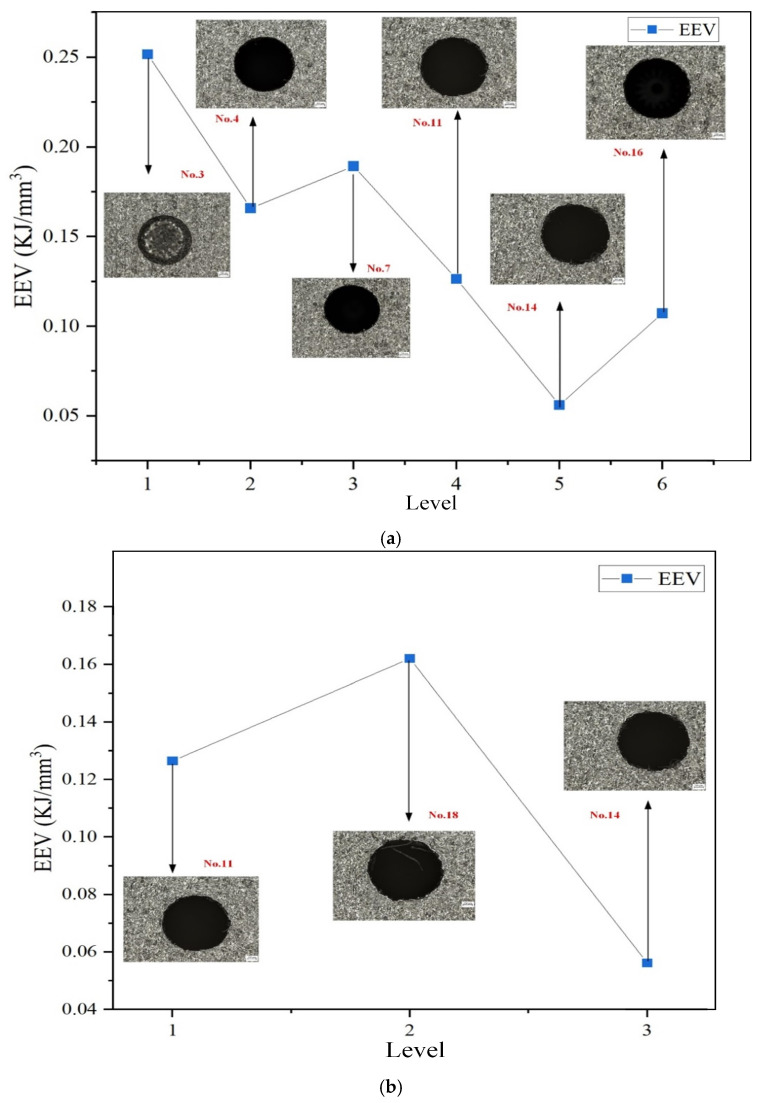 Figure 19
Peer Reviews
No public reviews on file for this paper yet. If you reviewed it on a platform where reviews are public (OpenReview, ICLR, NeurIPS, ICML), you can paste yours below so the community can read it here.
Videos
No videos yet. Explain this paper in a talk, walkthrough, or lecture? Add one.
Taxonomy
TopicsAdvanced Machining and Optimization Techniques · Advanced machining processes and optimization · Advanced Surface Polishing Techniques