Hybrid Binders Through Alkaline Activation of Fine Construction and Demolition Waste
Manuel Retamal-Rojas, Diego Aponte, William Valencia-Saavedra, Rafael Robayo-Salazar, Marilda Barra-Bizinotto

TL;DR
This study explores using construction and demolition waste as a sustainable cement alternative through alkaline activation, showing promising results for reducing construction waste and improving material properties.
Contribution
The study introduces a method to optimize alkali-activated systems using construction and demolition waste as a sustainable binder.
Findings
Higher NaOH content reduced setting times for ceramic and concrete waste-based mortars.
Increased Na2SiO3 content led to greater drying shrinkage in both waste types.
Compressive strengths of 7.6 to 8.2 MPa were achieved at 28 days.
Abstract
The use of construction and demolition waste (CDW) as an alternative binder to ordinary Portland cement presents a promising solution through alkaline activation. This study evaluates the physical, mechanical, and microstructural behaviour of pastes and mortars produced with CDW—specifically concrete (RH) and ceramic (RC) waste—activated with NaOH and Na2SiO3 (SS) solutions. Mortars were prepared with NaOH/SS ratios of 0.2 and 0.3 and an activator-to-precursor (AA/P) ratio of 0.2. Results showed that higher NaOH content accelerated alkaline activation, reducing setting times from 6.2 h to 3.7 h for RC and from 4.6 h to 3.2 h for RH. Conversely, increasing Na2SiO3 content led to greater drying shrinkage, from −0.42% to −0.49% in RC and from −0.46% to −0.52% in RH. Compressive strength values at 28 days ranged from 7.6 to 8.2 MPa. X-ray diffraction (XRD) revealed the presence of…
Genes, proteins, chemicals, diseases, species, mutations and cell lines named across the full text — each resolved to its canonical identifier and authoritative record.
Click any figure to enlarge with its caption.
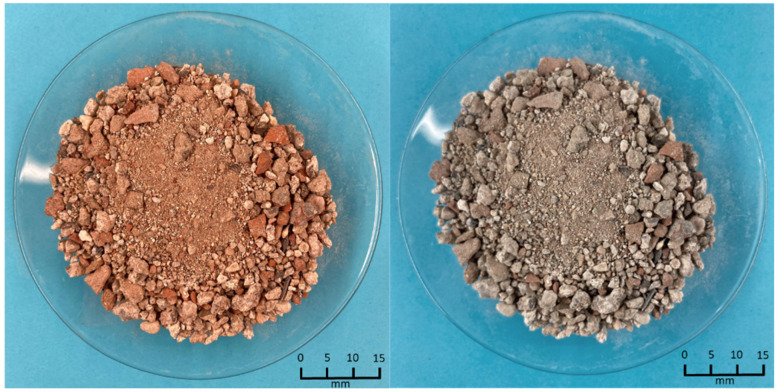 Figure 1
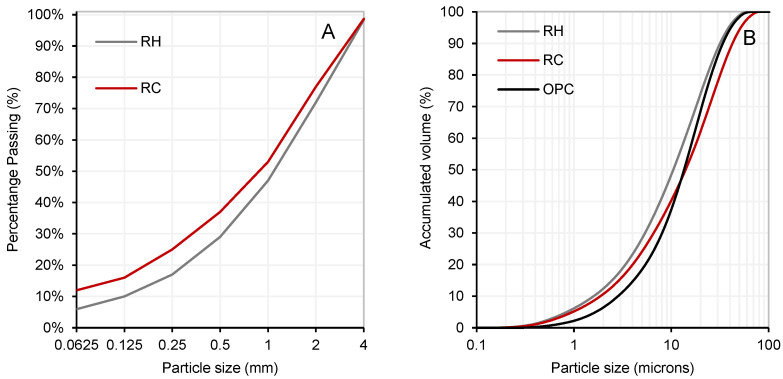 Figure 2
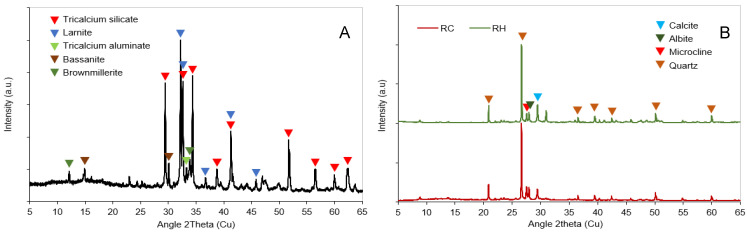 Figure 3
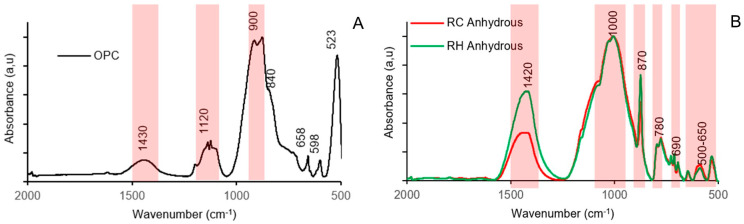 Figure 4
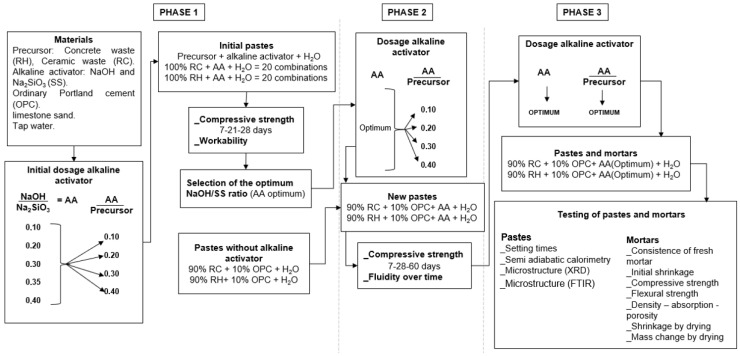 Figure 5
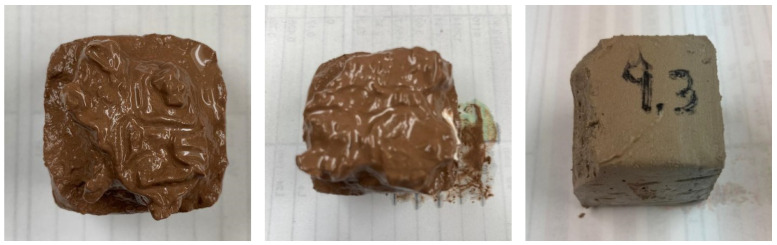 Figure 6
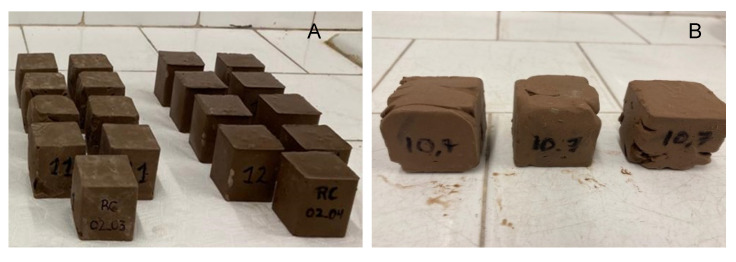 Figure 7
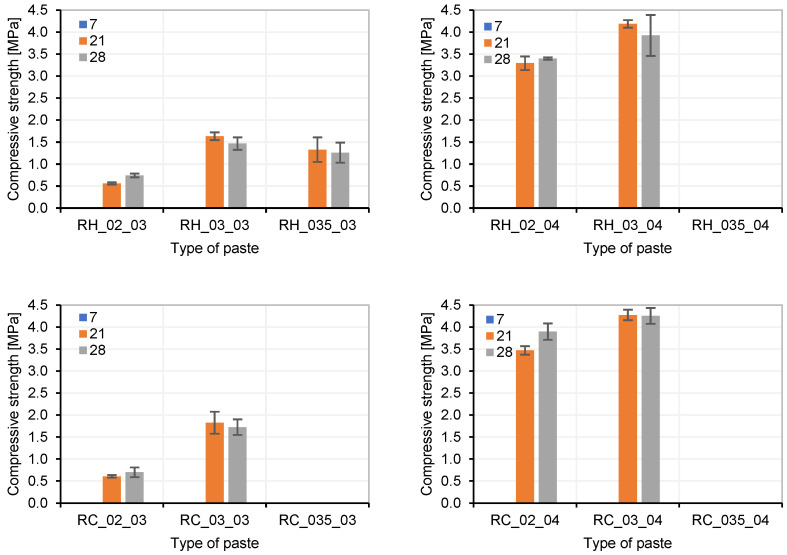 Figure 8
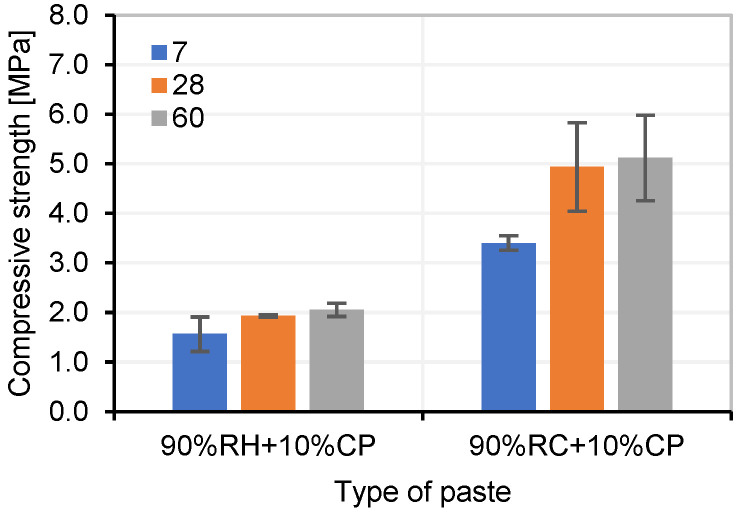 Figure 9
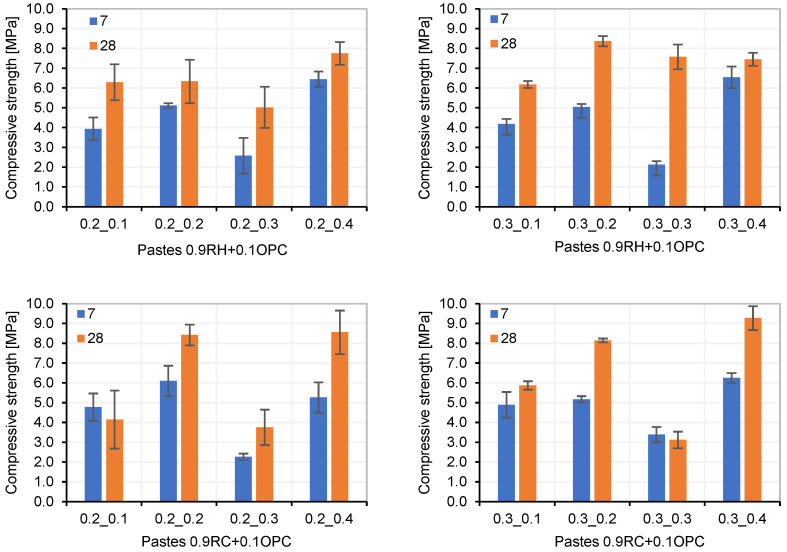 Figure 10
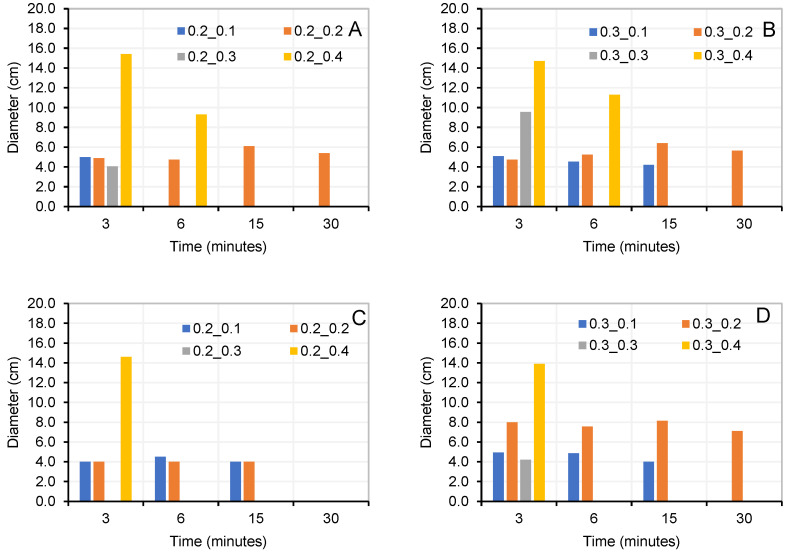 Figure 11
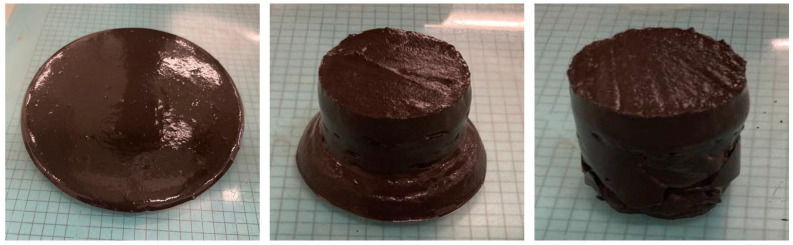 Figure 12
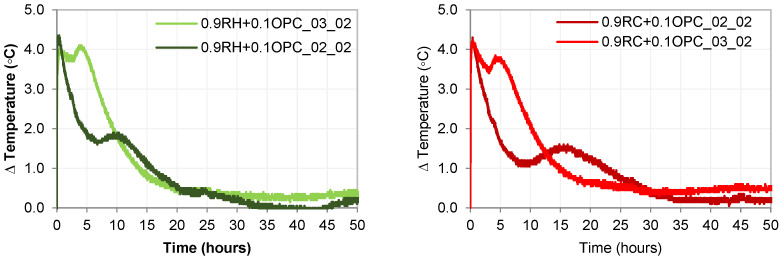 Figure 13
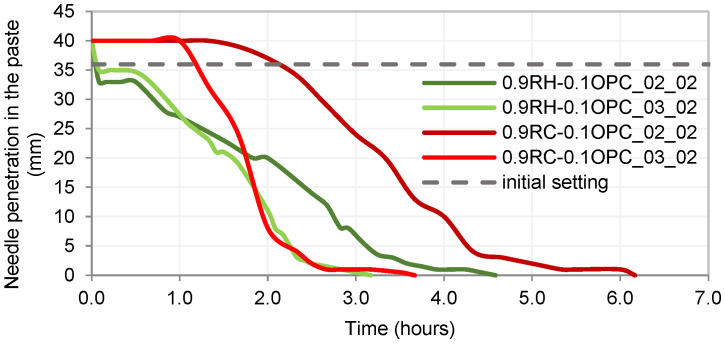 Figure 14
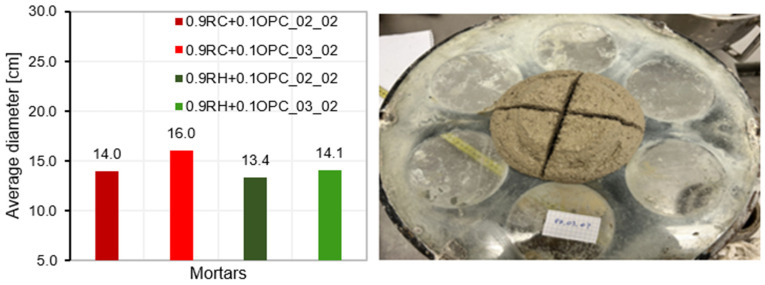 Figure 15
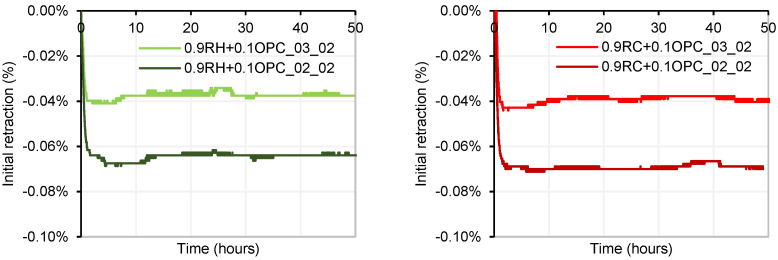 Figure 16
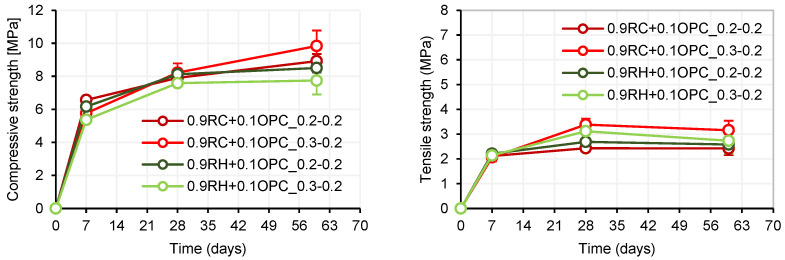 Figure 17
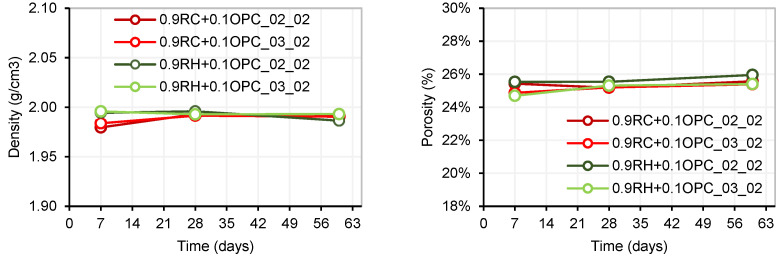 Figure 18
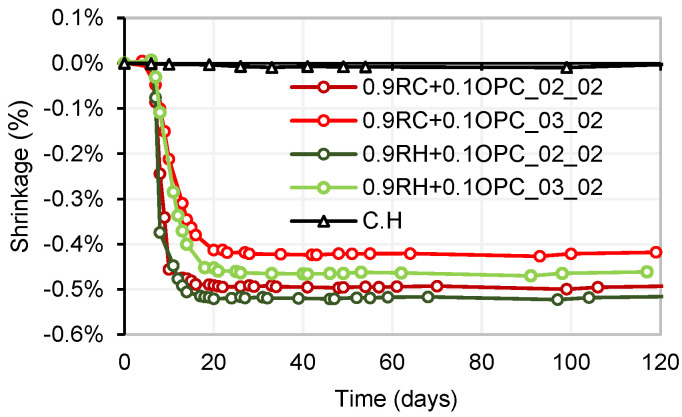 Figure 19
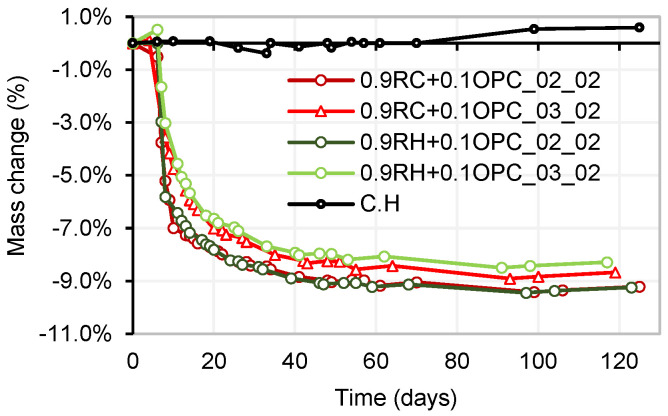 Figure 20
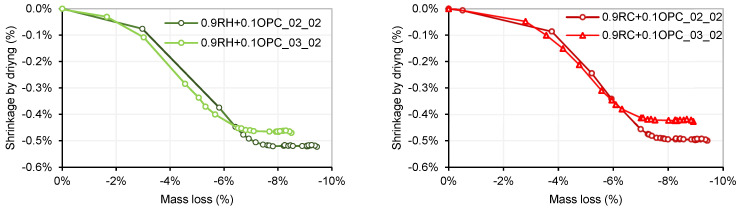 Figure 21
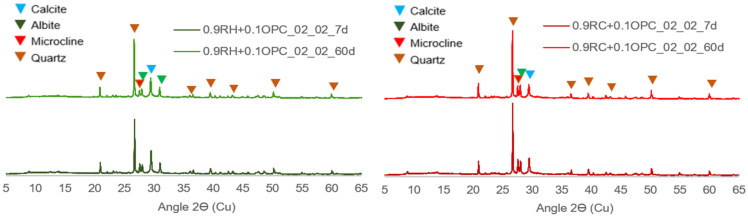 Figure 22
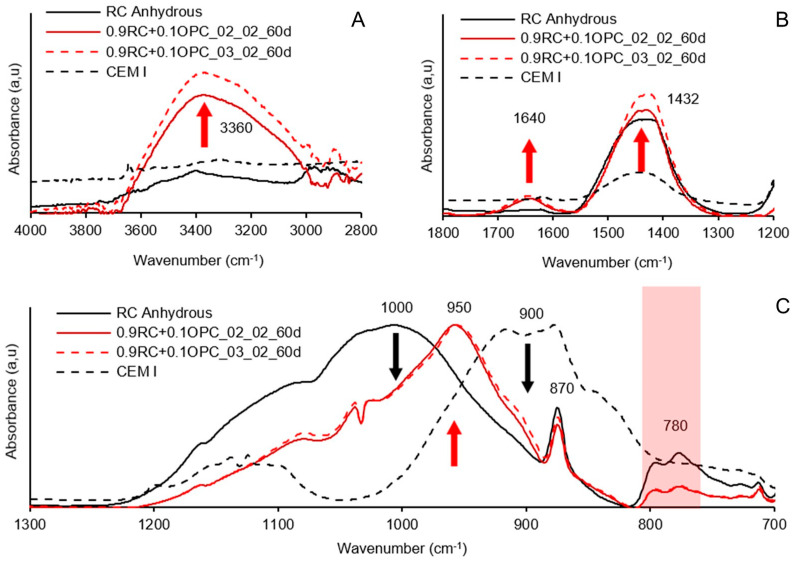 Figure 23
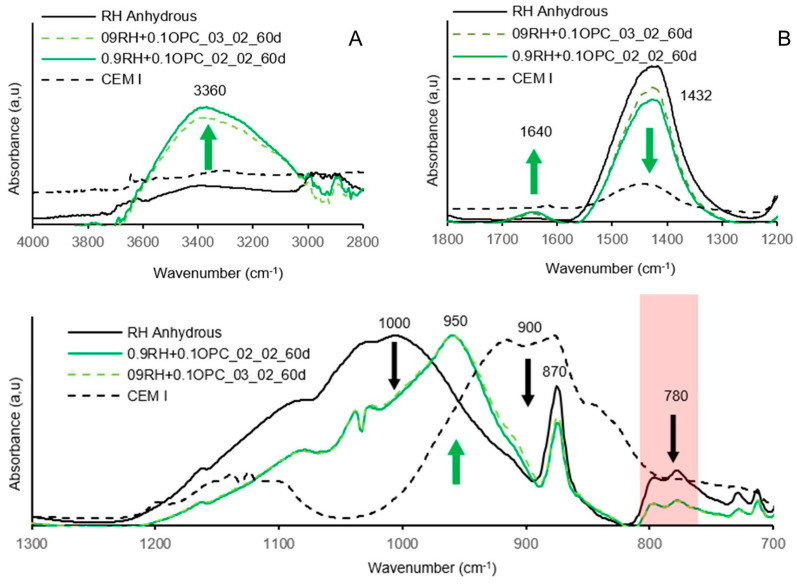 Figure 24
Peer Reviews
No public reviews on file for this paper yet. If you reviewed it on a platform where reviews are public (OpenReview, ICLR, NeurIPS, ICML), you can paste yours below so the community can read it here.
Videos
No videos yet. Explain this paper in a talk, walkthrough, or lecture? Add one.
Taxonomy
TopicsConcrete and Cement Materials Research · Recycled Aggregate Concrete Performance · Innovative concrete reinforcement materials