Unveiling the Diagnostic Significance of Calprotectin in Serous Ovarian Carcinoma
Alkis Matsas, Eleni Stamoula, Konstantinos Kontzoglou, Makarios Eleftheriades, Sophia Tsokkou, Panagiotis Christopoulos, Theodoros Panoskaltsis, Eleni Polydorou, Ioannis Sotiropoulos, Theodore Troupis, Dimitrios C. Iliopoulos

TL;DR
This study explores the potential of calprotectin as a new biomarker for early detection of serous ovarian carcinoma alongside existing markers like CA-125 and CA 15-3.
Contribution
The study evaluates calprotectin as a novel inflammatory biomarker for ovarian cancer detection and suggests its potential to improve diagnostic protocols.
Findings
Calprotectin levels were significantly elevated in ovarian cancer patients compared to healthy controls.
Calprotectin showed moderate sensitivity (60%) compared to CA-125 (90%) and CA 15-3 (50%).
Combining calprotectin with CA-125 improved diagnostic detection of ovarian cancer patients.
Abstract
Introduction: Ovarian cancer (OC) is one of the most common gynecologic malignancies and has the highest mortality rate among them. OC has a multifactorial pathogenesis and is characterized by silent onset, progression, and late-stage detection. Therefore, accurate and early detection is of great importance in order to improve survival rates. Emerging evidence reveals that tumor markers are valuable diagnostic and monitoring tools. In this study, we evaluated the aforementioned potential of three markers CA-125, CA 15-3, and serum Calprotectin. CA-125 is a protein that is found elevated in cases of ovarian, breast, and lung cancer. Cancer Antigen 15-3 (CA 15-3) is a protein detected in high levels in women with breast cancer and ovarian cancer and it is significantly elevated in patients with metastasis and recurrence of OC. Calprotectin is a protein released from activated neutrophils,…
Genes, proteins, chemicals, diseases, species, mutations and cell lines named across the full text — each resolved to its canonical identifier and authoritative record.
Click any figure to enlarge with its caption.
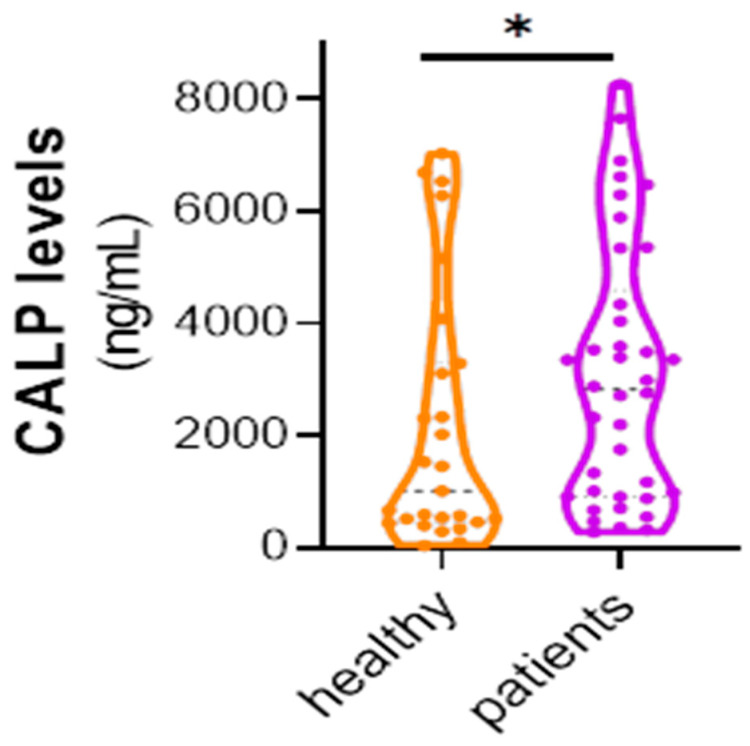 Figure 1
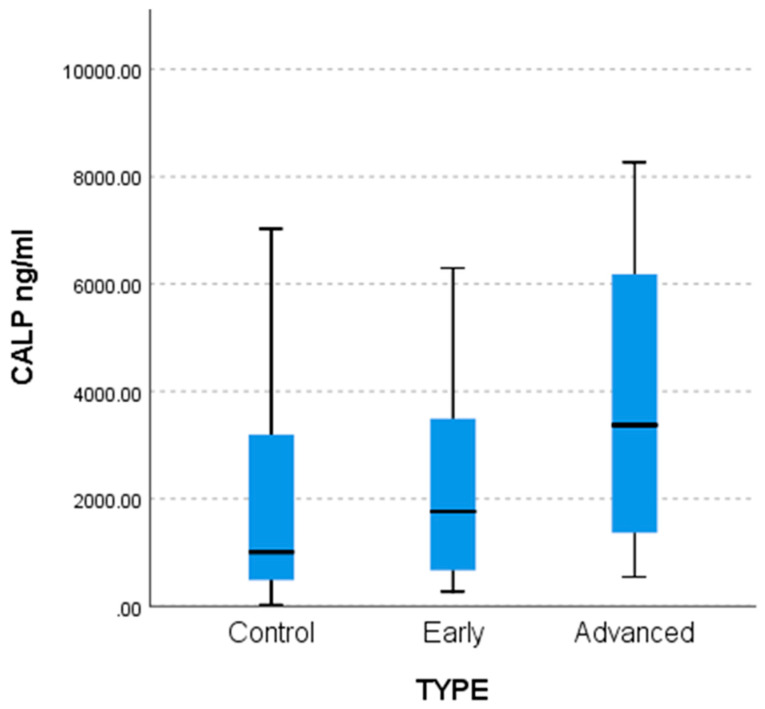 Figure 2
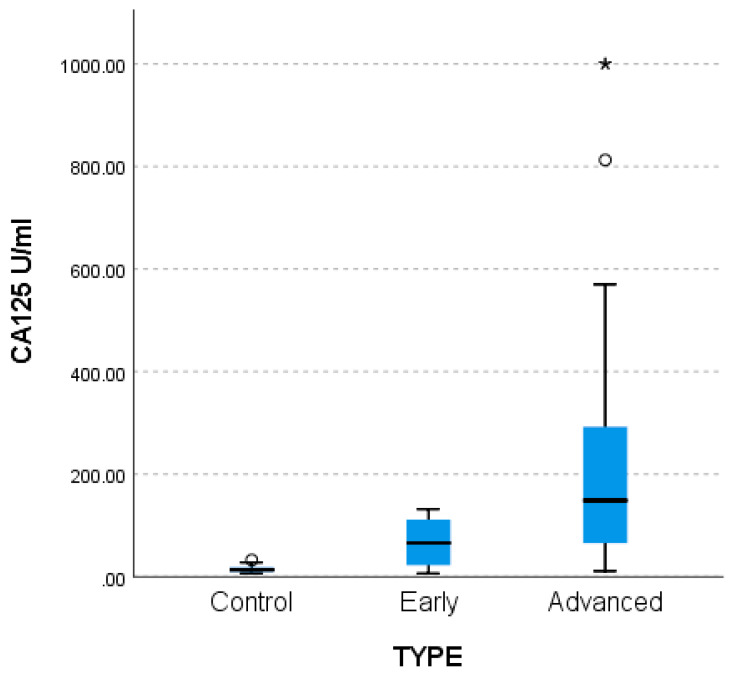 Figure 3
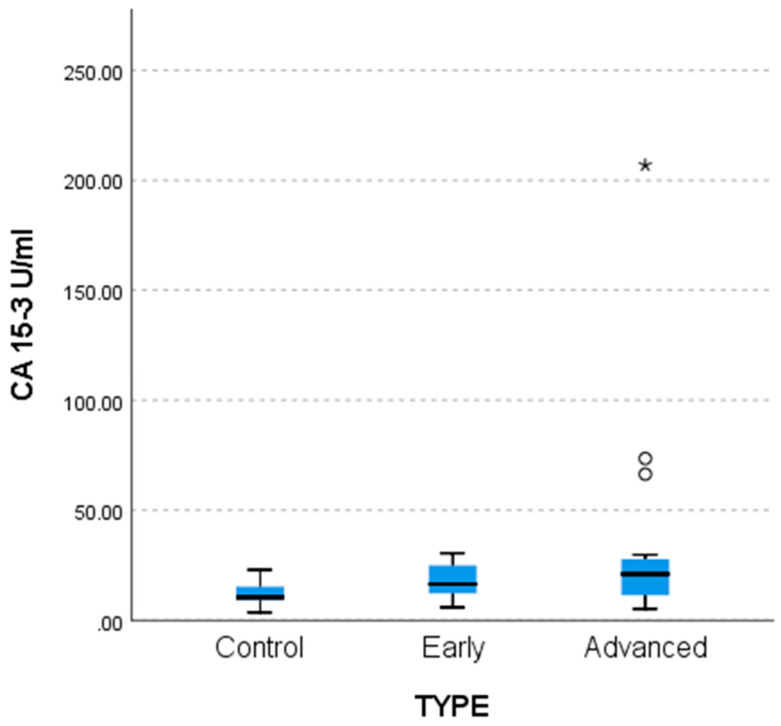 Figure 4
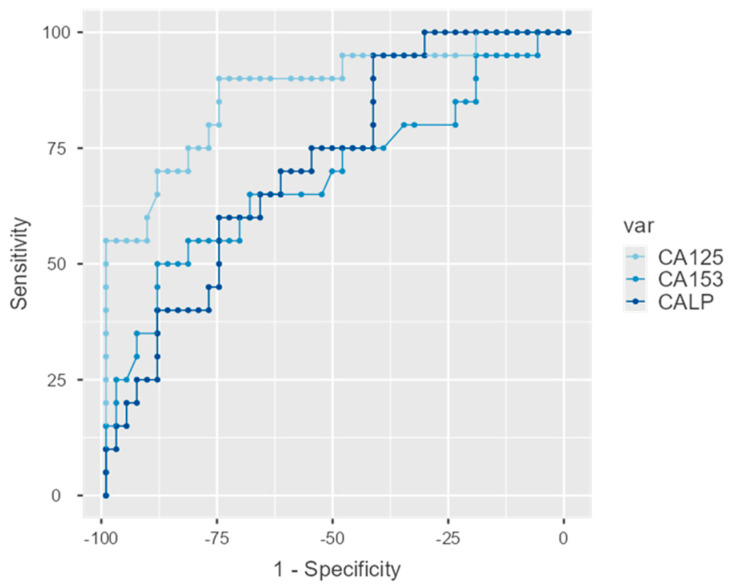 Figure 5
Peer Reviews
No public reviews on file for this paper yet. If you reviewed it on a platform where reviews are public (OpenReview, ICLR, NeurIPS, ICML), you can paste yours below so the community can read it here.
Videos
No videos yet. Explain this paper in a talk, walkthrough, or lecture? Add one.
Taxonomy
TopicsS100 Proteins and Annexins · Biomarkers in Disease Mechanisms · Clusterin in disease pathology