The Chemical Stability Characterization and Kinetics of Statins in Aqueous Cyclodextrin Ocular Preparations: A Formulation Perspective
Ismael Abo Horan, Thorsteinn Loftsson, Hakon Hrafn Sigurdsson

TL;DR
This study explores how cyclodextrins affect the stability of statins in eye drops, aiming to improve their effectiveness for treating eye diseases.
Contribution
The study provides new insights into how cyclodextrin type, concentration, and pH influence statin stability in ocular formulations.
Findings
The lactone form of statins is most stable at pH 4.5, while the hydroxyacid form dominates at pH ≥ 7.
γ-CD and HPβCD accelerate lactone hydrolysis, whereas RMβCD stabilizes statins.
Increasing cyclodextrin concentration from 5% to 10% offers minimal additional stabilization.
Abstract
Background: Topical statin therapy holds promise for ocular diseases, such as age-related macular degeneration, but the effective delivery to the posterior segment is limited by poor aqueous solubility, chemical instability, and ocular barriers. Cyclodextrins (CDs) can enhance statin solubility and stability; however, the behavior of CD–statin complexes in aqueous eye drops—particularly their influence on the equilibrium between the inactive lactone (ring closed) and active hydroxyacid forms (ring open)—remains unclear. This study aimed to (i) investigate how 5% and 10% (w/v) concentrations of selected CDs affect the lactone/acid equilibrium of simvastatin and atorvastatin and (ii) define formulation parameters (statin form, CD type and concentration, and pH range) for stable eye drop development. Methods: Simvastatin or atorvastatin was added to buffered solutions (pH 2.0 to pH 9.5) of…
Genes, proteins, chemicals, diseases, species, mutations and cell lines named across the full text — each resolved to its canonical identifier and authoritative record.
Click any figure to enlarge with its caption.
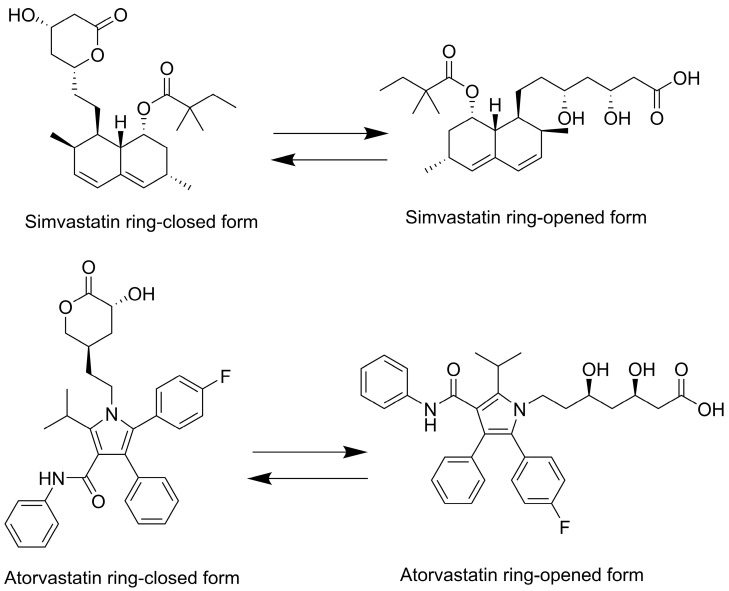 Figure 1
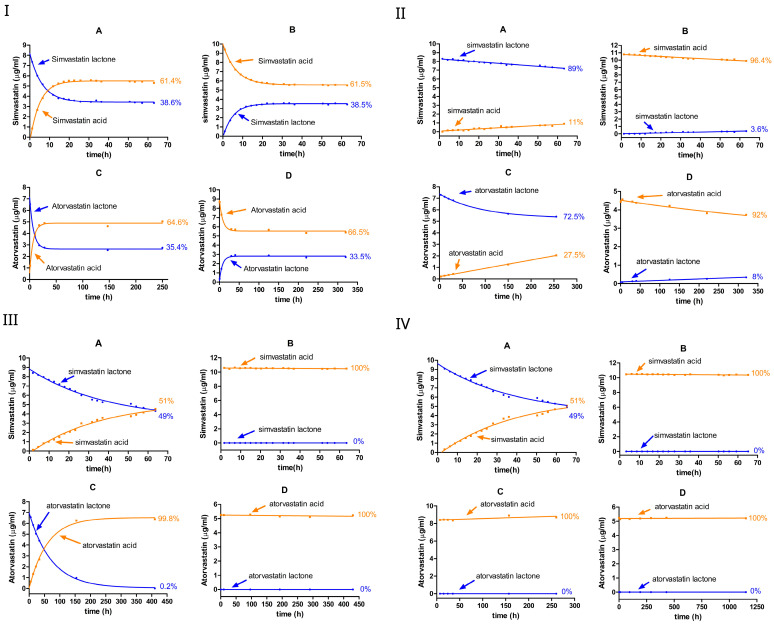 Figure 2
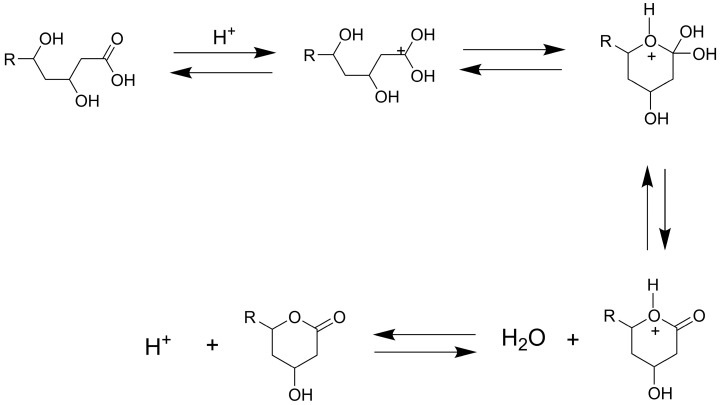 Figure 3
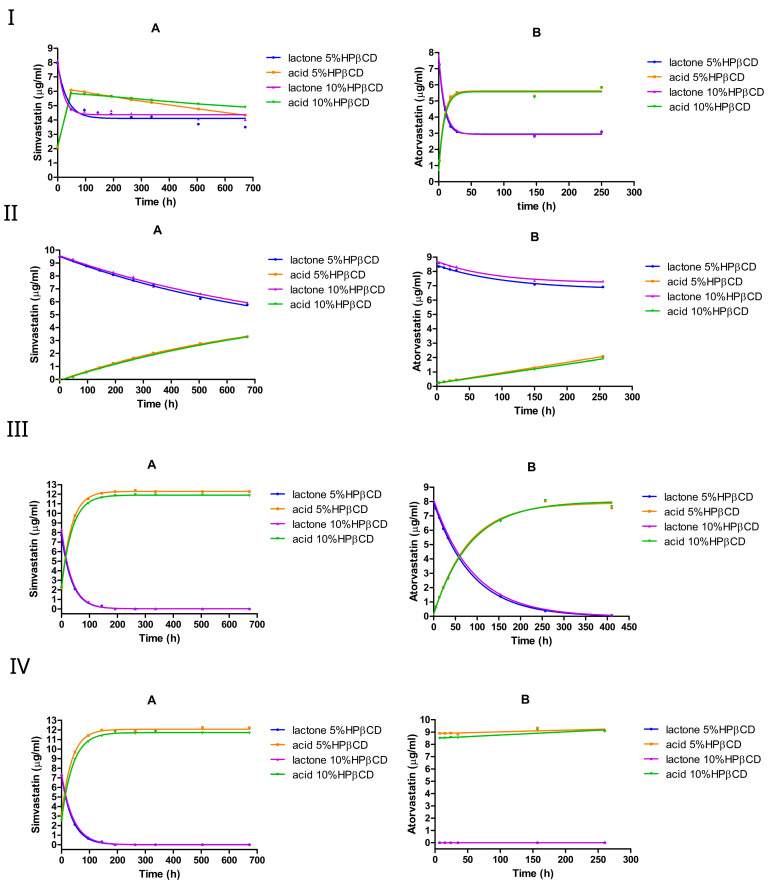 Figure 4
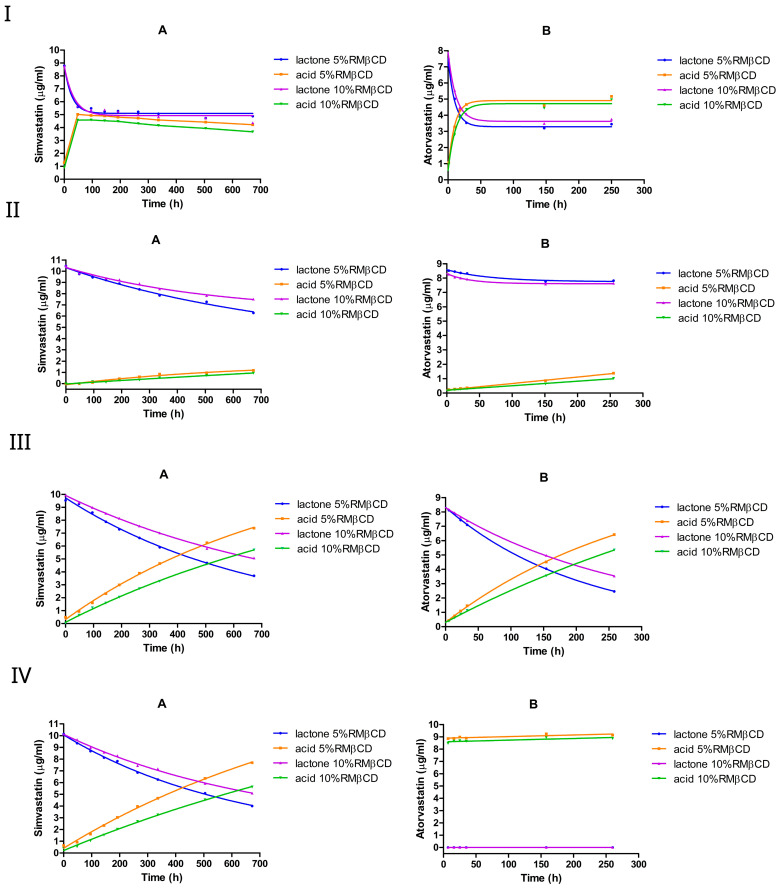 Figure 5
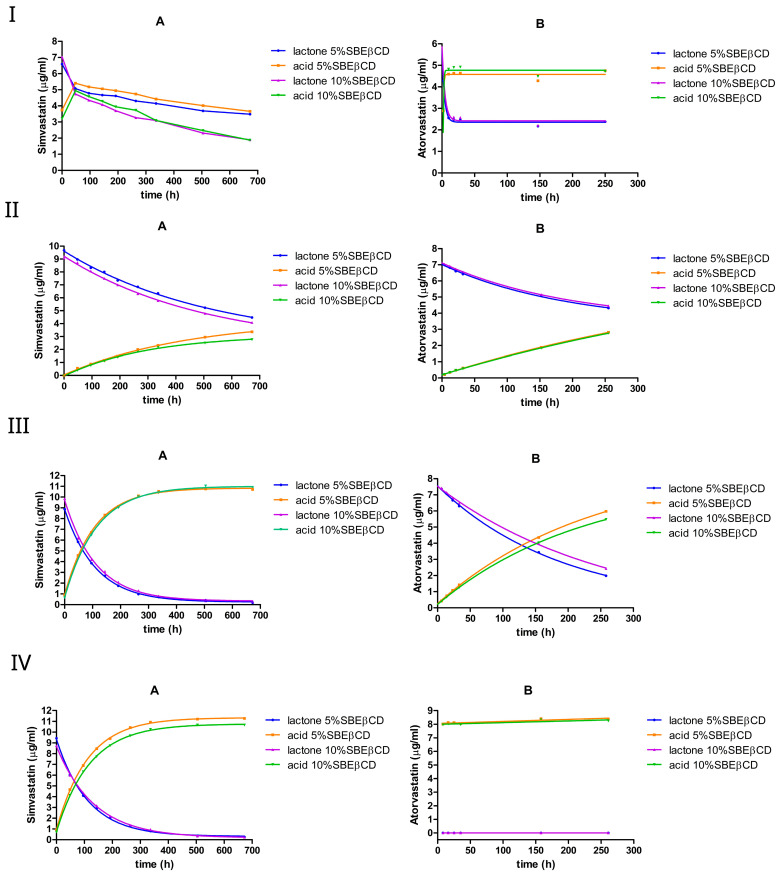 Figure 6
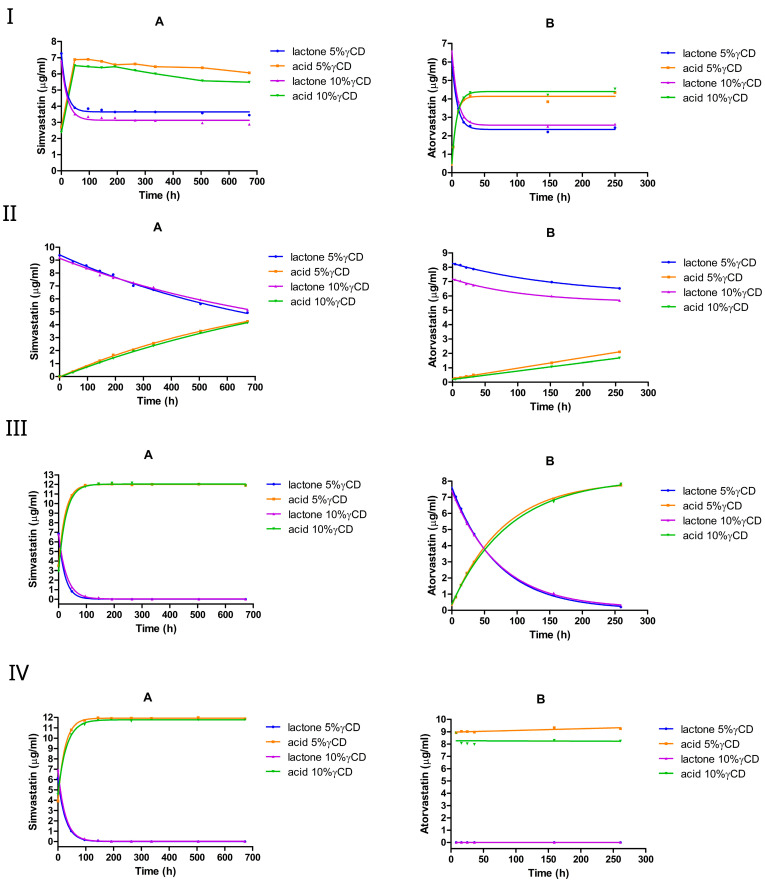 Figure 7
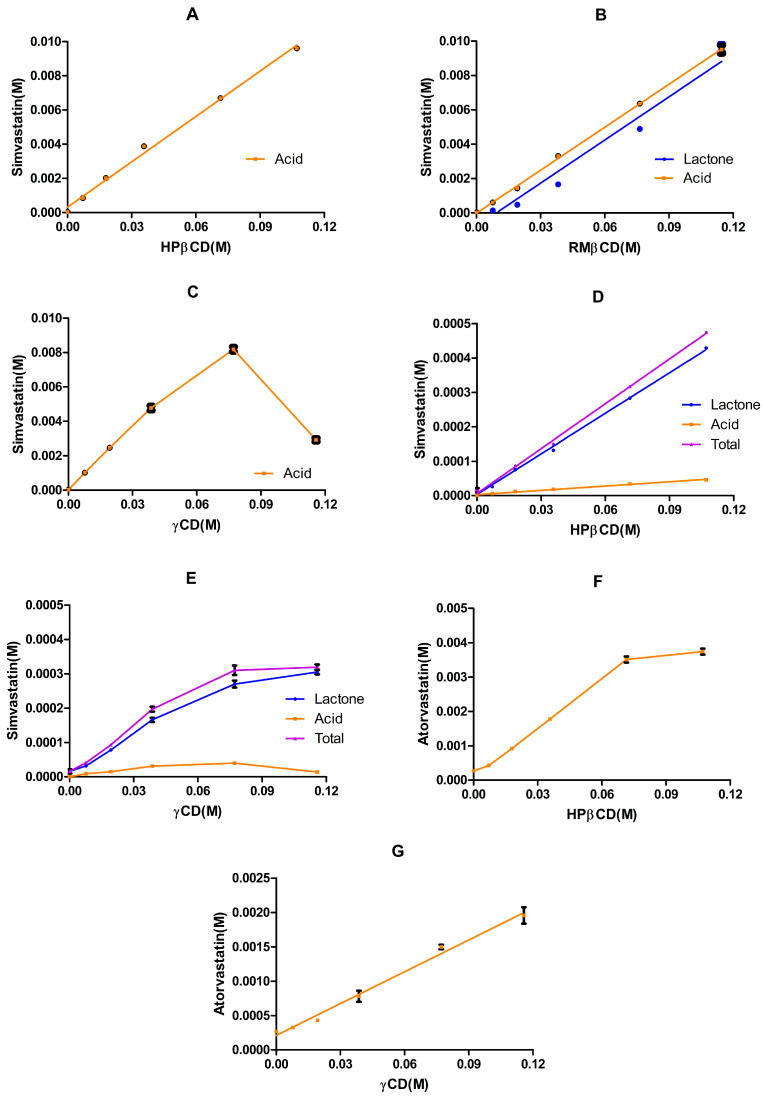 Figure 8
Peer Reviews
No public reviews on file for this paper yet. If you reviewed it on a platform where reviews are public (OpenReview, ICLR, NeurIPS, ICML), you can paste yours below so the community can read it here.
Videos
No videos yet. Explain this paper in a talk, walkthrough, or lecture? Add one.
Taxonomy
TopicsProtein Interaction Studies and Fluorescence Analysis · Pharmacological Effects of Natural Compounds · Computational Drug Discovery Methods