pH Gradient-Driven Loading of Doxorubicin into Niosomes: A Comparative Study Using Bromocresol Green as a Visual Indicator
Mohammed Altaee, Ahmed Mostafa Faheem, Amal Ali Elkordy

TL;DR
This study explores how to effectively load doxorubicin into niosomes using pH gradients, with a new visual method involving bromocresol green.
Contribution
The novel use of bromocresol green as a visual indicator to study pH gradient-driven drug loading into niosomes.
Findings
Niosomes with Solutol HS-15 showed significantly higher entrapment efficiency of bromocresol green compared to other co-surfactants.
The use of HEPES buffer improved bromocresol green entrapment efficiency and resulted in larger niosome sizes.
Solutol HS-15 enabled successful doxorubicin entrapment with 68.28% efficiency using ammonium sulfate as the inner buffer.
Abstract
Background: The active (remote) loading of drugs into nanoparticulate systems via the pH gradient technique has been proven highly successful in liposomes, as numerous formulations have reached the market. However, this is not the case for niosomes, as the full potential of this area remains largely undiscovered. The purpose of this research is to study the effect of different co-surfactants (Cremophor RH 40, Cremophor ELP and Solutol HS-15) on stabilising the niosomal membrane to enable the creation of a pH gradient. Methods: For visualisation of pH gradients, pH indicator bromocresol green (BCG) was used as a novel encapsulated model molecule to visually investigate the ability of niosomes to entrap drugs through active loading. Thereafter, the optimised BCG niosomal formulation was applied to encapsulate a therapeutic drug molecule, doxorubicin, via pH gradient active loading.…
Genes, proteins, chemicals, diseases, species, mutations and cell lines named across the full text — each resolved to its canonical identifier and authoritative record.
Click any figure to enlarge with its caption.
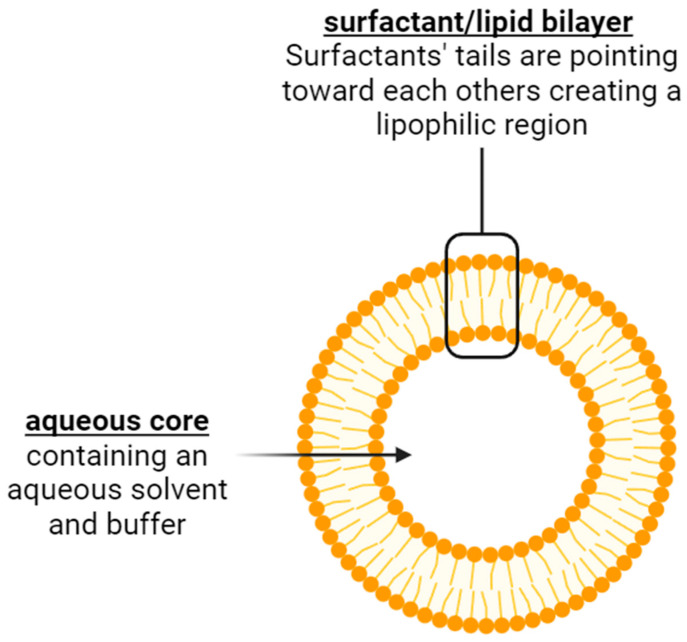 Figure 1
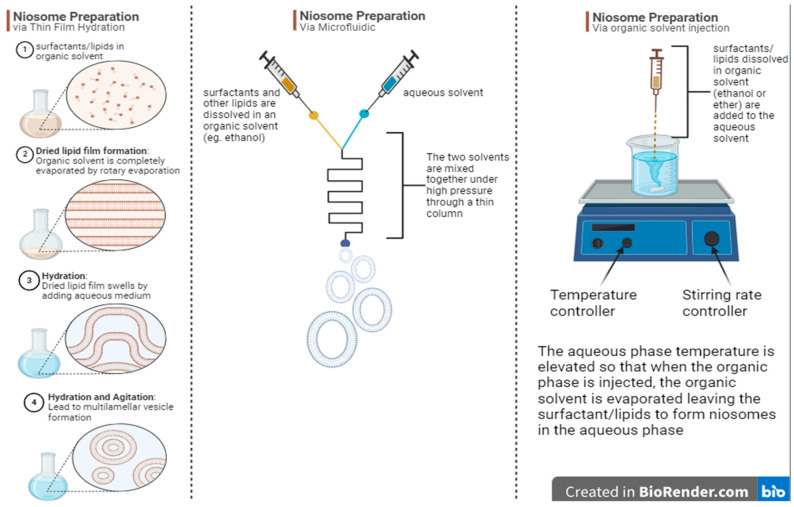 Figure 2
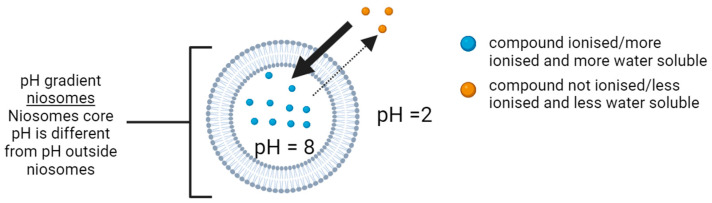 Figure 3
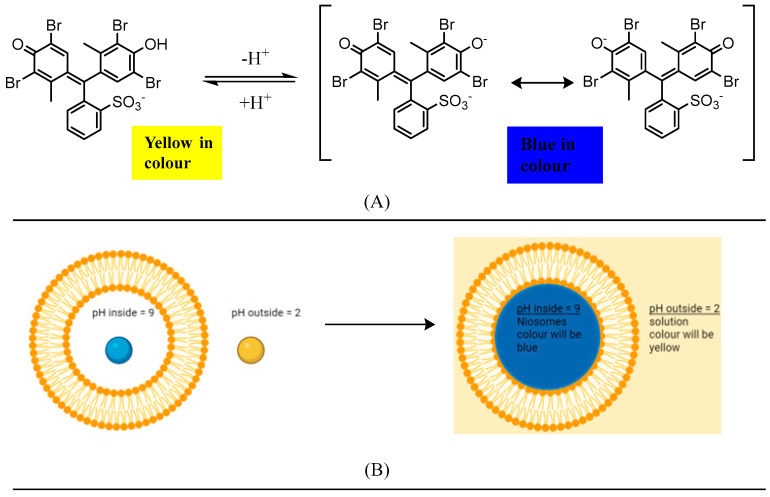 Figure 4
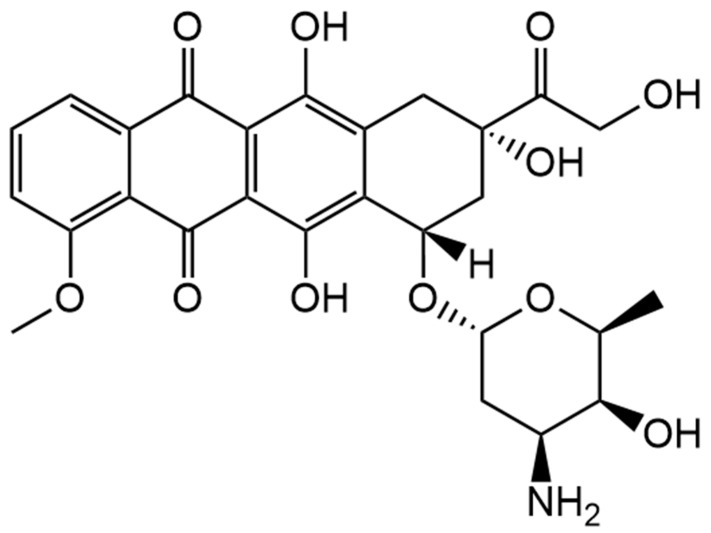 Figure 5
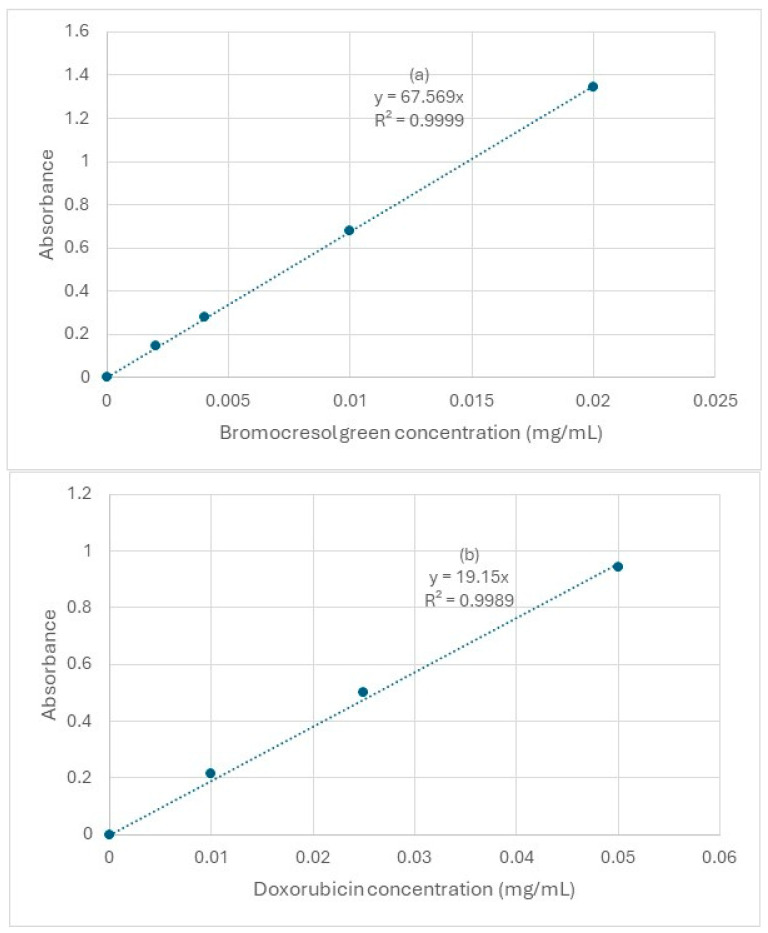 Figure 6
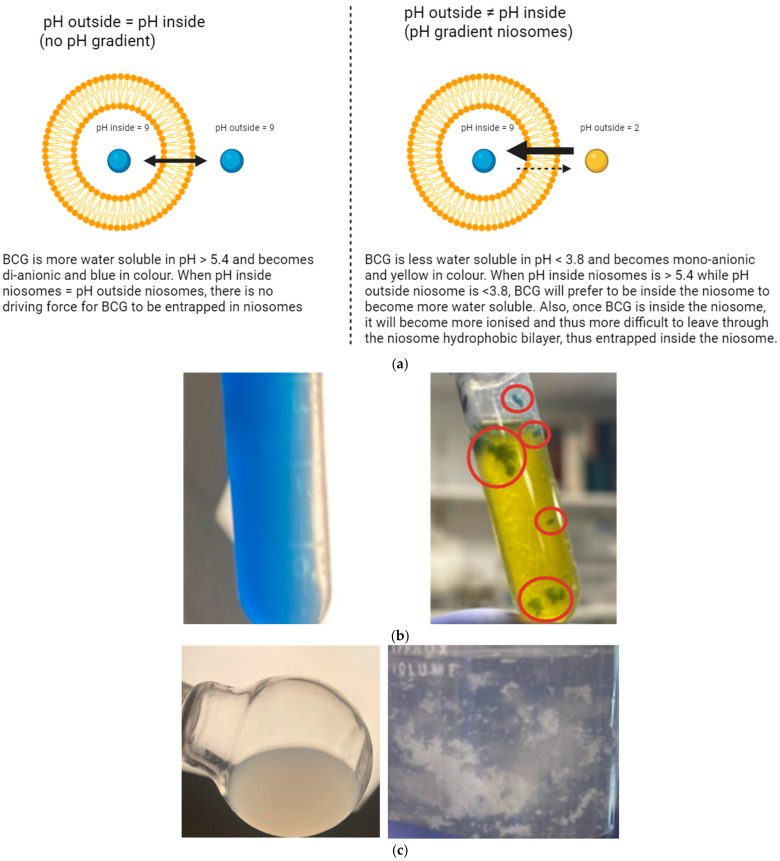 Figure 7
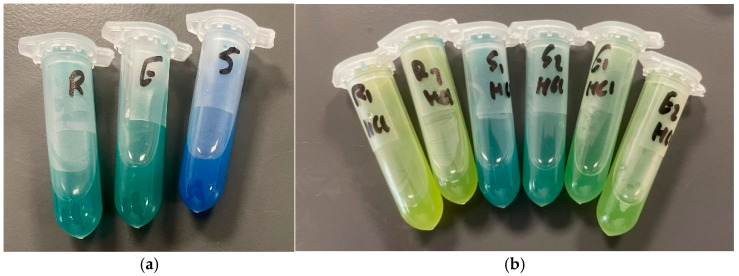 Figure 8
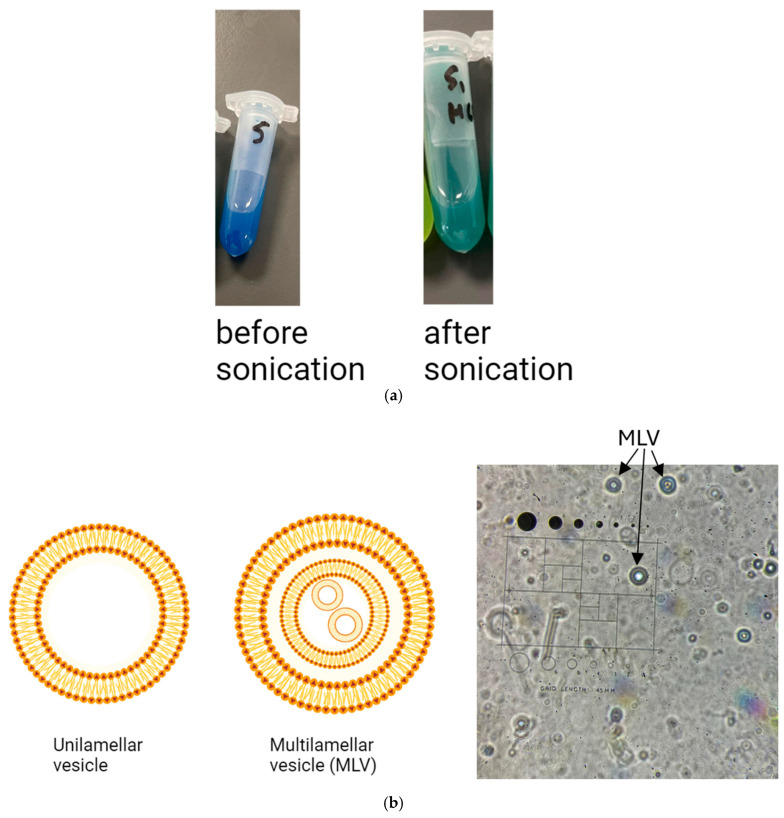 Figure 9
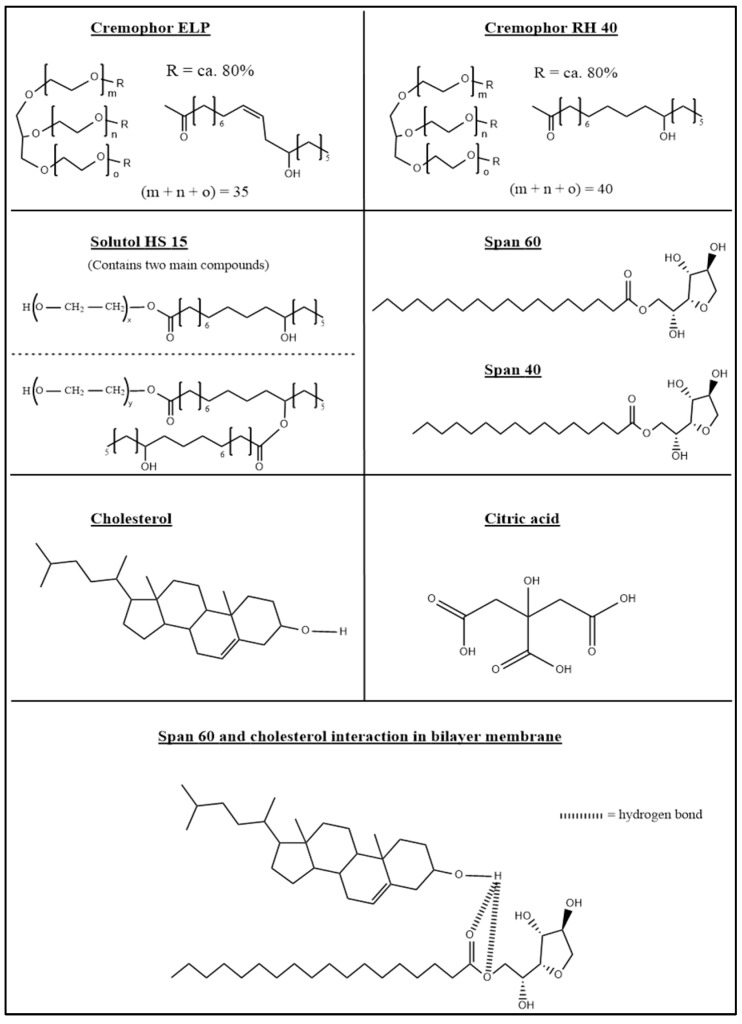 Figure 10
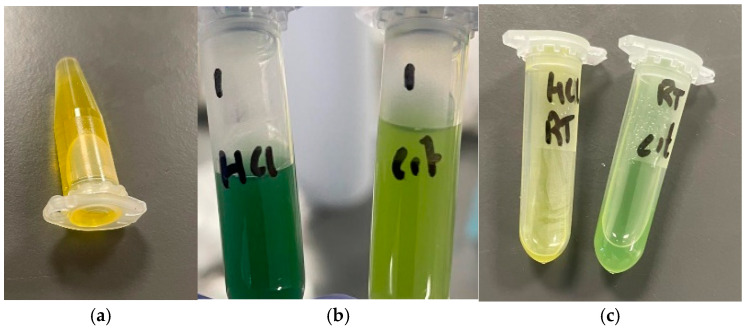 Figure 11
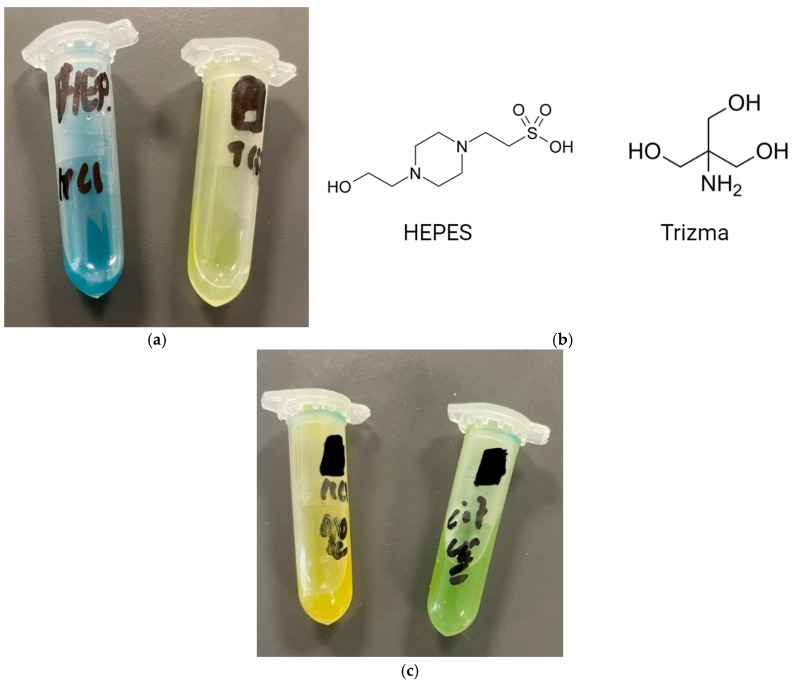 Figure 12
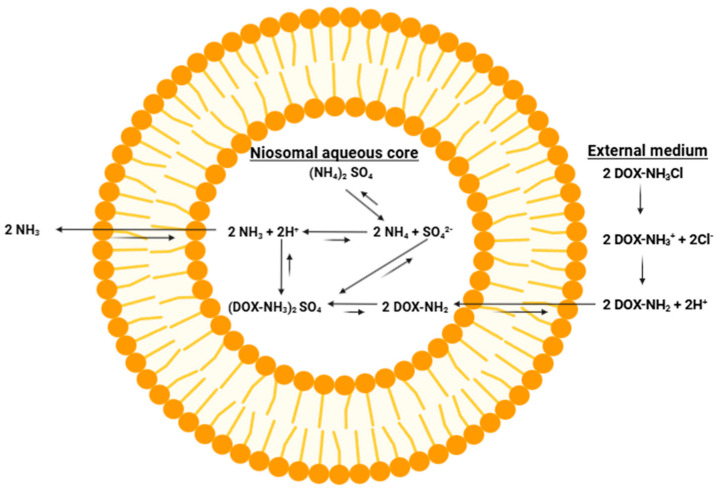 Figure 13
Peer Reviews
No public reviews on file for this paper yet. If you reviewed it on a platform where reviews are public (OpenReview, ICLR, NeurIPS, ICML), you can paste yours below so the community can read it here.
Videos
No videos yet. Explain this paper in a talk, walkthrough, or lecture? Add one.
Taxonomy
TopicsAdvancements in Transdermal Drug Delivery · Nanoparticle-Based Drug Delivery · Advanced Drug Delivery Systems