Assessment of SiO2 Nanotube Activity to Modify DL α-Tocopherol via 1O2 Generation Under Visible Light Irradiation
Mihai Anastasescu, Radu Socoteanu, Veronica Bratan, Silviu Preda, Crina Anastasescu, Ioana Cătălina Gîfu, Cristina Lavinia Nistor, Rica Boscencu, Emilian Chifor, Catalin Negrila, Ion Bordeianu, Maria Zaharescu, Ioan Balint

TL;DR
This study explores how SiO2 nanotubes and modified versions can generate singlet oxygen under visible light, which could be useful in biomedical applications.
Contribution
The novelty lies in modifying SiO2 nanotubes with metallated porphyrin to enhance visible light-driven singlet oxygen generation.
Findings
SiO2 nanotubes have a tubular morphology and high density of optically active defects.
Porphyrin modification enhances light absorption and singlet oxygen generation.
Singlet oxygen reactivity was evaluated using spectrofluorimetric analysis with DL α-Tocopherol.
Abstract
This work investigates photoactive inorganic powders (SiO2, IrSiO2, and IrO2/IrSiO2) and their derivatives modified with metallated porphyrin, focusing on their ability to generate reactive oxygen species (ROS) under visible light exposure. The core material, SiO2, exhibits a tubular morphology and a high density of optically active defects. Modifiers such as metallic and iridium oxide nanoparticles, along with porphyrin, are employed to enhance light absorption and the generation of singlet oxygen (1O2) for potential biomedical applications. The time-dependent photogeneration of singlet oxygen is monitored using a Singlet Oxygen Green Sensor (SOSG), and its reactivity is evaluated in relation to DL α-Tocopherol through a spectrofluorimetric analysis. The photoactive materials, both before and after porphyrin modification, are characterized using Scanning Electron Microscopy (SEM),…
Genes, proteins, chemicals, diseases, species, mutations and cell lines named across the full text — each resolved to its canonical identifier and authoritative record.
Click any figure to enlarge with its caption.
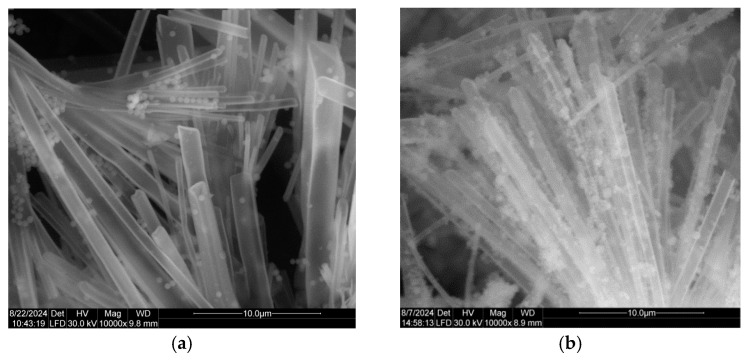 Figure 1
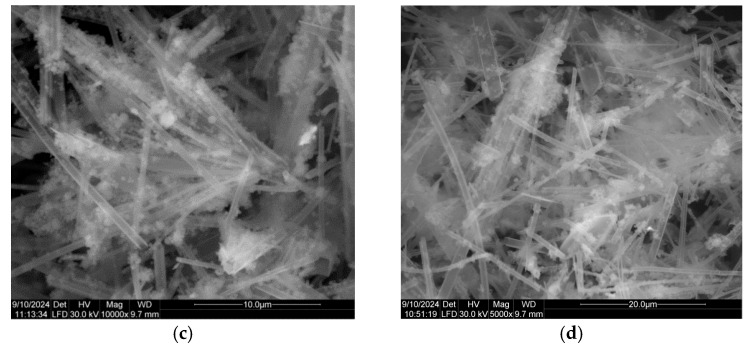 Figure 2
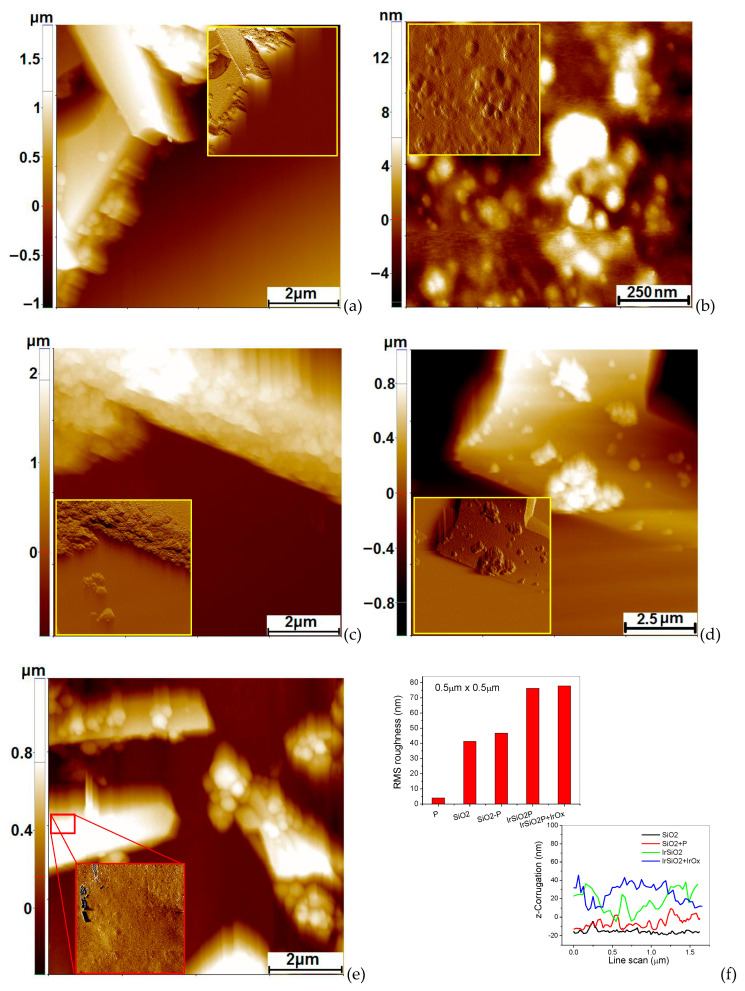 Figure 3
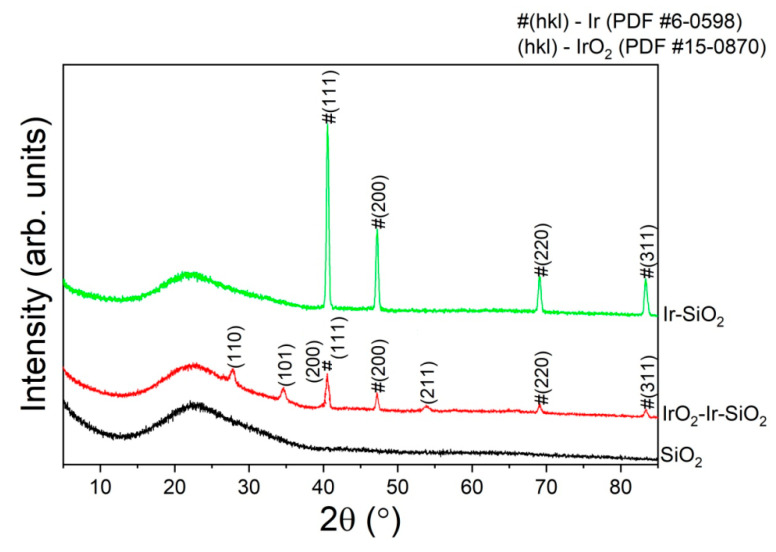 Figure 4
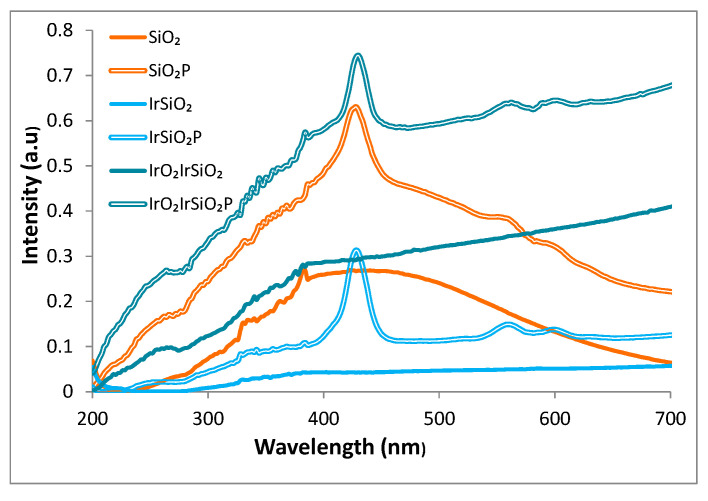 Figure 5
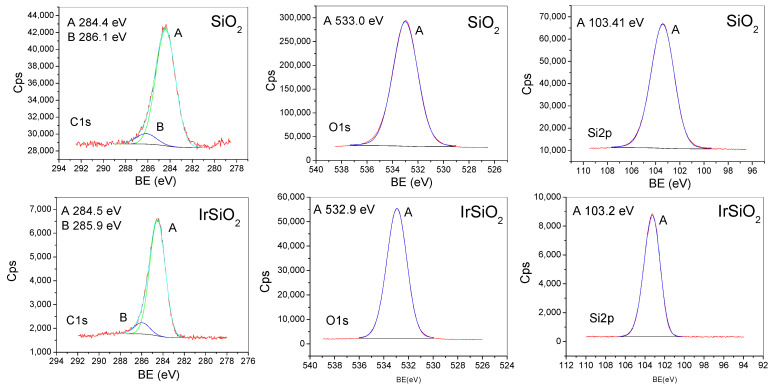 Figure 6
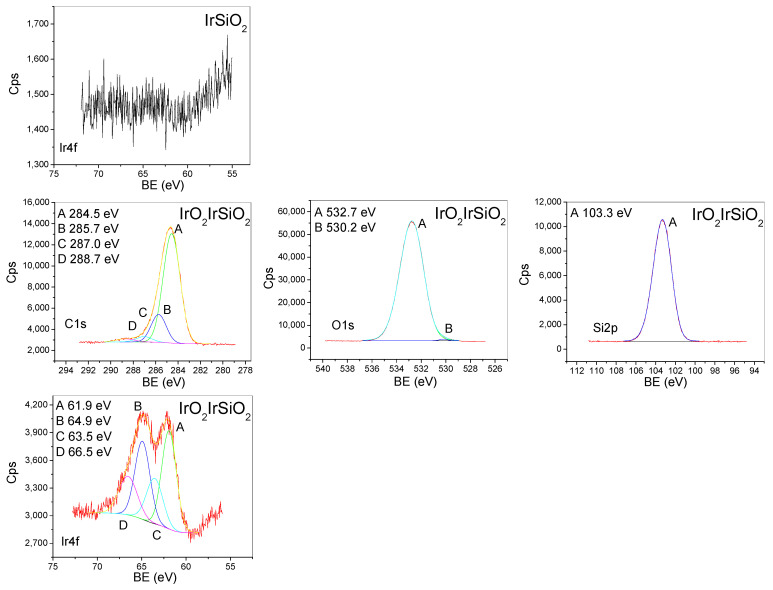 Figure 7
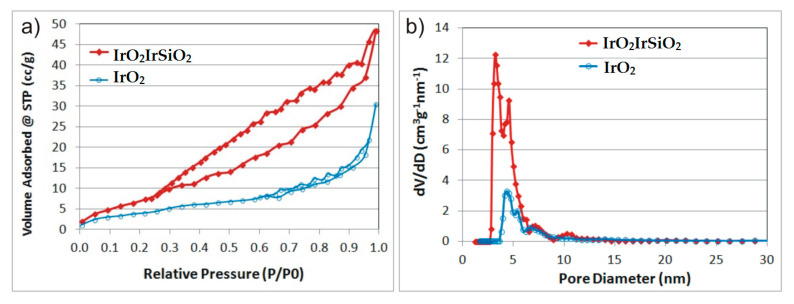 Figure 8
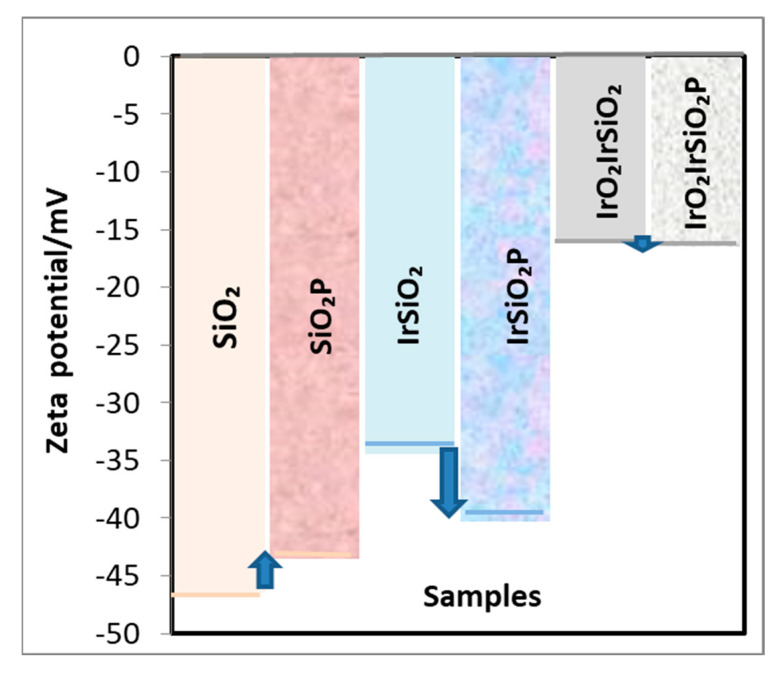 Figure 9
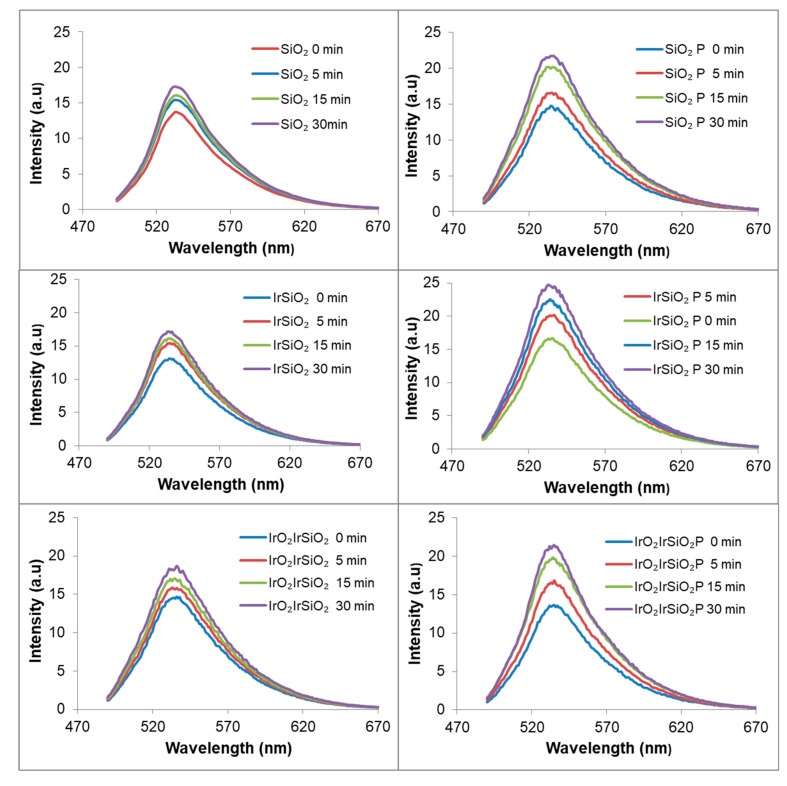 Figure 10
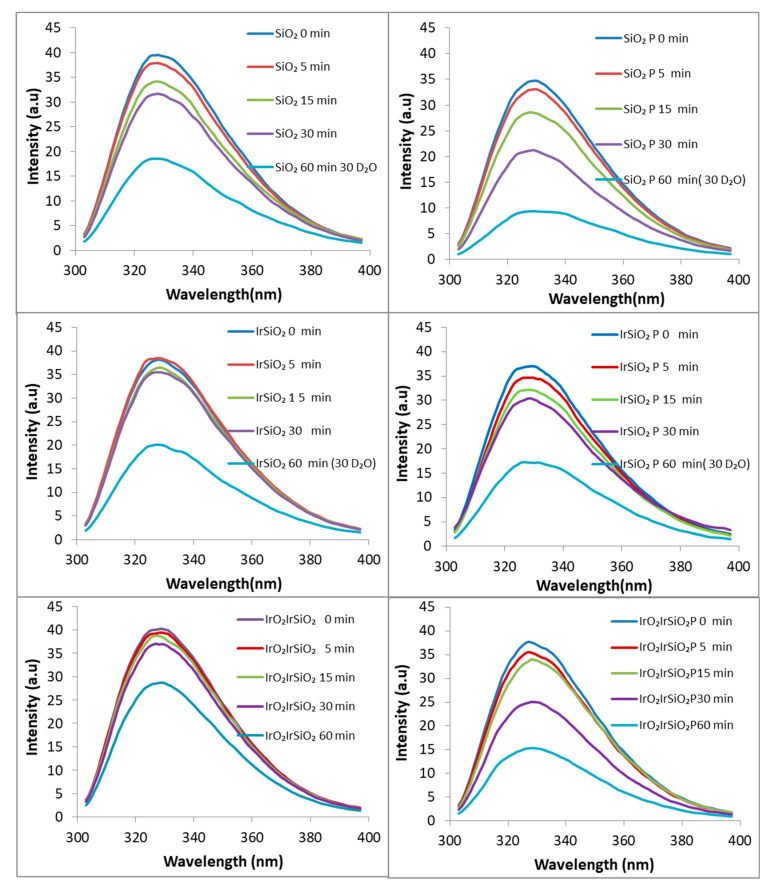 Figure 11
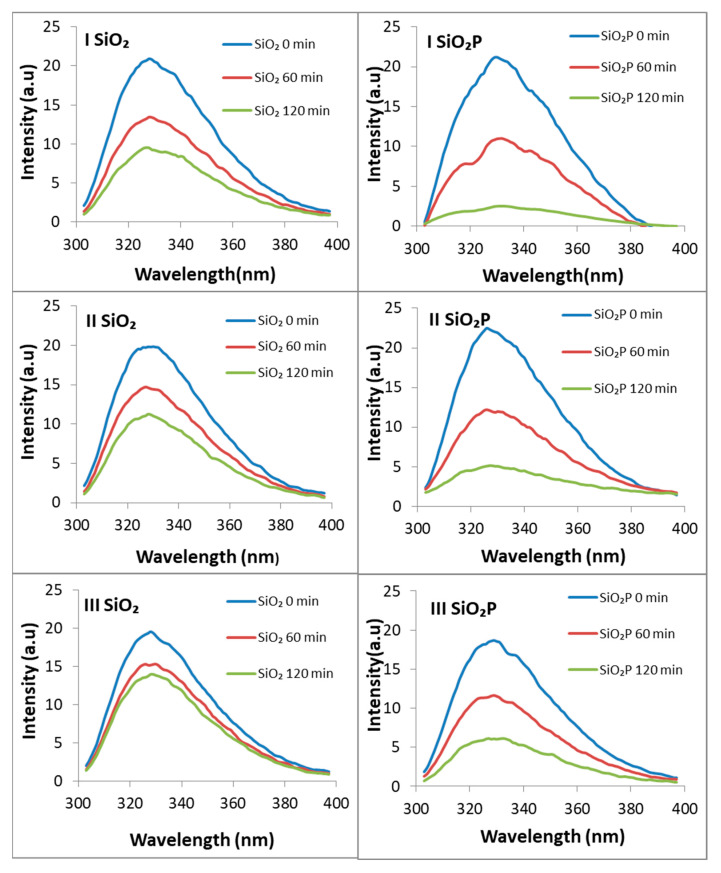 Figure 12
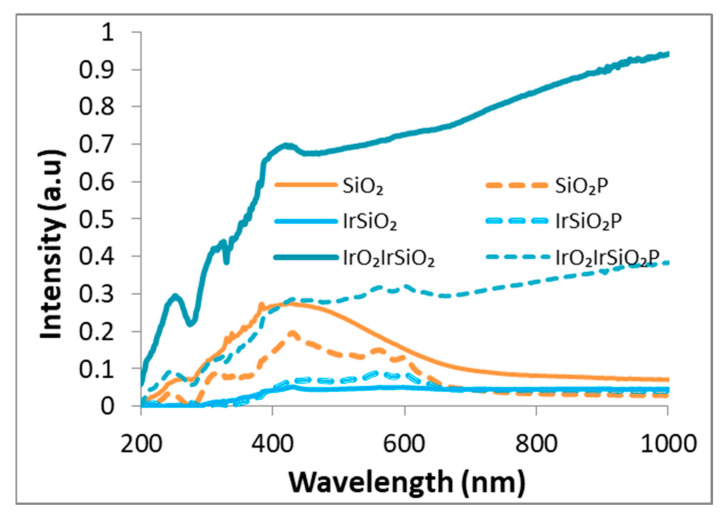 Figure 13
Peer Reviews
No public reviews on file for this paper yet. If you reviewed it on a platform where reviews are public (OpenReview, ICLR, NeurIPS, ICML), you can paste yours below so the community can read it here.
Videos
No videos yet. Explain this paper in a talk, walkthrough, or lecture? Add one.
Taxonomy
TopicsElectrochemical sensors and biosensors · Analytical Chemistry and Sensors · Advanced Nanomaterials in Catalysis