Trends of Antibiotic Resistance Patterns and Bacteriological Profiles of Pathogens Associated with Genitourinary Infections in Secondary Healthcare Facilities in the Volta Region of Ghana
Hayford Odoi, Naodiah Opoku, Brigham Adusei, Kenneth Danquah, Gilbert Vordzogbe, Divine Mayer, Araba Hutton-Nyameaye, Jonathan Jato, Samuel O. Somuah, Emmanuel Orman, Inemesit O. Ben, Thelma A. Aku, Rita Sewornu, Preet Panesar, Yogini H. Jani, Cornelius C. Dodoo

TL;DR
This study examines antibiotic resistance in bacteria causing genitourinary infections in Ghana, revealing high resistance rates to common antibiotics.
Contribution
The study provides new insights into the prevalence of multidrug-resistant pathogens in genitourinary infections in the Volta Region of Ghana.
Findings
Escherichia coli was the most prevalent urogenital pathogen, followed by Staphylococcus aureus and Klebsiella oxytoca.
High resistance rates were observed for amoxicillin/clavulanic acid, meropenem, and cefuroxime among the isolates.
Multidrug-resistant, extensively drug-resistant, and pandrug-resistant strains were identified, indicating a public health concern.
Abstract
Urogenital infections contribute greatly to both hospital- and community-acquired infections. In Ghana, the prevalence of resistance to commonly used antibiotics is relatively high. This study sought to evaluate the antibiotic sensitivity of bacterial urogenital pathogens from patient samples in a regional and district hospital in the Volta Region of Ghana. A retrospective cross-sectional study was conducted using data obtained between January and December 2023 from Volta Regional Hospital and Margret Marquart Catholic Hospital. Bacteria were isolated from urine, urethral swabs, and vaginal swabs from 204 patients. Data on culture and sensitivity assays performed using the Kirby–Bauer disc diffusion method were extracted and analyzed using WHONET. The most prevalent organisms isolated from the samples from both facilities were Escherichia coli (24.9%), Staphylococcus aureus (21.5%), and…
Genes, proteins, chemicals, diseases, species, mutations and cell lines named across the full text — each resolved to its canonical identifier and authoritative record.
Click any figure to enlarge with its caption.
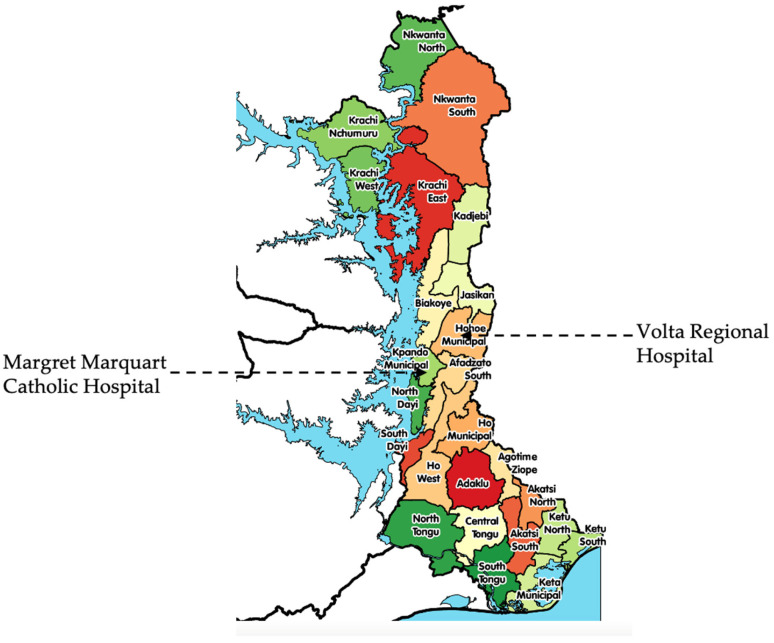 Figure 1
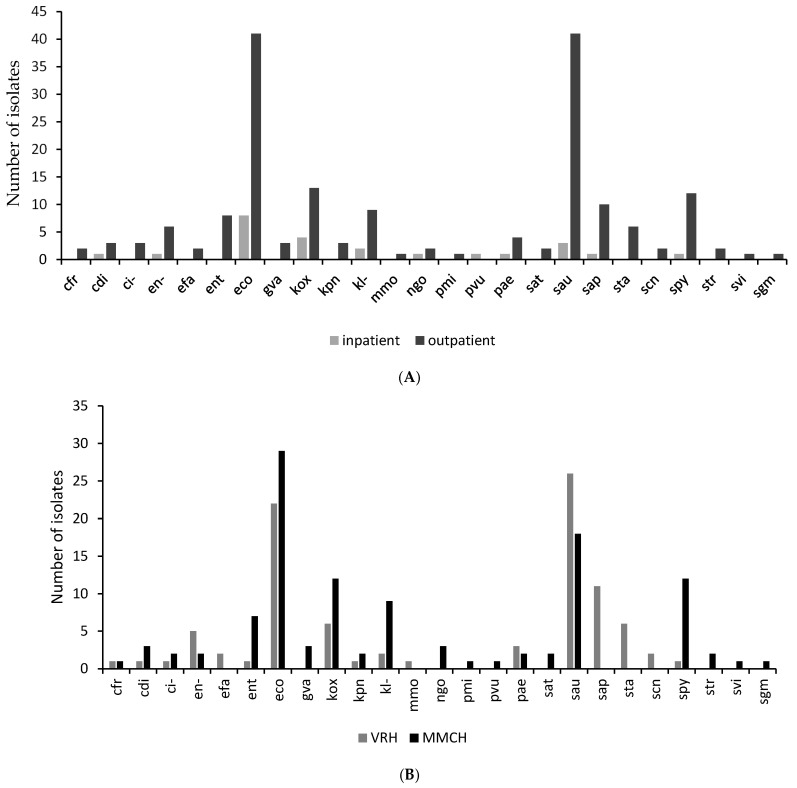 Figure 2
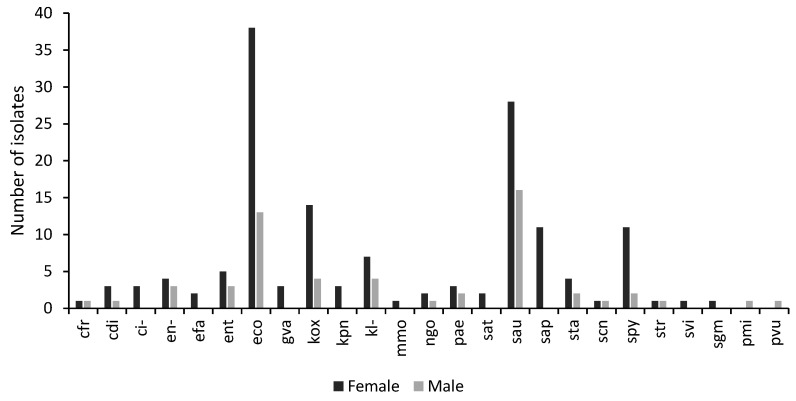 Figure 3
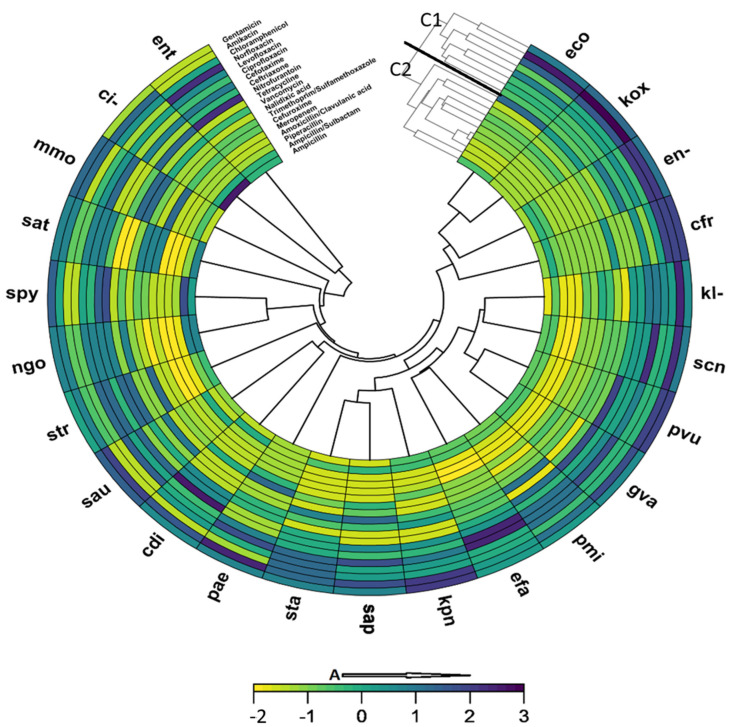 Figure 4
Peer Reviews
No public reviews on file for this paper yet. If you reviewed it on a platform where reviews are public (OpenReview, ICLR, NeurIPS, ICML), you can paste yours below so the community can read it here.
Videos
No videos yet. Explain this paper in a talk, walkthrough, or lecture? Add one.
Taxonomy
TopicsUrinary Tract Infections Management · Bacterial Identification and Susceptibility Testing · Antibiotic Resistance in Bacteria