Assessment of Metabolic Alterations Induced by Halogenated Additives and Antifungal Activity of Extracts from the Endophytic Fungus Fusarium sp. Associated with Dizygostemon riparius (Plantaginaceae)
Hilzimar de Jesus Freitas Sá, Anne Karoline Maiorana Santos, Adriano Souza Fonseca, Lourivaldo da Silva Santos, Josivan Regis Farias, Rosane Nassar Meireles Guerra, Edson Rodrigues-Filho, Gilmar Silverio da Silva, Cleydlenne Costa Vasconcelos, Alberto Jorge Oliveira Lopes

TL;DR
This study explores how adding specific chemicals to the growth medium of a fungus found in a plant boosts its production of antifungal compounds, which show promise in fighting Candida infections.
Contribution
The study demonstrates that medium supplementation enhances bioactive metabolite production in Fusarium sp., leading to effective antifungal agents.
Findings
Fifteen metabolites were identified, including known antifungals like fusaric acid and cyclosporin A.
Fractions EMBr4 and EMC5 showed fungicidal activity and inhibited Candida biofilm formation.
In vivo tests showed low toxicity and improved survival in infected larvae, comparable to fluconazole.
Abstract
Background/Objectives: Endophytic fungi are valuable sources of bioactive compounds with potential therapeutic applications. This study aimed to evaluate the antifungal activity of secondary metabolites produced by Fusarium sp. isolated from Dizygostemon riparius, with particular focus on the impact of culture medium supplementation with halogenated and metallic additives on metabolite production. Methods: The fungus was cultivated in standard Czapek medium and media supplemented with NH4Br or MnCl2. Methanolic extracts were obtained, fractionated, and chemically characterised via LC-ESI-HRMS. In vitro antifungal assays, including MIC and MFC determinations and biofilm inhibition tests, were performed against Candida albicans strains. In vivo toxicity and efficacy were assessed using Tenebrio molitor larvae. Results: Fifteen metabolites were annotated, including known antifungals such…
Genes, proteins, chemicals, diseases, species, mutations and cell lines named across the full text — each resolved to its canonical identifier and authoritative record.
Click any figure to enlarge with its caption.
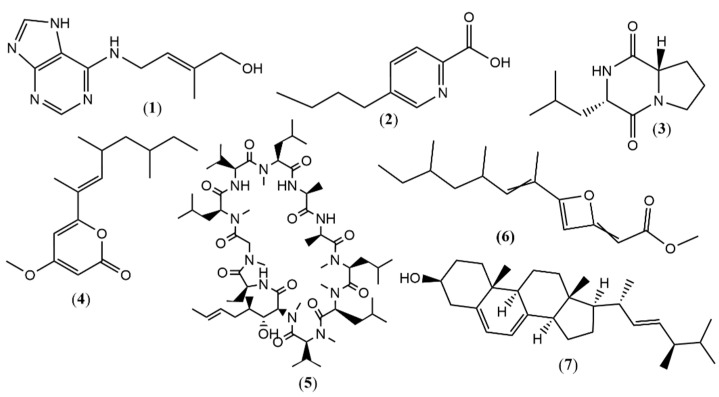 Figure 1
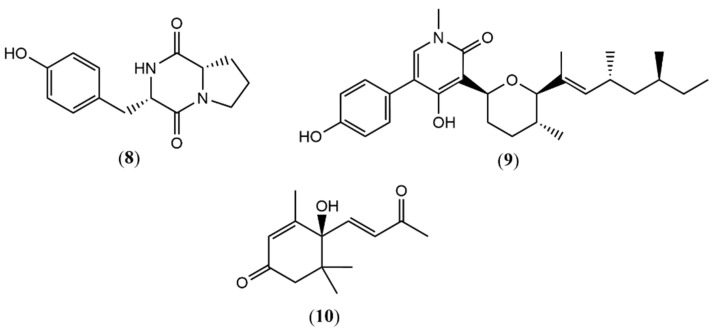 Figure 2
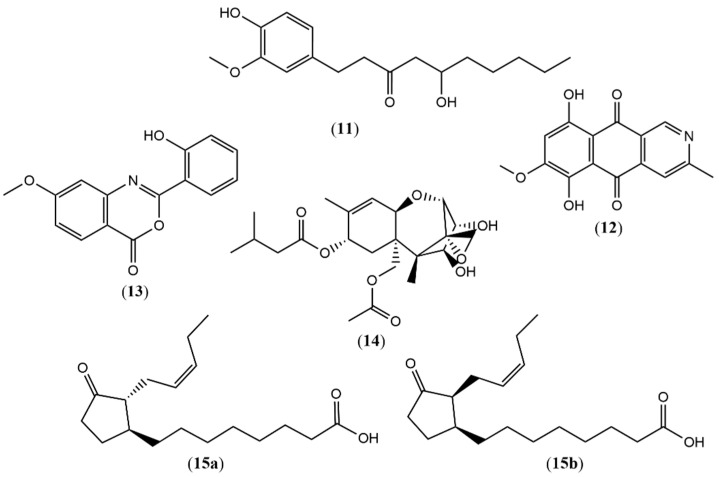 Figure 3
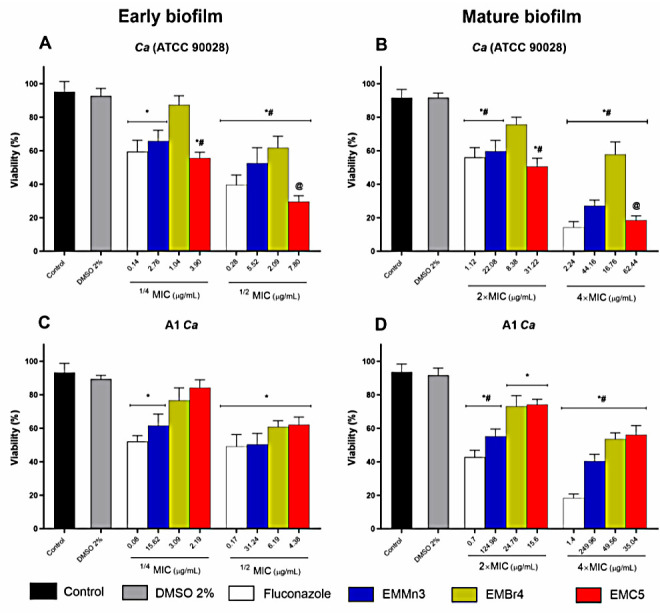 Figure 4
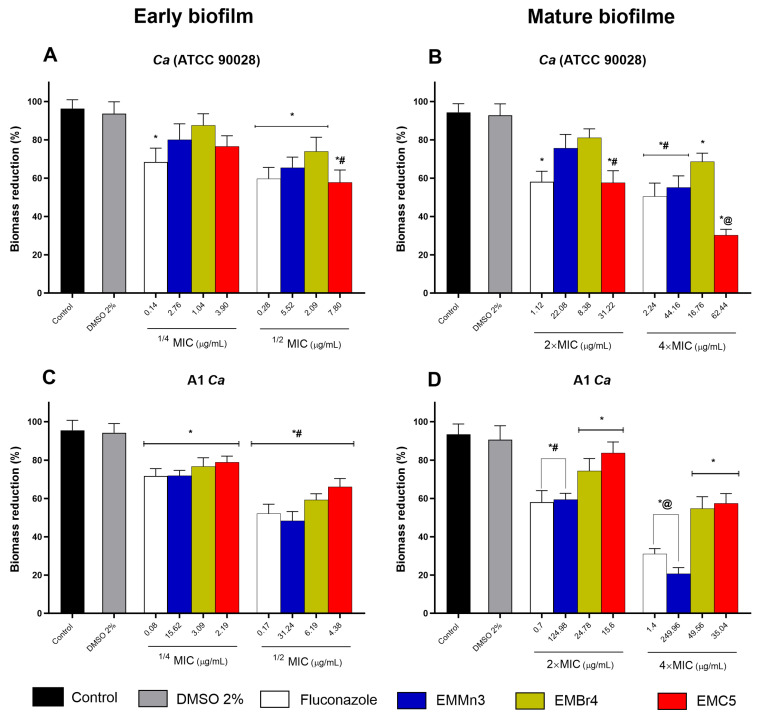 Figure 5
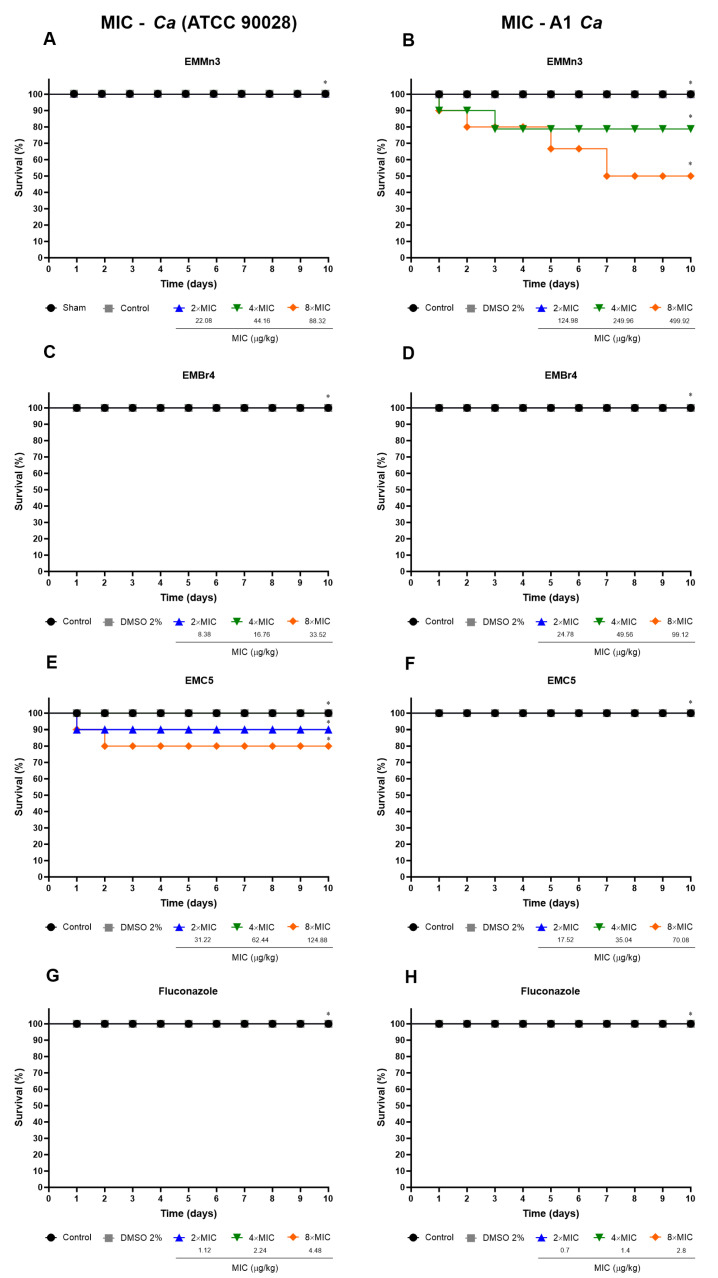 Figure 6
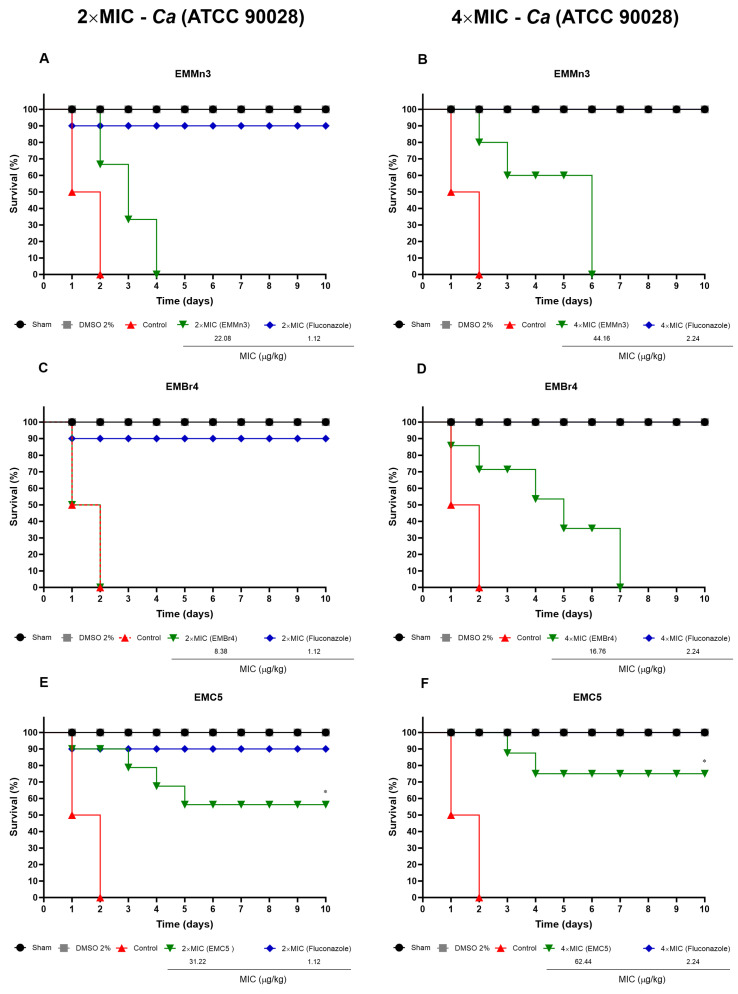 Figure 7
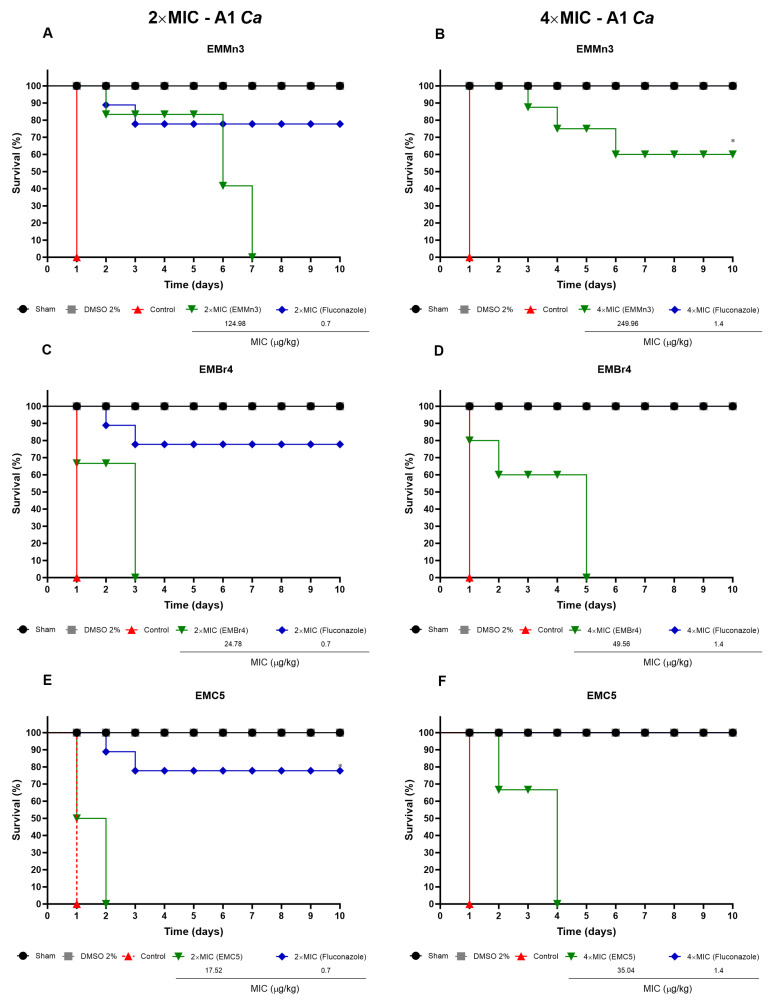 Figure 8
Peer Reviews
No public reviews on file for this paper yet. If you reviewed it on a platform where reviews are public (OpenReview, ICLR, NeurIPS, ICML), you can paste yours below so the community can read it here.
Videos
No videos yet. Explain this paper in a talk, walkthrough, or lecture? Add one.
Taxonomy
TopicsFungal Biology and Applications · Microbial Natural Products and Biosynthesis · Antifungal resistance and susceptibility