Elucidating the Role of Graphene Oxide Surface Architecture and Properties in Loess Soil Remediation Efficacy
Zirui Wang, Haotian Lu, Zhigang Li, Yuwei Wu, Junping Ren

TL;DR
This study explores how graphene oxide's surface properties affect its ability to improve loess soil stability and reduce erosion in the Loess Plateau region.
Contribution
The study reveals the synergistic mechanism of graphene oxide's structure and surface properties in enhancing loess soil water stability.
Findings
A 0.03% addition of graphene oxide significantly reduced loess disintegration.
Highly reduced graphene oxide delayed disintegration due to increased hydrophobicity but lost effectiveness over time.
Adjusting reduction with 50% sodium ascorbate improved soil water-holding capacity in high suction ranges.
Abstract
Loess Plateau is the region with the most concentrated loess distribution and the deepest loess soil layer in the world, and it is facing serious problems of soil erosion and ecological degradation. The nano carbon modification of soil surface properties is a novel strategy for soil improvement and enhancing the soil’s capacity to sequester carbon, which has been extensively researched. However, the mechanisms underlying the influence of carbon surface structure on the efficacy of loess soil remediation remain unclear. Herein, graphene oxide (GO) with a unique two-dimensional structure and adjustable surface properties was optimized as a model carbon filler to investigate the modification effect on loess. As a result, the addition amount of 0.03% GO significantly reduced the disintegration amount of loess, but, if inhibited for a long time, the disintegration effect would weaken. The…
Genes, proteins, chemicals, diseases, species, mutations and cell lines named across the full text — each resolved to its canonical identifier and authoritative record.
Click any figure to enlarge with its caption.
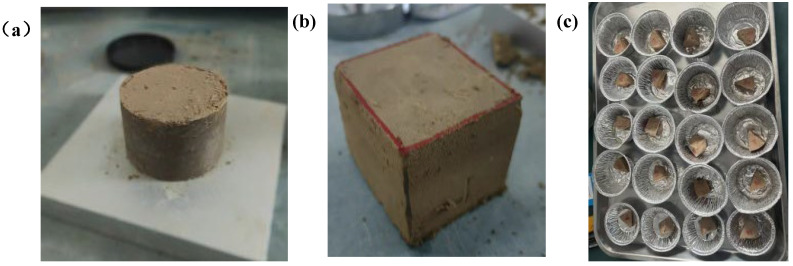 Figure 1
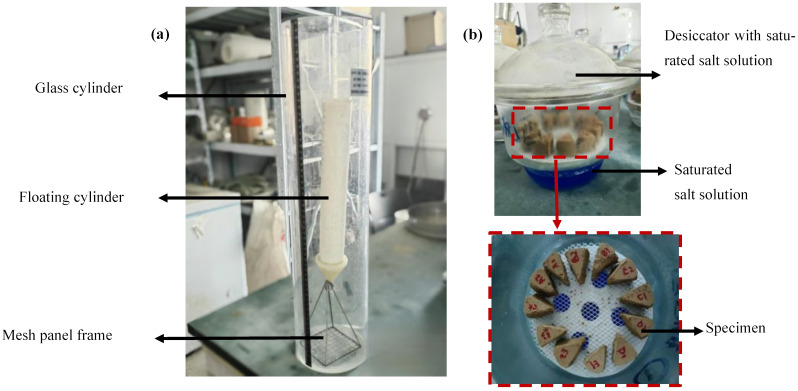 Figure 2
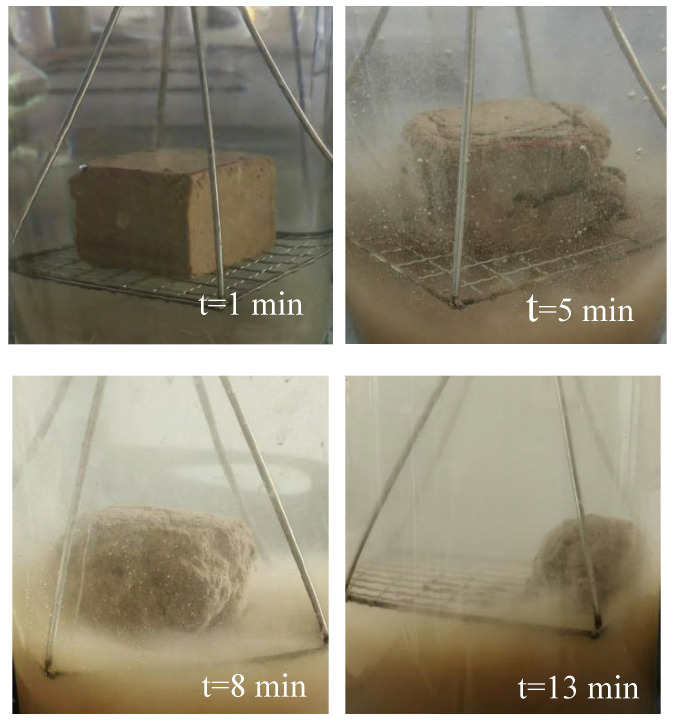 Figure 3
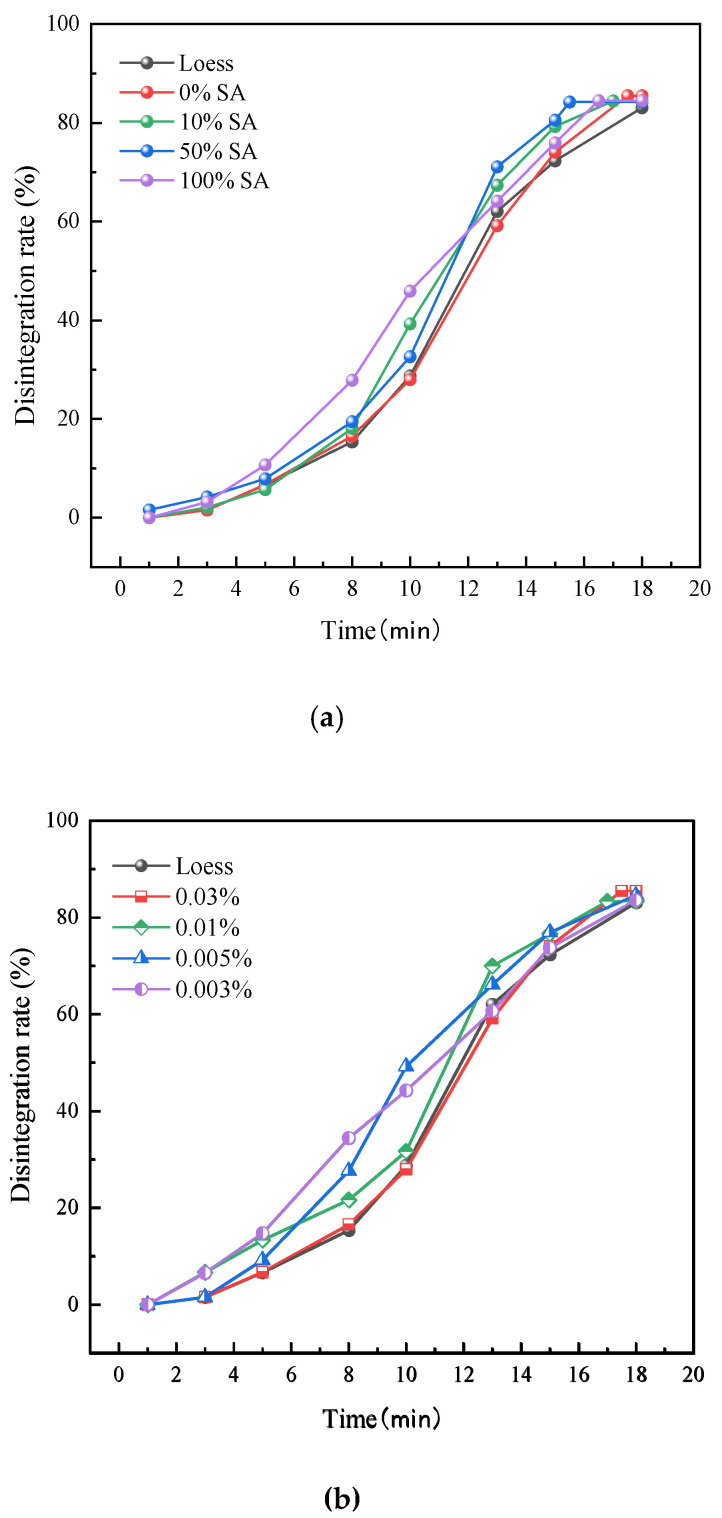 Figure 4
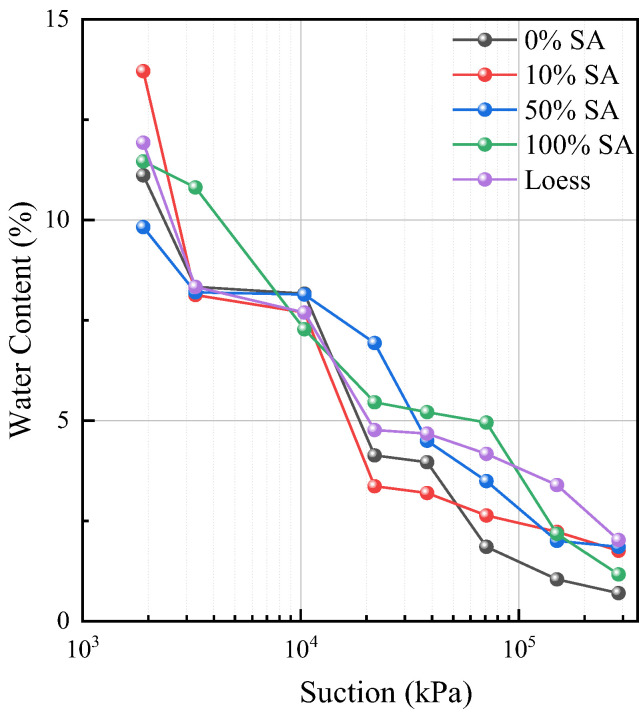 Figure 5
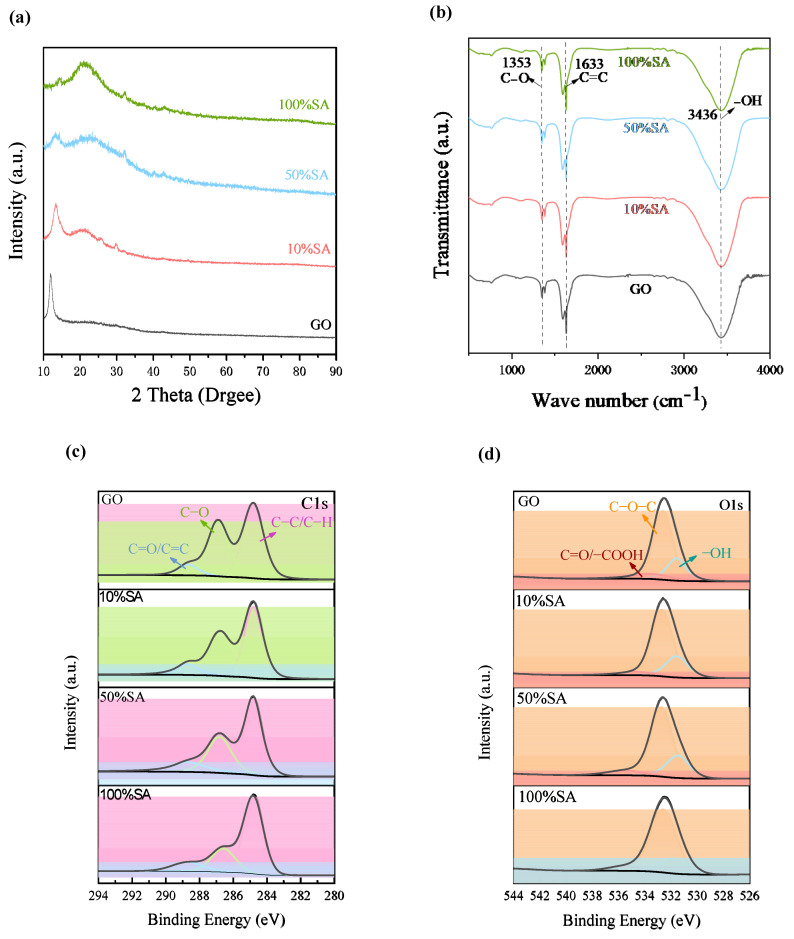 Figure 6
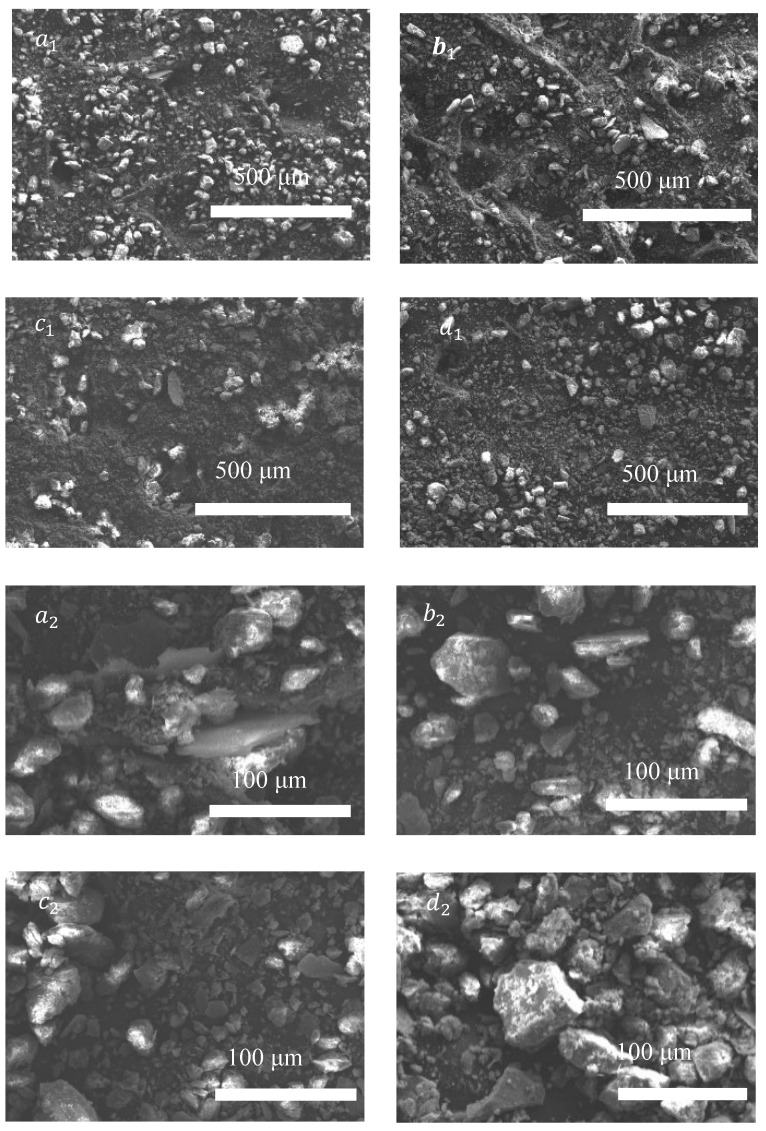 Figure 7
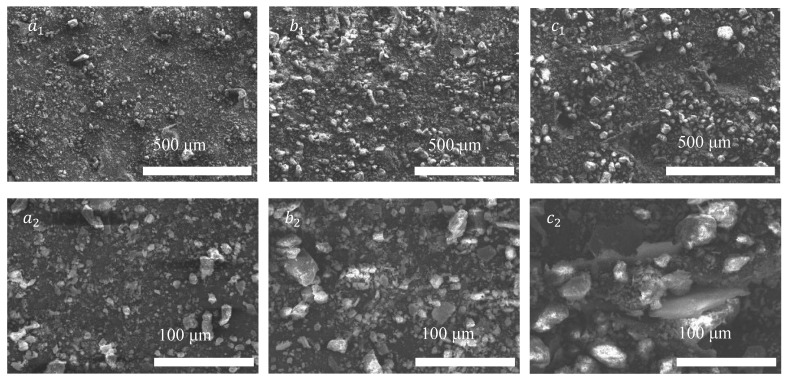 Figure 8
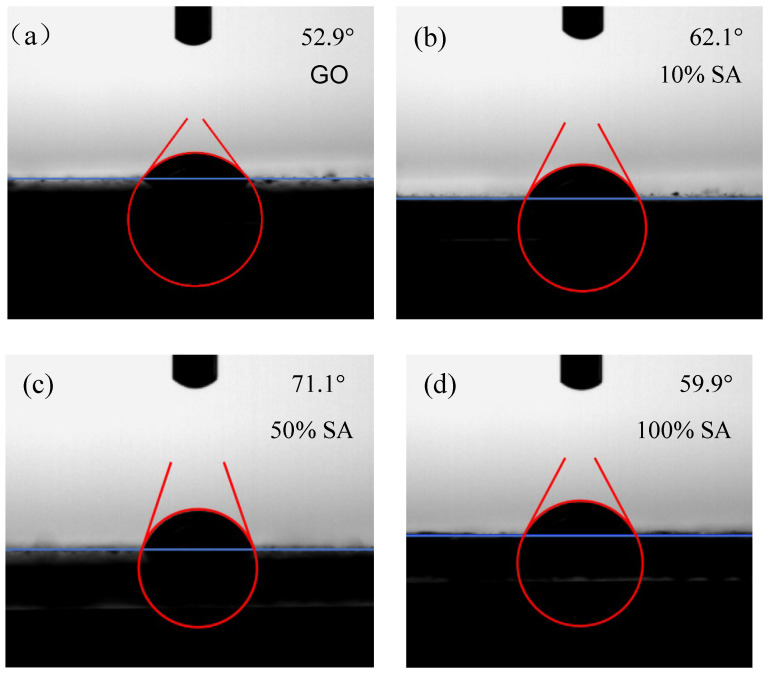 Figure 9
Peer Reviews
No public reviews on file for this paper yet. If you reviewed it on a platform where reviews are public (OpenReview, ICLR, NeurIPS, ICML), you can paste yours below so the community can read it here.
Videos
No videos yet. Explain this paper in a talk, walkthrough, or lecture? Add one.
Taxonomy
TopicsGraphene and Nanomaterials Applications · Graphene research and applications · Electrokinetic Soil Remediation Techniques