Antimicrobial and Anti-Inflammatory Activity of N-(2-Bromo-phenyl)-2-hydroxy-benzamide Derivatives and Their Inclusion Complexes
Ioana Maria Carmen Ienașcu, Adina Căta, Antonina Evelina Lazăr, Nick Samuel Țolea, Gerlinde Rusu, Paula Sfîrloagă, Cristina Moşoarcă, Adriana Aurelia Chiș, Claudiu Morgovan, Corina Danciu, Delia Muntean, Iuliana Popescu, Raluca Pop

TL;DR
This study explores new complexes of a benzamide derivative with cyclodextrin, showing improved antimicrobial and anti-inflammatory effects.
Contribution
The paper introduces novel inclusion complexes of N-(2-bromo-phenyl)-2-hydroxy-benzamide with enhanced biological activity.
Findings
The inclusion complexes showed antimicrobial activity against Gram-positive bacteria with MIC values of 2.5–5.0 mg/mL.
The compounds exhibited strong anti-inflammatory activity with IC50 values of 0.04–0.07 mg/mL, outperforming acetylsalicylic acid.
Abstract
Background/Objectives: In order to enhance the biological activity, novel complexes of N-(2-bromo-phenyl)-2-hydroxy-benzamide derivatives and β-cyclodextrin were obtained. Methods: The inclusion complexes were characterized using spectral and thermal analyses. The antimicrobial activity was determined using the disk diffusion agar method, and completed with the minimum inhibitory concentration (MIC) values obtained by the broth microdilution method. The in vitro anti-inflammatory activity was evaluated using the protease inhibition assay. Results: The computed supramolecular architectures of the inclusion complexes showed that the most stable molecular arrangements correspond to the models in which the N-(2-bromo-phenyl)-2-hydroxy-benzamide derivatives are partially included in the cyclodextrin cavity. The antimicrobial screening showed that the compounds were active against…
Genes, proteins, chemicals, diseases, species, mutations and cell lines named across the full text — each resolved to its canonical identifier and authoritative record.
Click any figure to enlarge with its caption.
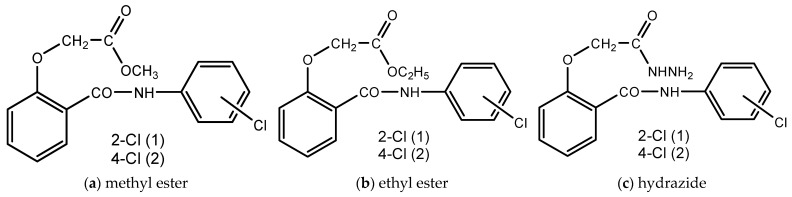 Figure 1
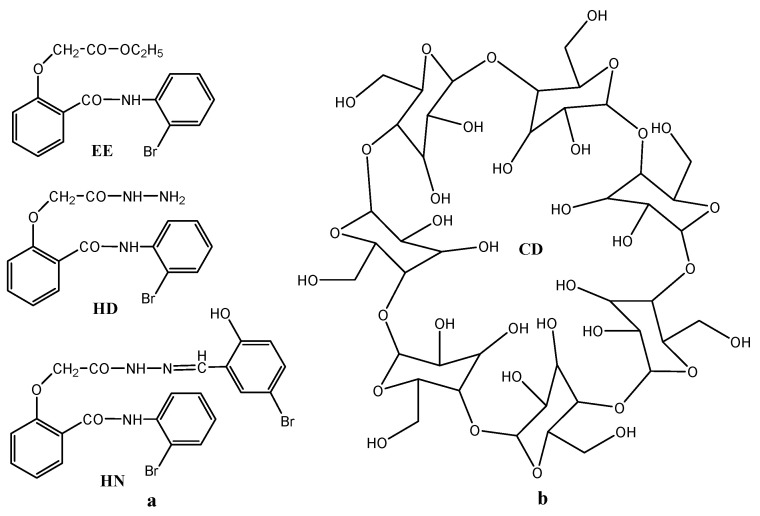 Figure 2
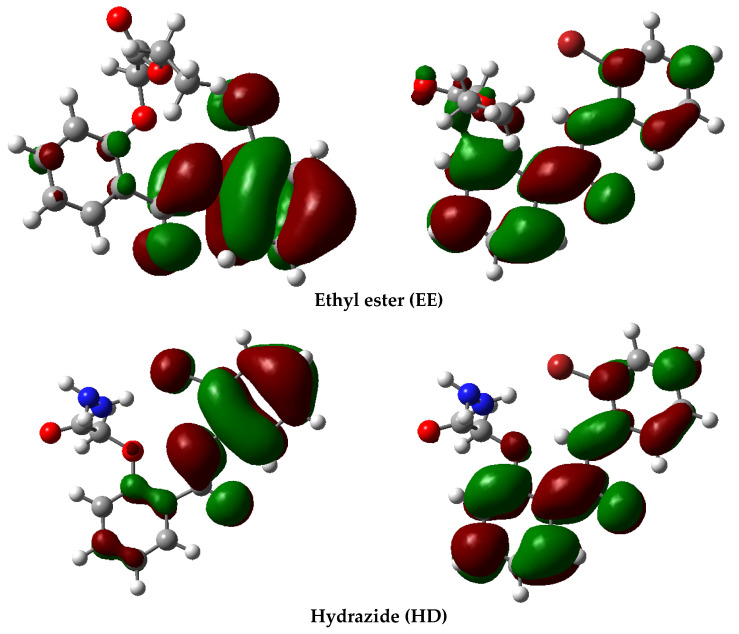 Figure 3
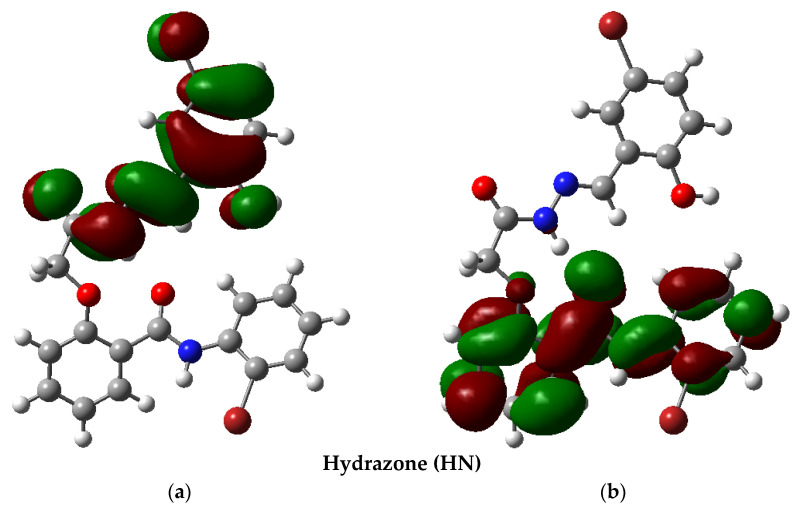 Figure 4
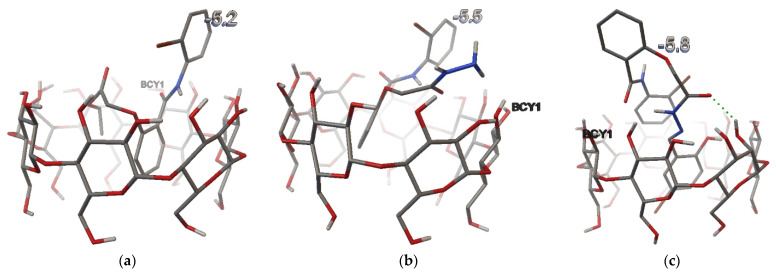 Figure 5
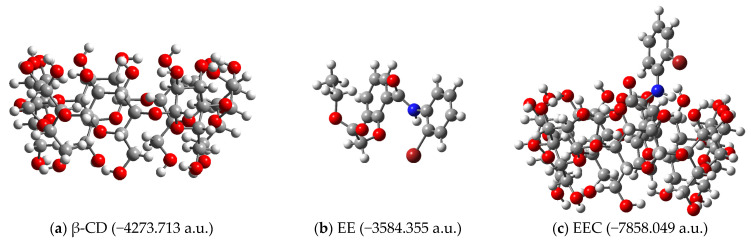 Figure 6
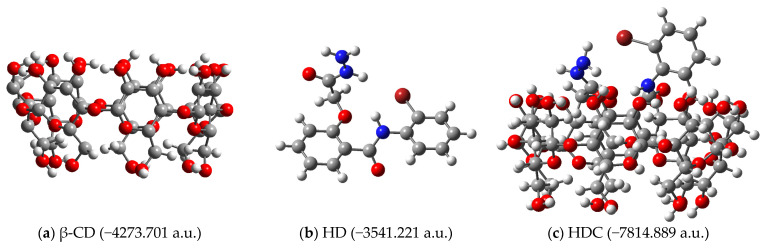 Figure 7
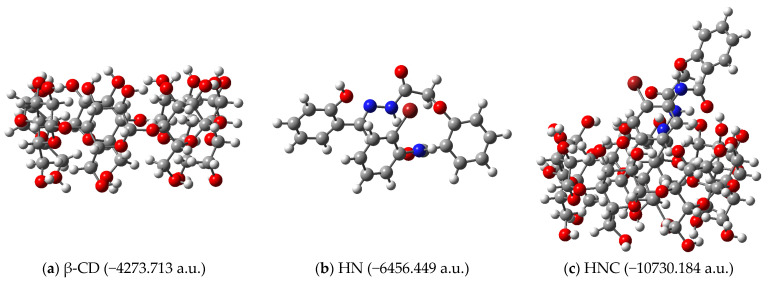 Figure 8
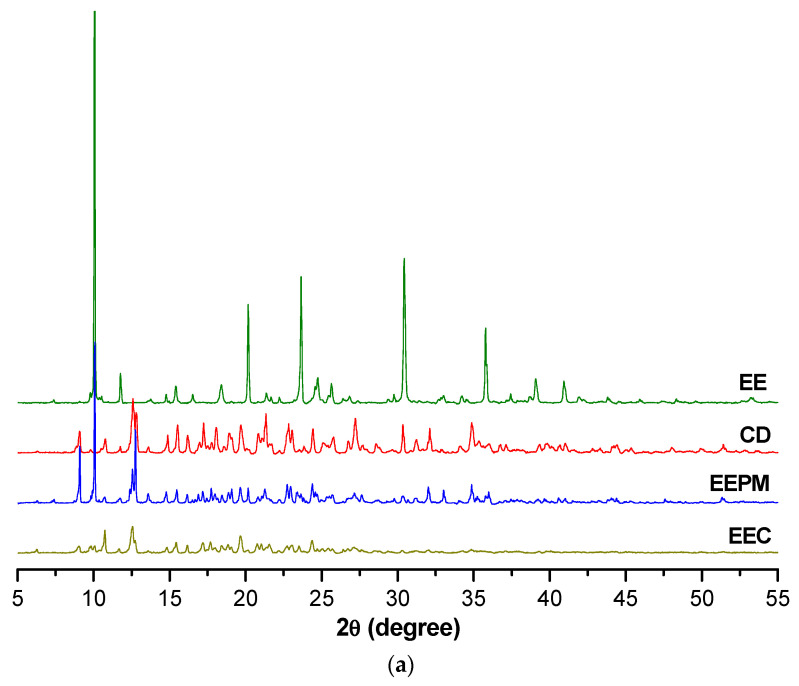 Figure 9
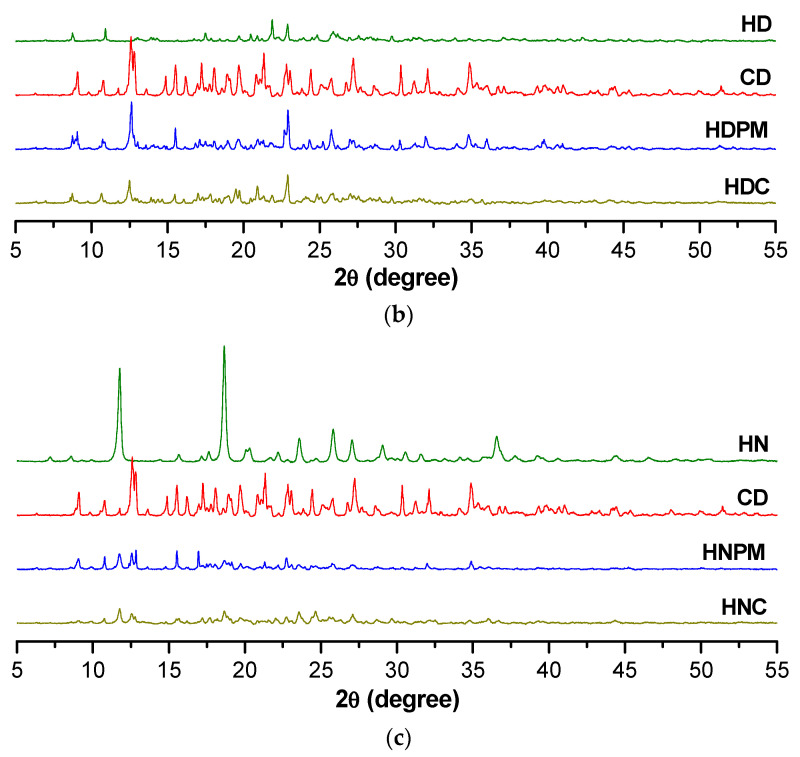 Figure 10
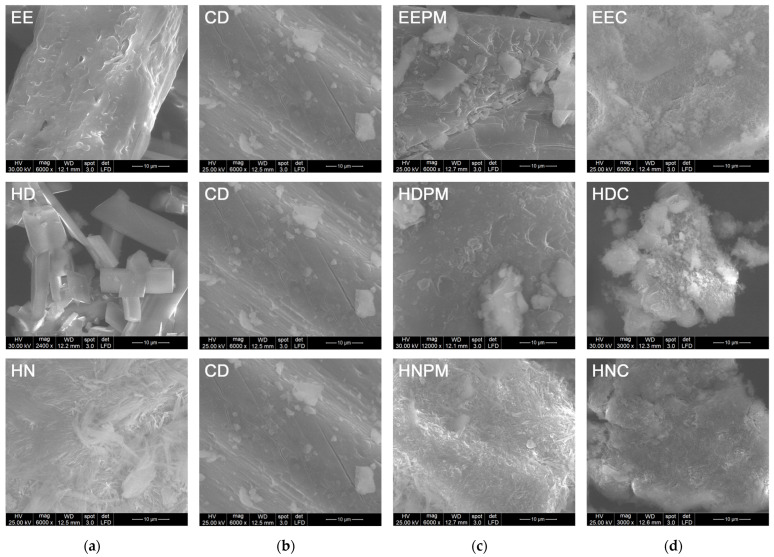 Figure 11
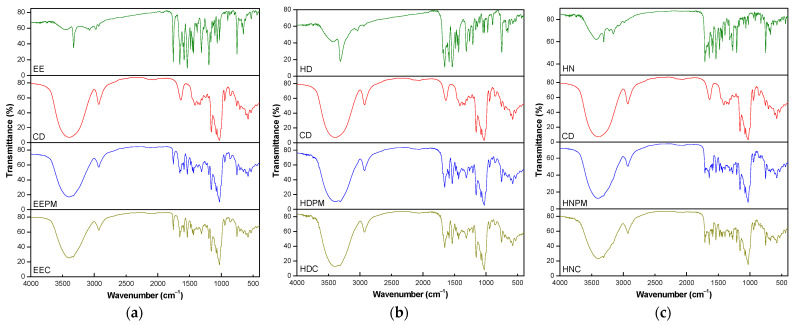 Figure 12
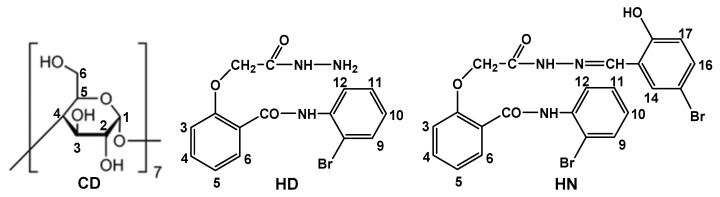 Figure 13
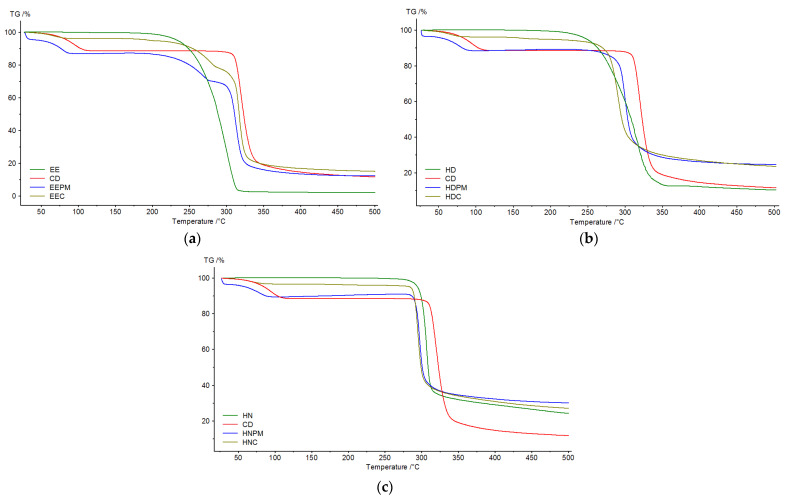 Figure 14
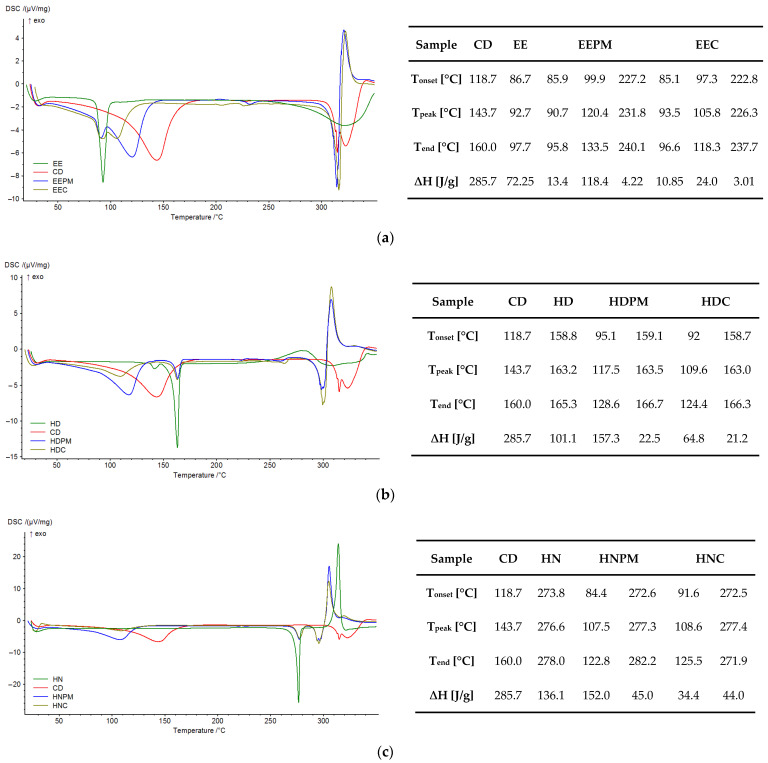 Figure 15
Peer Reviews
No public reviews on file for this paper yet. If you reviewed it on a platform where reviews are public (OpenReview, ICLR, NeurIPS, ICML), you can paste yours below so the community can read it here.
Videos
No videos yet. Explain this paper in a talk, walkthrough, or lecture? Add one.
Taxonomy
TopicsSynthesis and biological activity · Quinazolinone synthesis and applications · Synthesis and Characterization of Heterocyclic Compounds