Nonlinear Elasticity and Damage Prediction in Automated Fiber Placement Composites via Nested Micromechanics
Hadas Hochster, Gal Raanan, Eyal Tiosano, Yoav Harari, Golan Michaeli, Yonatan Rotbaum, Rami Haj-Ali

TL;DR
This paper introduces a modeling framework to predict the mechanical behavior and damage in automated fiber placement composites by accounting for manufacturing-induced structural variations.
Contribution
A novel nested micromechanics framework using PHFGMC is developed to predict nonlinear elasticity and damage in AFP composites.
Findings
The PHFGMC model accurately predicts effective elastic properties and nonlinear mechanical responses of AFP composites.
Mesostructural features like tow gaps and resin-rich regions significantly influence global stress–strain behavior.
The model successfully captures damage initiation and crack propagation linked to manufacturing-induced defects.
Abstract
Automated fiber placement (AFP) composites exhibit complex mechanical behaviors due to manufacturing-induced mesostructural variations, including resin-rich regions and tow gaps that significantly influence both local stress distributions and global material responses. This study presents a hierarchically nested modeling framework based on the Parametric High-Fidelity Generalized Method of Cells (PHFGMC) to predict the effective elastic properties and nonlinear mechanical response of AFP composites. The PHFGMC model integrates micro- and meso-scale analyses using representative volume elements (RVEs) derived from micrographs of AFP composite laminates to capture these manufacturing-induced characteristics. Multiple RVE configurations with varied gap patterns are analyzed to quantify the influence of mesostructural features on global stress–strain response. Predictions for linear and…
Genes, proteins, chemicals, diseases, species, mutations and cell lines named across the full text — each resolved to its canonical identifier and authoritative record.
Click any figure to enlarge with its caption.
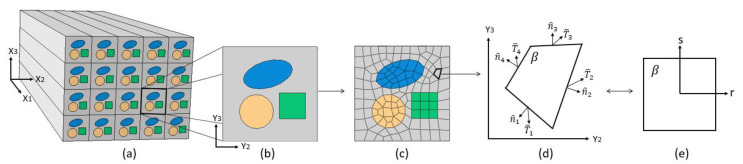 Figure 1
 Figure 2
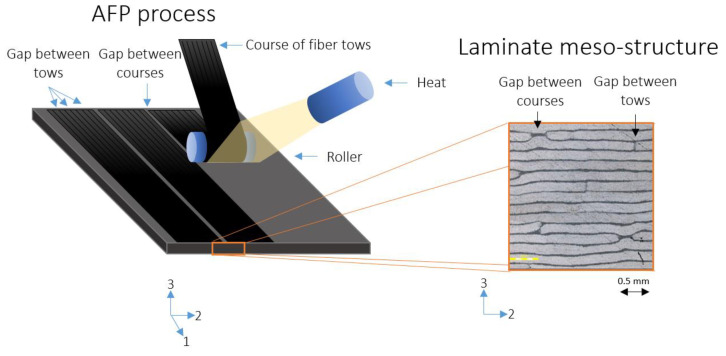 Figure 3
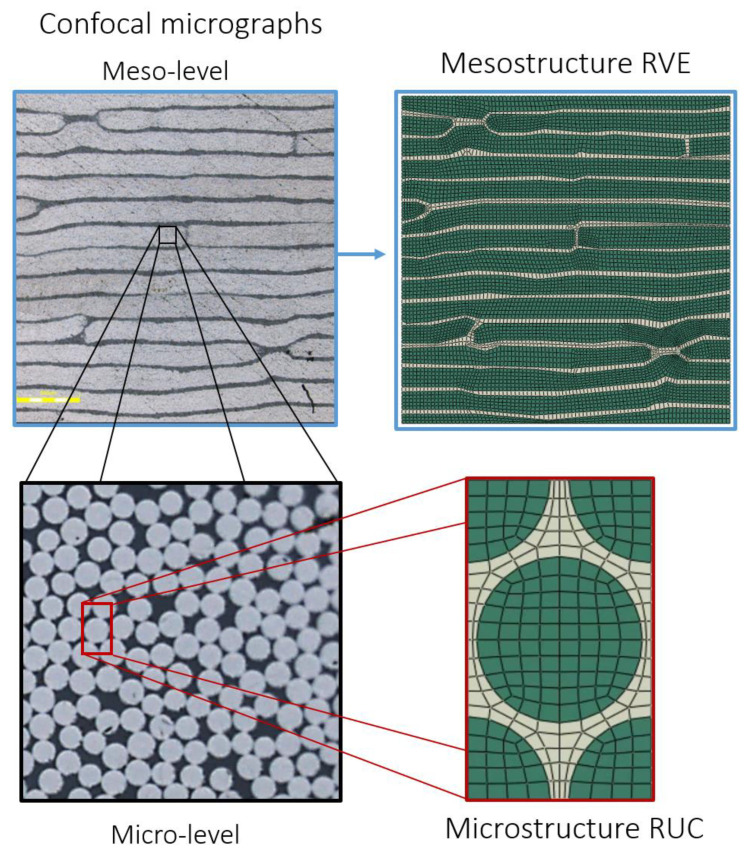 Figure 4
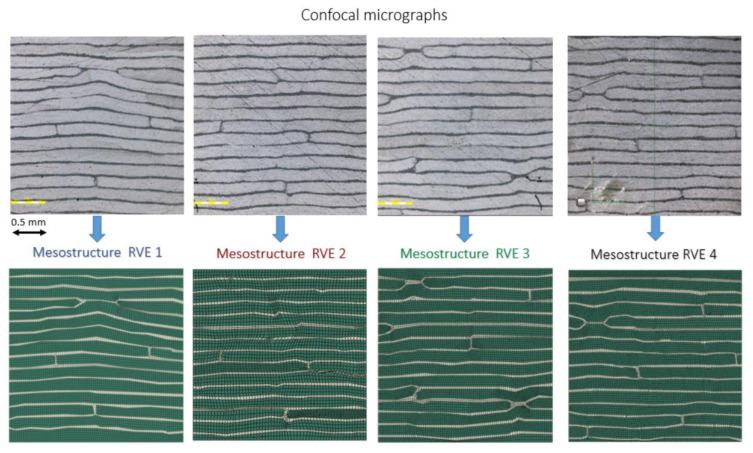 Figure 5
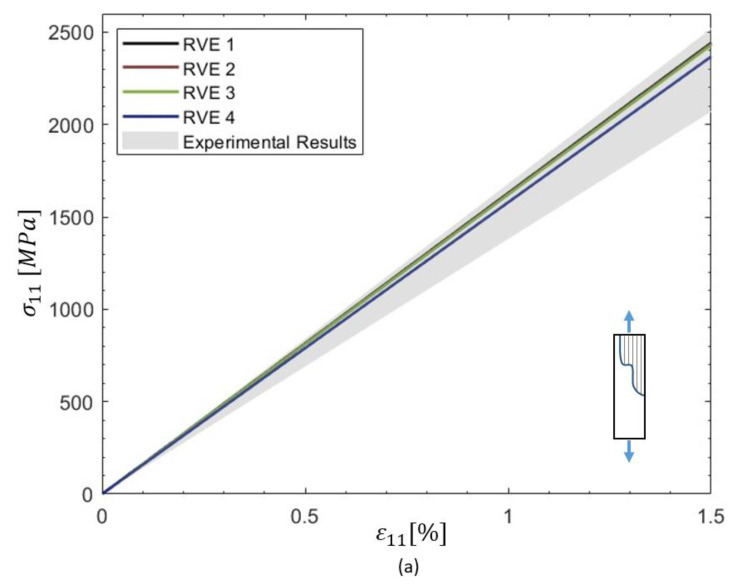 Figure 6
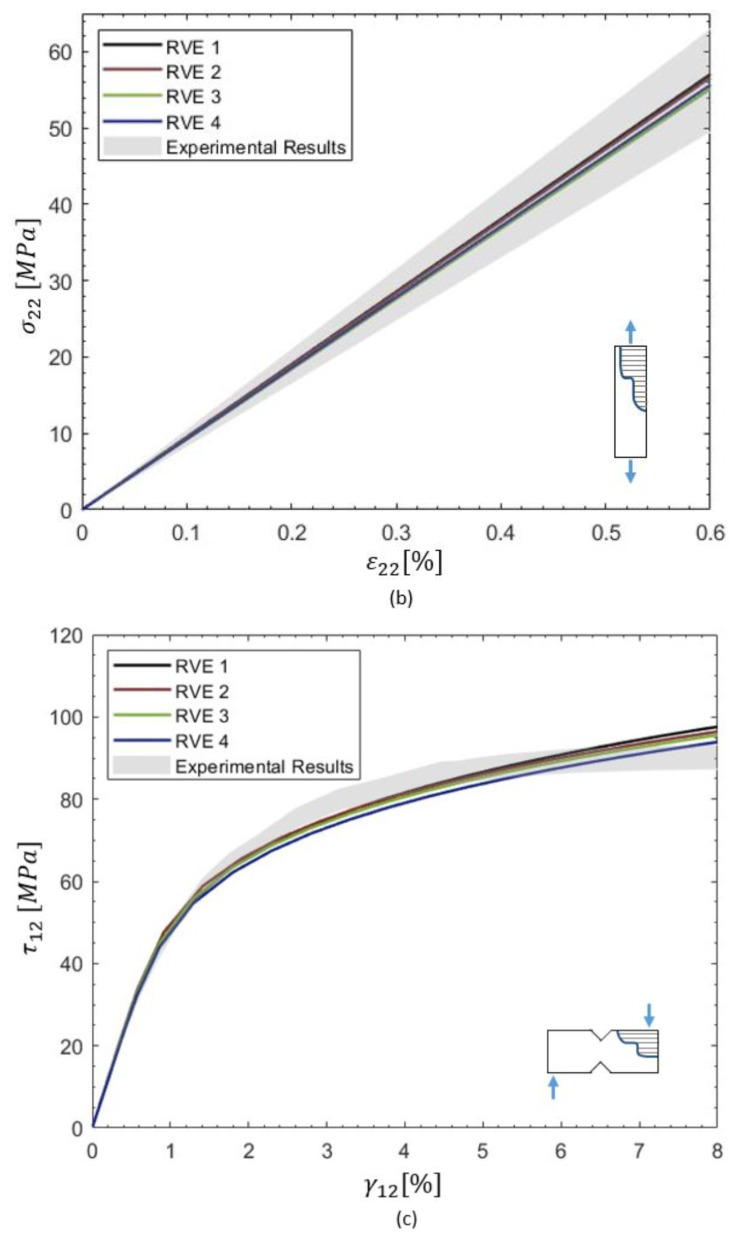 Figure 7
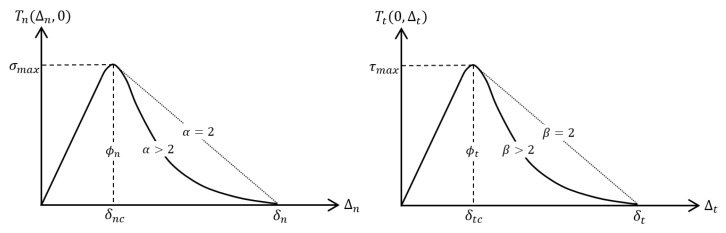 Figure 8
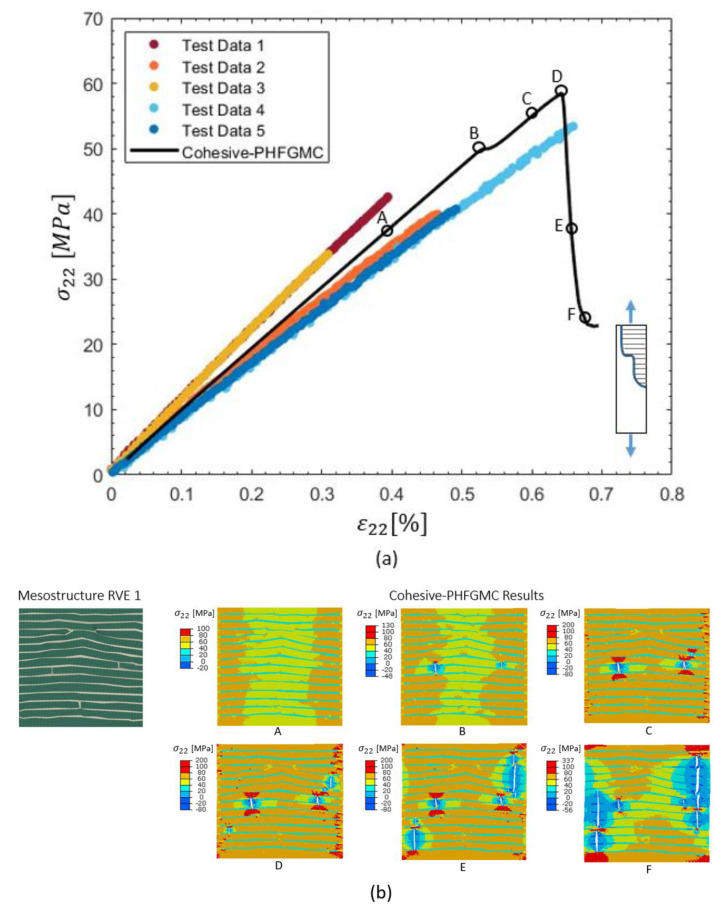 Figure 9
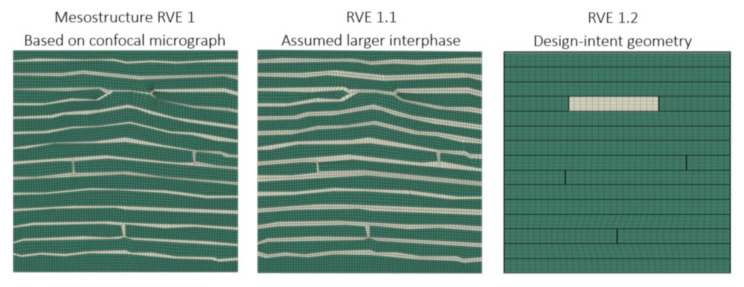 Figure 10
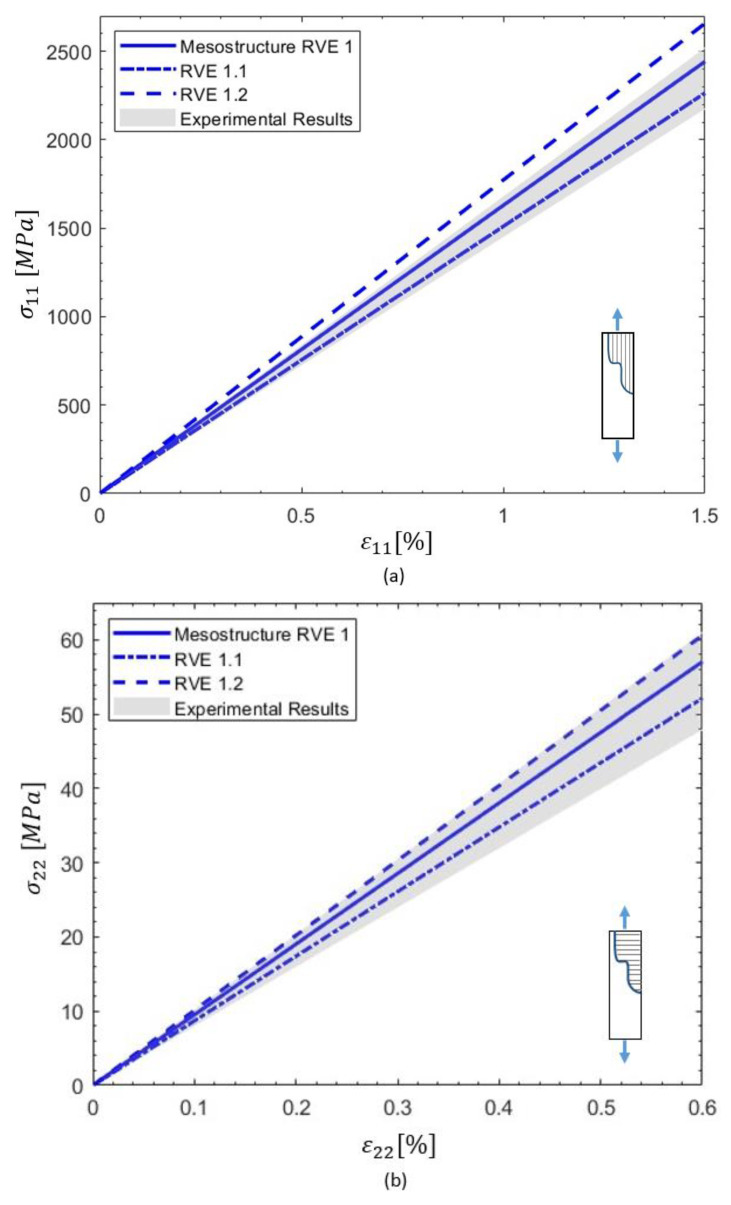 Figure 11
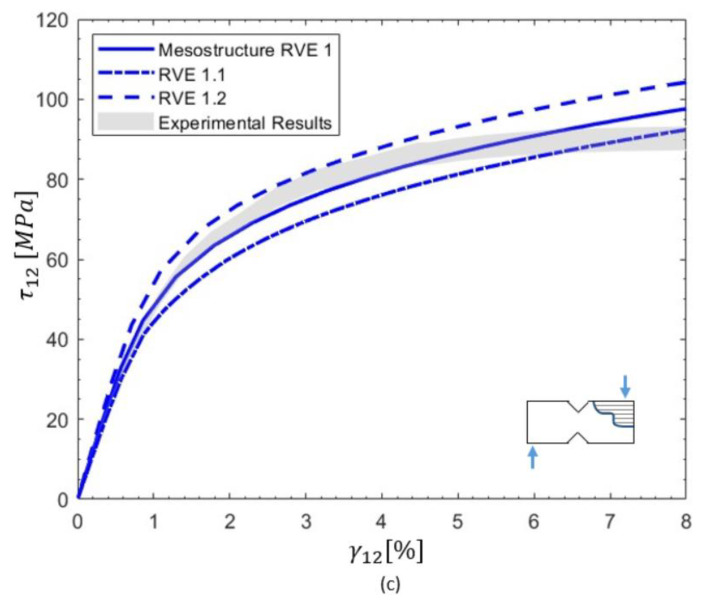 Figure 12
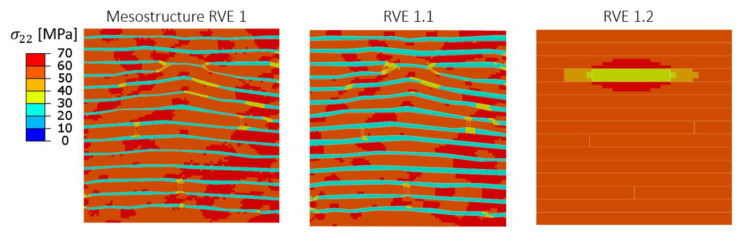 Figure 13
Peer Reviews
No public reviews on file for this paper yet. If you reviewed it on a platform where reviews are public (OpenReview, ICLR, NeurIPS, ICML), you can paste yours below so the community can read it here.
Videos
No videos yet. Explain this paper in a talk, walkthrough, or lecture? Add one.
Taxonomy
TopicsMechanical Behavior of Composites · Epoxy Resin Curing Processes · Composite Material Mechanics