Reinforcing Urea–Formaldehyde Resins with Low-Cost, Mechanically Derived Nanocellulose: A Sustainable Approach
Eleni A. Psochia, Emmanouil Karagiannidis, Eleftheria Athanasiadou, Konstantinos S. Triantafyllidis

TL;DR
This paper introduces a sustainable method to reinforce urea-formaldehyde resins using low-cost nanocellulose, improving board strength and reducing formaldehyde emissions.
Contribution
A solvent-free ultrasonication process produces nanocellulose to enhance urea-formaldehyde resins, offering a sustainable and cost-effective alternative.
Findings
Nanocellulose suspensions with 160 nm particles were produced via ultrasonication without corrosive chemicals.
Nanocellulose-reinforced boards showed improved internal bond strength and modulus of rupture.
Formaldehyde emissions were significantly reduced in the reinforced boards compared to conventional ones.
Abstract
In this work, we present the fabrication of low-cost, stable nanocellulose colloidal suspensions with an average particle size of approximately 160 nm, produced via a straightforward, solvent-free ultrasonication process that eliminates the need for corrosive chemicals or energy-intensive mechanical treatments. The resulting nanocellulose suspensions were utilized as reinforcing additives in urea-formaldehyde (UF) resins, which were subsequently applied in the production of particle boards. This approach addresses the increasing EU regulatory constraints regarding low formaldehyde-to-urea (F/U) molar ratios and the broader need for biobased, eco-friendly alternatives in the wood adhesive industry. Mechanical testing of the nanocellulose reinforced boards revealed notable improvements in the internal bond strength and modulus of rupture, along with a significant decrease in formaldehyde…
Genes, proteins, chemicals, diseases, species, mutations and cell lines named across the full text — each resolved to its canonical identifier and authoritative record.
Click any figure to enlarge with its caption.
 Figure 1
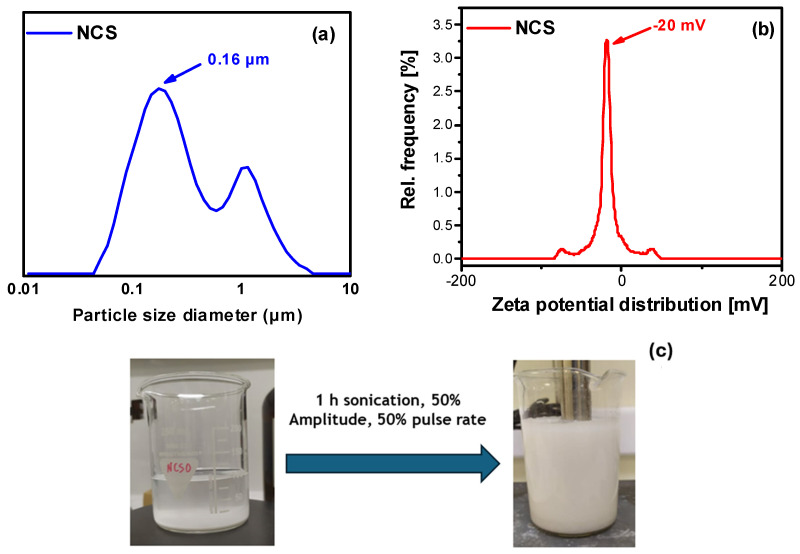 Figure 2
 Figure 3
 Figure 4
 Figure 5
 Figure 6
 Figure 7
 Figure 8
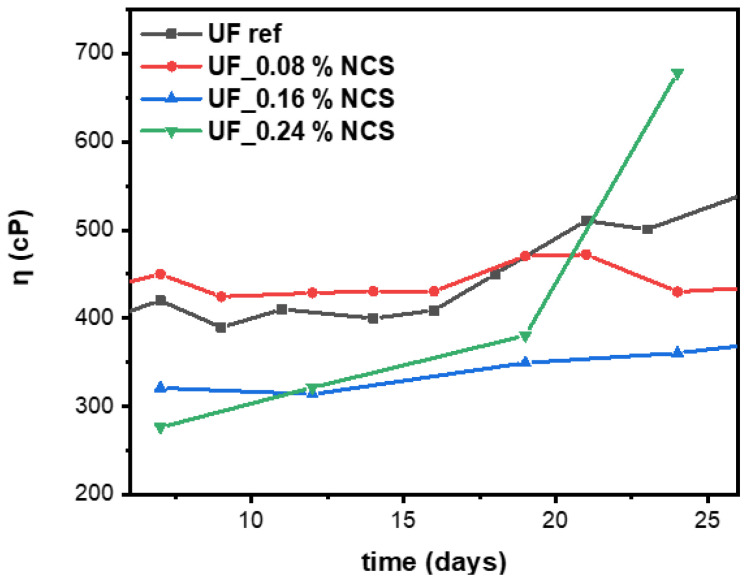 Figure 9
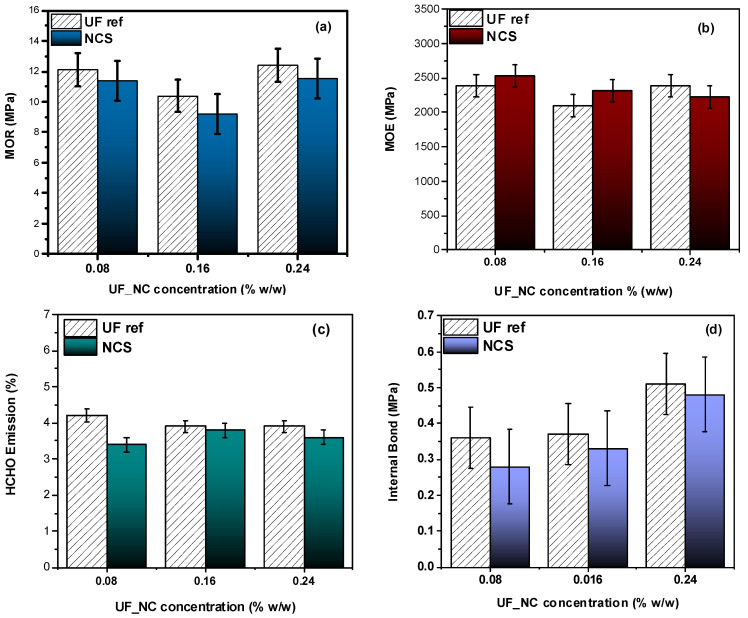 Figure 10
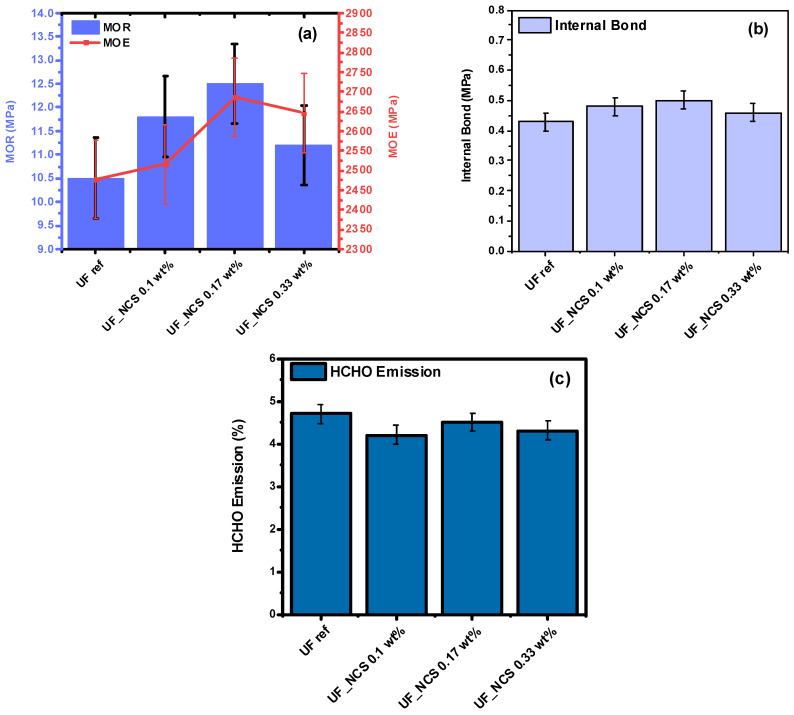 Figure 11
Peer Reviews
No public reviews on file for this paper yet. If you reviewed it on a platform where reviews are public (OpenReview, ICLR, NeurIPS, ICML), you can paste yours below so the community can read it here.
Videos
No videos yet. Explain this paper in a talk, walkthrough, or lecture? Add one.
Taxonomy
TopicsAdvanced Cellulose Research Studies · biodegradable polymer synthesis and properties · Natural Fiber Reinforced Composites