Management of Nephrotic Syndrome in Pediatric Patients Treated by Different Steroid Regimens
Valeria Chirico, Filippo Tripodi, Giovanni Conti, Lorena Silipigni, Antonio Lacquaniti, Paolo Monardo, Roberto Chimenz

TL;DR
This study compares different steroid treatment regimens for managing nephrotic syndrome in children and finds no significant benefit from longer steroid use.
Contribution
The study provides empirical evidence comparing steroid regimens for pediatric nephrotic syndrome, challenging assumptions about treatment duration and efficacy.
Findings
Group 3 (3640 mg/m2) had the lowest percentage of patients with ≥5 relapses.
Children aged 2-6 years were most likely to develop frequently relapsing NS across all groups.
No correlation was found between longer steroid treatment and better outcomes or fewer relapses.
Abstract
Background and Objectives: The nephrotic syndrome (NS) is the most common acquired childhood kidney disease. Steroids represent the cornerstone of the therapeutic strategy, representing the first-line approach, but optimal therapeutic management is debated. This study aimed to compare different steroid therapeutic management protocols. Patients and Methods: A total of 140 NS pediatric patients were enrolled retrospectively. All the kids were divided among three different groups according to the three different steroid therapeutic schemes: 2240 mg/m2 (group 1), 3360 mg/m2 (group 2), or 3640 mg/m2 (group 3) and divided in frequently relapsing (FR-NS) or steroid-dependent (SD) NS. Results: Within group 1, 50% of the population developed FR-NS; 100% of those kids were between 2 and 6 years old. Within the second group, 54% of the patients developed FR-NS, and 83% of these kids were between…
Genes, proteins, chemicals, diseases, species, mutations and cell lines named across the full text — each resolved to its canonical identifier and authoritative record.
Click any figure to enlarge with its caption.
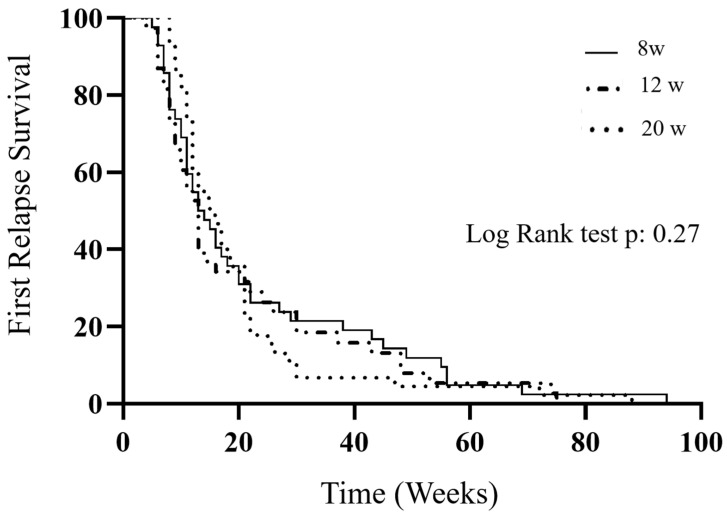 Figure 1
 Figure 2
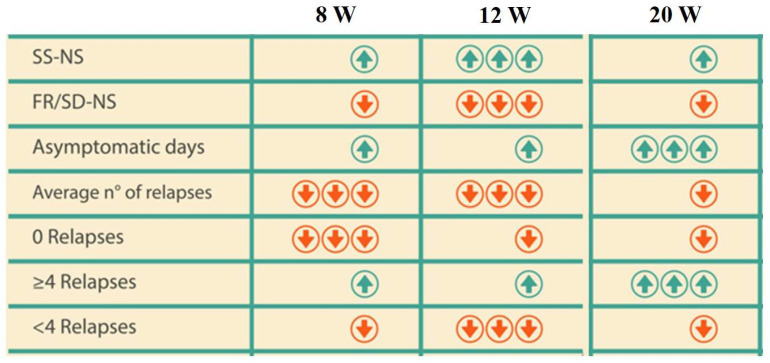 Figure 3
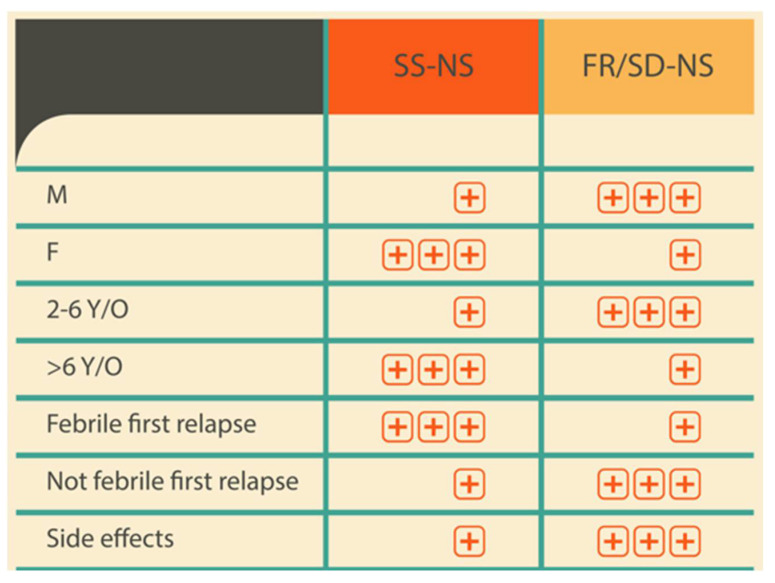 Figure 4
 Figure 5
 Figure 6
 Figure 7
 Figure 8
 Figure 9
 Figure 10
Peer Reviews
No public reviews on file for this paper yet. If you reviewed it on a platform where reviews are public (OpenReview, ICLR, NeurIPS, ICML), you can paste yours below so the community can read it here.
Videos
No videos yet. Explain this paper in a talk, walkthrough, or lecture? Add one.
Taxonomy
TopicsRenal Diseases and Glomerulopathies · Tuberous Sclerosis Complex Research · Autoimmune Bullous Skin Diseases