Death of Leukemia Cells and Platelets Induced by 3,3′-Dihydroxy-4,5-Dimethoxybibenzyl Is Mediated by p38 Mitogen-Activated Protein Kinase Pathway
Natalia Rukoyatkina, Tatyana Sokolova, Nikita Pronin, Andrei Whaley, Anastasiia O. Whaley, Stepan Gambaryan

TL;DR
A new bibenzyl compound, 3,3′-dihydroxy-4,5-dimethoxybibenzyl, kills leukemia cells and platelets through the p38 MAP kinase pathway, suggesting potential as an anticancer drug.
Contribution
Identifies a novel mechanism of cell death via p38 MAP kinase pathway for a specific bibenzyl compound.
Findings
3,3′-dihydroxy-4,5-dimethoxybibenzyl significantly reduced MOLT-3 cell and platelet viability.
The compound induced phosphatidylserine exposure without apoptosis, pyroptosis, necroptosis, autophagy, or calpain-dependent pathways.
The p38 MAP kinase pathway is involved in the compound's activity.
Abstract
Bibenzyls are now recognized as compounds for use in cancer therapy, and many molecules from the bibenzyl group have shown promising anticancer activity; therefore, the characterization of new bibenzyls with strong biological activity is important for developing new anticancer drugs. In this study, we compared the effects of three bibenzyls (3,3′-dihydroxy-4,5-dimethoxybibenzyl, 3,5-dihydroxy-4-methoxybibenzyl and 3,5,3′-trihydroxy-4-methoxybibenzyl) isolated from Empetrum nigrum and erianin on platelets and the MOLT-3 T-lymphoblast cell line. Among the studied bibenzyls, 3,3′-dihydroxy-4,5-dimethoxybibenzyl significantly reduced the viability of MOLT-3 cells and platelets and induced strong phosphatidylserine (PS) surface exposure. We showed that 3,3′-dihydroxy-4,5-dimethoxybibenzyl induced the death of MOLT-3 cells and platelets, which was not mediated by apoptosis, pyroptosis,…
Genes, proteins, chemicals, diseases, species, mutations and cell lines named across the full text — each resolved to its canonical identifier and authoritative record.
Click any figure to enlarge with its caption.
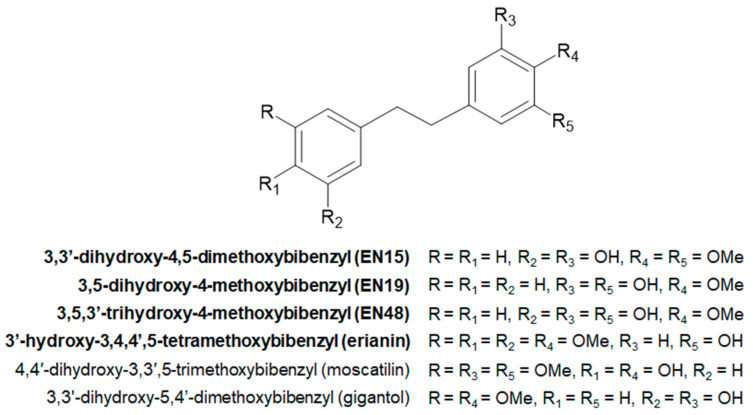 Figure 1
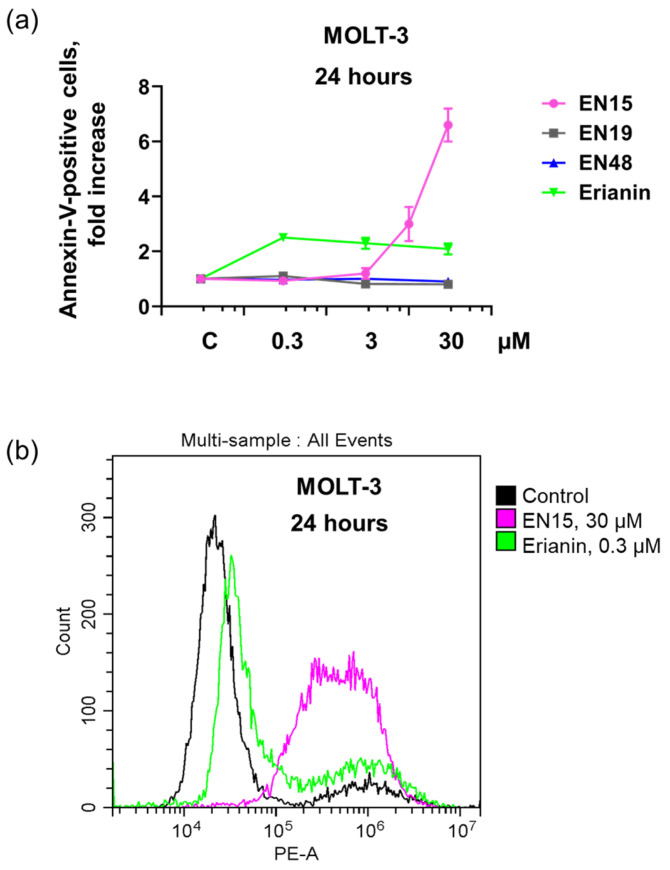 Figure 2
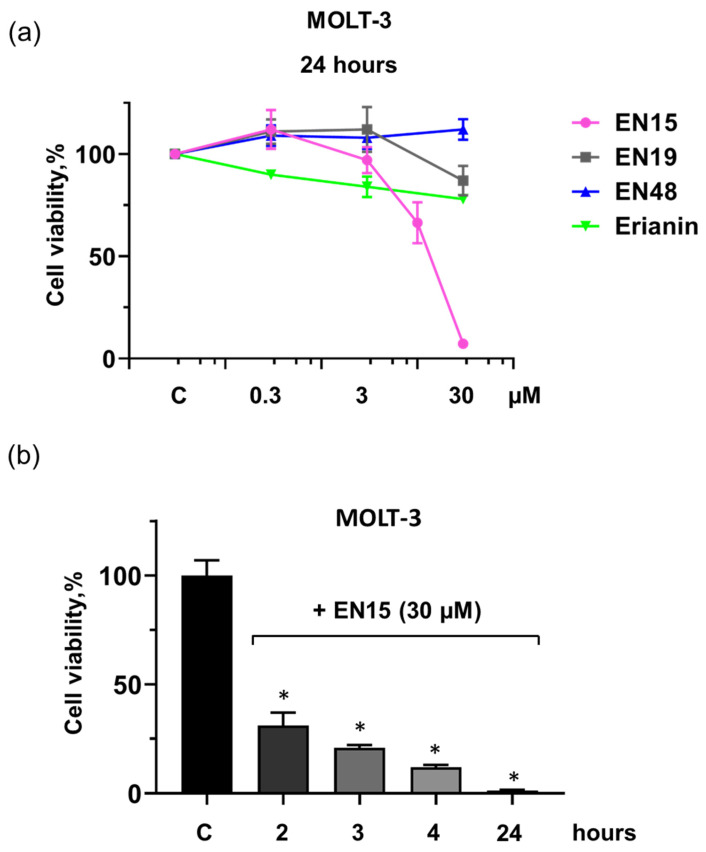 Figure 3
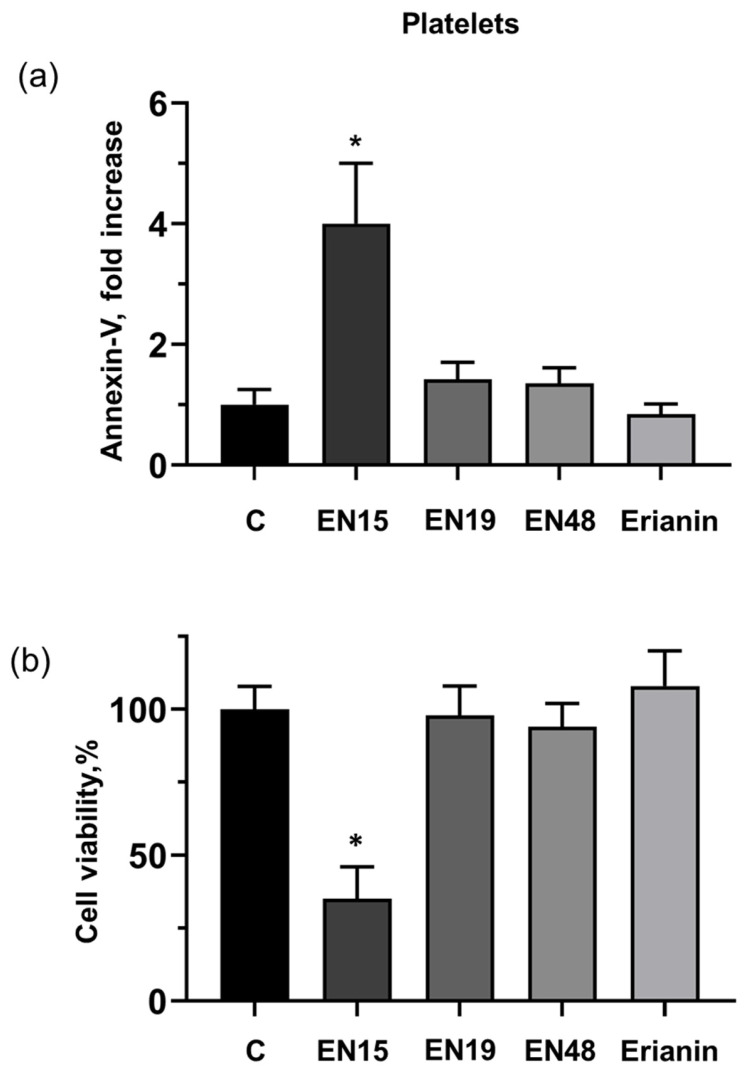 Figure 4
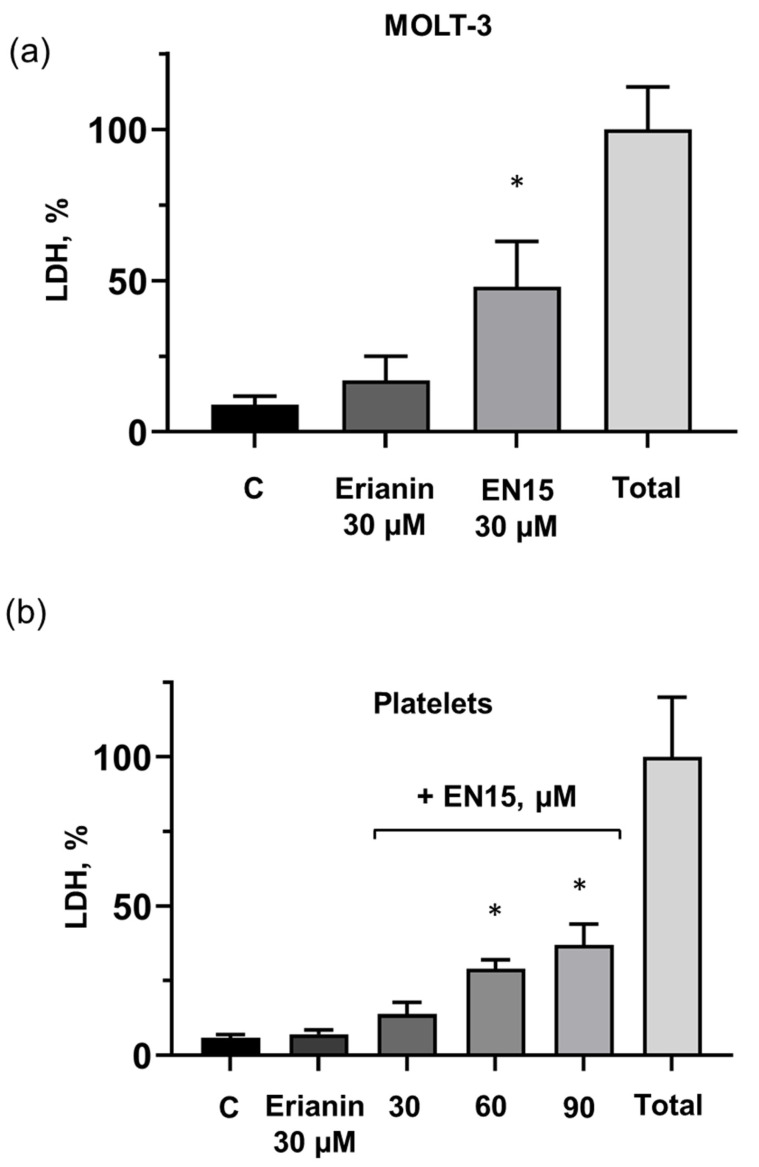 Figure 5
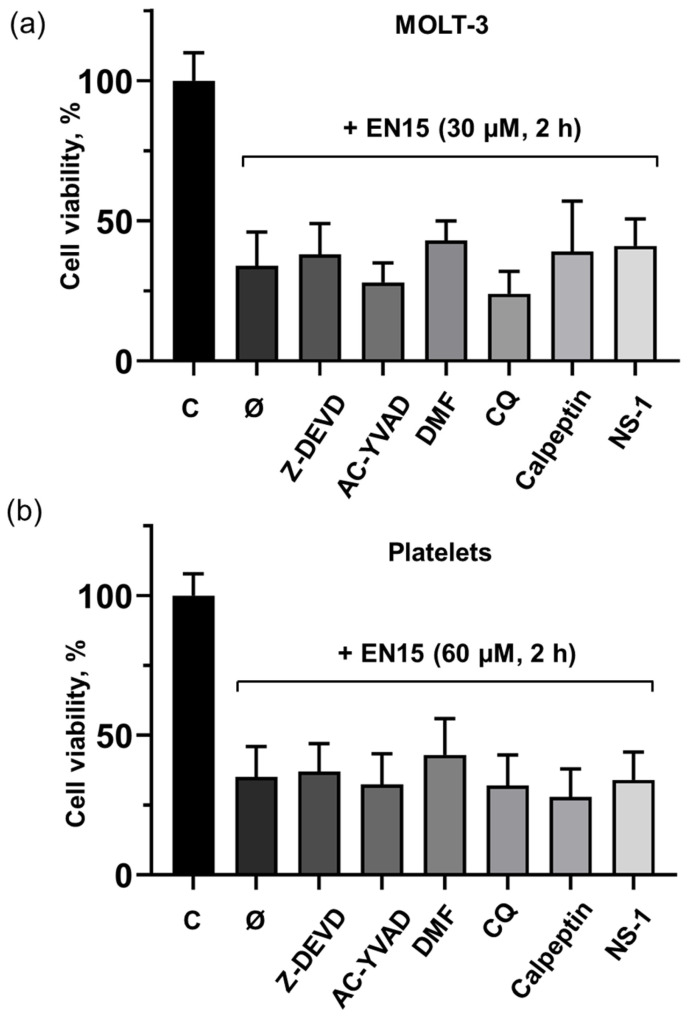 Figure 6
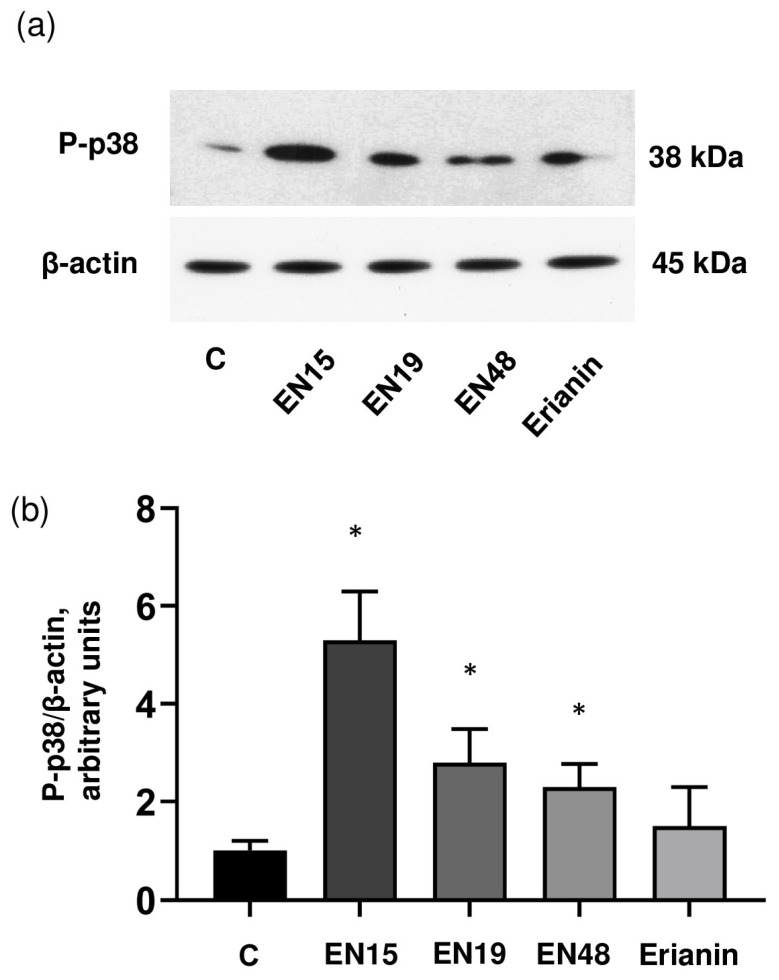 Figure 7
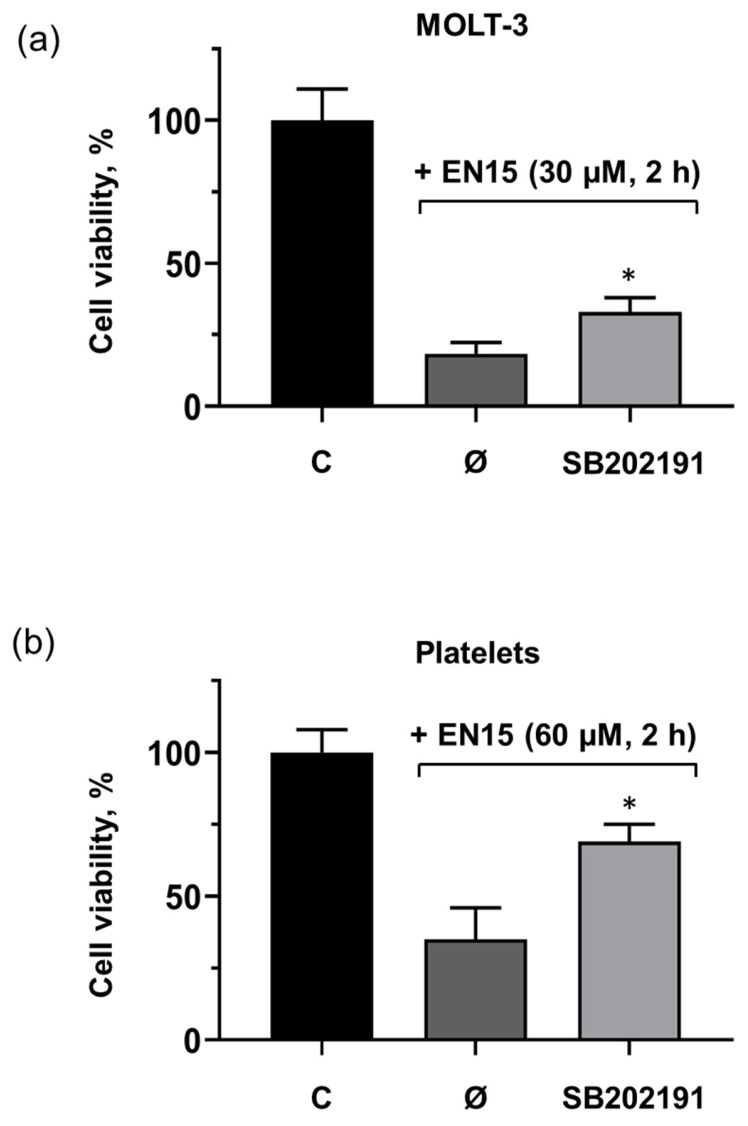 Figure 8
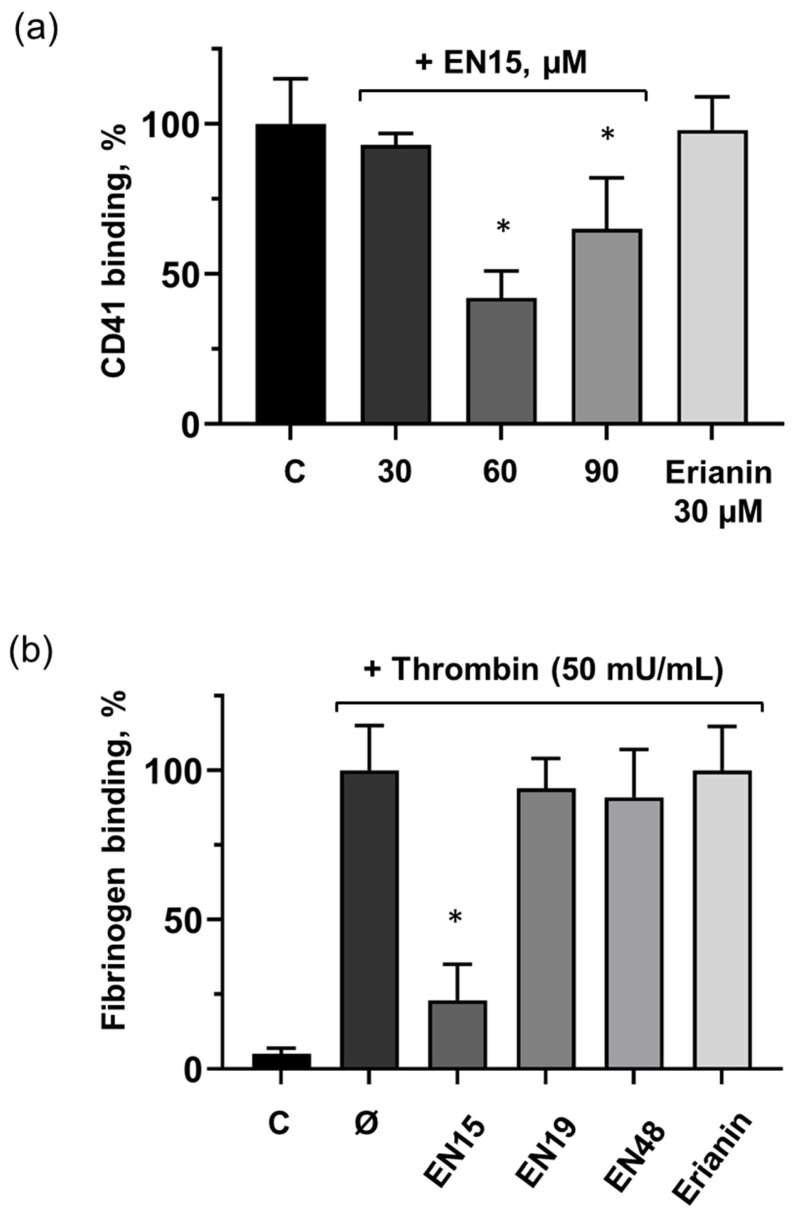 Figure 9
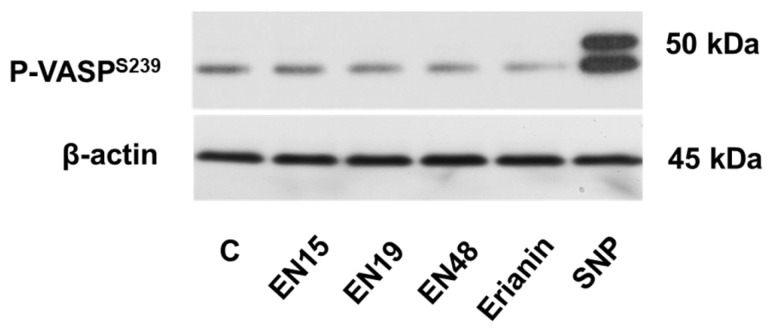 Figure 10
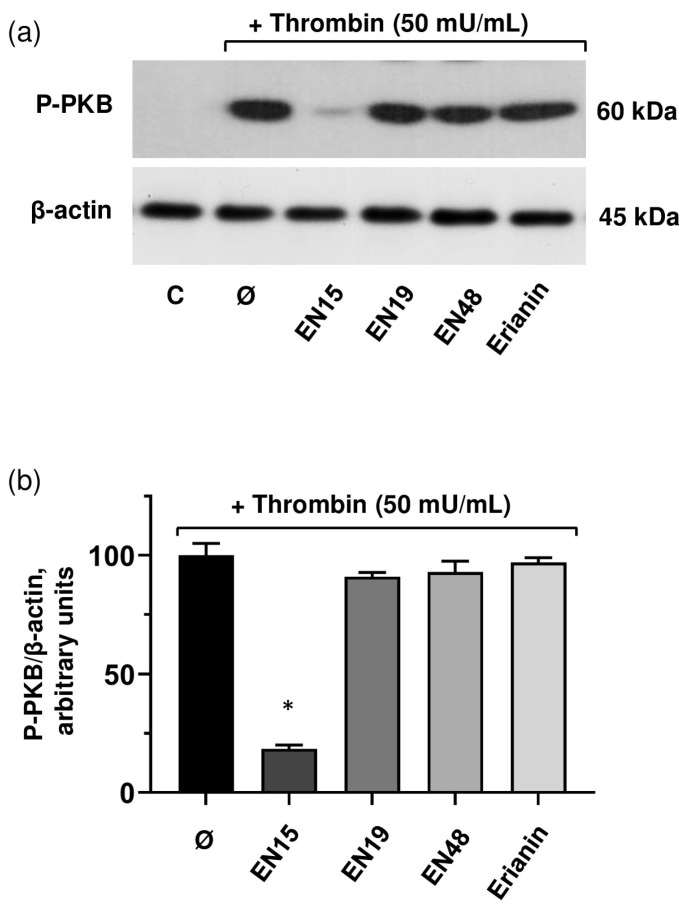 Figure 11
Peer Reviews
No public reviews on file for this paper yet. If you reviewed it on a platform where reviews are public (OpenReview, ICLR, NeurIPS, ICML), you can paste yours below so the community can read it here.
Videos
No videos yet. Explain this paper in a talk, walkthrough, or lecture? Add one.
Taxonomy
TopicsBiological and pharmacological studies of plants · Bioactive natural compounds · Ginger and Zingiberaceae research