Assessment of Oral Poliovirus Vaccine Viability and Titer at Delivery Points in Kinshasa, the Democratic Republic of the Congo: Implications for Cold Chain Management
Gracia Kashitu-Mujinga, Anguy Makaka-Mutondo, Meris Matondo-Kuamfumu, Fabrice Mambu-Mbika, Junior Bulabula-Penge, Trésor Kabeya-Mampuela, Frida Nkawa, Grace Wanet-Tayele, Bibiche Nsunda-Makanzu, Pierre Nsele-Muntatu, Lusamba Kabamba, Antoine Nkuba-Ndaye

TL;DR
This study examines how the cold chain affects the effectiveness of polio vaccines in Kinshasa, finding that vaccine potency declines as it moves from central to peripheral health facilities.
Contribution
The study provides empirical evidence on OPV vaccine viability degradation in the DRC's health system, highlighting cold chain management issues.
Findings
10% of bOPV vaccines had viral titers below WHO thresholds, while all nOPV2 vaccines met standards.
Viral titer significantly declined as vaccines moved down the health pyramid distribution chain.
Both bOPV and nOPV2 vaccines showed reduced potency in peripheral health facilities.
Abstract
Background: Poliomyelitis is a vaccine-preventable disease, with oral poliomyelitis vaccines (OPVs) and injectable poliomyelitis vaccines. In the Democratic Republic of the Congo (DRC), circulating vaccine-derived polioviruses (VDPVs) persist due to intrinsic and extrinsic factors, including the quality of the cold chain, which may make the vaccines less effective. This study’s objective was to evaluate the cold chain’s quality of OPVs and its effect on the vaccine’s viability and potency at different levels in health systems in Kinshasa. Methods: A cross-sectional study was conducted in Kinshasa, collecting OPVs at different levels of the health pyramid. Vaccine viability was assessed by cell culture using a modified World Health Organization (WHO) protocol, and the viral titer was determined using the Karber formula. The vaccine titer was classified as “very good”, “good”, or “poor”…
Genes, proteins, chemicals, diseases, species, mutations and cell lines named across the full text — each resolved to its canonical identifier and authoritative record.
Click any figure to enlarge with its caption.
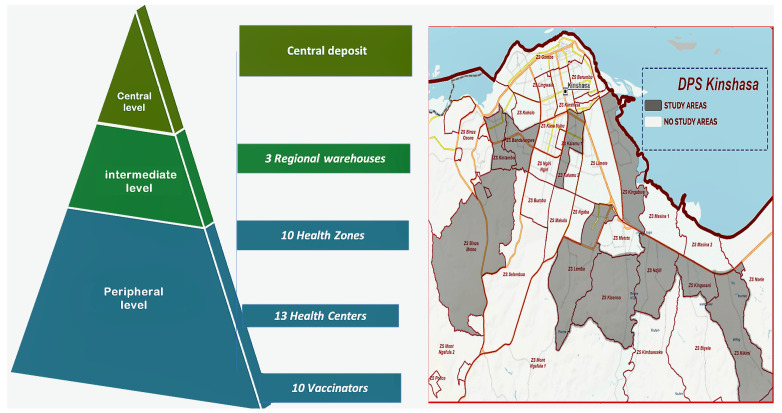 Figure 1
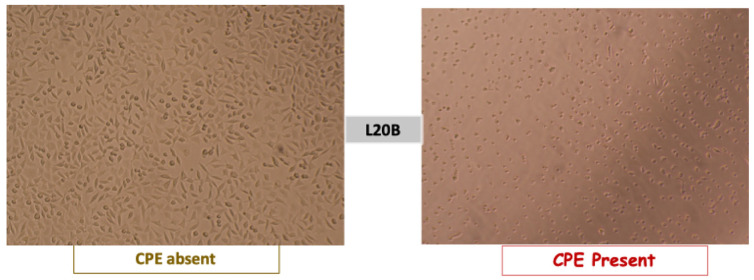 Figure 2
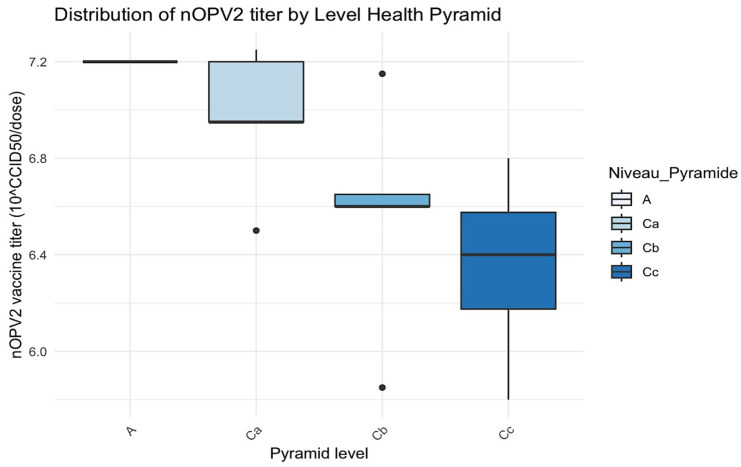 Figure 3
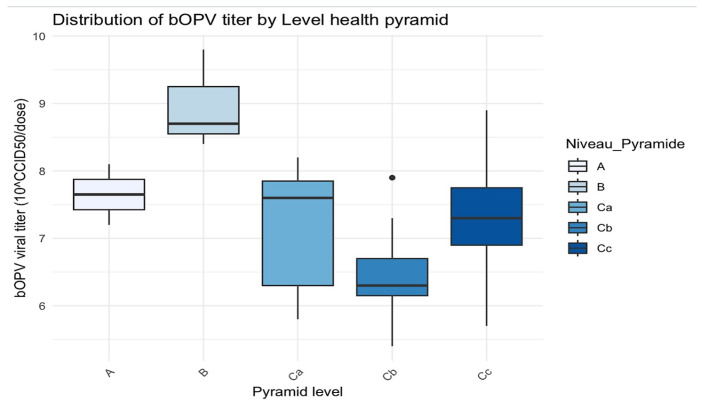 Figure 4
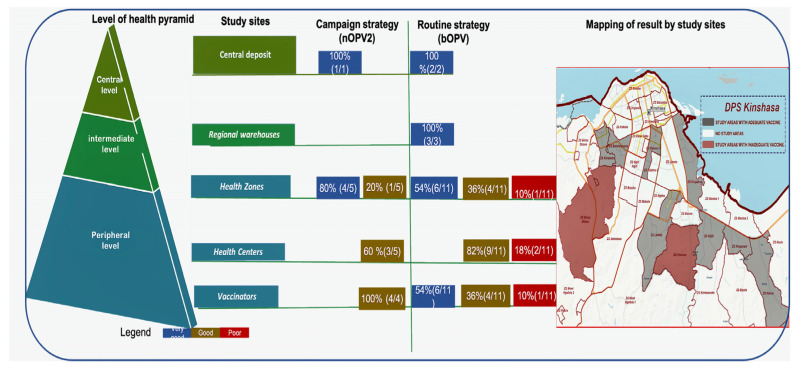 Figure 5
 Figure 6
 Figure 7
 Figure 8
Peer Reviews
No public reviews on file for this paper yet. If you reviewed it on a platform where reviews are public (OpenReview, ICLR, NeurIPS, ICML), you can paste yours below so the community can read it here.
Videos
No videos yet. Explain this paper in a talk, walkthrough, or lecture? Add one.
Taxonomy
TopicsViral Infections and Immunology Research · Viral gastroenteritis research and epidemiology · SARS-CoV-2 and COVID-19 Research