A Stability- and Aggregation-Based Method for Heart Rate Estimation Using Photoplethysmographic Signals During Physical Activity
Sabrina C. Crepaldi, Jiabin Wang, Fumiya Matsumoto, Hiroki Takeuchi, Tatsuhiko Watanabe, Yoshiharu Yamamoto

TL;DR
This paper introduces a simple, effective method for estimating heart rate from PPG signals during physical activity, outperforming deep learning models without requiring complex computations or training data.
Contribution
A novel, one-size-fits-all signal processing method for heart rate estimation that avoids deep learning and reduces computational needs.
Findings
The proposed method outperforms CNN ensemble models on the PPG-DaLiA and IEEE_Test datasets.
It reduces mean absolute error by 1.45 bpm and 5.71 bpm compared to deep learning approaches.
The method works across multiple datasets and devices, including a new smart ring dataset.
Abstract
In recent years, the use of photoplethysmography (PPG)-based heart rate detection has gained considerable attention as a cost-effective alternative to conventional electrocardiography (ECG) for applications in healthcare and fitness tracking. Although deep learning methods have shown promise in heart rate estimation and motion artifact removal from PPG signals recorded during physical activity, their computational requirements and need for extensive training data make them less practical for real-world conditions when ground truth data is unavailable for calibration. This study presents a one-size-fits-all approach for heart rate estimation during physical activity that employs aggregation-based techniques to track heart rate and minimize the effects of motion artifacts, without relying on complex machine learning or deep learning techniques. We evaluate our method on four publicly…
Genes, proteins, chemicals, diseases, species, mutations and cell lines named across the full text — each resolved to its canonical identifier and authoritative record.
Click any figure to enlarge with its caption.
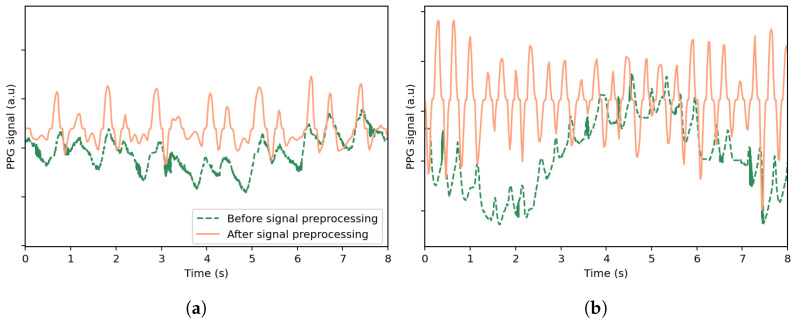 Figure 1
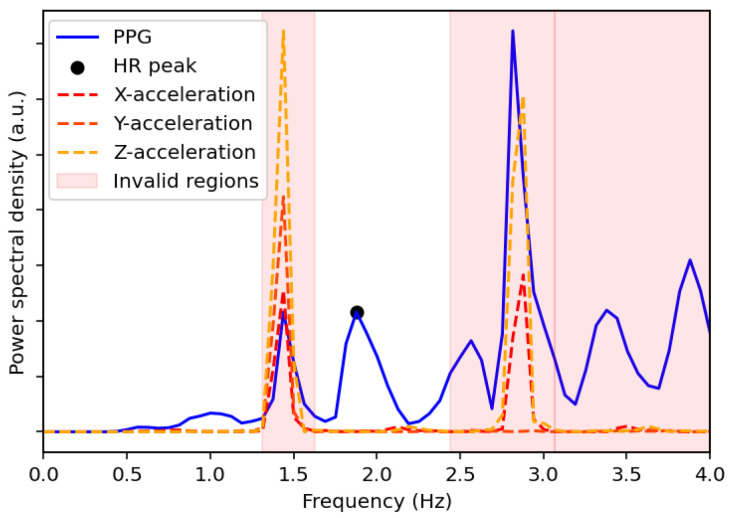 Figure 2
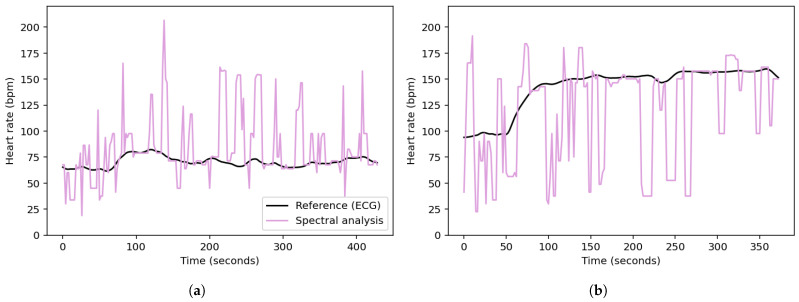 Figure 3
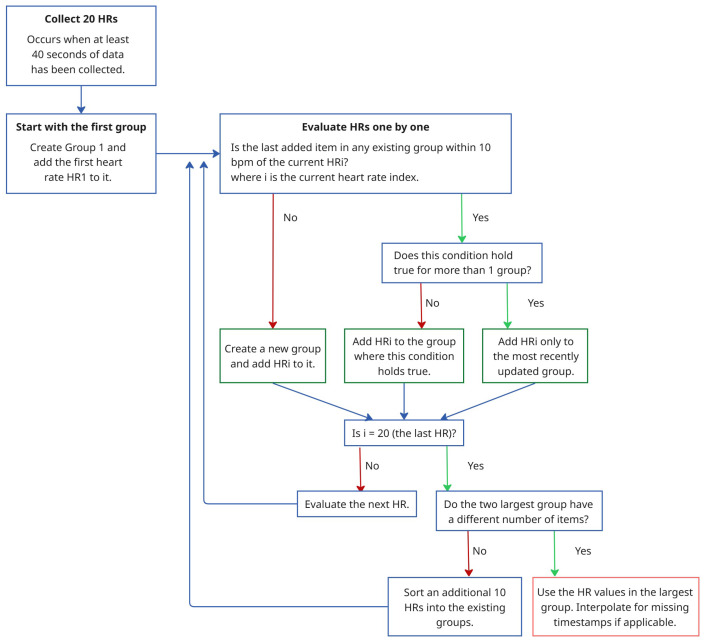 Figure 4
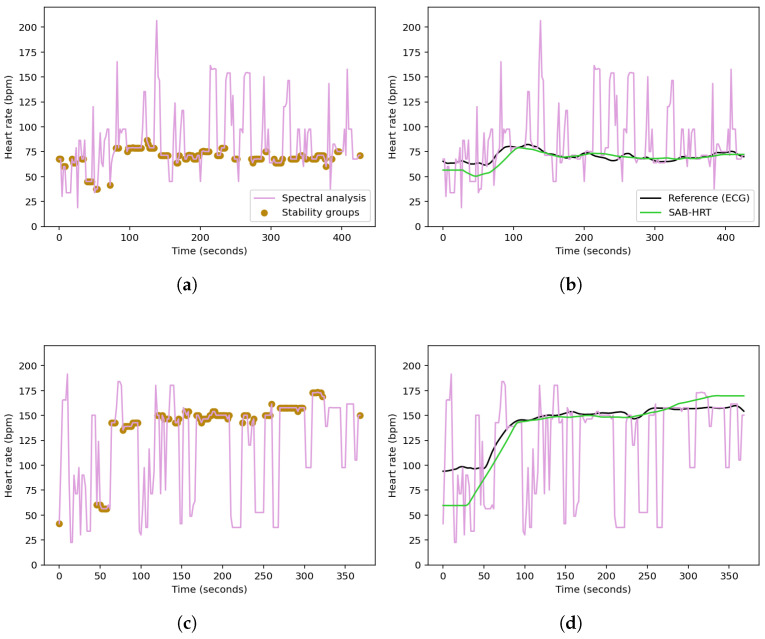 Figure 5
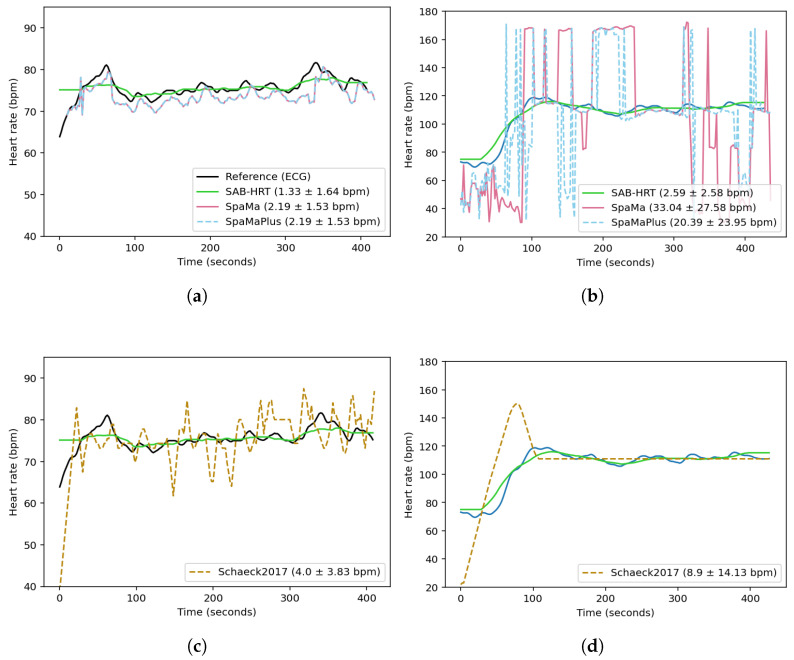 Figure 6
Peer Reviews
No public reviews on file for this paper yet. If you reviewed it on a platform where reviews are public (OpenReview, ICLR, NeurIPS, ICML), you can paste yours below so the community can read it here.
Videos
No videos yet. Explain this paper in a talk, walkthrough, or lecture? Add one.
Taxonomy
TopicsNon-Invasive Vital Sign Monitoring · Heart Rate Variability and Autonomic Control · Hemodynamic Monitoring and Therapy