Discrimination of Clinical and Food-Derived Candida Strains Using Biotyping and Molecular Typing Approaches
Katarzyna Rajkowska, Anna Otlewska, Dorota Simińska

TL;DR
This study compares different methods to distinguish between Candida strains from clinical and food sources, finding that ITS sequencing and karyotyping are the most accurate.
Contribution
The study introduces the use of ITS sequencing and karyotyping as highly discriminatory methods for Candida strain typing.
Findings
ITS sequencing and karyotyping achieved a discrimination index of 1.000, the highest among tested methods.
Biotyping misclassified 64.3% of isolates compared to ITS sequencing.
Lower discrimination indices may reflect method limitations, not true genetic relatedness.
Abstract
Identification and differentiation of Candida spp. yeasts, especially clinically relevant isolates, is of high importance with respect to their origin, pathogenic potential, colonization pattern, and resistance to antimycotics. Currently, numerous typing methods with varying or unknown discriminatory power are used. This study evaluated the utility of five methods—biotyping using the API system, ITS1 and ITS4 sequence analysis, ITS region polymorphism, multiplex PCR of ITS1, ITS3, and ITS4 regions, and karyotyping—for typing 42 strains differing in origin (24 clinical and 18 food-borne). The highest discriminatory power was obtained for ITS sequencing and karyotyping, both yielding a discrimination index of 1.000. The discrimination indices for other methods ranged from 0.957 for genotyping based on ITS region polymorphism to 0.997 for multiplex PCR-genotyping. Although biotyping showed…
Genes, proteins, chemicals, diseases, species, mutations and cell lines named across the full text — each resolved to its canonical identifier and authoritative record.
Click any figure to enlarge with its caption.
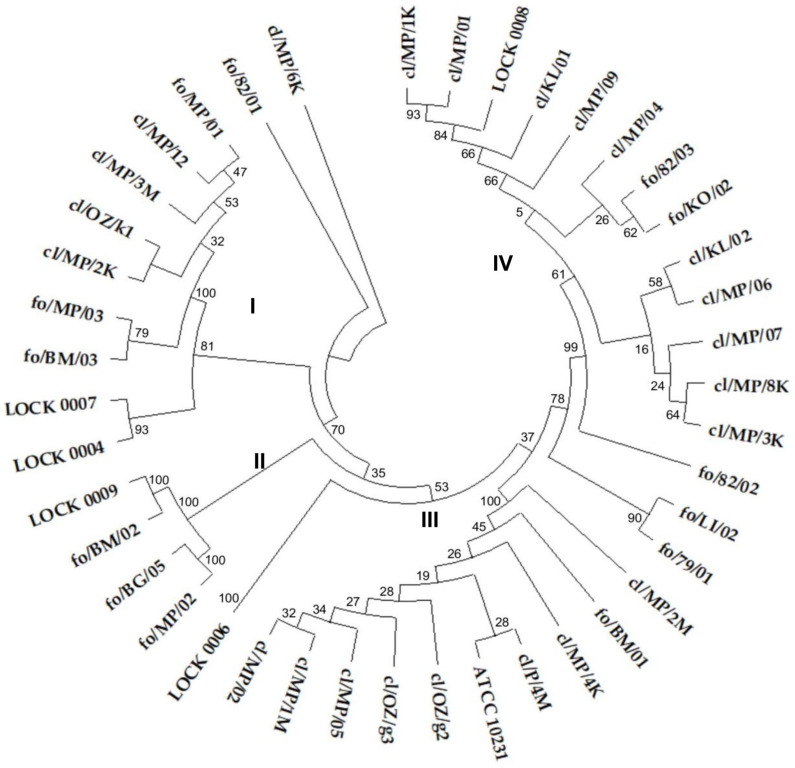 Figure 1
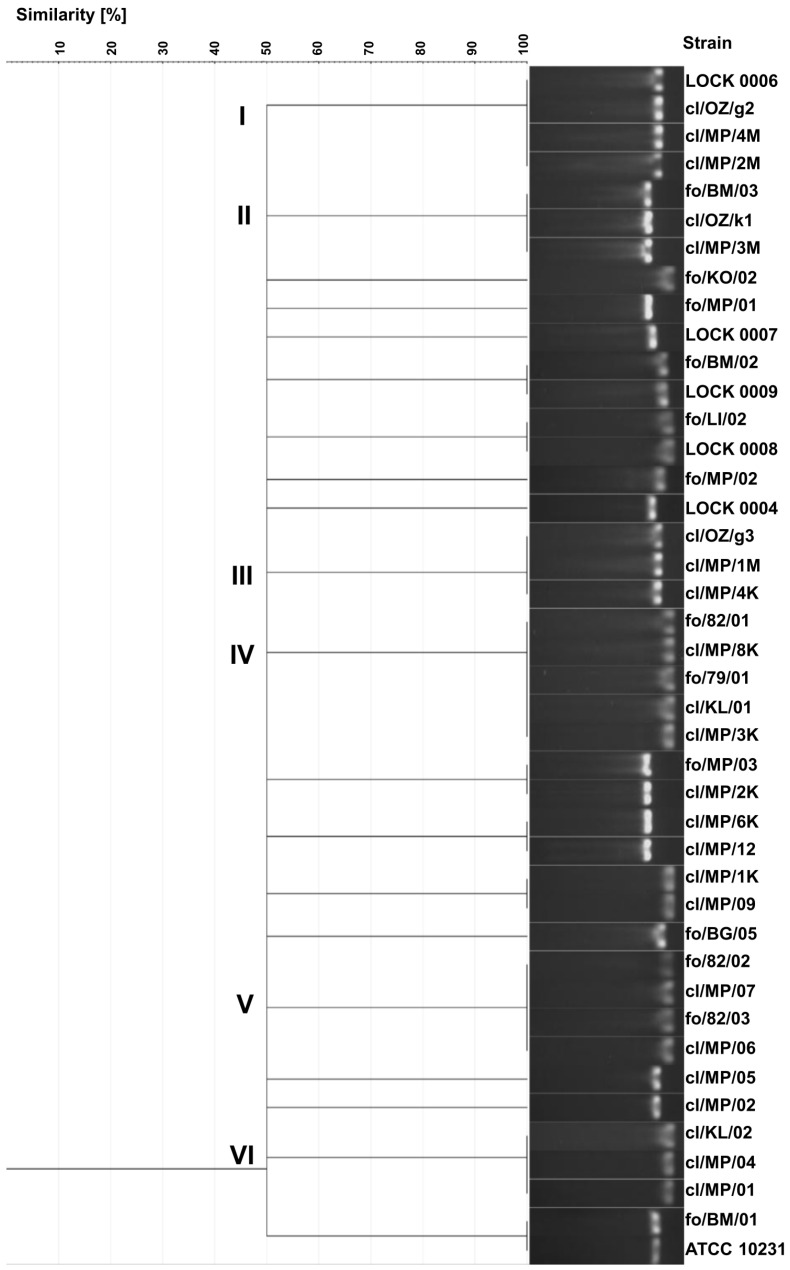 Figure 2
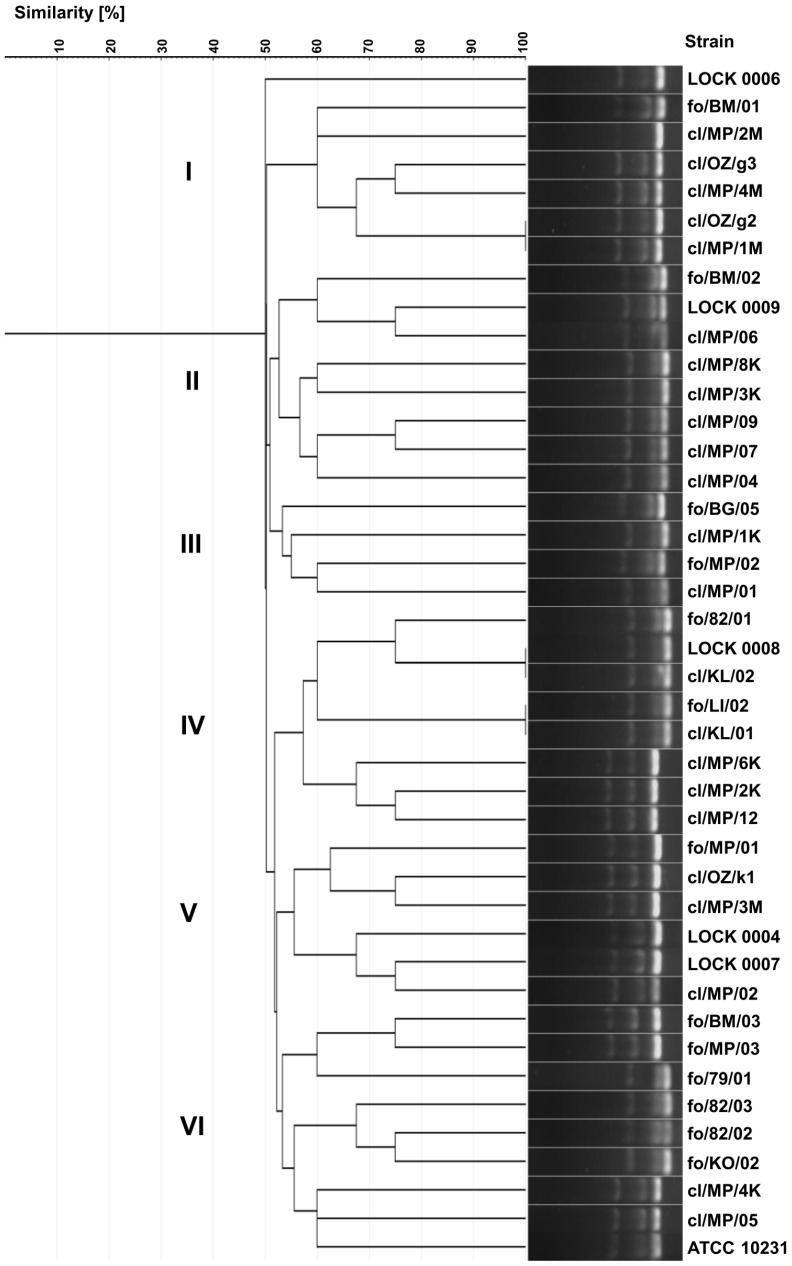 Figure 3
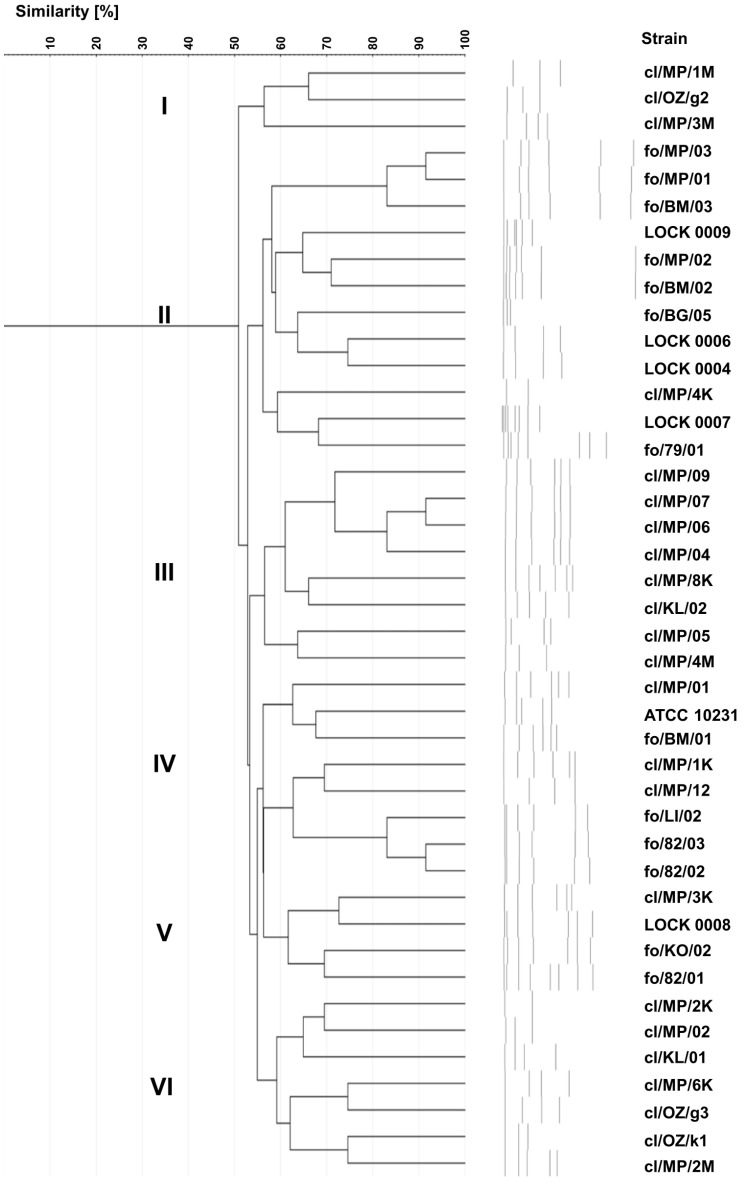 Figure 4
Peer Reviews
No public reviews on file for this paper yet. If you reviewed it on a platform where reviews are public (OpenReview, ICLR, NeurIPS, ICML), you can paste yours below so the community can read it here.
Videos
No videos yet. Explain this paper in a talk, walkthrough, or lecture? Add one.
Taxonomy
TopicsAntifungal resistance and susceptibility · Fungal Infections and Studies · Enterobacteriaceae and Cronobacter Research