Therapeutic Optimization of Pseudomonas aeruginosa Phages: From Isolation to Directed Evolution
Sara Bolognini, Caterina Ferretti, Claudia Campobasso, Elisabetta Trovato, Magda Marchetti, Laura Rindi, Arianna Tavanti, Mariagrazia Di Luca

TL;DR
Researchers isolated and improved three new phages that can target antibiotic-resistant Pseudomonas aeruginosa, showing promise for treating lung infections.
Contribution
The study introduces three novel lytic phages and demonstrates how directed evolution can enhance their therapeutic potential.
Findings
Phage Moonstruck showed superior lytic activity against P. aeruginosa when combined with ciprofloxacin.
Directed evolution improved the killing efficacy of phage Nello but had less consistent effects on Moonstruck.
Evolved phages had mutations in tail-associated genes, suggesting adaptation to better interact with their host.
Abstract
Pseudomonas aeruginosa is a major opportunistic pathogen with high levels of antibiotic resistance. Phage therapy represents a promising alternative for the treatment of difficult infections both alone and in combination with antibiotics. Here, we isolated and characterized three novel lytic myoviruses, Cisa, Nello, and Moonstruck. Genomic analysis revealed that Cisa and Nello belong to the Pbunavirus genus, while Moonstruck is a novel Pakpunavirus species. All lacked lysogeny, virulence, or resistance-associated genes, supporting their therapeutic suitability. Phage Nello and Moonstruck were active against P. aeruginosa Pa3GrPv, isolated from a patient with lung infection candidate for phage therapy. Moonstruck exhibited superior lytic activity with ciprofloxacin sub-MIC value (0.125 µg/mL), achieving bacterial suppression for 48 h. However, to improve the lytic efficacy of the phages…
Genes, proteins, chemicals, diseases, species, mutations and cell lines named across the full text — each resolved to its canonical identifier and authoritative record.
Click any figure to enlarge with its caption.
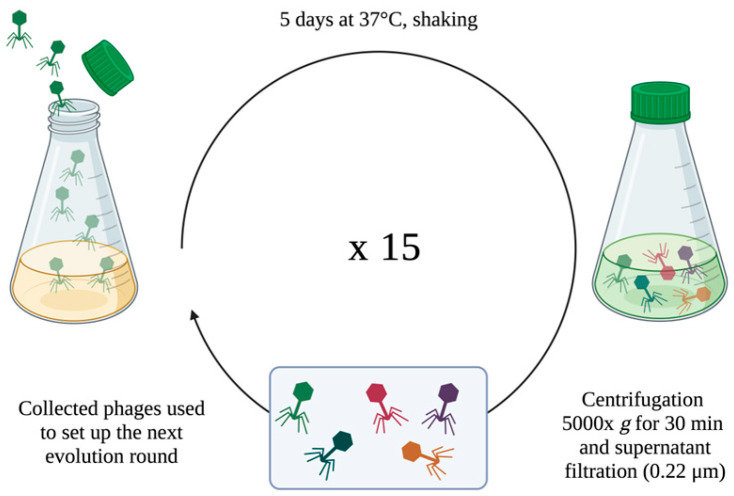 Figure 1
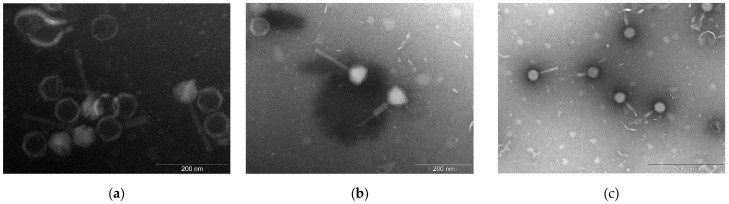 Figure 2
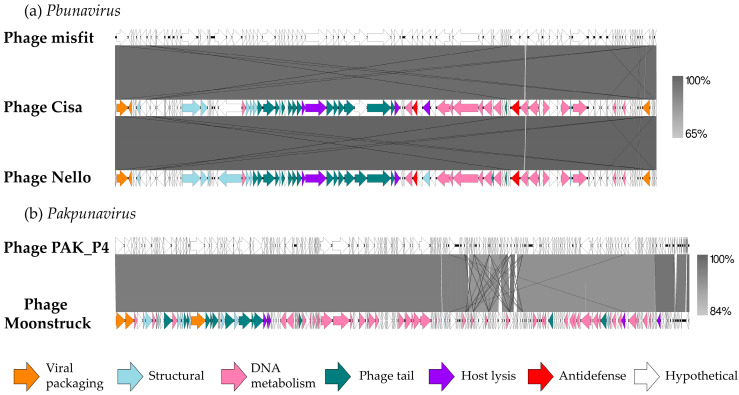 Figure 3
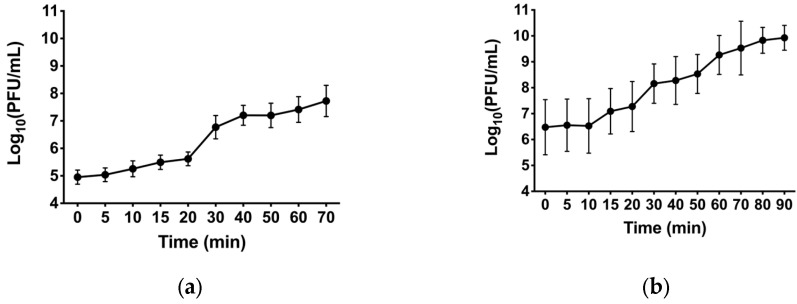 Figure 4
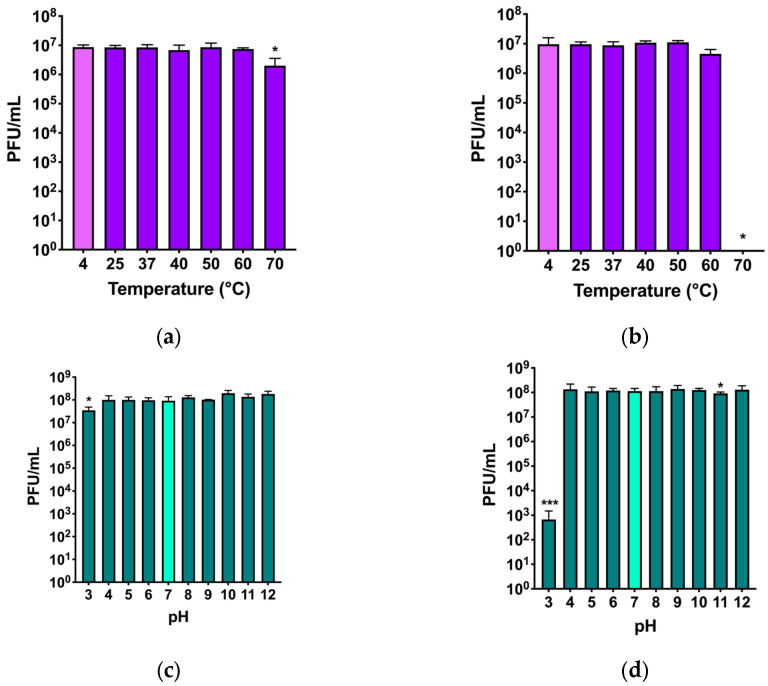 Figure 5
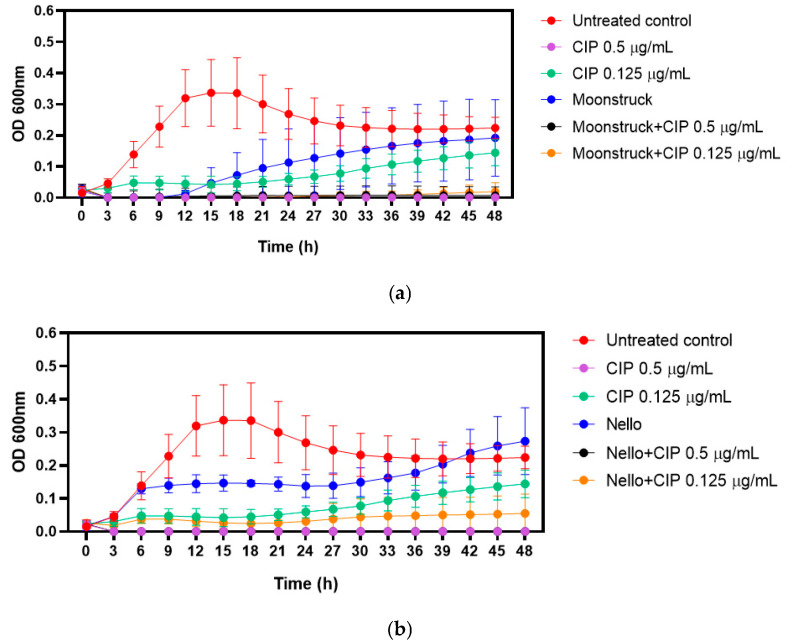 Figure 6
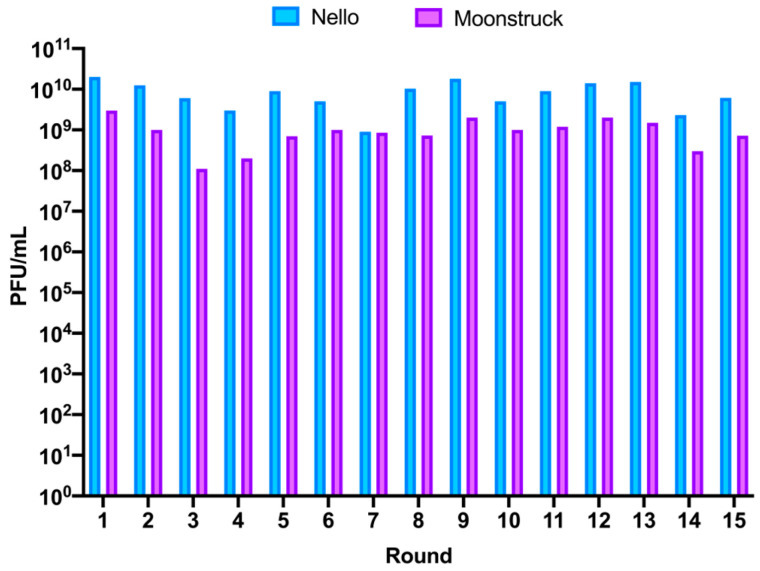 Figure 7
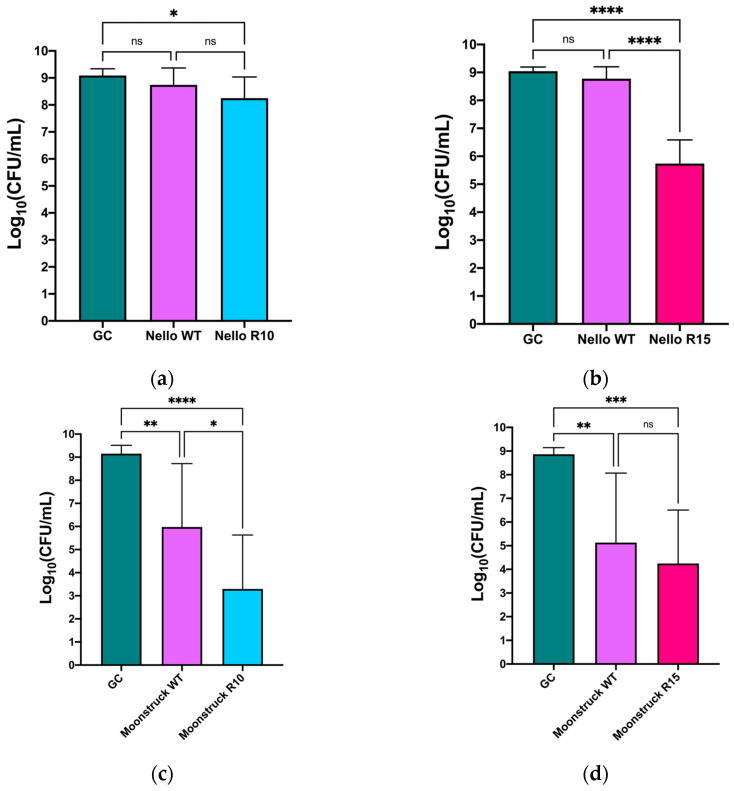 Figure 8
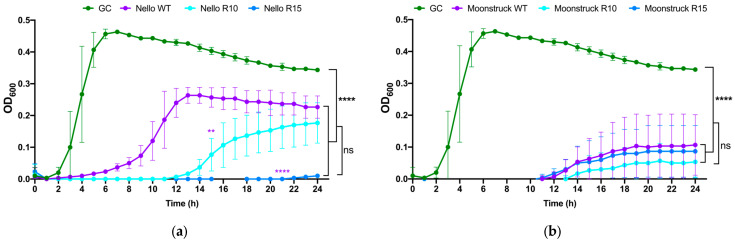 Figure 9
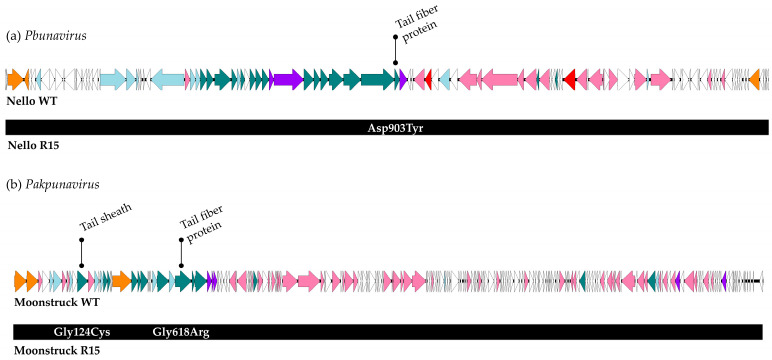 Figure 10
Peer Reviews
No public reviews on file for this paper yet. If you reviewed it on a platform where reviews are public (OpenReview, ICLR, NeurIPS, ICML), you can paste yours below so the community can read it here.
Videos
No videos yet. Explain this paper in a talk, walkthrough, or lecture? Add one.
Taxonomy
TopicsBacteriophages and microbial interactions · Microbial infections and disease research · Plant Virus Research Studies