Rhododendron Microshoot Culture as a Source of Phenolic Antioxidants for Biomedicine
Vera M. Katanskaya, Olga G. Vasilyeva, Elena P. Khramova, Natalia N. Sazhina, Evgenia A. Goncharuk, Tatiana L. Nechaeva, Maria Y. Zubova, Maria A. Aksenova, Petr V. Lapshin, Natalia V. Zagoskina

TL;DR
Rhododendron microshoots, especially R. japonicum and R. PJM Elite, are promising sources of phenolic antioxidants with potential biomedical applications.
Contribution
The study identifies rhododendron microshoots as a novel source of phenolic antioxidants with species-specific flavonoid profiles.
Findings
R. japonicum microshoots showed the highest antioxidant and antiradical activity among the species tested.
R. PJM Elite microshoots had the highest photosynthetic pigment content and were rich in taxifolin and (−)-epicatechin.
A strong correlation was found between antioxidant activity and flavonoid content in the extracts.
Abstract
The search for alternative sources of biologically active compounds of plant origin, including phenolic compounds (PCs), is of great importance in medicine and pharmacology. Morphophysiological characteristics, photosynthetic pigments, PCs content, phenolic profile, as well as antioxidant (AOA) and antiradical activity (ARA), were studied for in vitro rhododendrons’ microshoots (R. smirnowii, R. PJM Elite, R. japonicum). The microshoots of R. PJM Elite had the highest photosynthetic pigments content (chlorophylls a and b), exceeding that of R. smirnowii and R. japonicum, it was 33% and 42%, respectively. The total phenolic content increased in the row R. PJM Elite < R. smirnowii < R. japonicum. Twelve to twenty phenolic compounds were identified in ethanol extracts of rhododendron microshoots, using high-performance liquid chromatography. Quercetin, kaempferol, and myricetin dominated…
Genes, proteins, chemicals, diseases, species, mutations and cell lines named across the full text — each resolved to its canonical identifier and authoritative record.
Click any figure to enlarge with its caption.
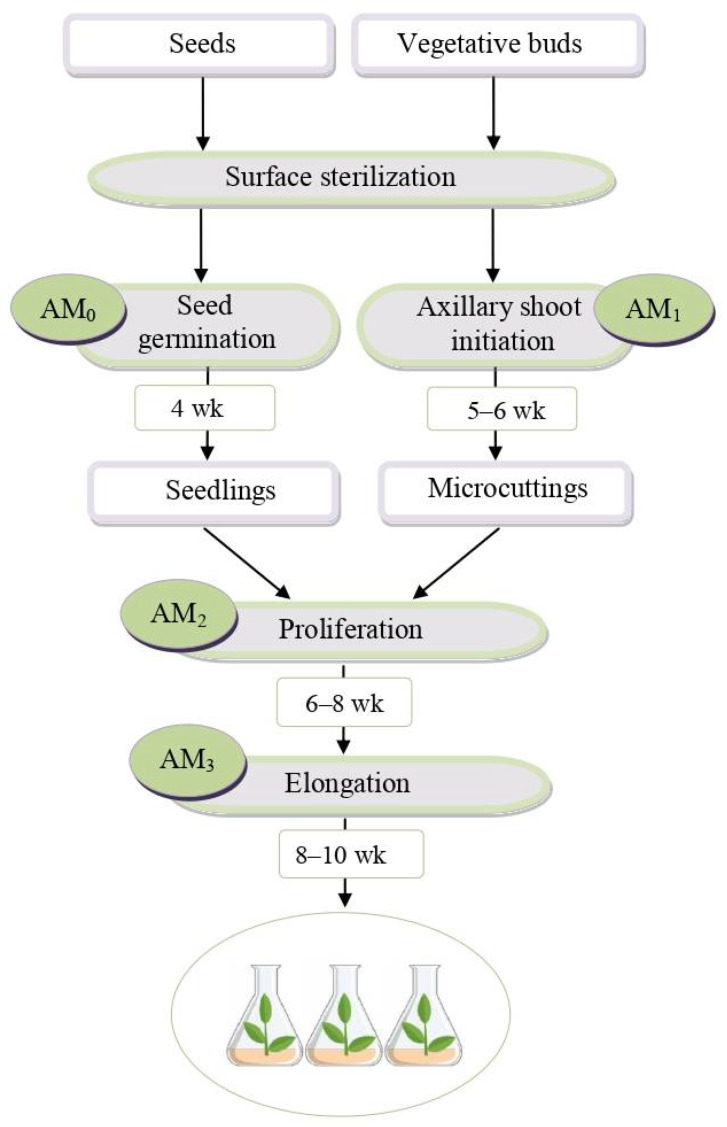 Figure 1
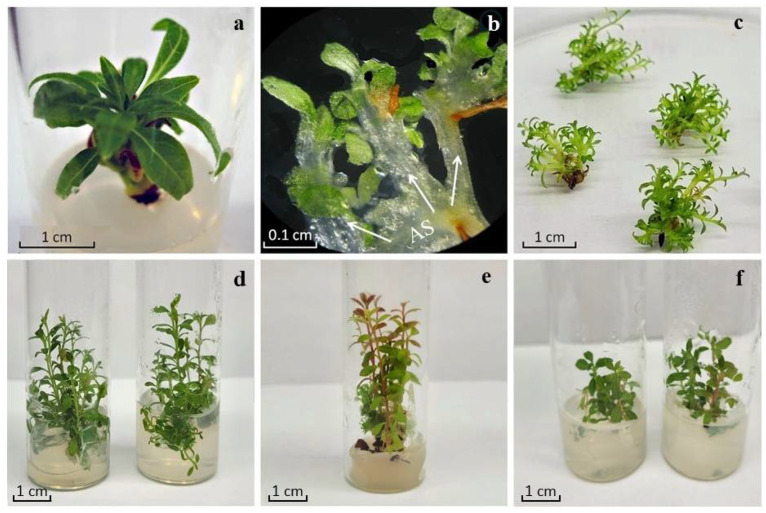 Figure 2
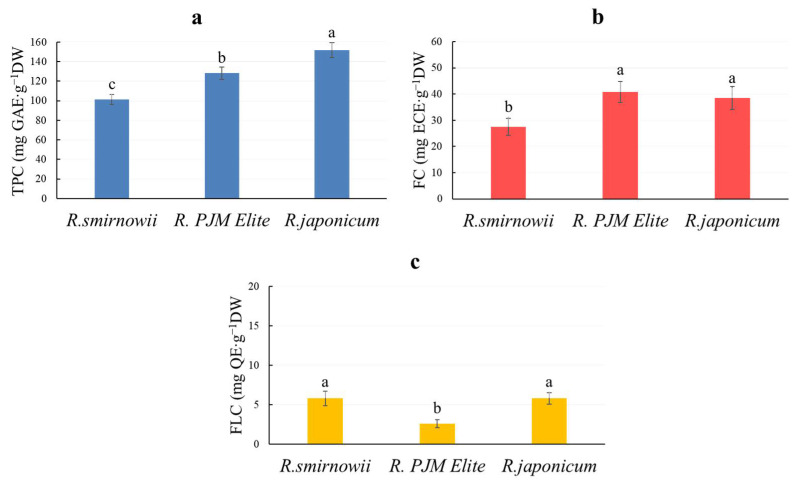 Figure 3
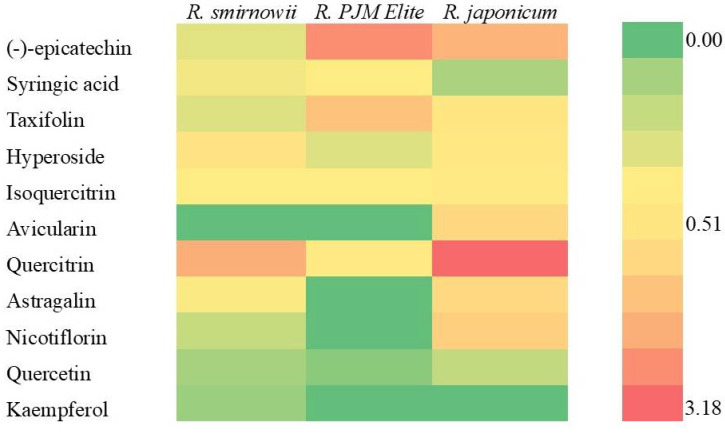 Figure 4
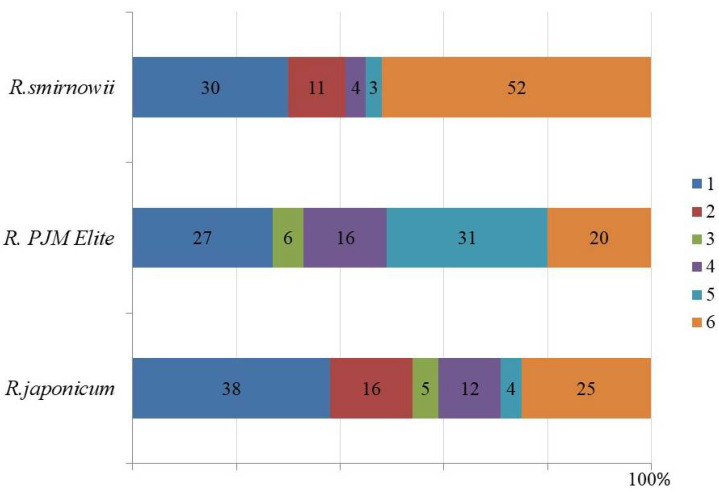 Figure 5
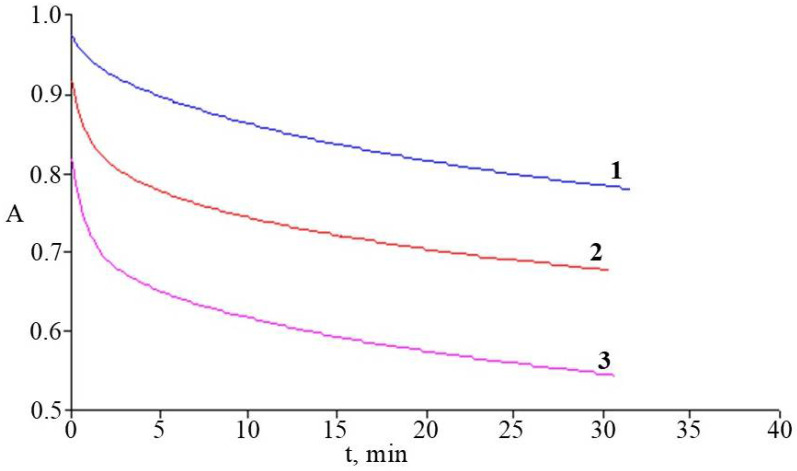 Figure 6
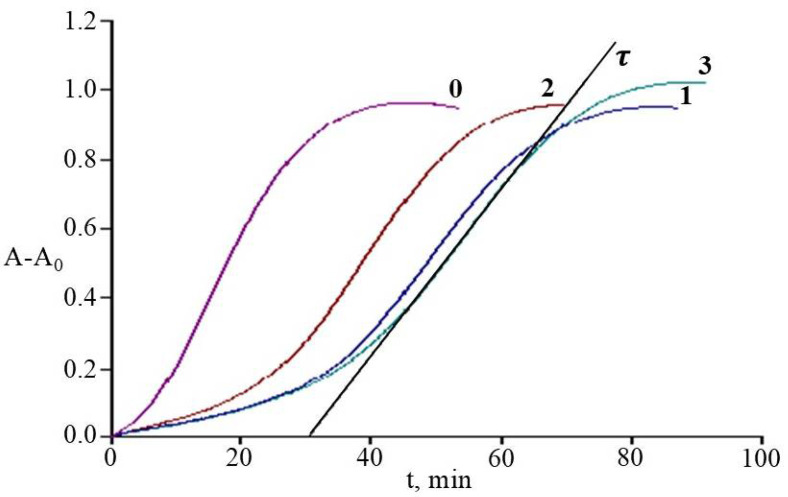 Figure 7
Peer Reviews
No public reviews on file for this paper yet. If you reviewed it on a platform where reviews are public (OpenReview, ICLR, NeurIPS, ICML), you can paste yours below so the community can read it here.
Videos
No videos yet. Explain this paper in a talk, walkthrough, or lecture? Add one.
Taxonomy
TopicsBiological and pharmacological studies of plants · Essential Oils and Antimicrobial Activity · Bioactive Natural Diterpenoids Research