Achnatherum inebrians Bacterial Communities Associated with Epichloë gansuensis Endophyte Infection Under Low-Concentration Urea Treatment: Links to Plant Growth and Root Metabolite
Yuanyuan Jin, Zhenjiang Chen, Kamran Malik, Chunjie Li

TL;DR
This study explores how a grass-endophyte symbiosis affects plant growth and root bacteria under low urea conditions.
Contribution
The research reveals how Epichloë gansuensis endophyte influences plant growth and rhizosphere microbiome under low-nitrogen urea treatment.
Findings
E. gansuensis endophyte does not produce IAA, pectinase, or nitrogenase, suggesting it does not directly promote plant growth.
Endophyte-infected plants showed increased tiller number, dry weight, and root characteristics under urea treatment.
Endophyte infection altered bacterial community composition and increased microbial diversity in shoots and roots.
Abstract
Despite chemical exchange often serving as the first step in plant–microbe interactions, the specialized chemical metabolites produced by grass–Epichloë endophyte symbiosis as mediators of host growth, nutrient acquisition, and modulators of the rhizosphere community under low-nitrogen conditions are areas lacking in knowledge. In this study, we investigated the plant growth-promoting effects of the Epichloë endophyte strain and identified the growth of the Epichloë strain under different types of nitrogen source treatments. In addition to the in vitro test, we evaluated growth performance for Epichloë endophyte–infected plants (E+) and Epichloë endophyte–free plants (E−) in a pot trial under 0.01 mol/L urea treatment. Seedlings from E+ and E− groups were collected to analyze the plant bacterial microbiome and root metabolites. The E. gansuensis endophyte strain was found not to produce…
Genes, proteins, chemicals, diseases, species, mutations and cell lines named across the full text — each resolved to its canonical identifier and authoritative record.
Click any figure to enlarge with its caption.
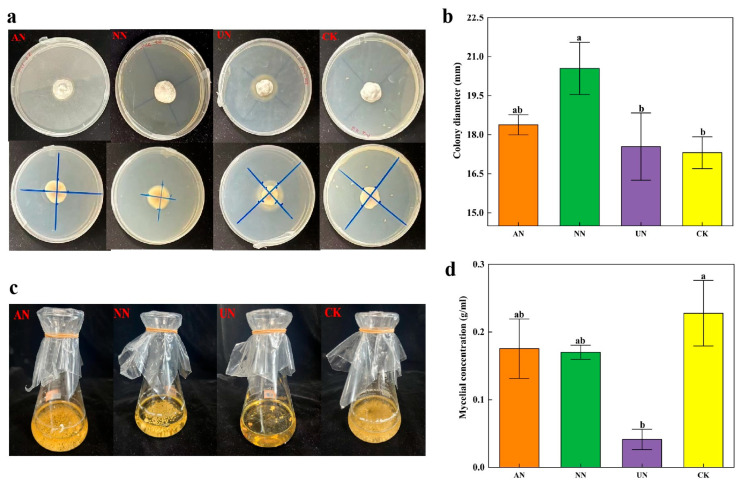 Figure 1
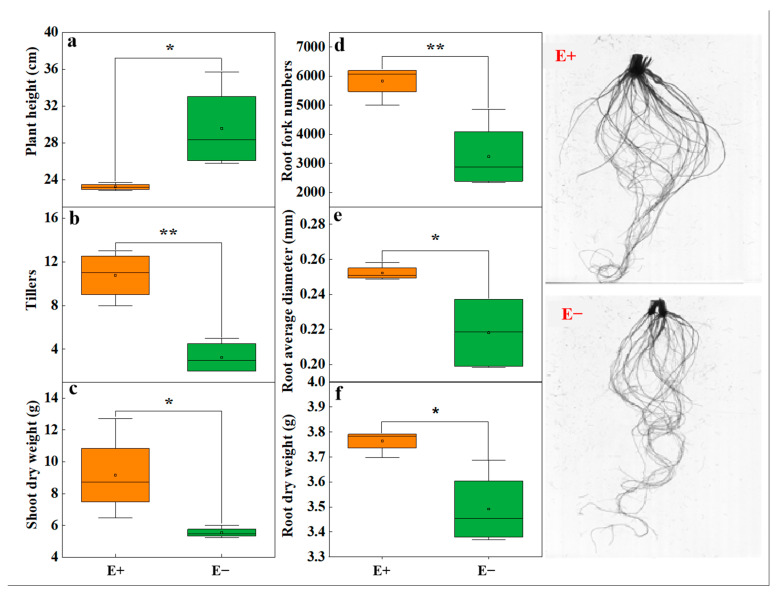 Figure 2
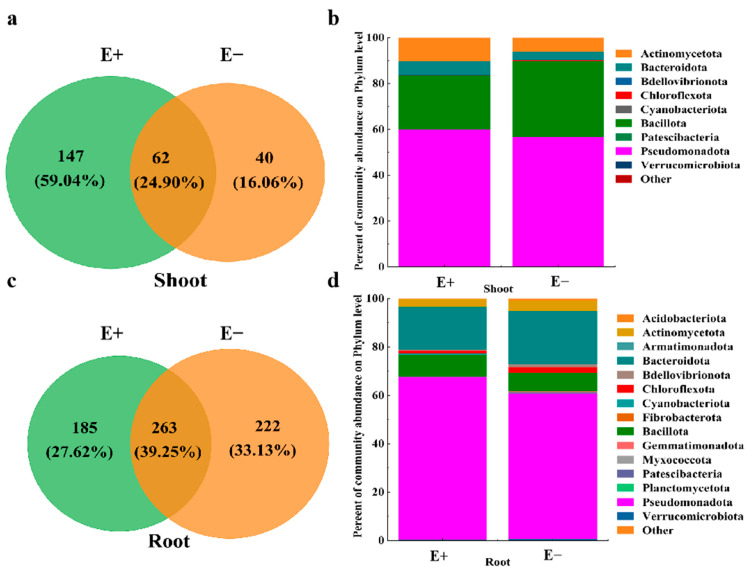 Figure 3
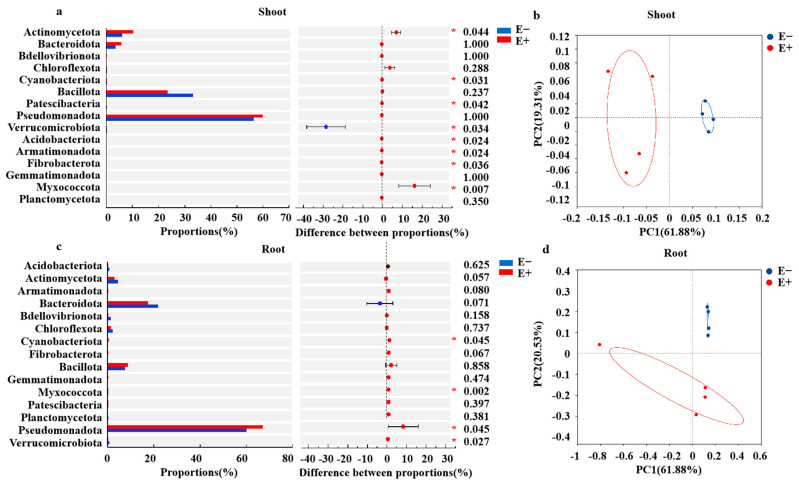 Figure 4
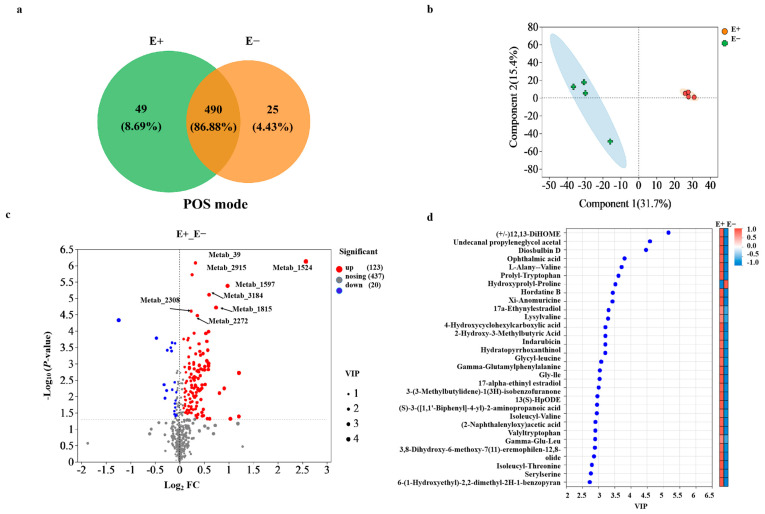 Figure 5
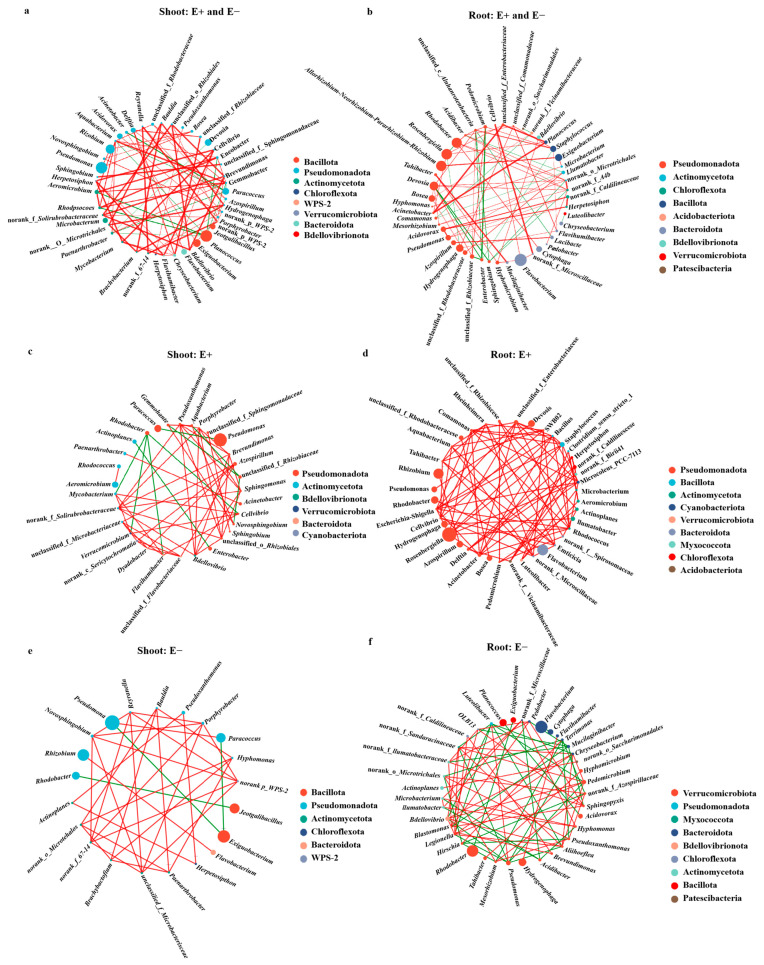 Figure 6
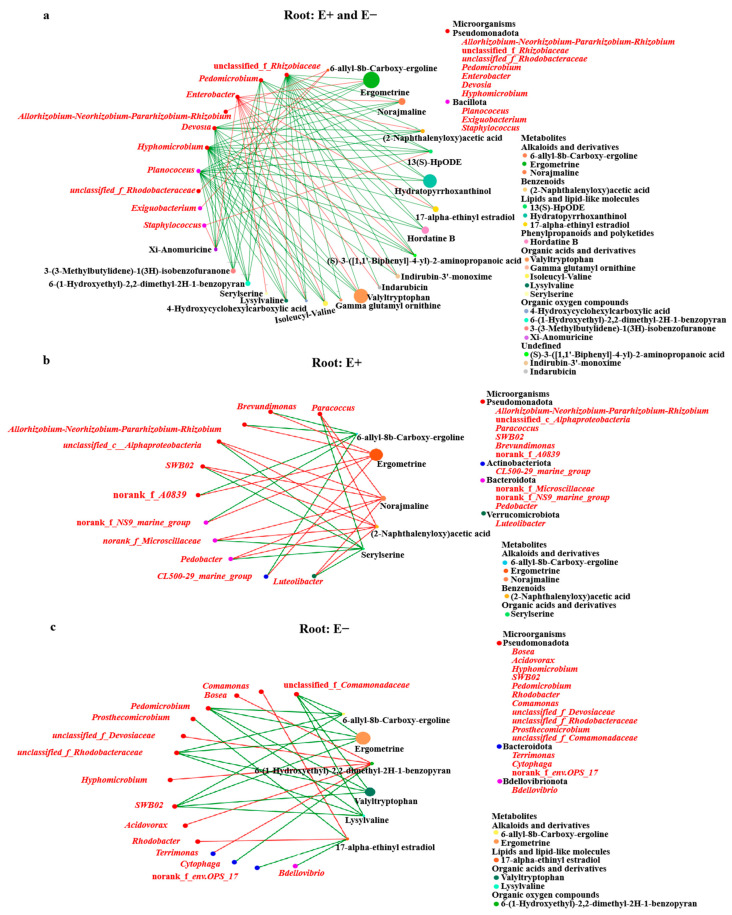 Figure 7
Peer Reviews
No public reviews on file for this paper yet. If you reviewed it on a platform where reviews are public (OpenReview, ICLR, NeurIPS, ICML), you can paste yours below so the community can read it here.
Videos
No videos yet. Explain this paper in a talk, walkthrough, or lecture? Add one.
Taxonomy
TopicsPlant and fungal interactions · Plant Toxicity and Pharmacological Properties · Botanical Research and Chemistry