The Gene Expression Profile of Milk Somatic Cells of Small Ruminant Lentivirus-Seropositive and -Seronegative Dairy Goats (Capra hircus) During Their First Lactation
Joanna Pławińska-Czarnak, Alicja Majewska, Joanna Magdalena Zarzyńska, Jarosław Kaba, Emilia Bagnicka

TL;DR
This study compares gene activity in milk cells of goats infected and not infected with a virus that causes chronic disease, revealing changes in immune-related genes.
Contribution
The study identifies specific gene expression changes in milk somatic cells of SRLV-infected goats using a non-invasive method.
Findings
SRLV-SP goats showed reduced expression of DUSP26, PRLR, SCARA3, APBB2, and OR4F4 genes.
RT-qPCR confirmed altered expression of DUSP26, SCARA3, and APBB2 in SRLV-SP goats.
Functional analysis linked gene changes to immune processes and HIV-like pathways.
Abstract
Caprine arthritis and encephalitis (CAE), caused by small ruminant lentivirus (SRLV), is a key disease of goats, with chronic inflammation of joints and brain symptoms leading to losses in milk production and animal trade. In this study, we analyzed gene expressions in the milk somatic cells (MSCs) of seropositive (SRLV-SP) and seronegative (SRLV-SN) goats to identify transcriptomic changes using a non-invasive sampling method. Materials and Methods: This study was conducted on goats of two Polish breeds (Polish Improved White and Polish Improved Fawn), which were kept at the Institute of Genetics and Animal Biotechnology, Polish Academy of Sciences, during their first lactation. MSCs were isolated from milk, and gene expression was analyzed using the Goat Gene Expression Microarray. The results were verified by RT-qPCR for five genes (DUSP26, PRLR, SCARA3, APBB2, OR4F4). Statistical…
Genes, proteins, chemicals, diseases, species, mutations and cell lines named across the full text — each resolved to its canonical identifier and authoritative record.
Click any figure to enlarge with its caption.
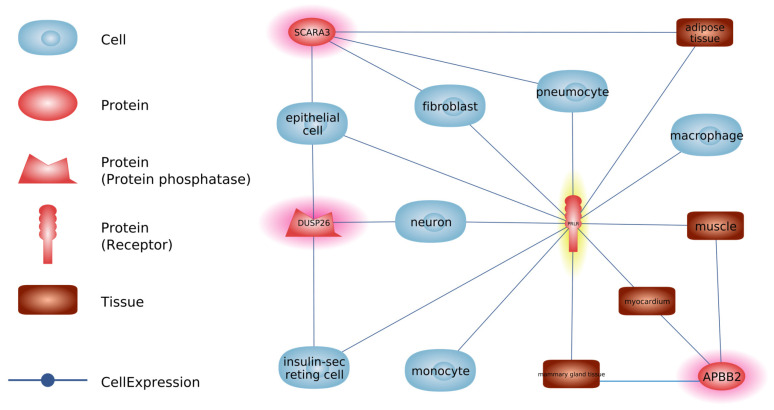 Figure 1
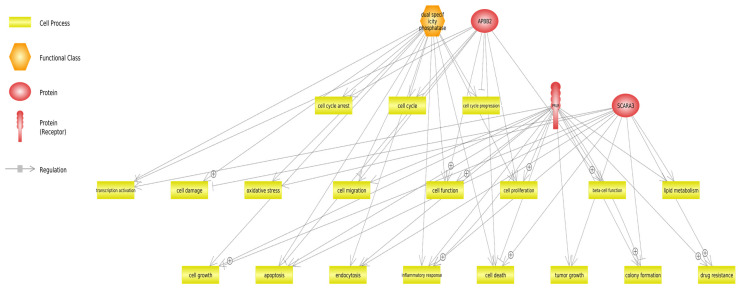 Figure 2
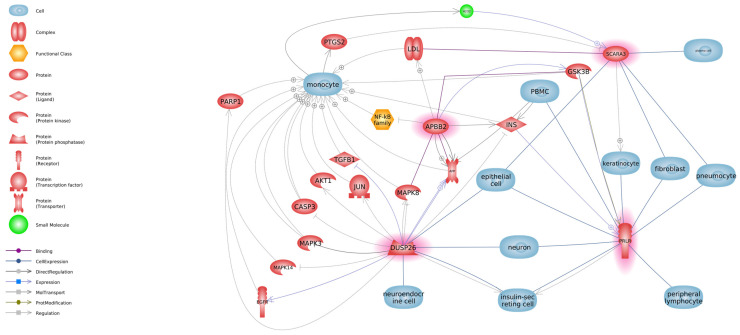 Figure 3
Peer Reviews
No public reviews on file for this paper yet. If you reviewed it on a platform where reviews are public (OpenReview, ICLR, NeurIPS, ICML), you can paste yours below so the community can read it here.
Videos
No videos yet. Explain this paper in a talk, walkthrough, or lecture? Add one.
Taxonomy
TopicsRNA regulation and disease · T-cell and Retrovirus Studies · RNA Research and Splicing