Design and Biological Evaluation of hBest1-Containing Bilayer Nanostructures
Pavel Bakardzhiev, Teodora Koleva, Kirilka Mladenova, Pavel Videv, Veselina Moskova-Doumanova, Aleksander Forys, Sławomira Pusz, Tonya Andreeva, Svetla Petrova, Stanislav Rangelov, Jordan Doumanov

TL;DR
This study designs and evaluates nanostructures containing the hBest1 protein to potentially restore ion transport in retinal cells affected by Bestrophinopathies.
Contribution
The paper introduces a novel method to integrate pure hBest1 protein into lipid bilayer nanostructures for potential therapeutic applications.
Findings
The hBest1-containing nanostructures were not cytotoxic to MDCK II cells.
The nanostructures incorporated into cell membranes, suggesting potential for restoring ion transport in RPE cells.
The study used a combination of DPPC, SM, GMO, and Chol to form the nanostructures.
Abstract
Bestrophinopathies are a group of inherited retinal diseases caused by mutations in the BEST1 gene. The protein encoded by this gene, bestorphin-1 (hBest1), is a calcium-dependent transmembrane channel localized on the basolateral membrane of retinal pigment epithelial (RPE) cells. We have already demonstrated the surface behavior and organization of recombinant hBest1 and its interactions with membrane lipids such as 1-palmitoyl-2-oleoyl-sn-glycero-3-phosphocholine (POPC), sphingomyelin (SM) and cholesterol (Chol) in models of biological membranes, which affect the hBest1 structure–function relationship. The main aim of our current investigation is to integrate pure hBest1 protein into lipid bilayer nanostructures. We synthesized and characterized various hBest1-containing nanostructures based on 1,2-Dipalmitoylphosphatidylcholine (DPPC), SM, glycerol monooleate (GMO) and Chol in…
Genes, proteins, chemicals, diseases, species, mutations and cell lines named across the full text — each resolved to its canonical identifier and authoritative record.
Click any figure to enlarge with its caption.
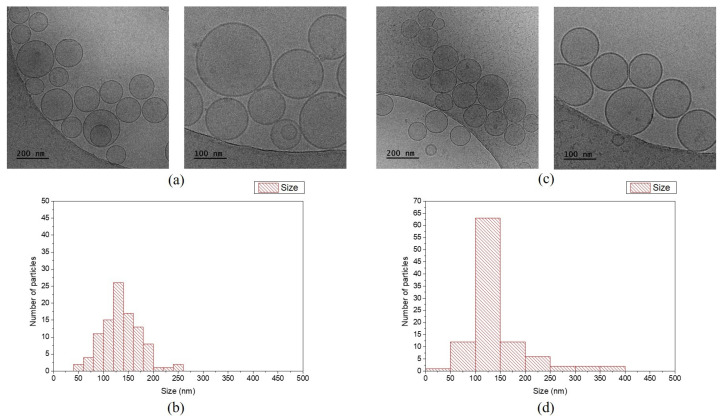 Figure 1
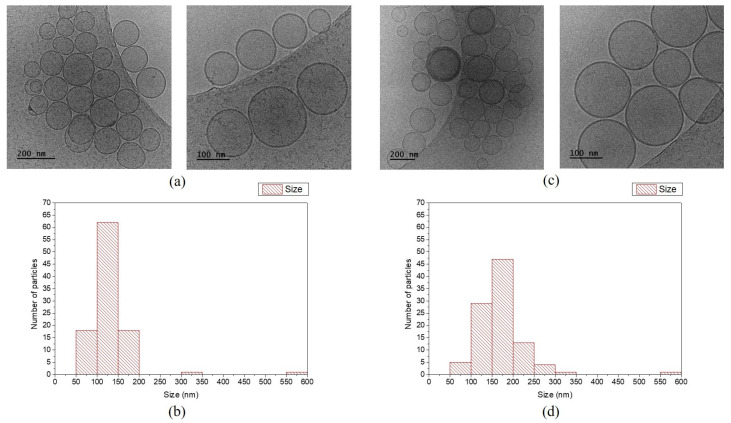 Figure 2
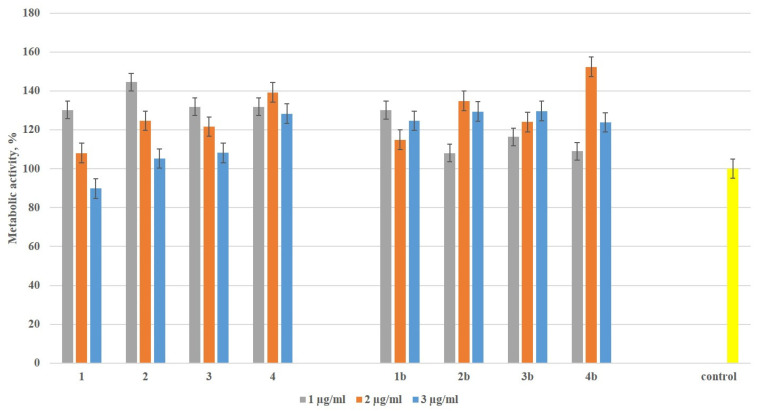 Figure 3
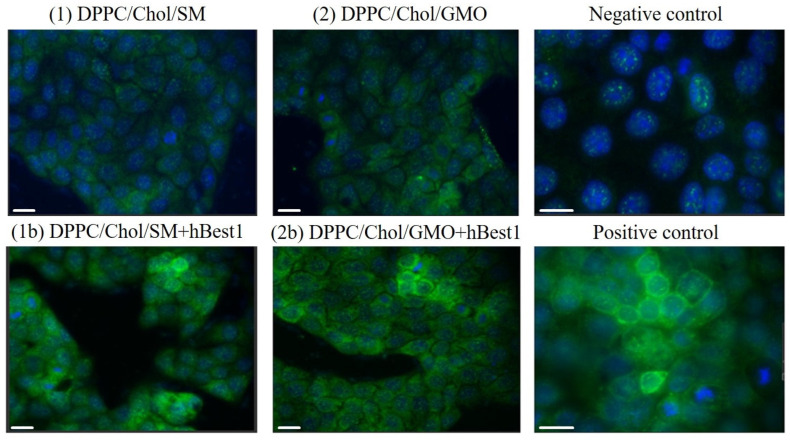 Figure 4
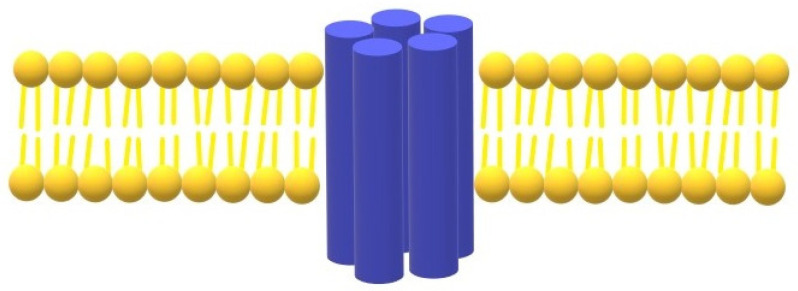 Figure 5
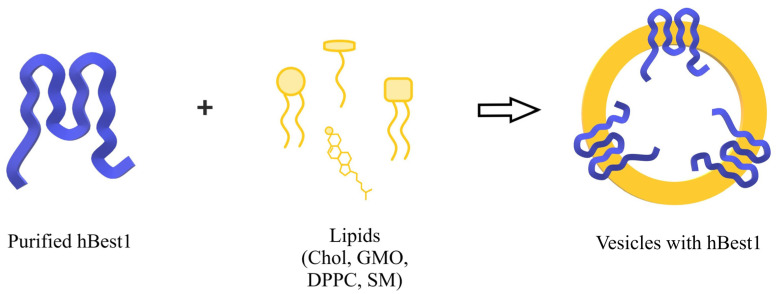 Figure 6
Peer Reviews
No public reviews on file for this paper yet. If you reviewed it on a platform where reviews are public (OpenReview, ICLR, NeurIPS, ICML), you can paste yours below so the community can read it here.
Videos
No videos yet. Explain this paper in a talk, walkthrough, or lecture? Add one.
Taxonomy
TopicsRetinal Development and Disorders · Cellular transport and secretion · Lipid Membrane Structure and Behavior