The Abundance and Distribution of the acdS Gene in Microbial Communities from the Rhizosphere of Copiapoa solaris, a Native Cactus in the Arid Coastal Region of Antofagasta, Chile
Mayra Cayo, Francisco Solís-Cornejo, Andrés Santos, Pedro Zamorano, Bernardita Valenzuela

TL;DR
This study explores how microbial communities in the rhizosphere of a cactus species help it survive in arid coastal regions by analyzing the acdS gene, which is linked to stress tolerance.
Contribution
The study reveals the acdS gene's abundance and distribution in microbial communities of Copiapoa solaris in arid environments, emphasizing its role in stress adaptation.
Findings
The acdS gene was detected in all samples, with the highest abundance in the driest site, Quebrada Izcuña.
The acdS gene was found on plasmids at two sites, suggesting potential mobility within the metagenome.
Quebrada Izcuña showed the least homogeneous microbial community, indicating unique stress-mitigating taxa.
Abstract
Copiapoa solaris is an endemic cactus species from the Antofagasta region, Chile, thriving in arid coastal ecosystems known as “fog oases,” where the rising marine moisture is the primary water source. This study investigates the role of microbial communities associated with the rhizosphere of C. solaris in adapting to extreme environmental conditions, particularly focusing on the acdS gene, which encodes ACC deaminase—an enzyme that reduces ethylene production under stress. This research aims to elucidate the gene’s contribution to the adaptation of C. solaris in these challenging environments. Samples were collected from three sites (El Cobre, Quebrada Botija, and Quebrada Izcuña) that differ in relative humidity, temperature, and topography. Environmental DNA was extracted, phylogenetic diversity was analyzed, and metagenomic annotation of the acdS gene was conducted. The acdS gene…
Genes, proteins, chemicals, diseases, species, mutations and cell lines named across the full text — each resolved to its canonical identifier and authoritative record.
Click any figure to enlarge with its caption.
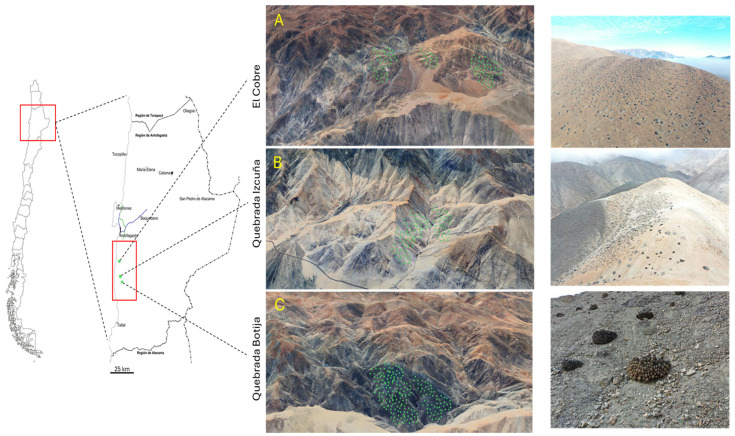 Figure 1
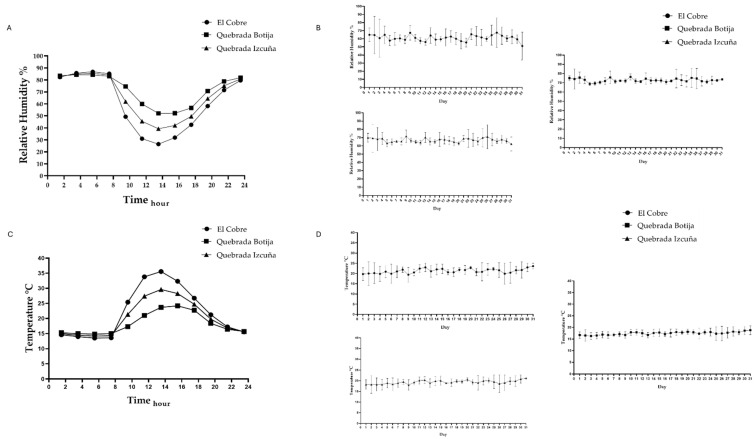 Figure 2
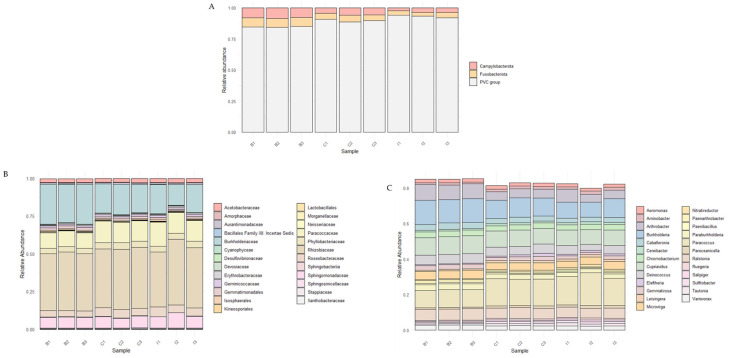 Figure 3
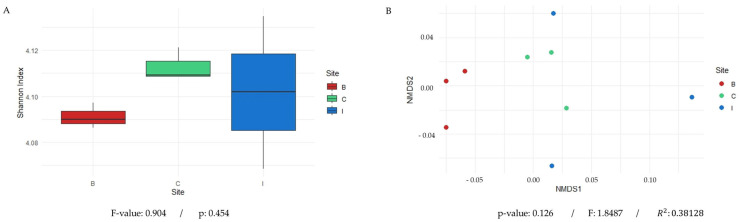 Figure 4
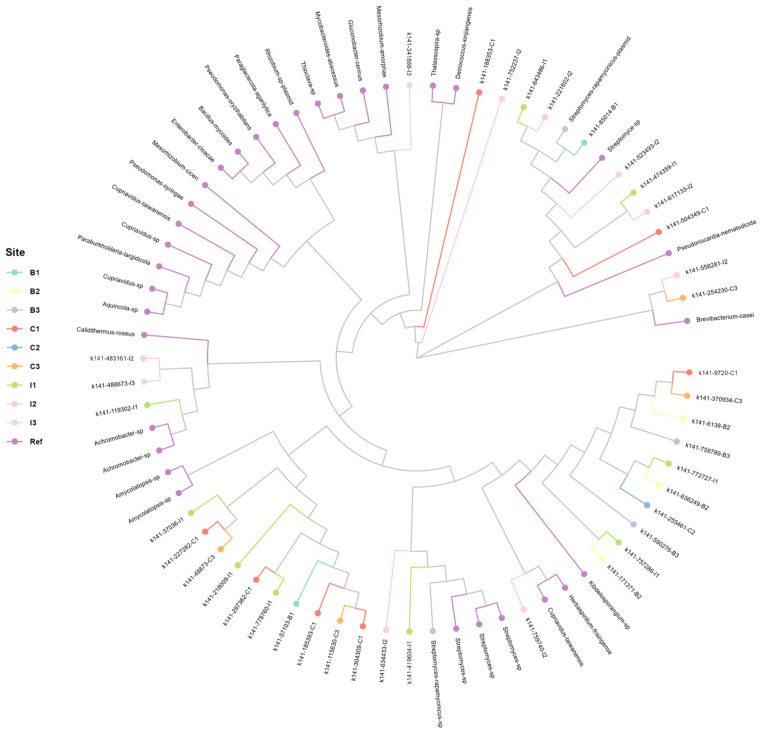 Figure 5
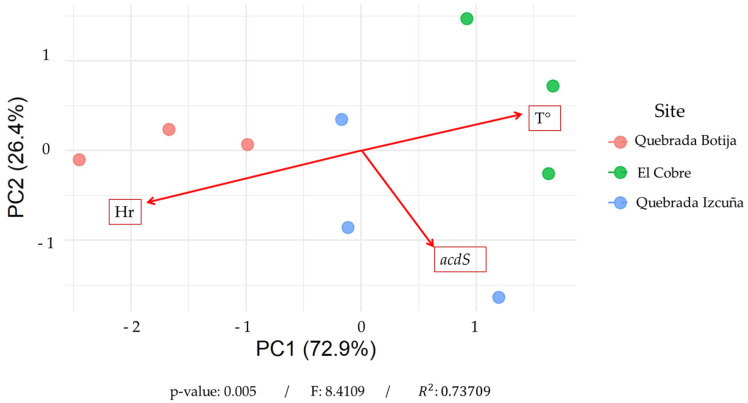 Figure 6
Peer Reviews
No public reviews on file for this paper yet. If you reviewed it on a platform where reviews are public (OpenReview, ICLR, NeurIPS, ICML), you can paste yours below so the community can read it here.
Videos
No videos yet. Explain this paper in a talk, walkthrough, or lecture? Add one.
Taxonomy
TopicsBotanical Research and Applications · Plant responses to water stress · Mycorrhizal Fungi and Plant Interactions