Computational Insights into the Polypharmacological Landscape of BCR-ABL Inhibitors: Emphasis on Imatinib and Nilotinib
Rima Hajjo, Dima A. Sabbah, Raghad Alhaded, Aye Alquabe’h, Sanaa K. Bardaweel

TL;DR
This study explores how BCR-ABL inhibitors like imatinib and nilotinib can be repurposed for non-cancer diseases by analyzing their structure and gene expression effects.
Contribution
The study introduces a pharmacoinformatics framework to prioritize drug repurposing of BCR-ABL inhibitors based on structure and transcriptomic data.
Findings
Nilotinib shows strong transcriptional effects in neurodegeneration-related pathways like HSP90 and LYN.
Imatinib's broader kinase activity is linked to fibrosis and metabolic regulation.
Connectivity Map analysis identified over 30 non-cancer indications, including potential uses for Alzheimer’s and pulmonary hypertension.
Abstract
Background: BCR-ABL inhibitors such as imatinib and nilotinib exhibit multi-kinase activity that extends beyond oncology, offering significant potential for drug repurposing. Objectives: This study aims to systematically evaluate and prioritize the repurposing potential of BCR-ABL inhibitors, particularly imatinib and nilotinib. Methods: An integrated pharmacoinformatics framework was applied to analyze seven BCR-ABL inhibitors. Structural clustering, cheminformatics analysis, and transcriptomic profiling using the Connectivity Map were employed to evaluate structural relationships, target profiles, and gene expression signatures associated with non-oncology indications. Results: Structurally, imatinib and nilotinib clustered closely, while HY-11007 exhibited distinct features. Nilotinib’s high selectivity correlated with strong transcriptional effects in neurodegeneration-related…
Genes, proteins, chemicals, diseases, species, mutations and cell lines named across the full text — each resolved to its canonical identifier and authoritative record.
Click any figure to enlarge with its caption.
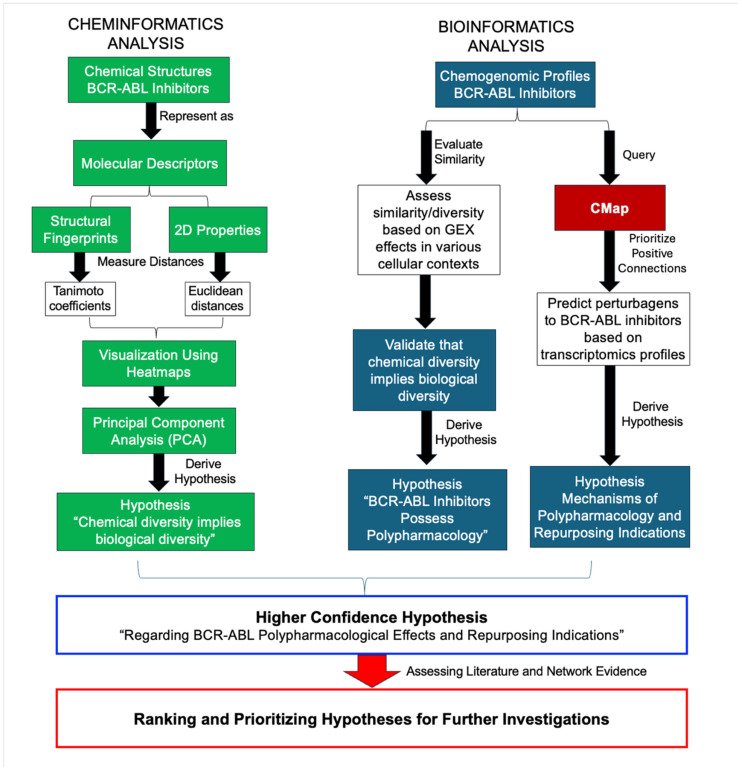 Figure 1
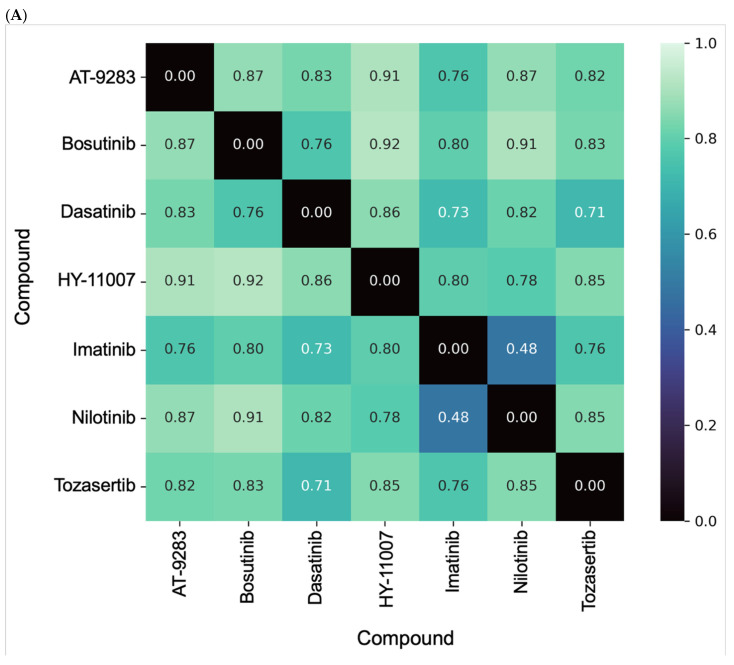 Figure 2
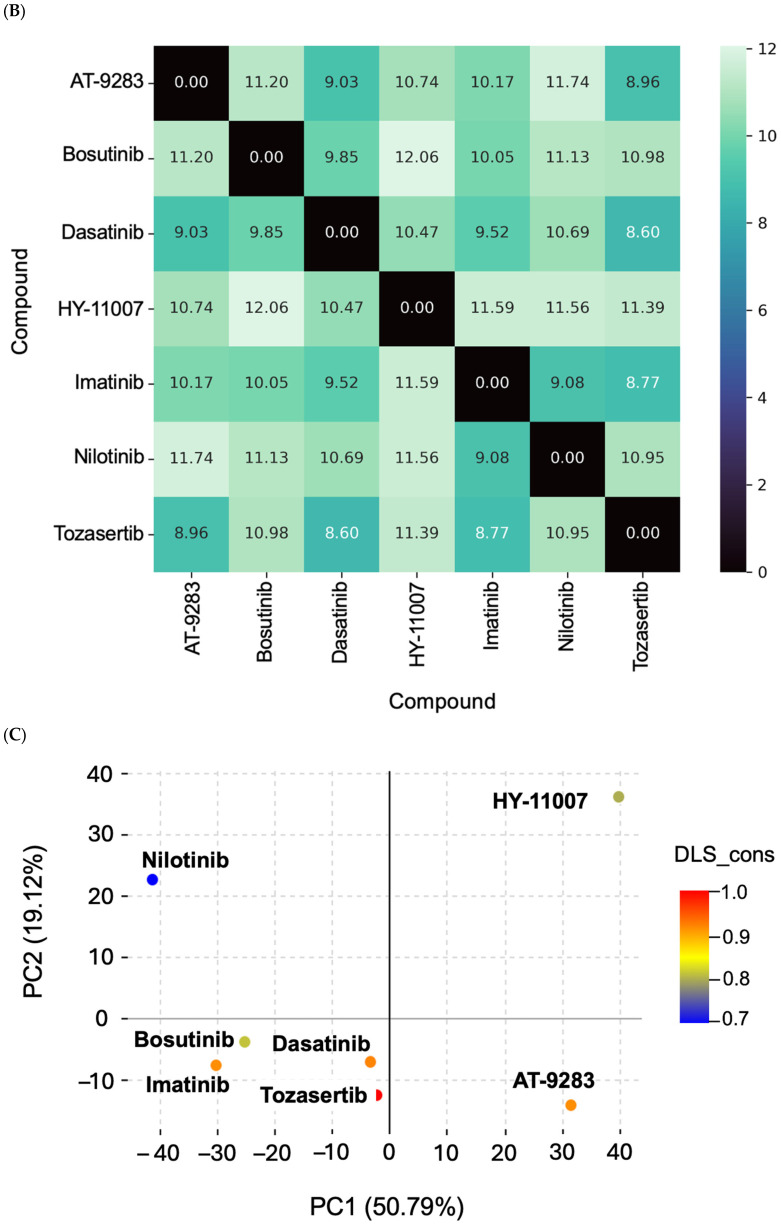 Figure 3
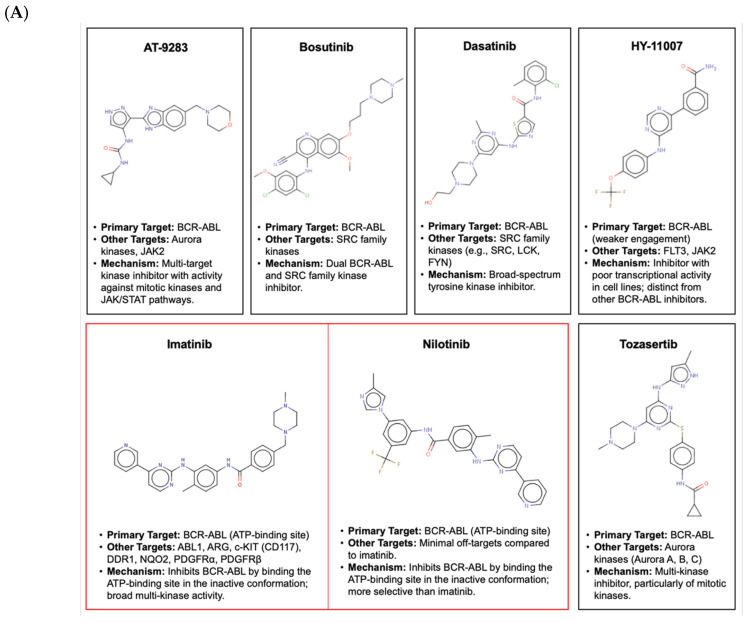 Figure 4
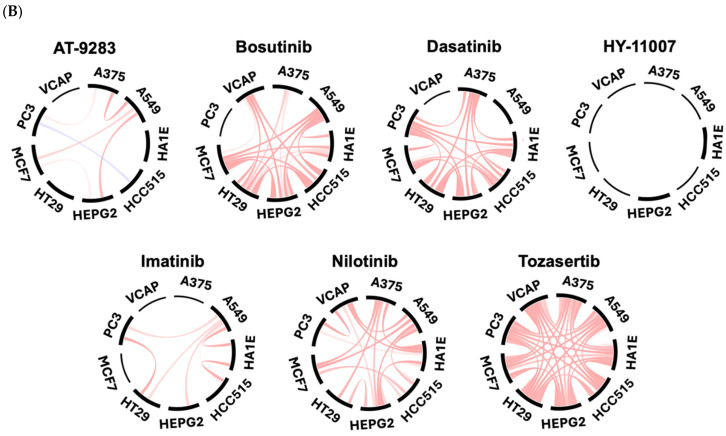 Figure 5
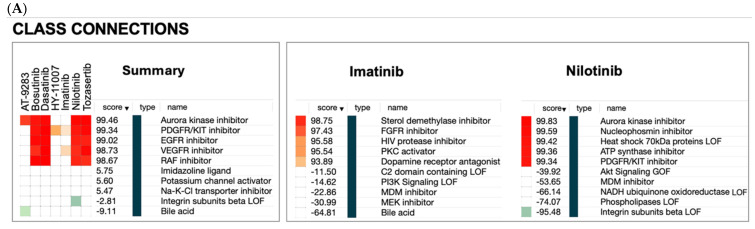 Figure 6
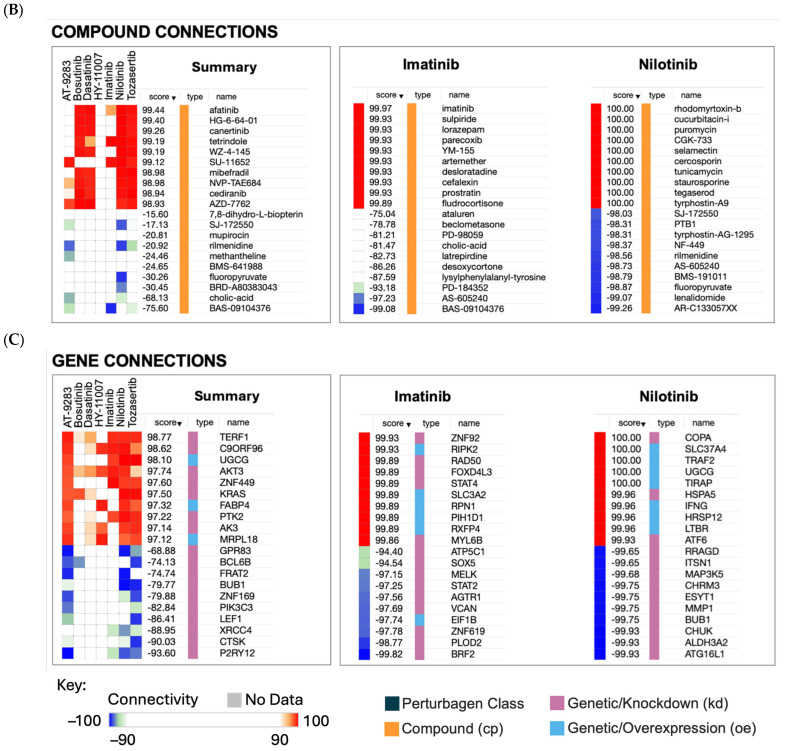 Figure 7
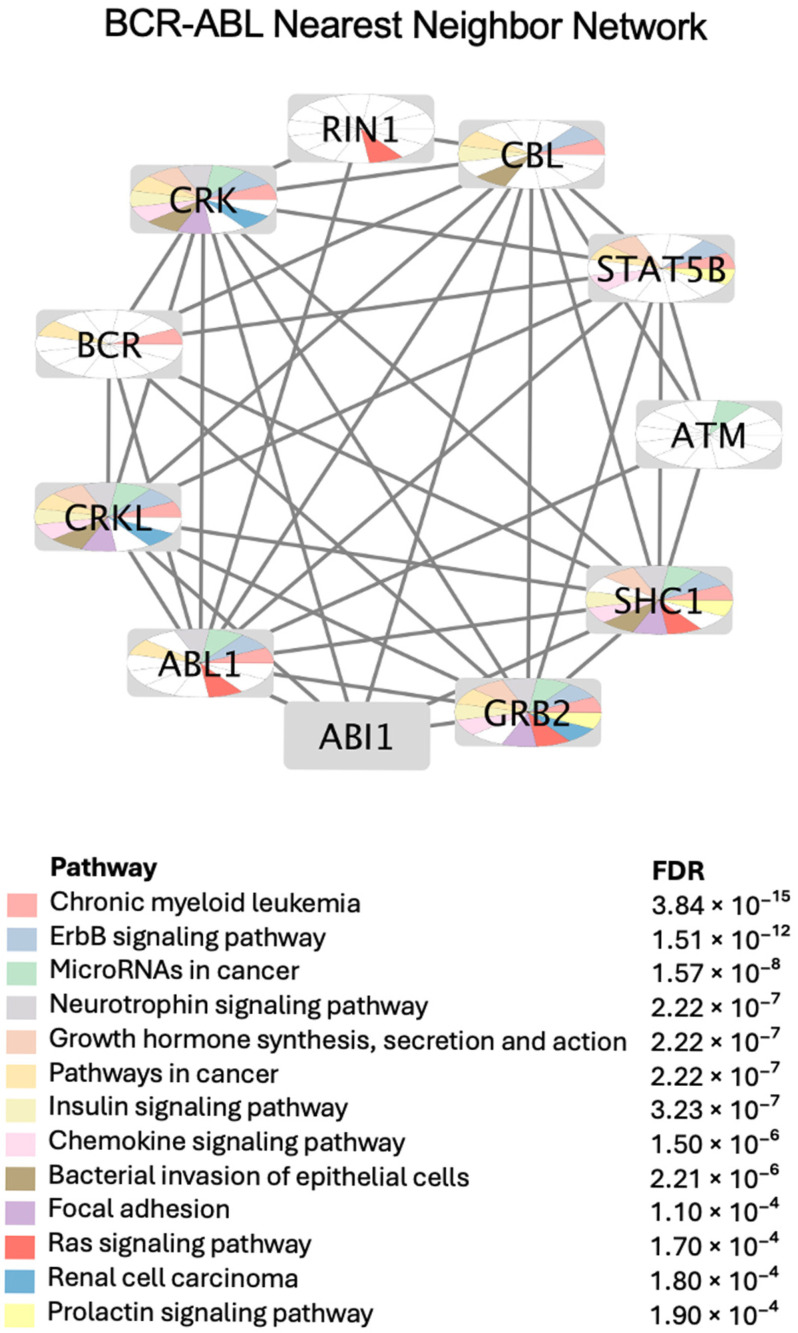 Figure 8
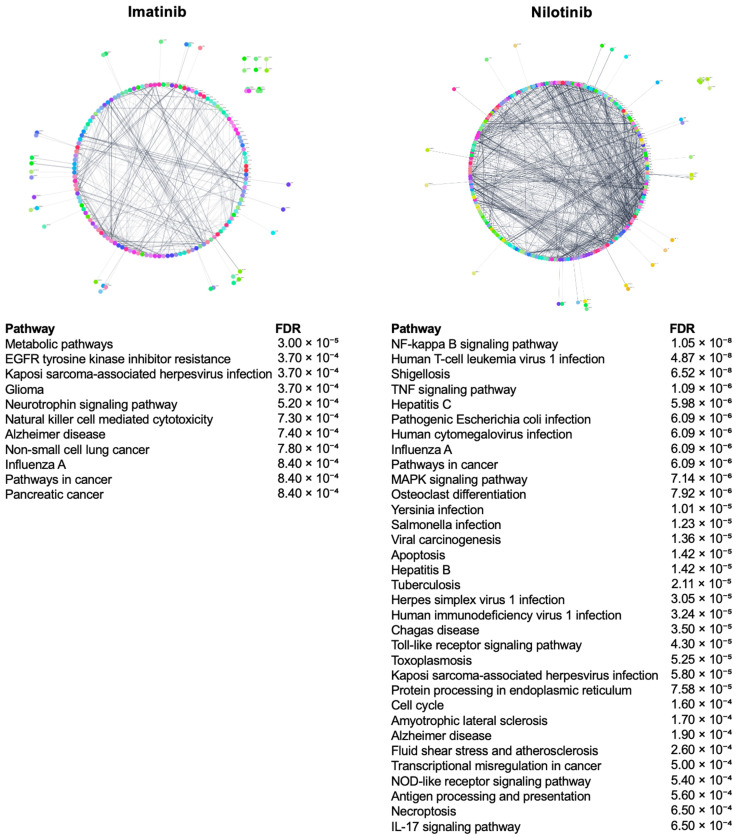 Figure 9
Peer Reviews
No public reviews on file for this paper yet. If you reviewed it on a platform where reviews are public (OpenReview, ICLR, NeurIPS, ICML), you can paste yours below so the community can read it here.
Videos
No videos yet. Explain this paper in a talk, walkthrough, or lecture? Add one.
Taxonomy
TopicsChronic Myeloid Leukemia Treatments · CAR-T cell therapy research · Fungal Plant Pathogen Control