Surface Display of Avian H5 and H9 Hemagglutinin Antigens on Non-Genetically Modified Lactobacillus Cells for Bivalent Oral AIV Vaccine Development
Fuyi Liu, Jingbo Chang, Jingqi Huang, Yuping Liao, Xiaonan Deng, Tingting Guo, Jian Kong, Wentao Kong

TL;DR
A new oral vaccine against two types of avian influenza uses non-modified bacteria to display virus antigens, inducing strong immune responses in mice.
Contribution
A bivalent oral AIV vaccine using non-GMO lactobacilli for surface antigen display is developed and tested.
Findings
Mouse immunization induced strong systemic IgG and mucosal IgA responses against both H5N1 and H9N2 HA1.
HA1 proteins displayed on lactobacilli showed protease resistance, indicating natural antigen protection.
The system offers a safe, multivalent vaccine platform using non-GMO probiotics.
Abstract
A novel bivalent oral vaccine candidate against H5N1 and H9N2 avian influenza virus (AIV) was developed using Lactobacillus surface display technology without genetic modification. The hemagglutinin subunit 1 (HA1) antigens from both subtypes were fused to the surface layer-binding domain of Lactobacillus crispatus K313, expressed in Escherichia coli, and purified. Wild-type Lactobacillus johnsonii H31, isolated from chicken intestine, served as a delivery vehicle by adsorbing and stably displaying the HA1 proteins on its surface. This approach eliminates the need for bacterial engineering while utilizing lactobacilli’s natural capacity to protect surface-displayed antigens, as evidenced by HA1’s protease resistance. Mouse immunization studies demonstrated induction of strong systemic IgG and mucosal IgA responses against both H5N1 and H9N2 HA1. The system offers several advantages,…
Genes, proteins, chemicals, diseases, species, mutations and cell lines named across the full text — each resolved to its canonical identifier and authoritative record.
Click any figure to enlarge with its caption.
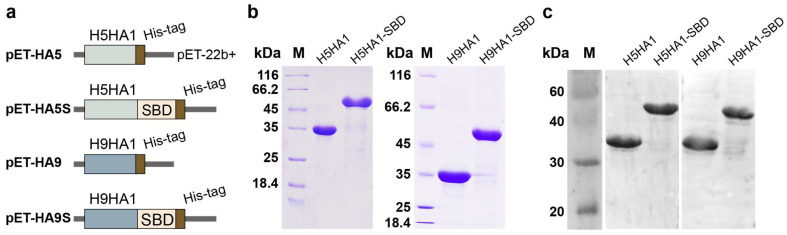 Figure 1
 Figure 2
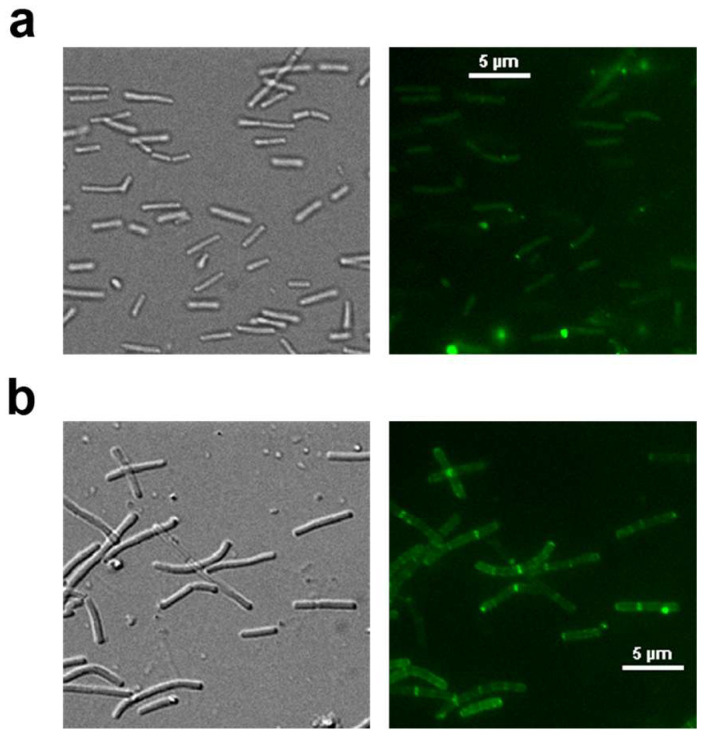 Figure 3
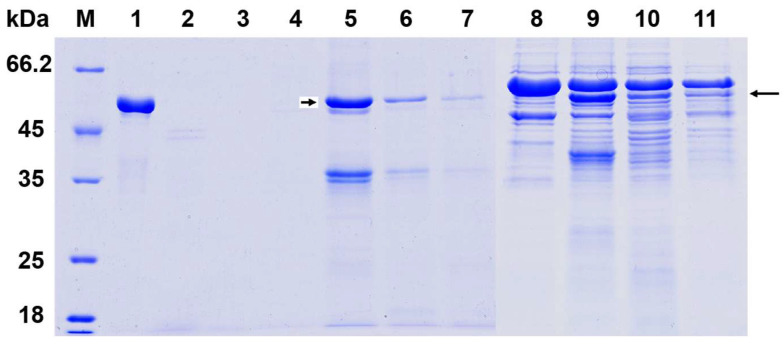 Figure 4
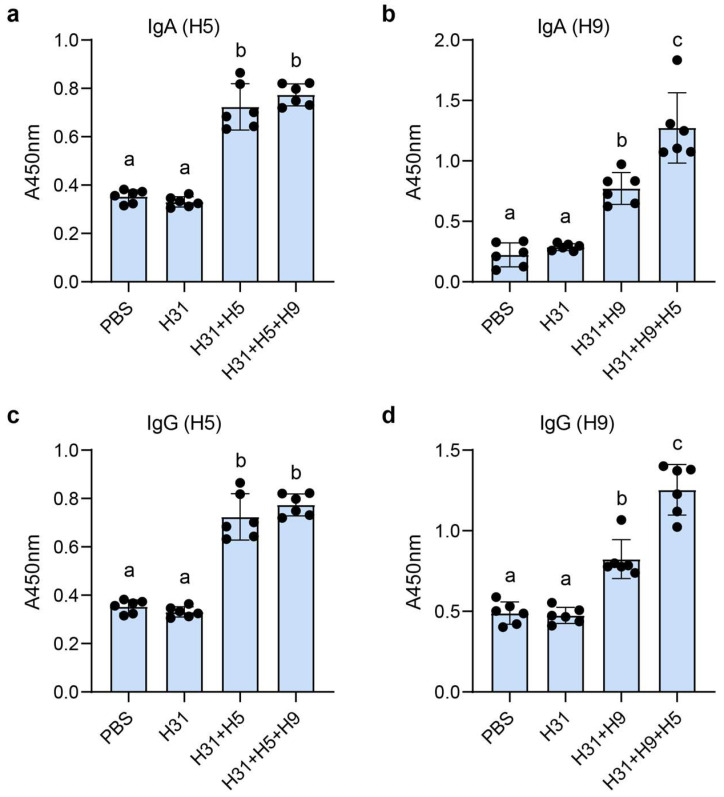 Figure 5
Peer Reviews
No public reviews on file for this paper yet. If you reviewed it on a platform where reviews are public (OpenReview, ICLR, NeurIPS, ICML), you can paste yours below so the community can read it here.
Videos
No videos yet. Explain this paper in a talk, walkthrough, or lecture? Add one.
Taxonomy
TopicsInfluenza Virus Research Studies · Escherichia coli research studies · Viral gastroenteritis research and epidemiology