Novel N-Alkyl 3-(3-Benzyloxyquinoxalin-2-yl) Propanamides as Antiproliferative Agents: Design, Synthesis, In Vitro Testing, and In Silico Mechanistic Study
Samar A. Abubshait

TL;DR
Scientists designed new compounds that show strong anti-cancer effects by targeting a specific protein involved in cancer cell growth.
Contribution
A new class of quinoxaline-based compounds with broad antiproliferative activity and a unique mechanism of HDAC6 inhibition is introduced.
Findings
Compound 6k showed antiproliferative activity comparable to doxorubicin in multiple cancer cell lines.
The compounds inhibit HDAC6 through binding to the zinc finger ubiquitin-binding domain.
The quinoxaline ring and its substituents play a crucial role in the binding mechanism.
Abstract
A series of eleven new N-alkyl 3-(3-benzyloxyquinoxalin-2-yl) propanamides were prepared based on the azide coupling of 3-(3-benzyloxyquinoxalin-2-yl) propanhydrazide with a variety of primary and secondary amines and the consequent conjunction of a broad spectrum of lipophile and hydrophile characters to a quinoxaline ring system. 3-(3-benzyloxyquinoxalin-2-yl) propanhydrazide was produced in a two-step reaction of methyl 3-(3-oxo-3,4-dihydroquinoxalin-2-yl) propanoate with benzyl chloride followed by the hydrazinolysis of the corresponding ester. The antiproliferative activity of the compounds was tested in various cancer cell lines, including PC-3, Hela, HCT-116, and MCF-7; they showed a wide spectrum of activity for most of the tested compounds. Compound 6k exhibited the highest activity, which was comparable to that of doxorubicin, with IC50 (µM) values of 12.17 ± 0.9, 9.46 ± 0.7,…
Genes, proteins, chemicals, diseases, species, mutations and cell lines named across the full text — each resolved to its canonical identifier and authoritative record.
Click any figure to enlarge with its caption.
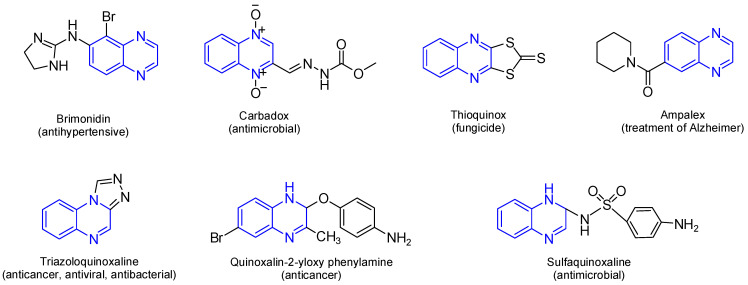 Figure 1
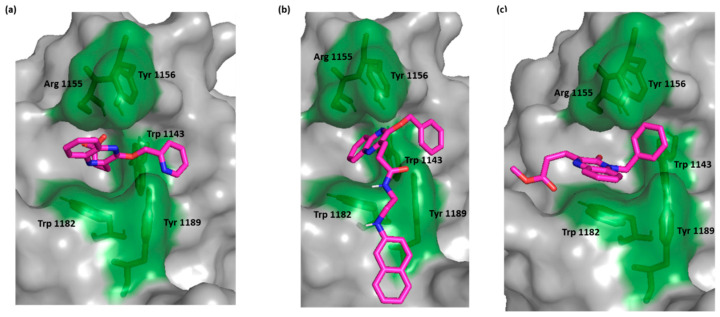 Figure 2
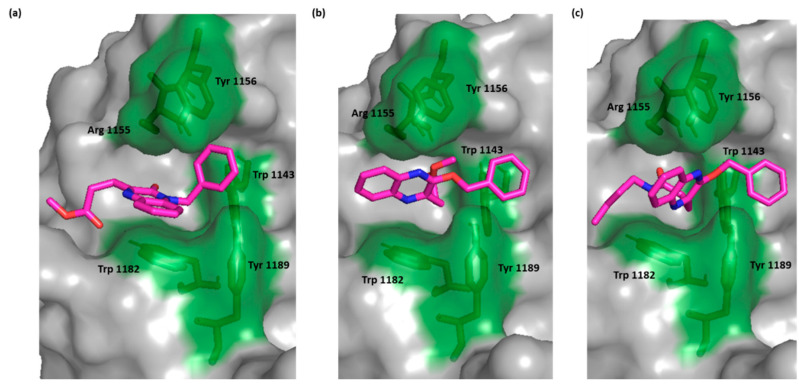 Figure 3
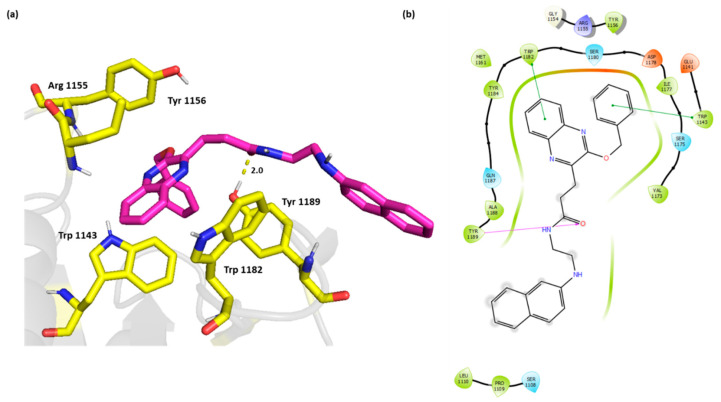 Figure 4
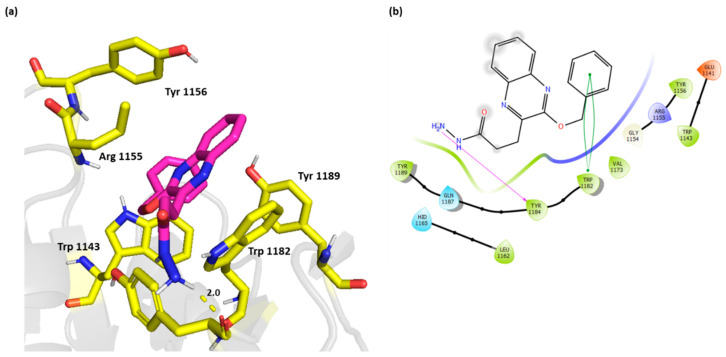 Figure 5
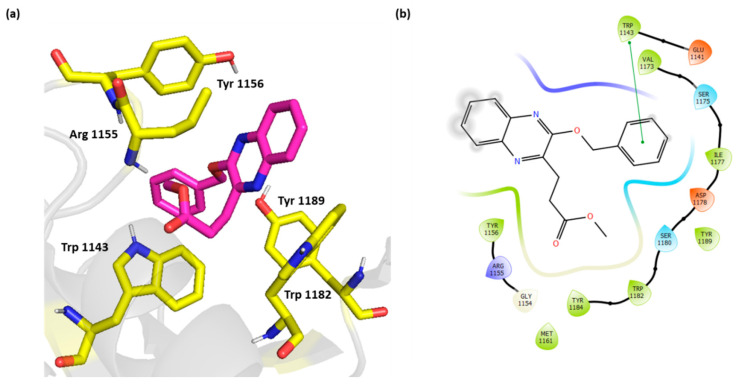 Figure 6
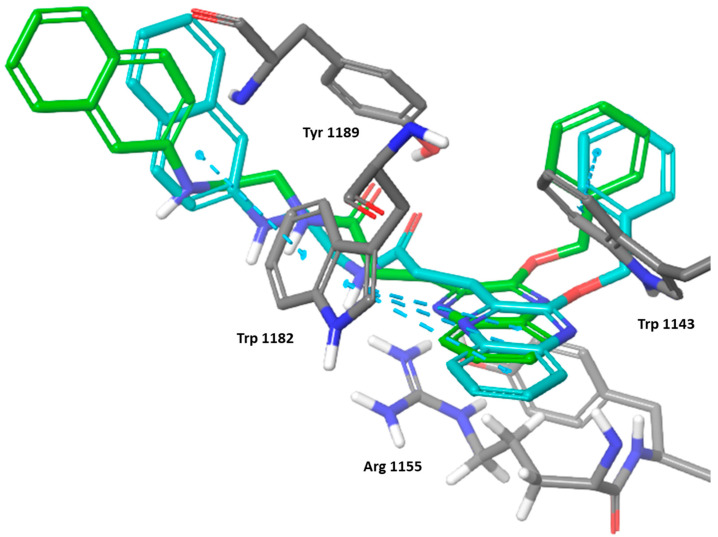 Figure 7
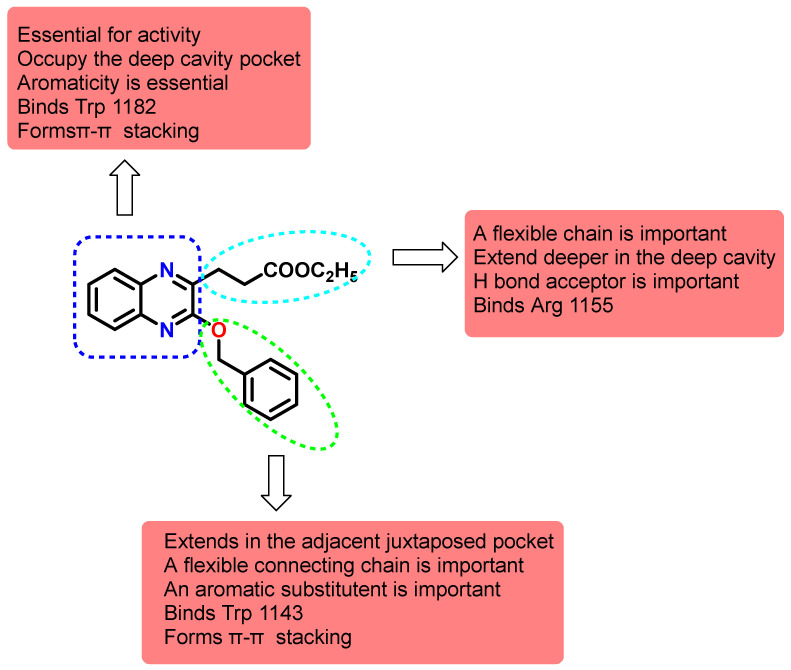 Figure 8
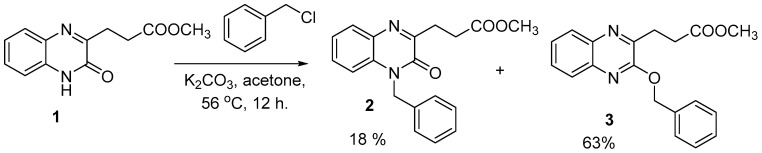 Figure 9
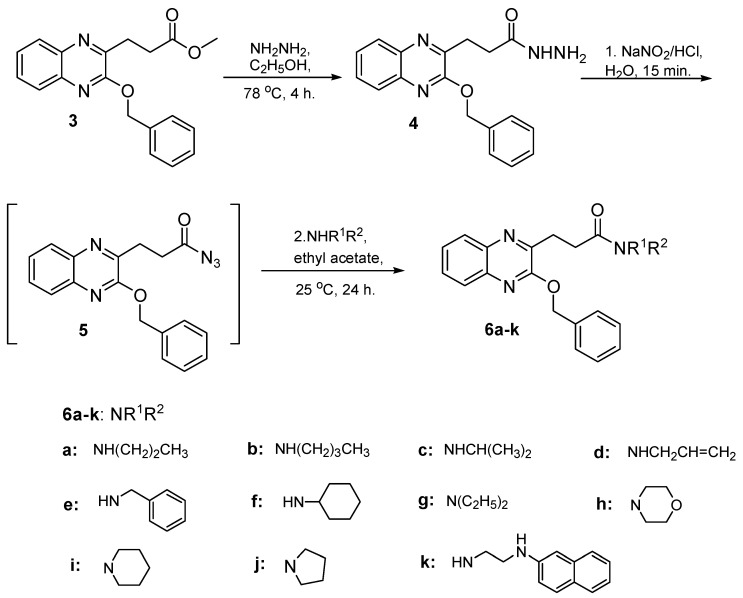 Figure 10
Peer Reviews
No public reviews on file for this paper yet. If you reviewed it on a platform where reviews are public (OpenReview, ICLR, NeurIPS, ICML), you can paste yours below so the community can read it here.
Videos
No videos yet. Explain this paper in a talk, walkthrough, or lecture? Add one.
Taxonomy
TopicsSynthesis and Biological Evaluation · Synthesis and biological activity · Quinazolinone synthesis and applications