Proposing an Optimal Occlusal Angle for Minimizing Masticatory and Cervical Muscle Activity in the Supine Position: A Resting EMG and Mixed-Effects Modeling Study
Kyung-Hee Kim, Chang-Hyung Lee, Sungchul Huh, Byong-Sop Song, Hye-Min Ju, Sung-Hee Jeong, Yong-Woo Ahn, Soo-Min Ok

TL;DR
This study finds that an optimal jaw angle of 105°–111° minimizes muscle tension in the head and neck when lying down.
Contribution
The study identifies a specific occlusal angle range that reduces resting muscle activity in masticatory and cervical muscles.
Findings
MAS and TEM muscle activity increased with larger occlusal angles (p < 0.001).
An occlusal angle of 105°–111° was associated with low muscle activity.
An upper cut-off of 138° was linked to potential muscular overload.
Abstract
Background and Objectives: The occlusal angle (OA), influenced by pillow height, may affect muscle tension in the head and neck. However, its optimal range for minimizing muscle activation has not been clearly defined. This study aimed to investigate the effects of OA on the resting muscle activity of masticatory and cervical muscles and to identify an optimal OA range using cluster analysis and linear mixed-effects modeling. Materials and Methods: The resting muscle activities of the masseter (MAS), temporalis (TEM), sternocleidomastoid (SCM), and posterior vertebral muscles (PVM) were measured at OA conditions modulated by pillow heights of 0, 5, and 10 cm at 0, 1, and 5 min in the supine position. Intraclass correlation coefficients (ICCs) assessed measurement reliability. Statistical analyses included ANOVA, ROC curve analysis, k-means clustering, and linear mixed-effects models.…
Genes, proteins, chemicals, diseases, species, mutations and cell lines named across the full text — each resolved to its canonical identifier and authoritative record.
Click any figure to enlarge with its caption.
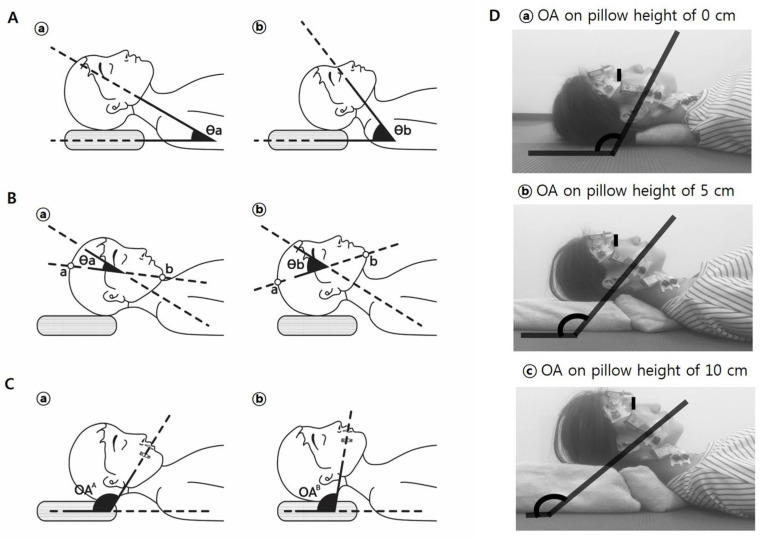 Figure 1
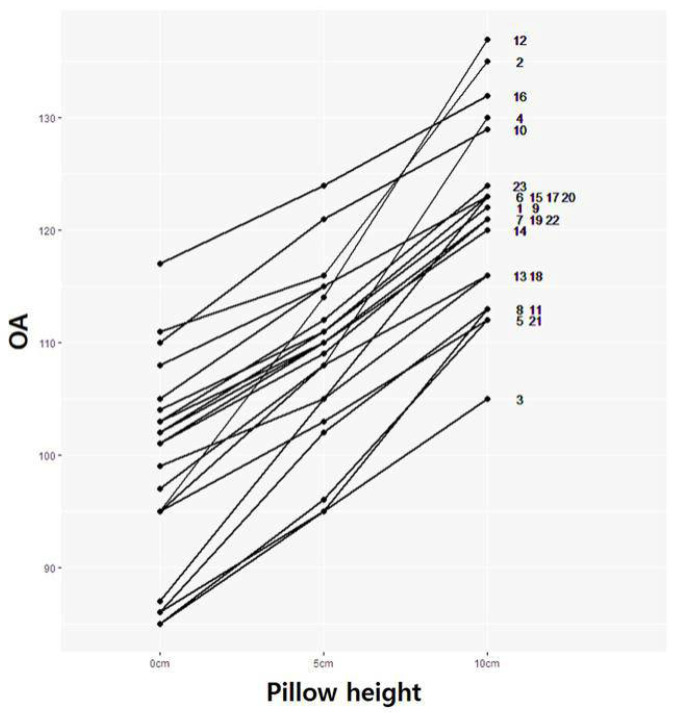 Figure 2
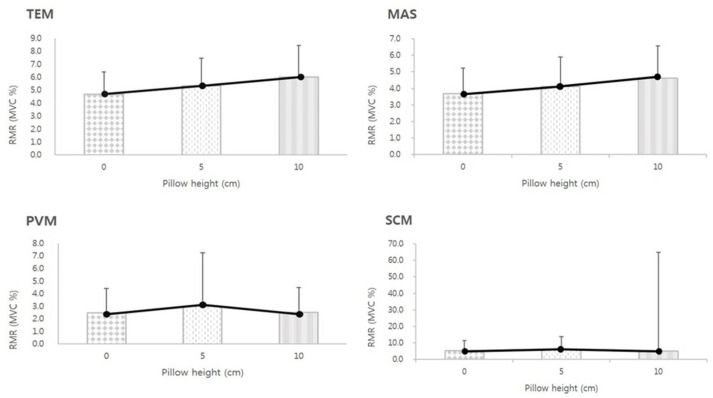 Figure 3
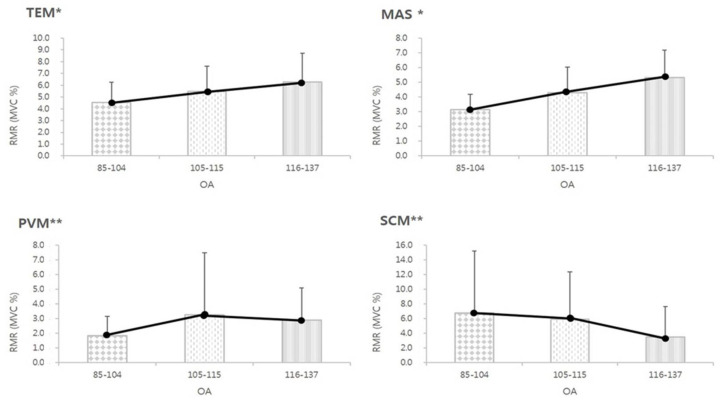 Figure 4
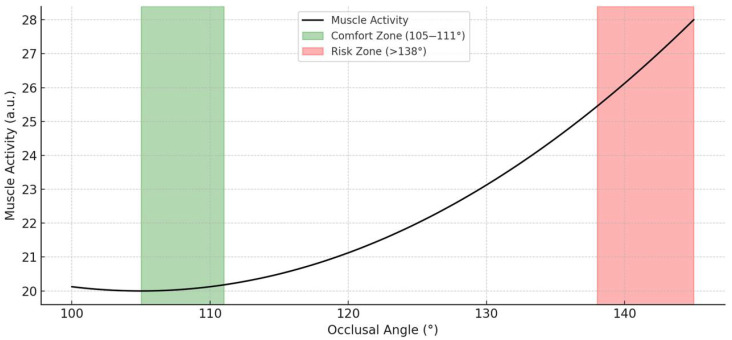 Figure 5
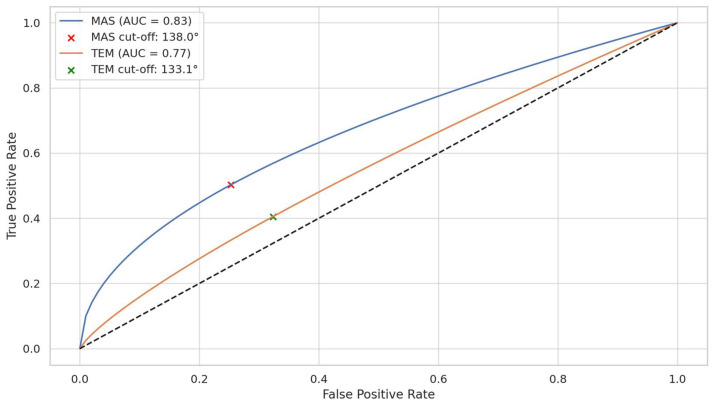 Figure 6
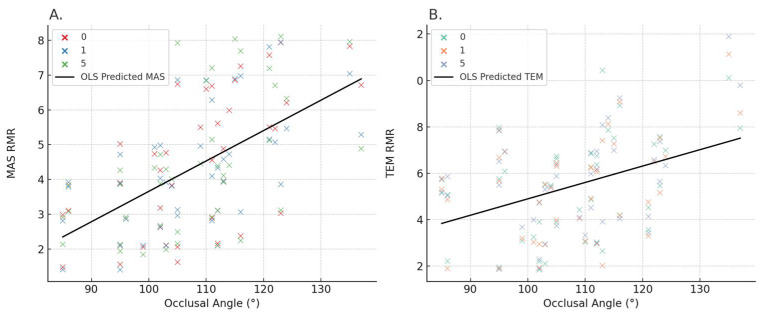 Figure 7
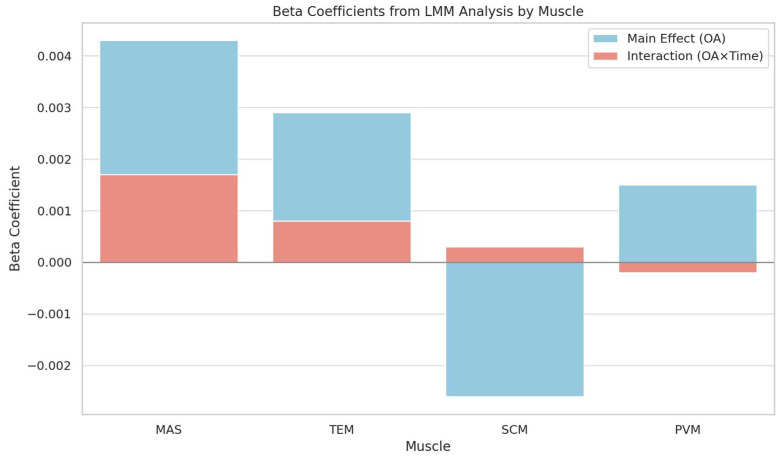 Figure 8
Peer Reviews
No public reviews on file for this paper yet. If you reviewed it on a platform where reviews are public (OpenReview, ICLR, NeurIPS, ICML), you can paste yours below so the community can read it here.
Videos
No videos yet. Explain this paper in a talk, walkthrough, or lecture? Add one.
Taxonomy
TopicsTemporomandibular Joint Disorders · Obstructive Sleep Apnea Research · Orthodontics and Dentofacial Orthopedics