Enhanced Mitochondrial Dynamics and Reactive Oxygen Species Levels with Reduced Antioxidant Defenses in Human Epicardial Adipose Tissue
Ana Burgeiro, Diana Santos, Ana Catarina R. G. Fonseca, Inês Baldeiras, Ermelindo C. Leal, João Moura, João Costa-Nunes, Patrícia Monteiro Seraphim, Aryane Oliveira, António Canotilho, Gonçalo Coutinho, David Prieto, Pedro Antunes, Manuel Antunes, Eugenia Carvalho

TL;DR
This study compares mitochondrial activity and oxidative stress in heart-related fat tissue versus fat under the skin, finding higher stress and altered defenses in heart fat.
Contribution
The study reveals distinct mitochondrial dynamics and antioxidant profiles in epicardial adipose tissue compared to subcutaneous fat.
Findings
Epicardial adipose tissue shows increased mitochondrial fusion and fission marker expression compared to subcutaneous fat.
Epicardial adipose tissue has elevated reactive oxygen species and altered antioxidant defenses.
Lipid peroxidation is reduced in epicardial adipose tissue despite higher oxidative stress markers.
Abstract
Background/Objectives: Epicardial adipose tissue (EAT) is metabolically active and is in dynamic crosstalk with the surrounding cardiomyocytes, modulating their function and metabolism. Oxidative stress is a key contributor to cell death and cardiac remodeling, is a hallmark of diabetes (DM) and cardiovascular disease, such as coronary artery disease (CAD). However, little is known about these processes in EAT from patients undergoing cardiac surgery. This study investigates changes in mitochondrial dynamics, reactive oxygen species (ROS) production, and antioxidant defense levels in EAT compared to subcutaneous adipose tissue (SAT) in patients undergoing cardiac surgery, with a focus on the impact of DM and CAD. Methods: Adipose tissue biopsies were collected from 128 patients undergoing surgical cardiac intervention. Mitochondrial dynamics and oxidative stress markers were analyzed.…
Genes, proteins, chemicals, diseases, species, mutations and cell lines named across the full text — each resolved to its canonical identifier and authoritative record.
Click any figure to enlarge with its caption.
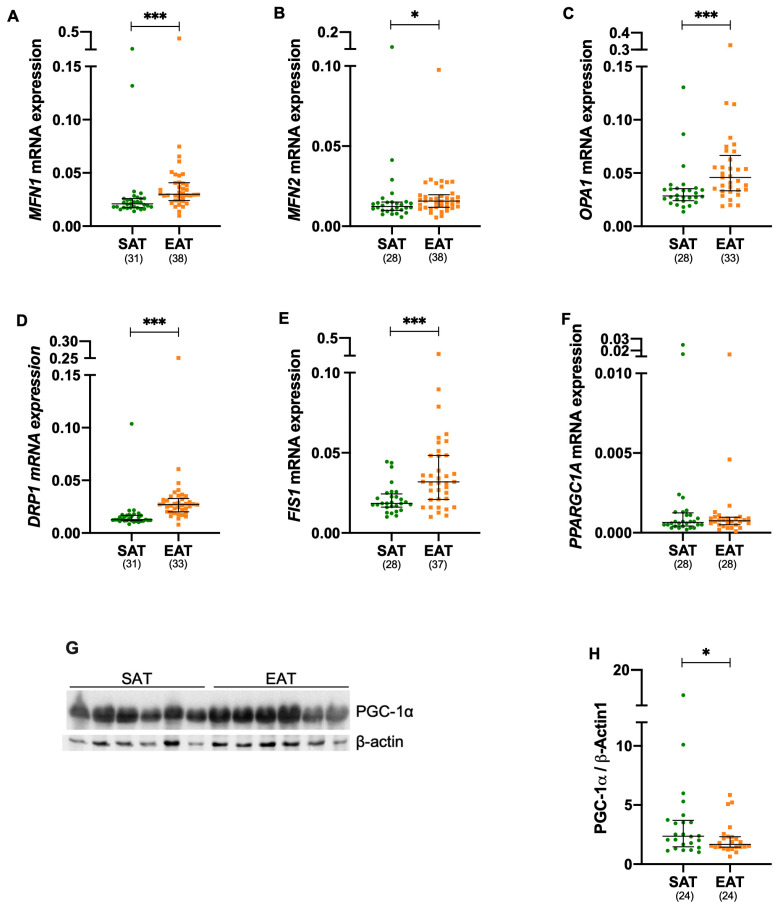 Figure 1
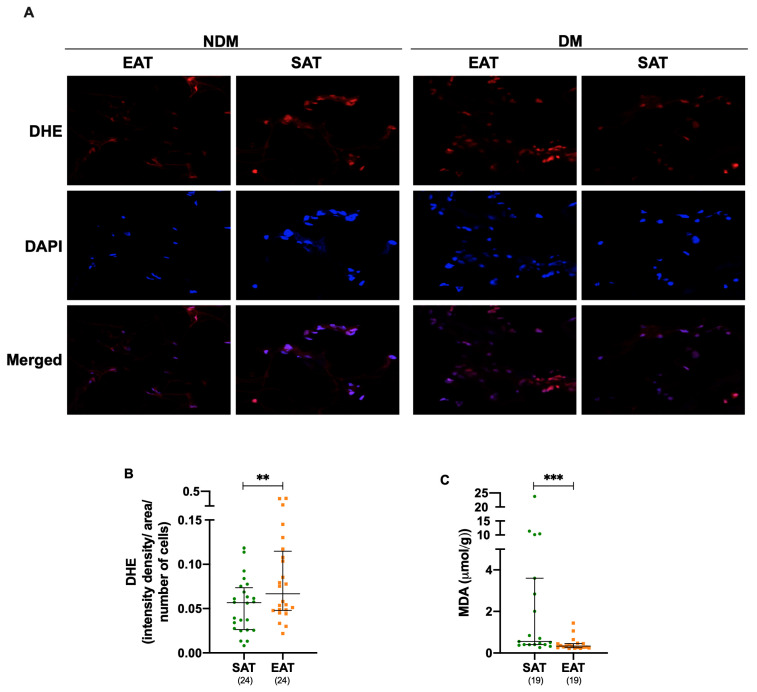 Figure 2
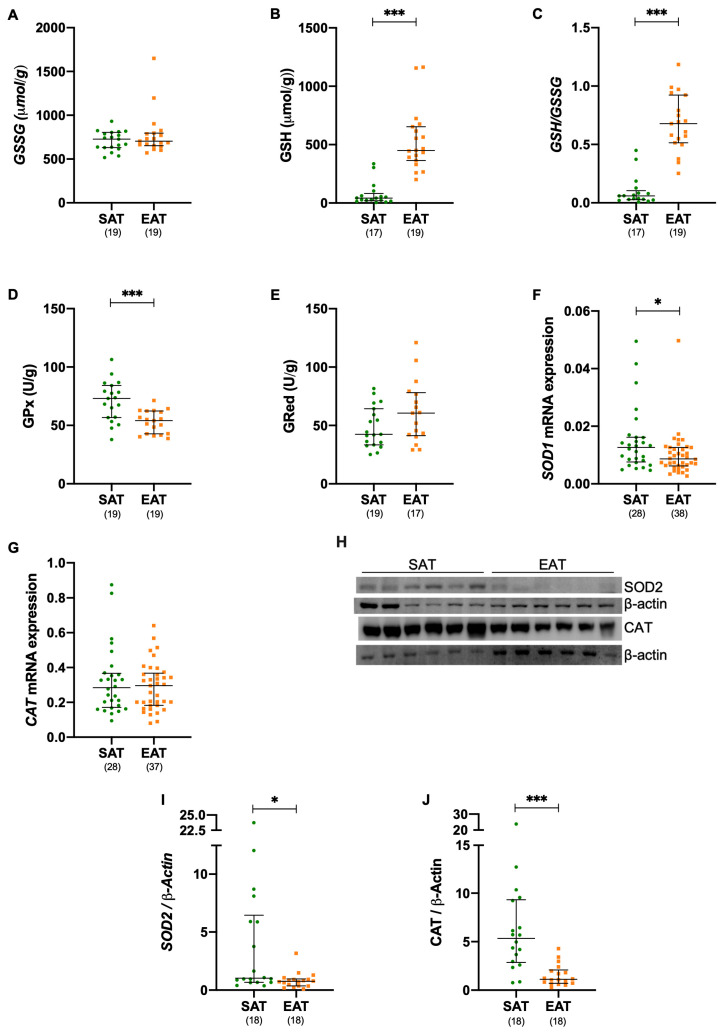 Figure 3
Peer Reviews
No public reviews on file for this paper yet. If you reviewed it on a platform where reviews are public (OpenReview, ICLR, NeurIPS, ICML), you can paste yours below so the community can read it here.
Videos
No videos yet. Explain this paper in a talk, walkthrough, or lecture? Add one.
Taxonomy
TopicsCardiovascular Disease and Adiposity · Adipose Tissue and Metabolism · Cardiovascular Function and Risk Factors