Process Parameters Optimization and Mechanical Properties of Additively Manufactured Ankle–Foot Orthoses Based on Polypropylene
Sahar Swesi, Mohamed Yousfi, Nicolas Tardif, Abder Banoune

TL;DR
This study optimizes 3D printing parameters for polypropylene ankle-foot orthoses, improving their mechanical properties and suitability for medical use.
Contribution
The study introduces a novel optimization approach combining Taguchi DOE and FEM simulation for polypropylene orthoses in additive manufacturing.
Findings
Printing speed around 50 mm/s maximizes the flexural modulus of 3D-printed orthoses.
Infill density significantly impacts mechanical performance, contributing up to 75.2% to interlaminar shear strength.
90° orientation minimizes deformation and von Mises stress, enhancing orthosis quality.
Abstract
Nowadays, Fused Filament Fabrication (FFF) 3D printing offers promising opportunities for the customized manufacturing of ankle–foot orthoses (AFOs) targeted towards rehabilitation purposes. Polypropylene (PP) represents an ideal candidate in orthotic applications due to its light weight and superior mechanical properties, offering an excellent balance between flexibility, chemical resistance, biocompatibility, and long-term durability. However, Additive Manufacturing (AM) of AFOs based on PP remains a major challenge due to its limited bed adhesion and high shrinkage, especially for making large parts such as AFOs. The primary innovation of the present study lies in the optimization of FFF 3D printing parameters for the fabrication of functional, patient-specific orthoses using PP, a material still underutilized in the AM of medical devices. Firstly, a thorough thermomechanical…
Genes, proteins, chemicals, diseases, species, mutations and cell lines named across the full text — each resolved to its canonical identifier and authoritative record.
Click any figure to enlarge with its caption.
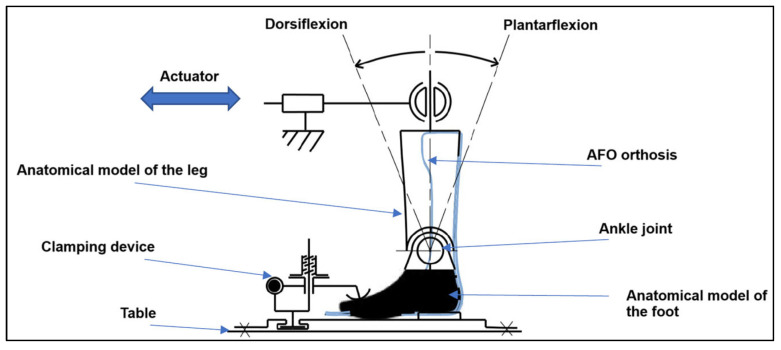 Figure 1
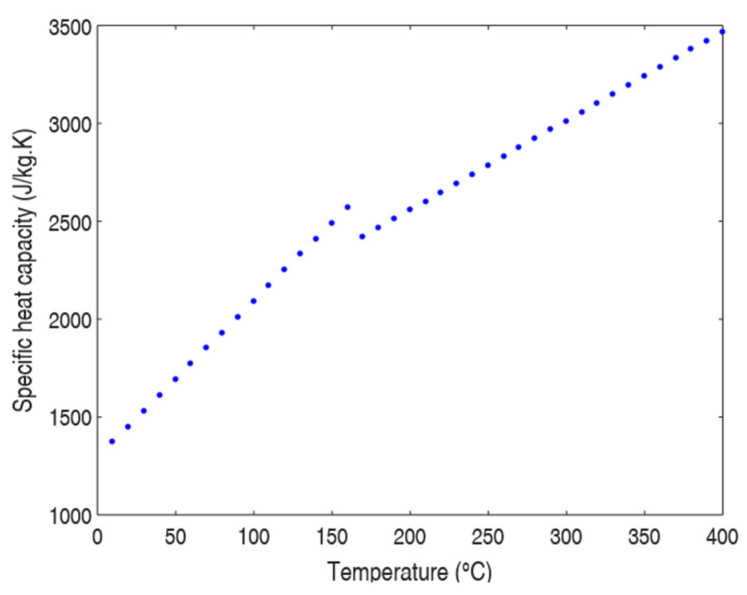 Figure 2
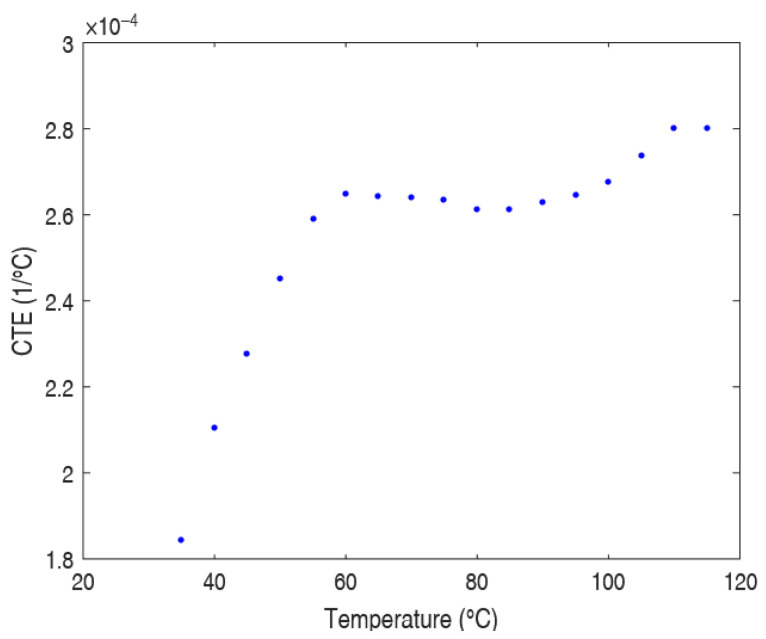 Figure 3
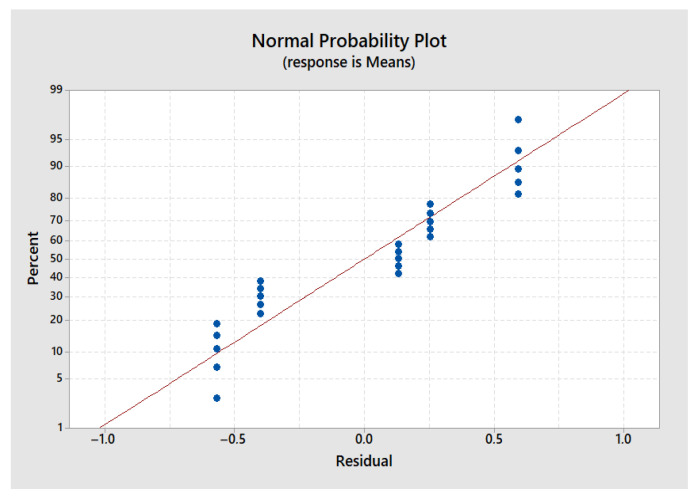 Figure 4
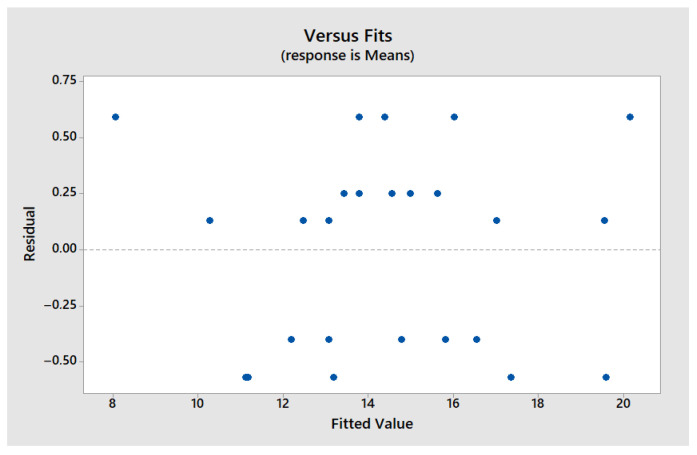 Figure 5
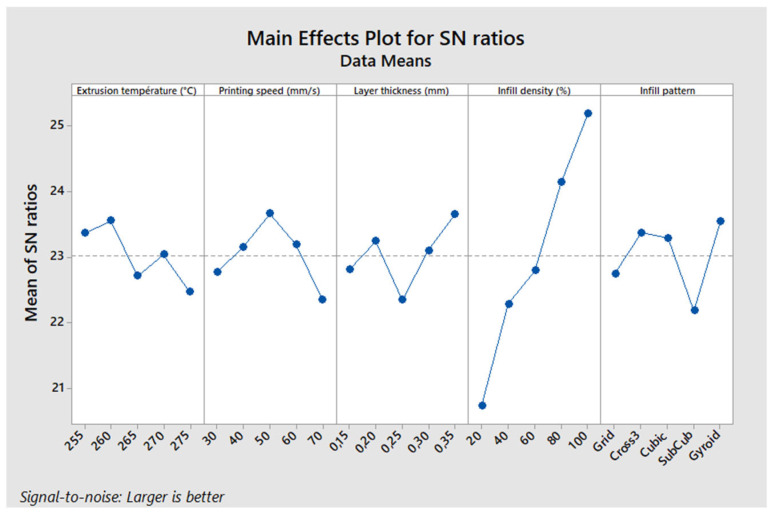 Figure 6
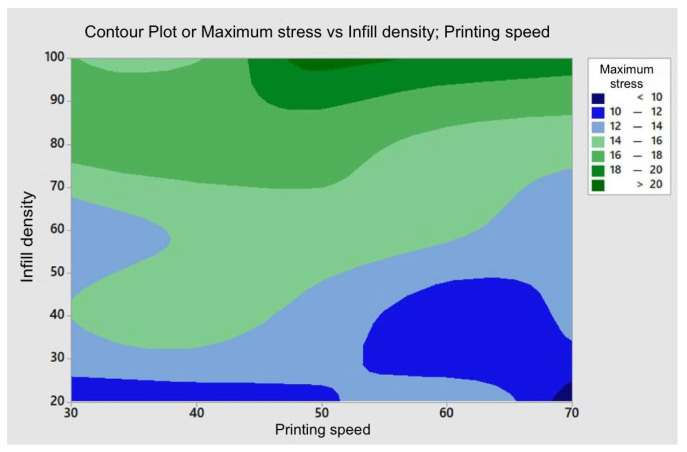 Figure 7
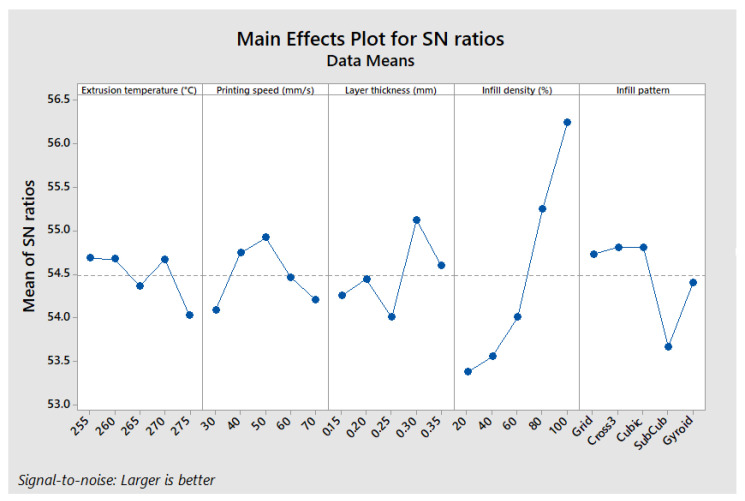 Figure 8
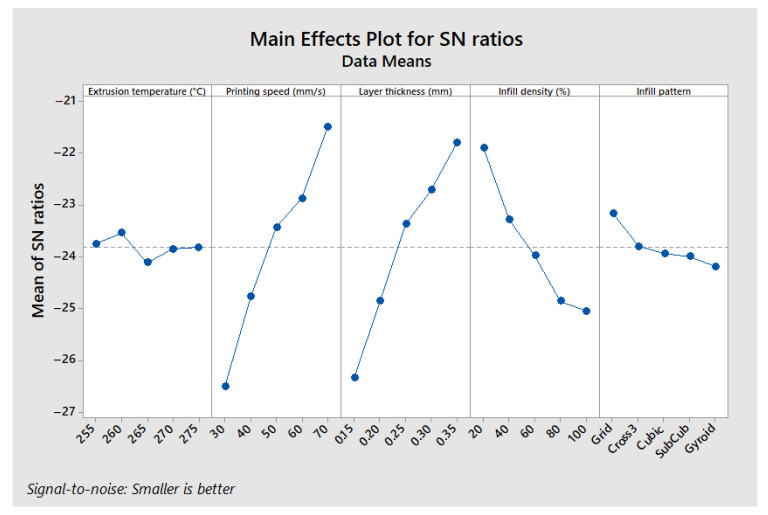 Figure 9
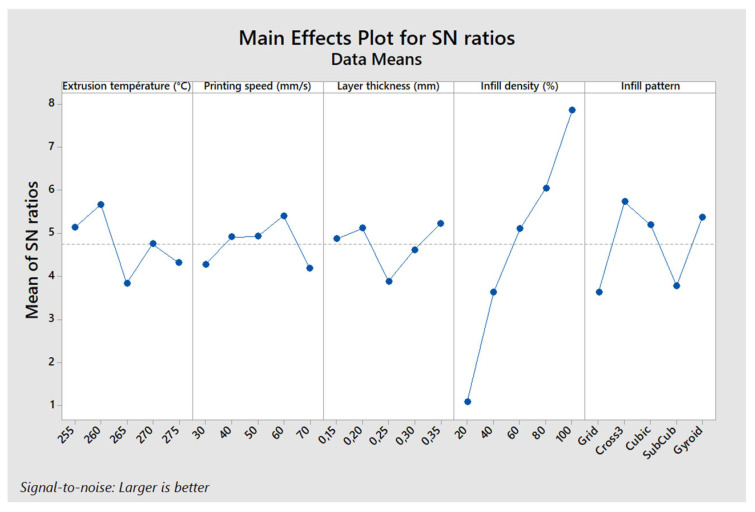 Figure 10
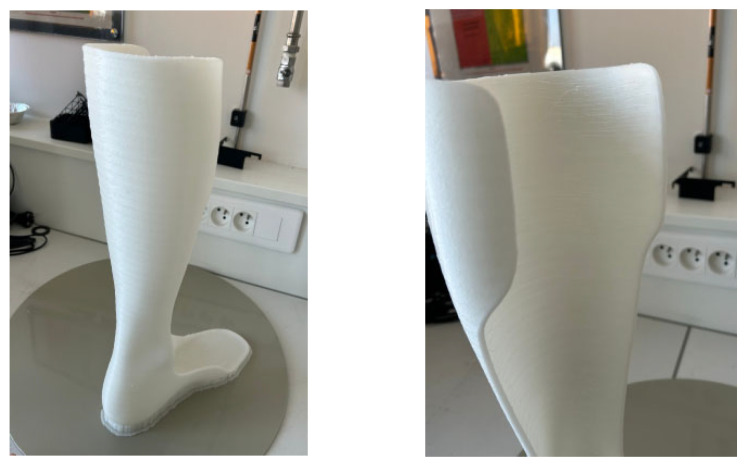 Figure 11
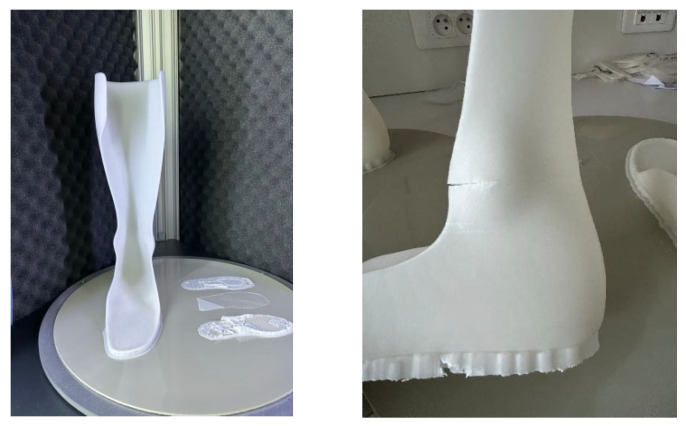 Figure 12
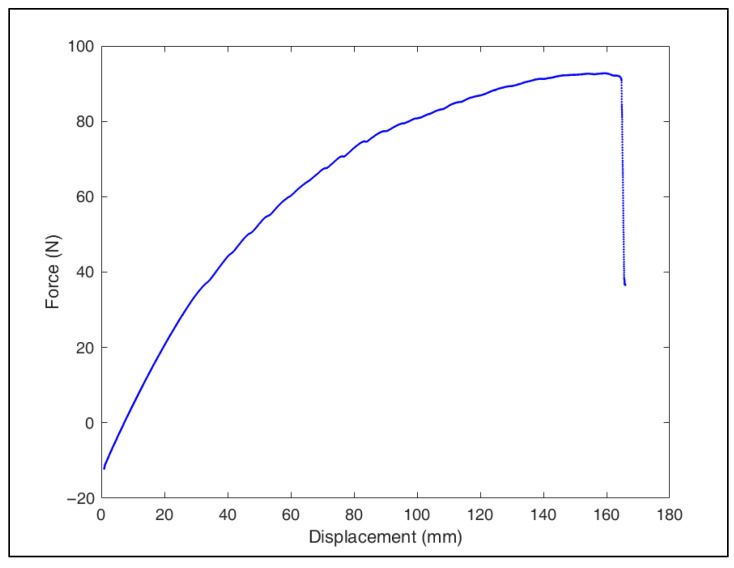 Figure 13
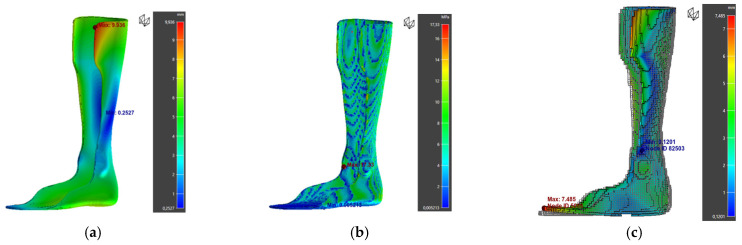 Figure 14
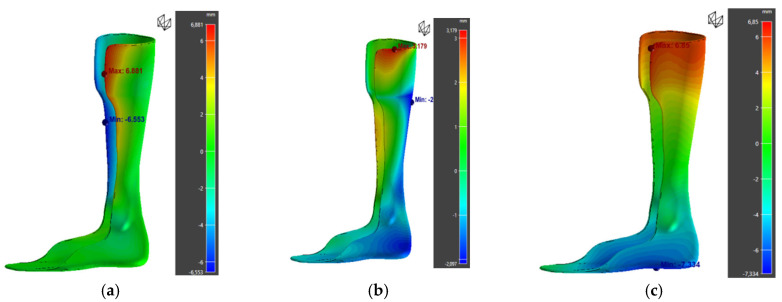 Figure 15
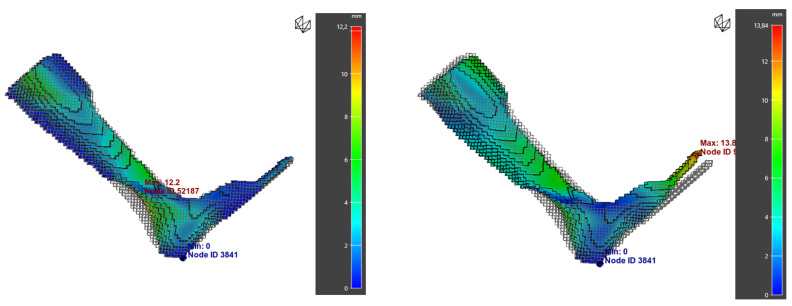 Figure 16
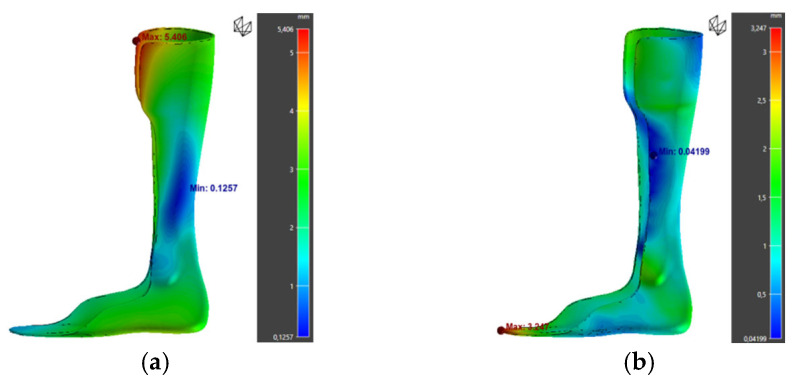 Figure 17
Peer Reviews
No public reviews on file for this paper yet. If you reviewed it on a platform where reviews are public (OpenReview, ICLR, NeurIPS, ICML), you can paste yours below so the community can read it here.
Videos
No videos yet. Explain this paper in a talk, walkthrough, or lecture? Add one.
Taxonomy
TopicsProsthetics and Rehabilitation Robotics · Additive Manufacturing and 3D Printing Technologies · Total Knee Arthroplasty Outcomes