A More Rapid Method for Culturing LUHMES-Derived Neurons Provides Greater Cell Numbers and Facilitates Studies of Multiple Viruses
Adam W. Whisnant, Stephanie E. Clark, José Alberto Aguilar-Briseño, Lorellin A. Durnell, Arnhild Grothey, Ann M. Miller, Steven M. Varga, Jeffery L. Meier, Charles Grose, Patrick L. Sinn, Jessica M. Tucker, Caroline C. Friedel, Wendy J. Maury, David H. Price, Lars Dölken

TL;DR
A new method for growing neurons from LUHMES cells allows for faster production and better study of multiple viruses affecting the brain.
Contribution
A streamlined protocol increases neuron yield and facilitates broader viral studies in neuronal cultures.
Findings
The new method produces nearly five times more mature neurons in two fewer days.
The protocol reduces cell aggregation, improving imaging and analysis.
LUHMES neurons can be used to study various viruses including those causing encephalitis and hemorrhagic fever.
Abstract
The ability to study mature neuronal cells ex vivo is complicated by their non-dividing nature and difficulty in obtaining large numbers of primary cells from organisms. Thus, numerous transformed progenitor models have been developed that can be routinely cultured, then scaled, and differentiated to mature neurons. In this paper, we present a new method for differentiating one such model, the Lund human mesencephalic (LUHMES) dopaminergic neurons. This method is two days faster than some established protocols, results in nearly five times greater numbers of mature neurons, and involves fewer handling steps that could introduce technical variability. Moreover, it overcomes the problem of cell aggregate formation that commonly impedes high-resolution imaging, cell dissociation, and downstream analysis. While recently established for herpes simplex virus type 1, we demonstrate that LUHMES…
Genes, proteins, chemicals, diseases, species, mutations and cell lines named across the full text — each resolved to its canonical identifier and authoritative record.
Click any figure to enlarge with its caption.
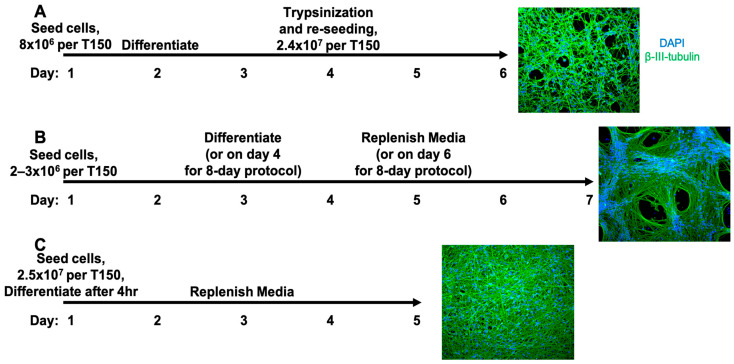 Figure 1
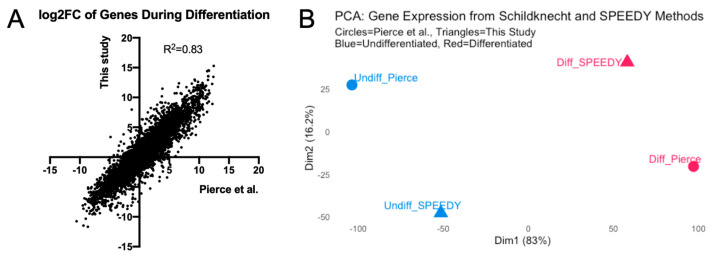 Figure 2
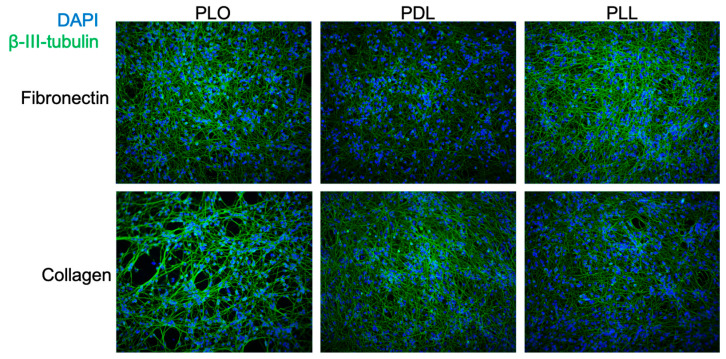 Figure 3
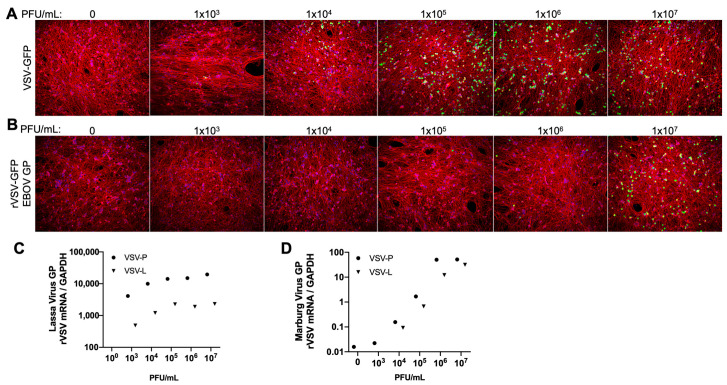 Figure 4
 Figure 5
 Figure 6
 Figure 7
 Figure 8
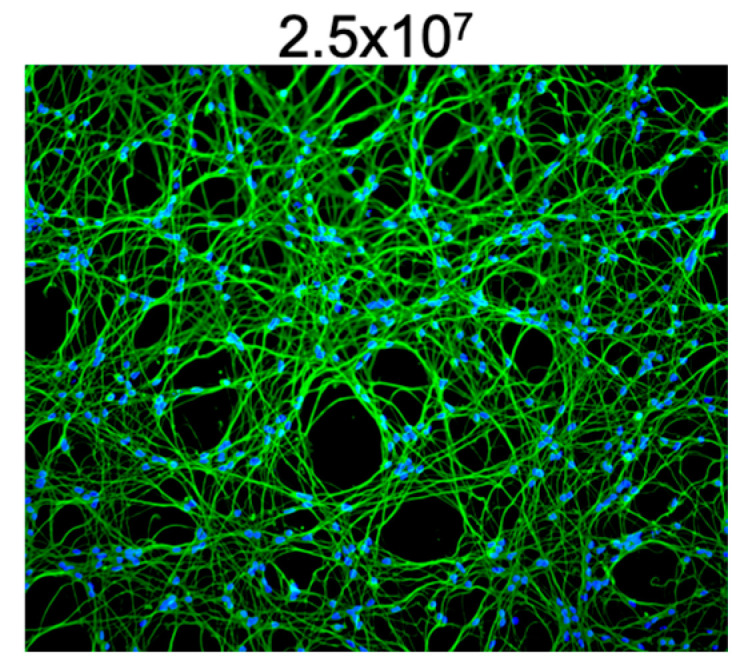 Figure 9
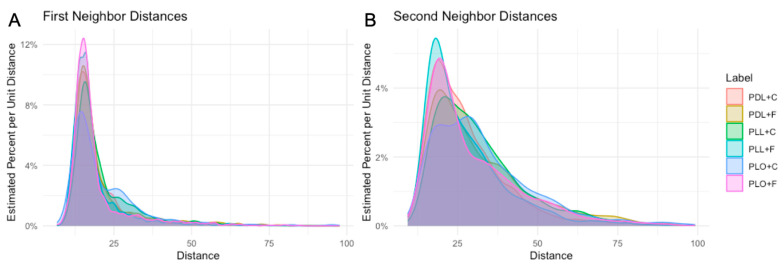 Figure 10
Peer Reviews
No public reviews on file for this paper yet. If you reviewed it on a platform where reviews are public (OpenReview, ICLR, NeurIPS, ICML), you can paste yours below so the community can read it here.
Videos
No videos yet. Explain this paper in a talk, walkthrough, or lecture? Add one.
Taxonomy
TopicsVirus-based gene therapy research · Mosquito-borne diseases and control · RNA regulation and disease