Cognitive Remediation for Psychosis in Virtual Reality (ThinkTactic VR): Qualitative, Iterative, and User-Centered Codevelopment Study
Jasmin Yee, Hannah Matheson, Bryce J M Bogie, Émilie Du Perron, Alexandra Thérond, Maëlle Charest, Catheleine van Driel, Marika Goyette, Ya Ting Lei, Chelsea Noël, Kagusthan Ariaratnam, Greg Collins, Chris Gorman, Ana-Maria Cretu, Simon Tremblay, Marie-Christine Rivard

TL;DR
Researchers co-developed a VR-based cognitive remediation program with people experiencing psychosis and healthcare professionals to improve treatment engagement and effectiveness.
Contribution
ThinkTactic VR is one of the first VR cognitive remediation programs co-designed using an iterative, user-centered approach with end-users and professionals.
Findings
Four key themes emerged from user and professional input for program design.
Healthcare professionals emphasized the need for a clinically relevant, resource-efficient program.
The program incorporated a virtual coach based on user suggestions.
Abstract
Cognitive remediation improves cognition and psychosocial functioning in individuals with psychotic disorders. The use of virtual reality (VR) to deliver cognitive remediation in immersive environments that mimic real cognitively challenging situations has the potential to increase engagement to treatment and further enhance its impact on functioning. We aimed to codevelop a cognitive remediation program in VR with individuals with psychotic disorders and health care professionals to identify and address their needs. Individuals with lived experience of a psychosis-spectrum condition (n=11) met 9 times and the health care professionals (n=7) met 3 times. Participants discussed personal and professional opinions on the challenges associated with cognitive difficulties in individuals with psychotic disorders. They also provided feedback on the program development. We discerned 4 themes…
Genes, proteins, chemicals, diseases, species, mutations and cell lines named across the full text — each resolved to its canonical identifier and authoritative record.
Click any figure to enlarge with its caption.
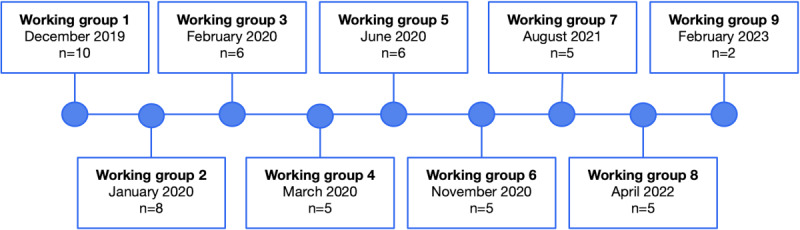 Figure 1
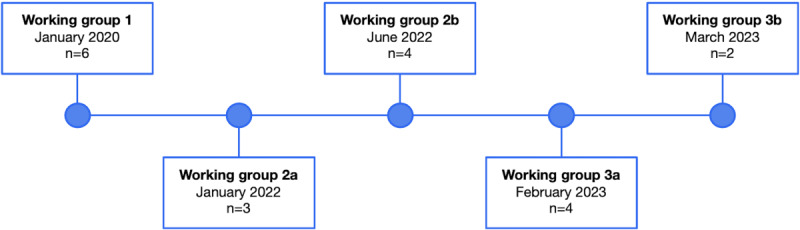 Figure 2
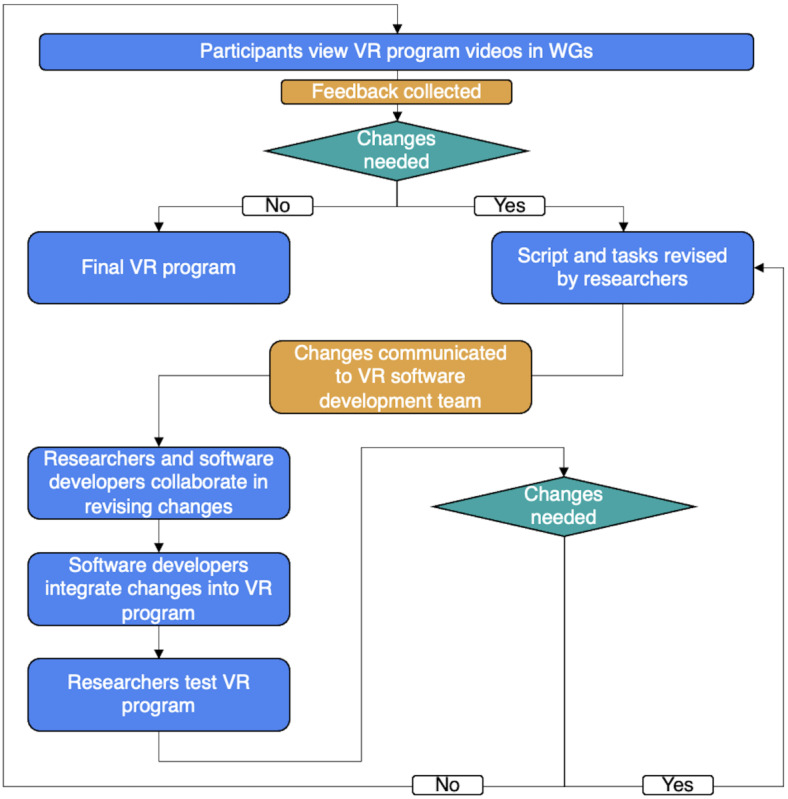 Figure 3
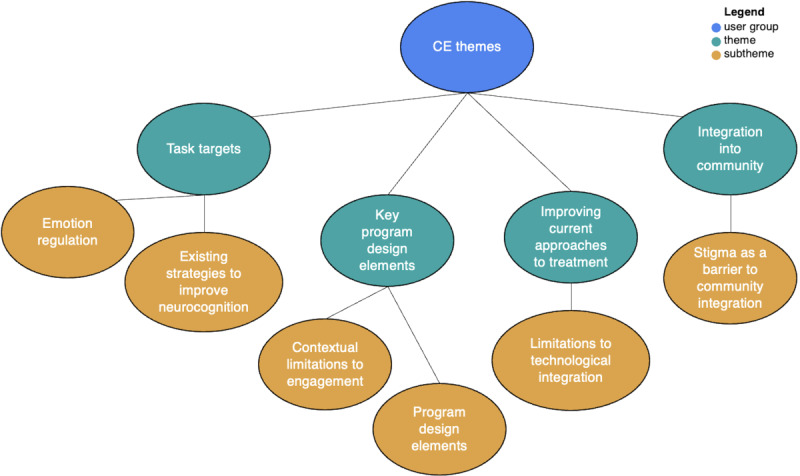 Figure 4
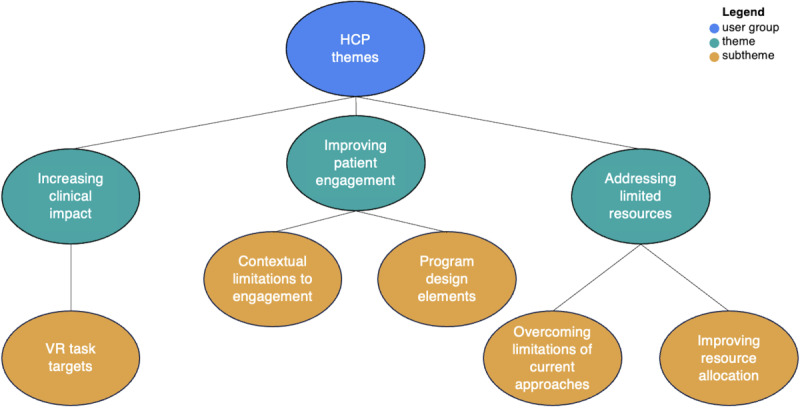 Figure 5
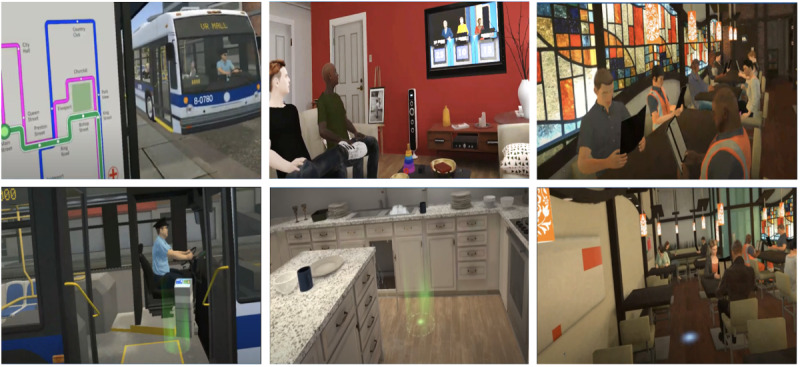 Figure 6
Peer Reviews
No public reviews on file for this paper yet. If you reviewed it on a platform where reviews are public (OpenReview, ICLR, NeurIPS, ICML), you can paste yours below so the community can read it here.
Videos
No videos yet. Explain this paper in a talk, walkthrough, or lecture? Add one.
Taxonomy
TopicsSchizophrenia research and treatment · Mental Health and Psychiatry · Mental Health Research Topics