Streptococcus equi subsp. zooepidemicus Supernatant Containing Streptolysin S Alters the Equine Nasal and Vaginal Mucosa, Modulating Equine Herpesvirus 1, 3 and 4 Infections
Eslam Mohamed, Jolien Van Cleemput, Burak Şahin, Wim Van den Broeck, Filip Boyen, Hans Nauwynck

TL;DR
A toxin from a common equine bacterium damages nasal and vaginal tissues, making it easier for equine herpesviruses to replicate.
Contribution
This study shows that streptolysin S from Streptococcus equi subsp. zooepidemicus enhances equine herpesvirus replication by damaging mucosal epithelium.
Findings
SLS-containing supernatants at dilutions 10−2 and 10−3 compromised epithelial integrity in equine nasal and vaginal explants.
Viral replication increased in explants treated with SLS 10−3, indicating that epithelial damage facilitates herpesvirus infection.
The study demonstrates a bacterial-viral interaction that exacerbates disease through mucosal damage.
Abstract
The equine respiratory and reproductive tract microbiomes are complex and subject to constant fluctuations. Among the microbial inhabitants, Streptococcus equi subsp. zooepidemicus (SEZ) is recognized as the dominant bacterium. It is an opportunistic pathogen that may occasionally lead to various types of infections. A key virulence factor of SEZ is the streptolysin S (SLS) toxin, which is responsible for the characteristic β-hemolysis on blood agar and tissue damage. Viruses and bacteria may interact and aggravate lesions and disease. This study aimed to evaluate the impact of an SLS-containing supernatant from SEZ on the nasal and vaginal mucosa and the subsequent replication of equine herpesviruses. The SLS-containing supernatant was prepared, and three 10-fold dilutions (optical density “OD” 10−2, 10−3, 10−4) were applied to equine nasal and vaginal explants. Untreated and…
Genes, proteins, chemicals, diseases, species, mutations and cell lines named across the full text — each resolved to its canonical identifier and authoritative record.
Click any figure to enlarge with its caption.
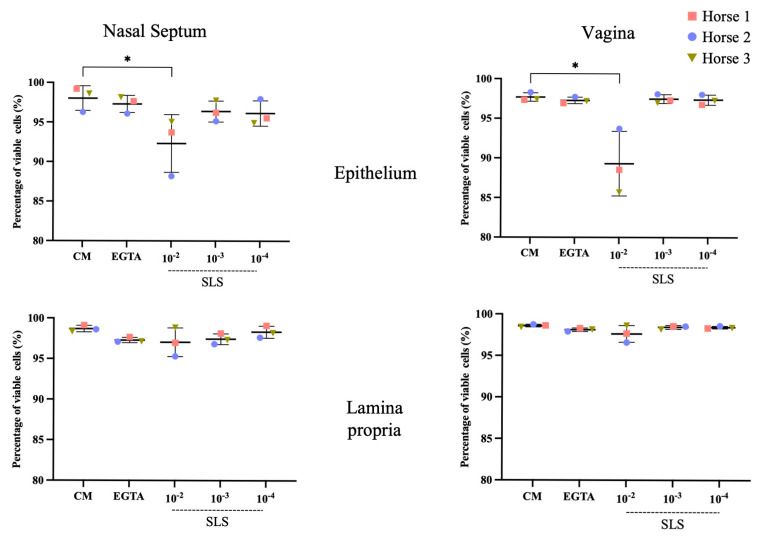 Figure 1
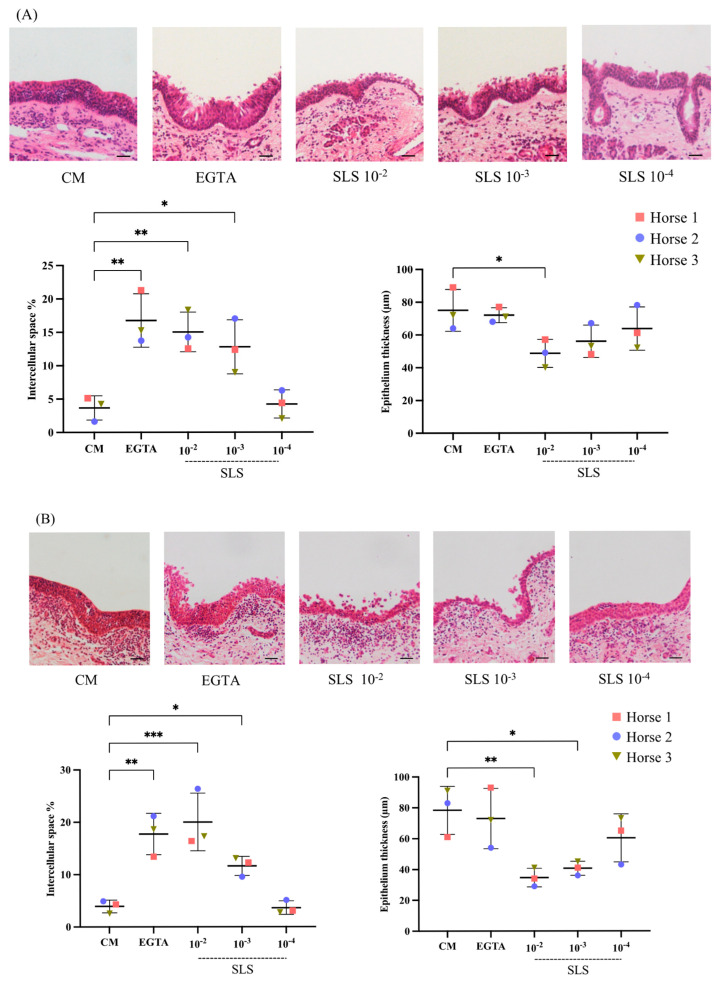 Figure 2
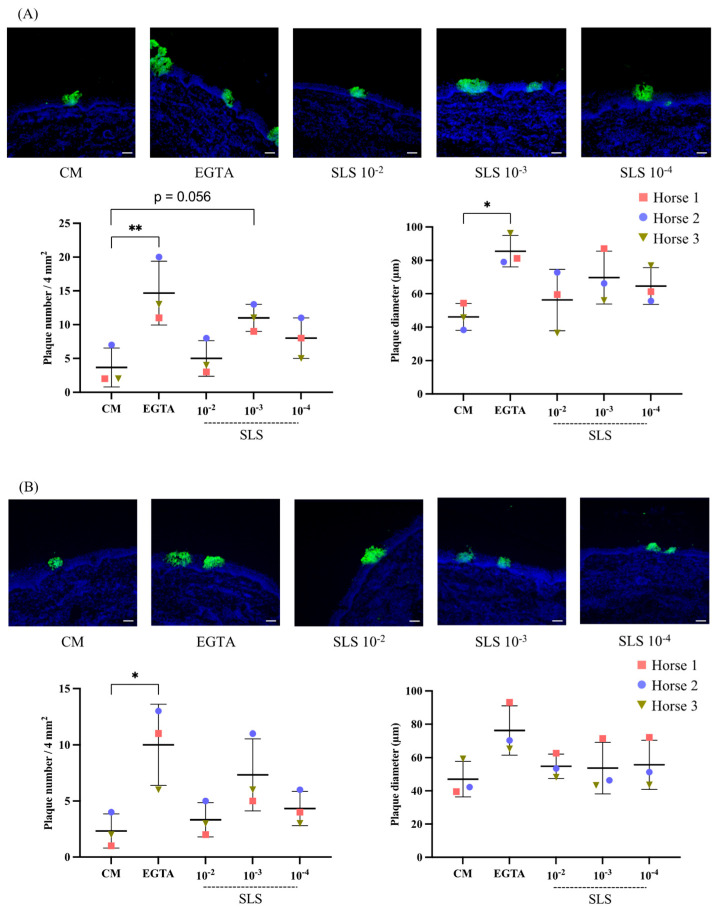 Figure 3
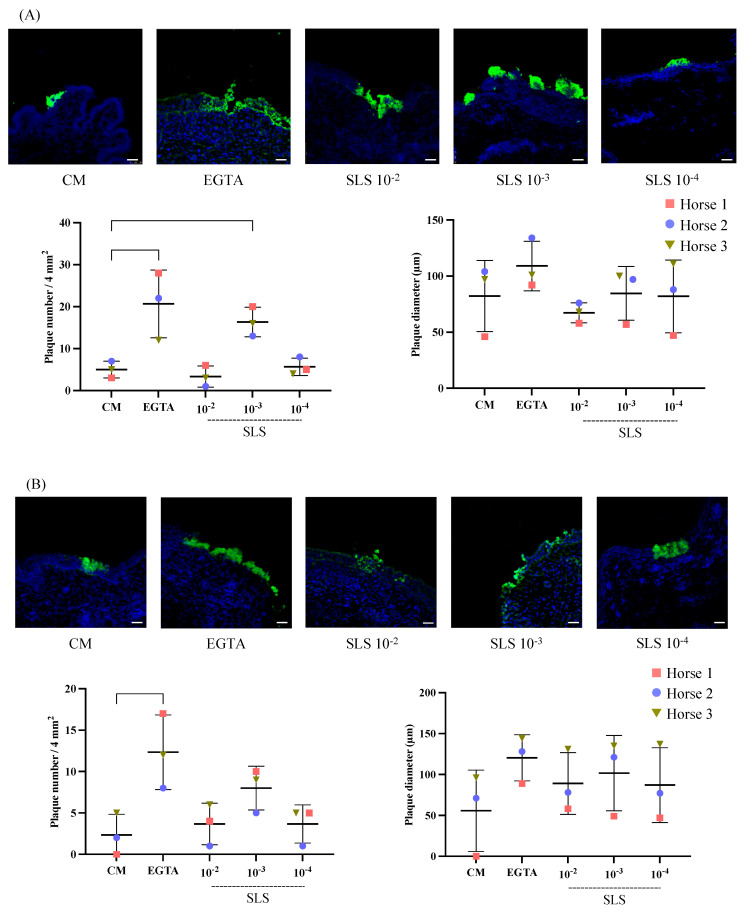 Figure 4
Peer Reviews
No public reviews on file for this paper yet. If you reviewed it on a platform where reviews are public (OpenReview, ICLR, NeurIPS, ICML), you can paste yours below so the community can read it here.
Videos
No videos yet. Explain this paper in a talk, walkthrough, or lecture? Add one.
Taxonomy
TopicsStreptococcal Infections and Treatments · Bacterial Identification and Susceptibility Testing · Herpesvirus Infections and Treatments