Amelioration of Metabolic Syndrome by Co-Administration of Lactobacillus johnsonii CRL1231 and Wheat Bran in Mice via Gut Microbiota and Metabolites Modulation
Matias Russo, Antonela Marquez, Estefanía Andrada, Sebastián Torres, Arlette Santacruz, Roxana Medina, Paola Gauffin-Cano

TL;DR
Combining a specific Lactobacillus strain with wheat bran improves metabolic syndrome in mice by altering gut bacteria and metabolites.
Contribution
The study demonstrates a synergistic dietary approach using Lactobacillus johnsonii and wheat bran to alleviate metabolic syndrome through gut microbiota and metabolite modulation.
Findings
Co-administration of Lactobacillus johnsonii and wheat bran reduced adiposity and improved cholesterol levels in mice.
The treatment increased beneficial gut bacteria and decreased harmful ones, while also reducing inflammation and liver damage.
Colonic feruloyl esterase activity and FA-derived metabolites were elevated, contributing to metabolic improvements.
Abstract
Background/Objectives: Lactobacillus johnsonii CRL1231 (Lj CRL1231) is a strain with feruloyl esterase (FE) activity that enhances ferulic acid (FA) release from wheat bran (WB) and has potential as a probiotic for metabolic syndrome (MS). Given the potential health benefits of FA and its microbial metabolites, this study aimed to evaluate the therapeutic effect of Lj CRL1231 co-administered with WB in a mouse model of metabolic syndrome (MS) induced by a high-fat diet (HFD). Methods: Mice were divided into three groups and fed for 14 weeks as follows: the Control group (standard diet), the MS group (HFD+WB), and the MS+Lj group (HFD+WB and Lj CRL1231-dose 108 cells/day). Specifically, we analyzed the changes in the intestinal microbiota (IM), colonic FE activity, generation of FA-derived and fermentation metabolites, and metabolic and inflammatory parameters. Results: Improvements in…
Genes, proteins, chemicals, diseases, species, mutations and cell lines named across the full text — each resolved to its canonical identifier and authoritative record.
Click any figure to enlarge with its caption.
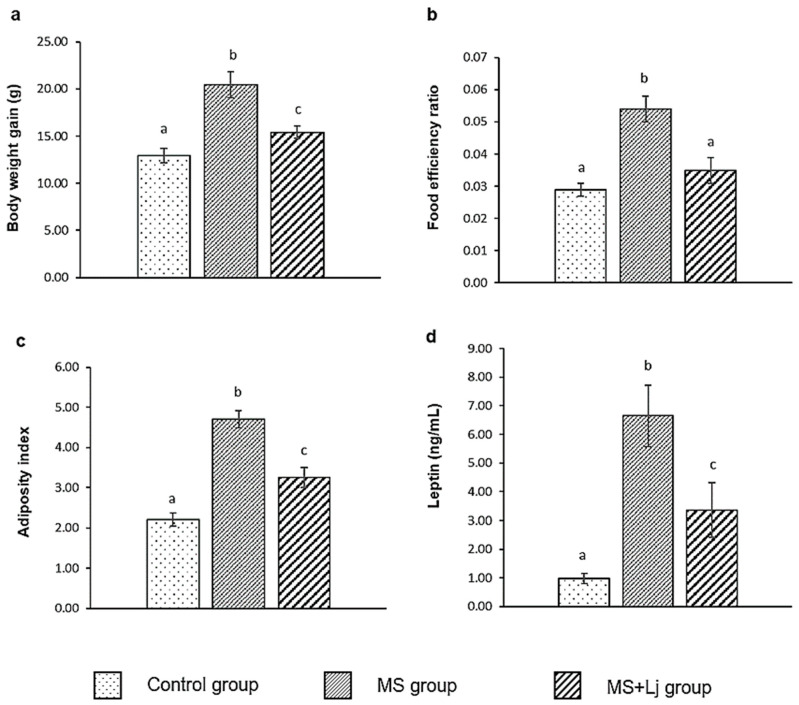 Figure 1
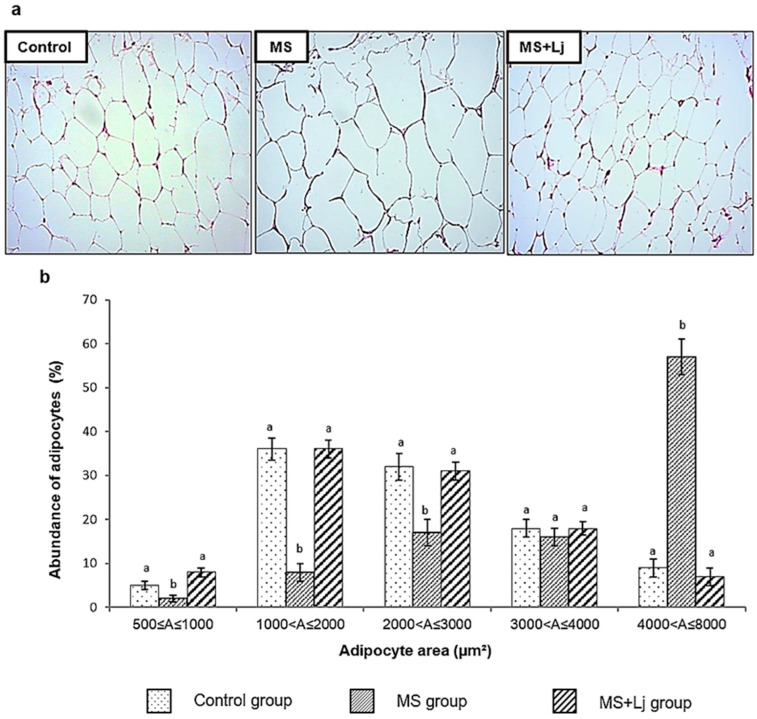 Figure 2
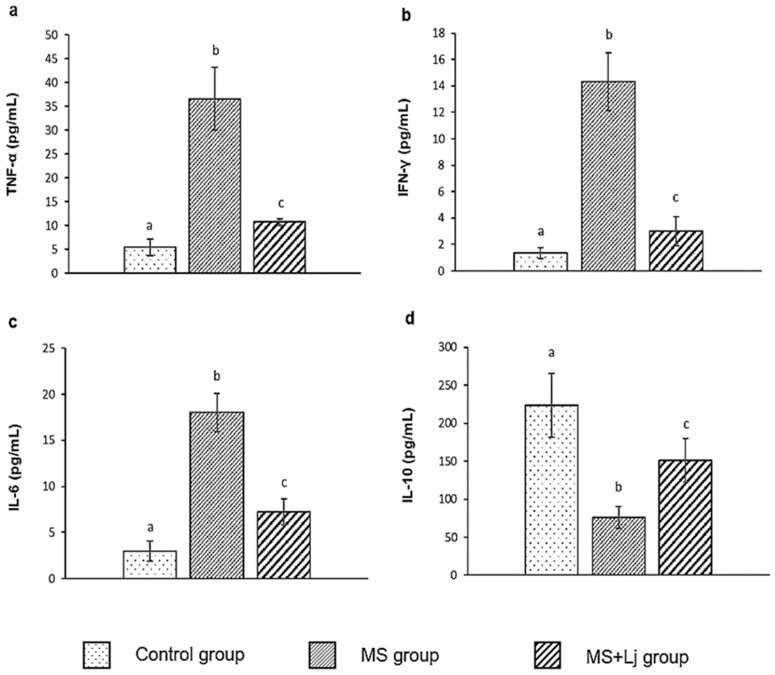 Figure 3
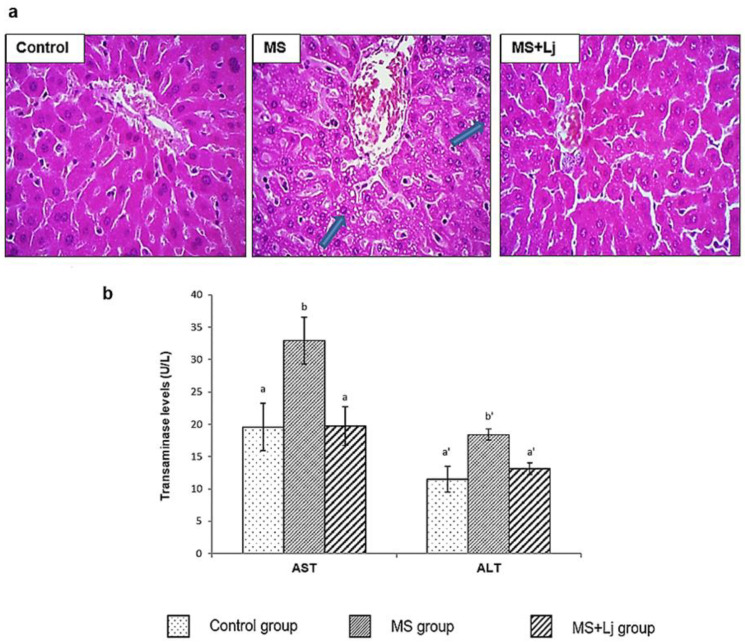 Figure 4
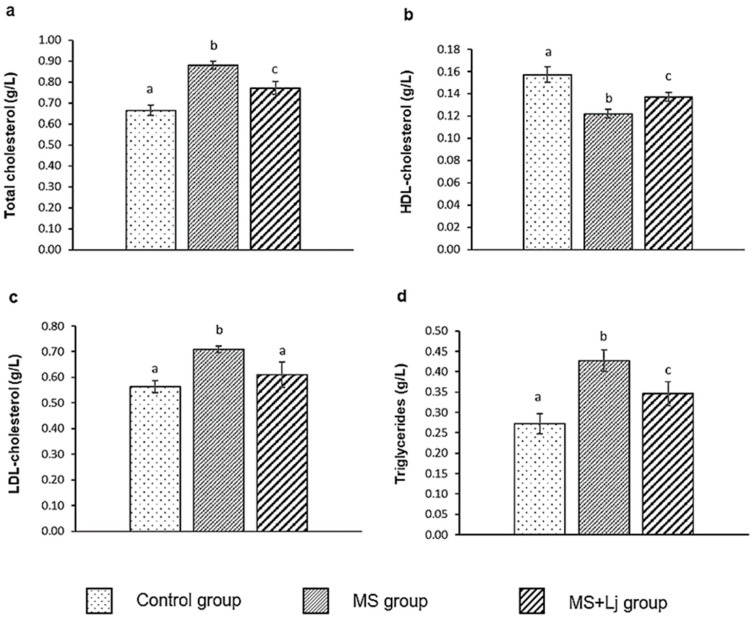 Figure 5
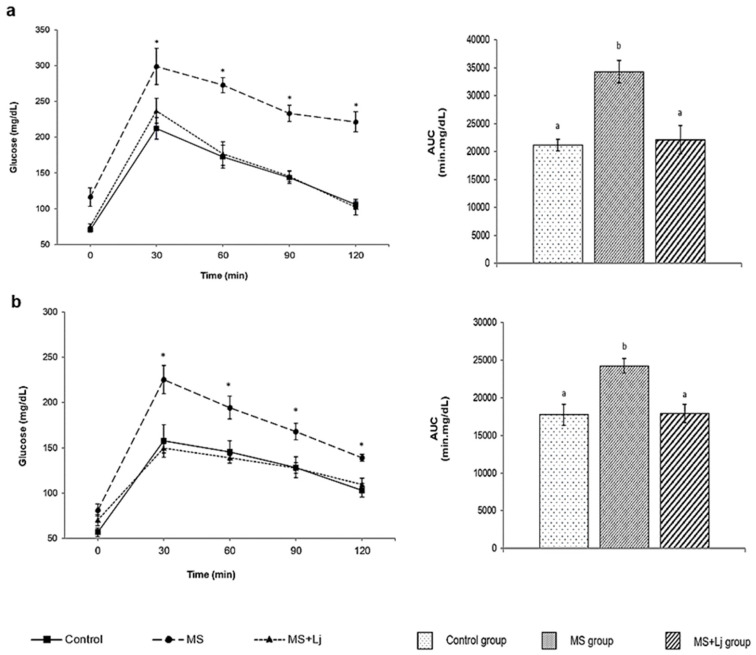 Figure 6
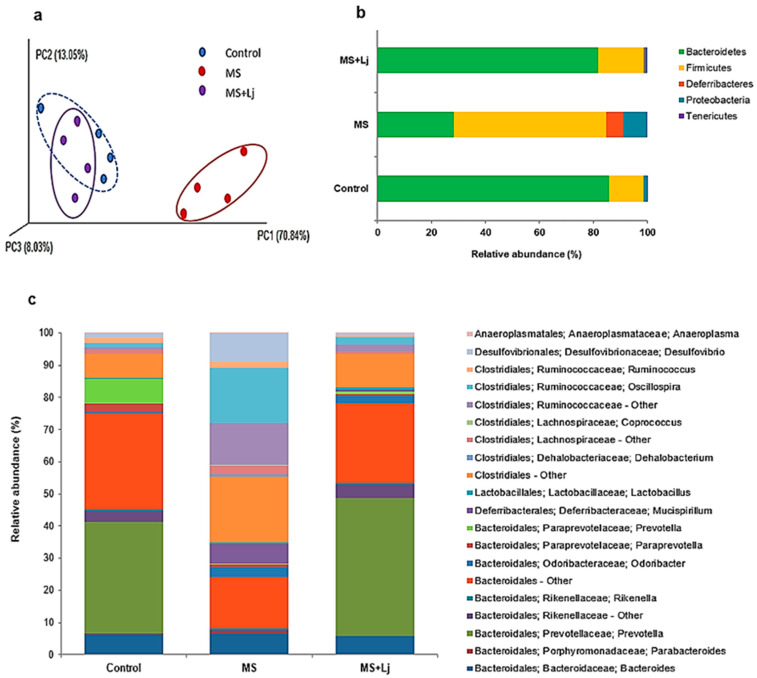 Figure 7
Peer Reviews
No public reviews on file for this paper yet. If you reviewed it on a platform where reviews are public (OpenReview, ICLR, NeurIPS, ICML), you can paste yours below so the community can read it here.
Videos
No videos yet. Explain this paper in a talk, walkthrough, or lecture? Add one.
Taxonomy
TopicsFood composition and properties · Gut microbiota and health · Probiotics and Fermented Foods