A Dialysis Membrane-Integrated Microfluidic Device for Controlled Drug Retention and Nutrient Supply
Hajime Miyashita, Yuya Ito, Kenta Shinha, Hiroko Nakamura, Hiroshi Kimura

TL;DR
A new microfluidic device with a dialysis membrane helps maintain realistic drug concentrations and nutrient supply for more accurate drug testing in the lab.
Contribution
The novel integration of a dialysis membrane in a microfluidic device enables continuous drug retention and nutrient supply, mimicking in vivo pharmacokinetics.
Findings
The dialysis membrane effectively retains high-molecular-weight drugs while allowing low-molecular-weight nutrients to pass through.
Anticancer drug efficacy was successfully evaluated under continuously changing drug concentrations using the device.
The device bridges the gap between static in vitro assays and physiological in vivo conditions for drug testing.
Abstract
Traditional pre-clinical drug evaluation methods, including animal experiments and static cell cultures using human-derived cells, face critical limitations such as interspecies differences, ethical concerns, and poor physiological relevance. More recently, microphysiological systems (MPSs) that use microfluidic devices to mimic in vivo conditions have emerged as promising platforms. By enabling perfusion cell culture and incorporating human-derived cells, MPSs can evaluate drug efficacy and toxicity in a more human-relevant manner. However, standard MPS protocols rely on discrete medium changes, causing abrupt changes in drug concentrations that do not reflect the continuous pharmacokinetics seen in vivo. To overcome this limitation, we developed a Dialysis Membrane-integrated Microfluidic Device (DMiMD) which maintains continuous drug concentrations through selective medium change via…
Genes, proteins, chemicals, diseases, species, mutations and cell lines named across the full text — each resolved to its canonical identifier and authoritative record.
Click any figure to enlarge with its caption.
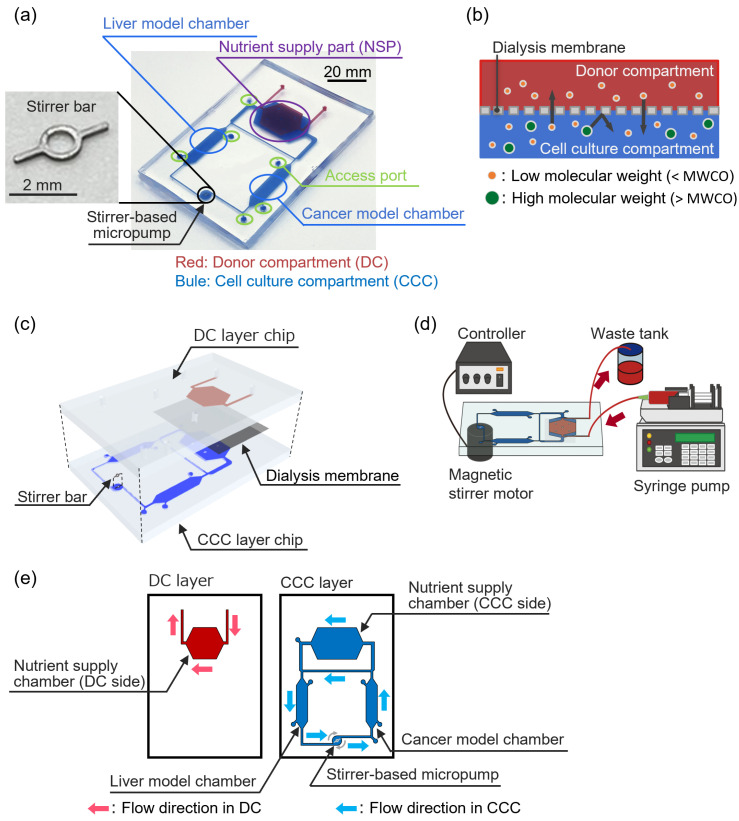 Figure 1
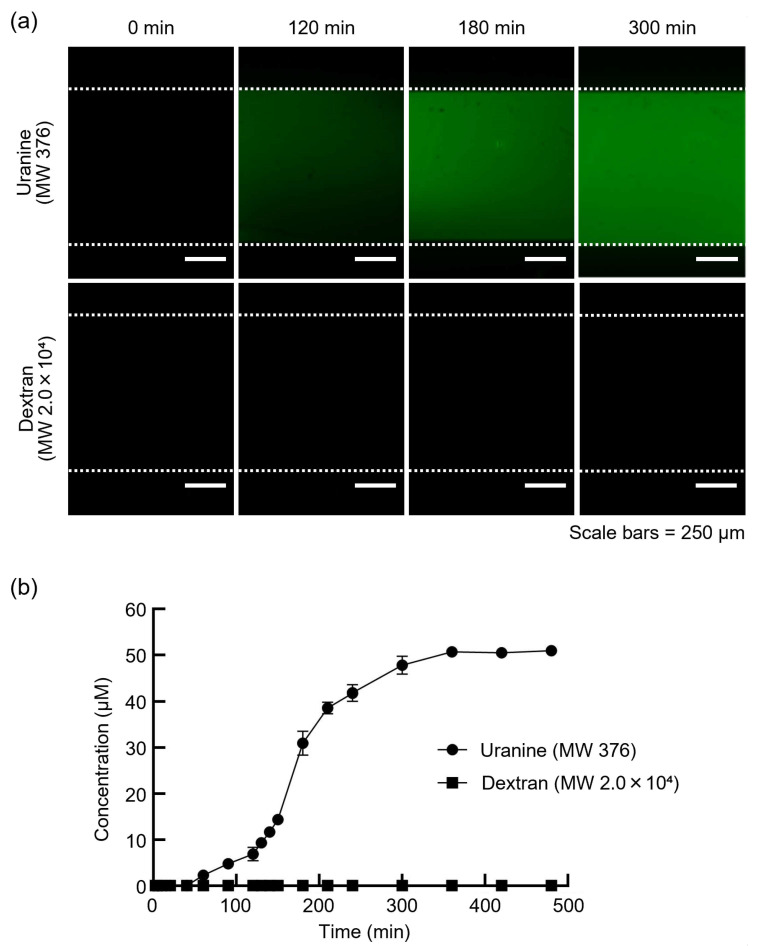 Figure 2
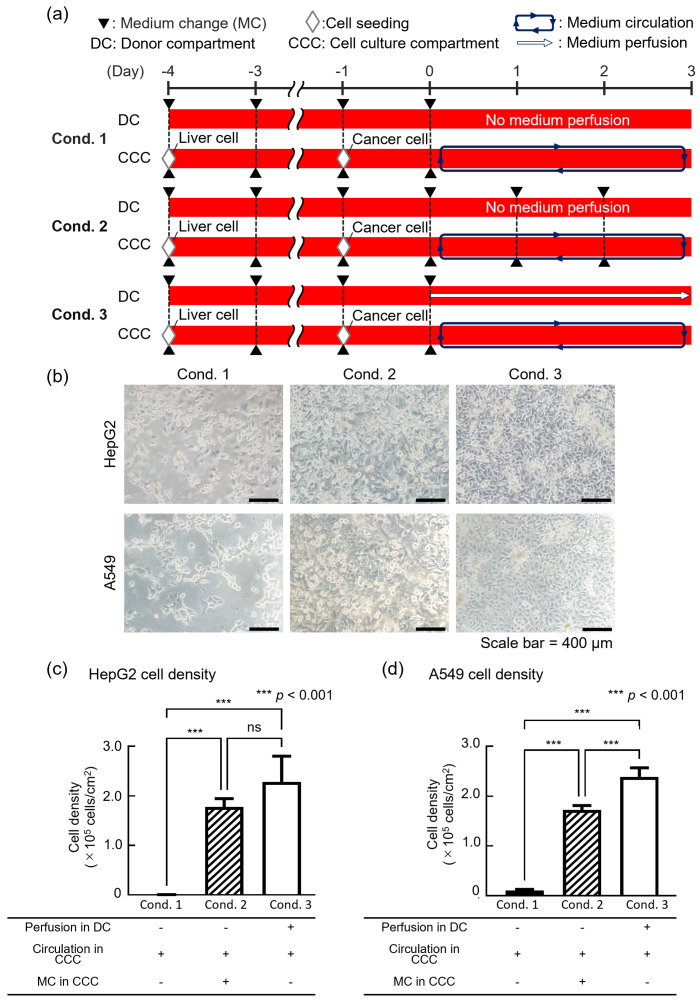 Figure 3
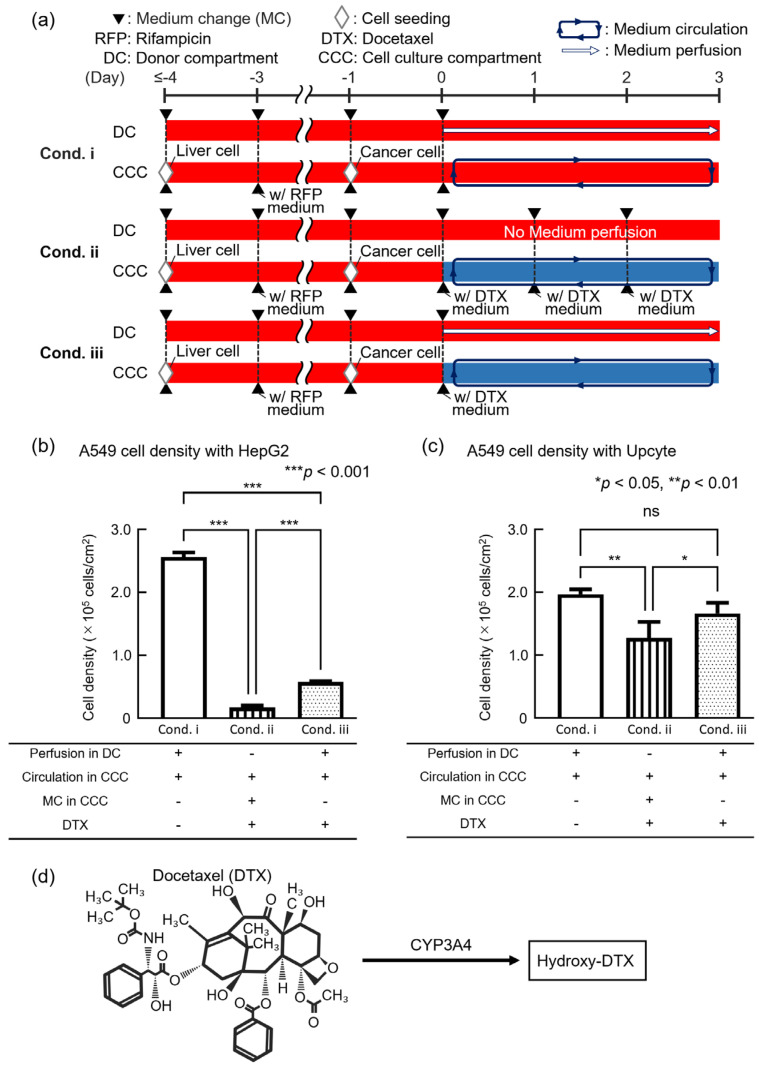 Figure 4
Peer Reviews
No public reviews on file for this paper yet. If you reviewed it on a platform where reviews are public (OpenReview, ICLR, NeurIPS, ICML), you can paste yours below so the community can read it here.
Videos
No videos yet. Explain this paper in a talk, walkthrough, or lecture? Add one.
Taxonomy
Topics3D Printing in Biomedical Research · Microfluidic and Capillary Electrophoresis Applications · Innovative Microfluidic and Catalytic Techniques Innovation