Real-Time Temperature Effects on Dynamic Impact Mechanical Properties of Hybrid Fiber-Reinforced High-Performance Concrete
Pengcheng Huang, Yan Li, Fei Ding, Xiang Liu, Xiaoxi Bi, Tao Xu

TL;DR
This study examines how different fiber-reinforced concretes behave under high temperatures and impact, finding that hybrid systems offer better performance in extreme thermal conditions.
Contribution
The study introduces a temperature-adaptive design strategy for hybrid fiber-reinforced concrete under thermo-shock coupling.
Findings
Hybrid SF-PVAF systems showed stable dynamic strength between 200–400 °C due to synergistic toughening mechanisms.
SF-PPF combinations are recommended for 400–500 °C environments based on compressive strength trends.
Microstructural analysis confirmed collaborative failure mode optimization through organic fiber pores and SF crack-bridging.
Abstract
Metallurgical equipment foundations exposed to prolonged 300–500 °C environments are subject to explosion risks, necessitating materials that are resistant to thermo-shock-coupled loads. This study investigated the real-time dynamic compressive behavior of high-performance concrete (HPC) reinforced with steel fibers (SFs), polypropylene fibers (PPFs), polyvinyl alcohol fibers (PVAFs), and their hybrid systems under thermo-shock coupling using real-time high-temperature (200–500 °C) SHPB tests. The results revealed temperature-dependent dynamic responses: SFs exhibited a V-shaped trend in compressive strength evolution (minimum at 400 °C), while PPFs/PVAFs showed inverted V-shaped trends (peaking at 300 °C). Hybrid systems demonstrated superior performance: SF-PVAF achieved stable dynamic strength at 200–400 °C (dynamic increase factor, DIF ≈ 1.65) due to synergistic toughening via SF…
Genes, proteins, chemicals, diseases, species, mutations and cell lines named across the full text — each resolved to its canonical identifier and authoritative record.
Click any figure to enlarge with its caption.
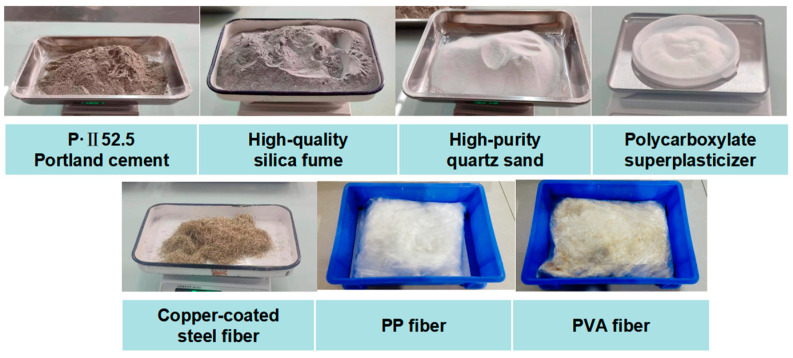 Figure 1
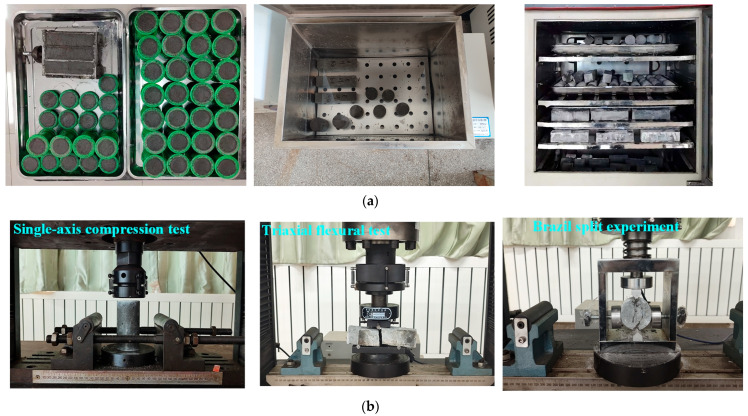 Figure 2
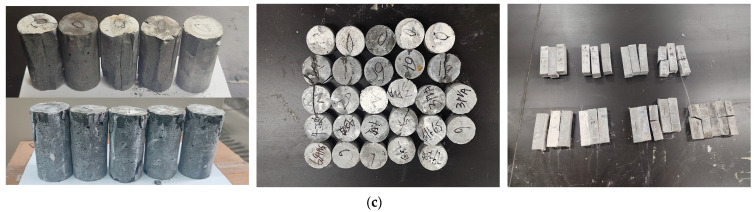 Figure 3
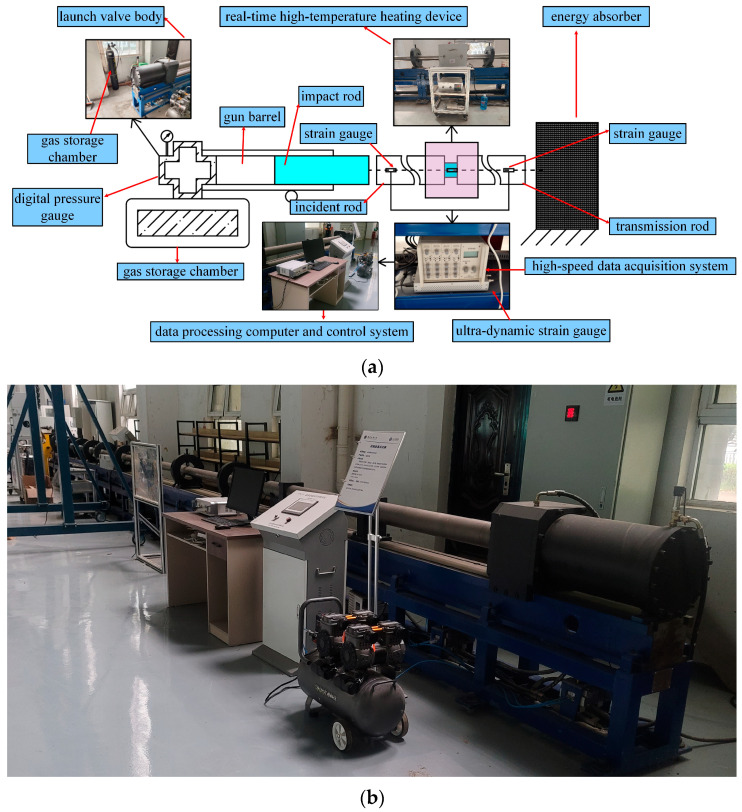 Figure 4
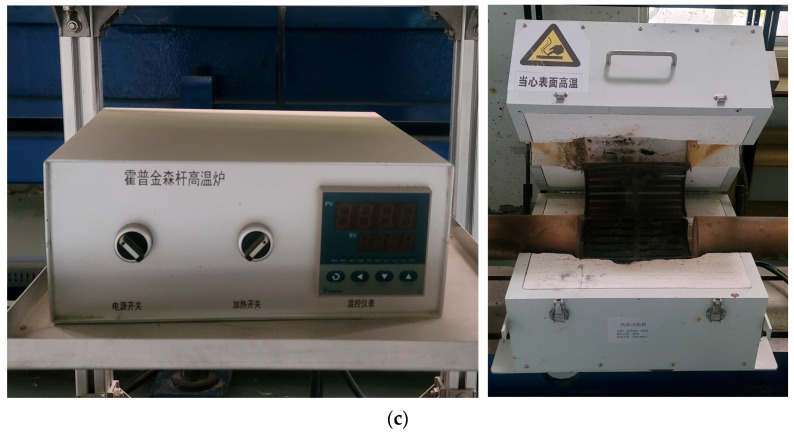 Figure 5
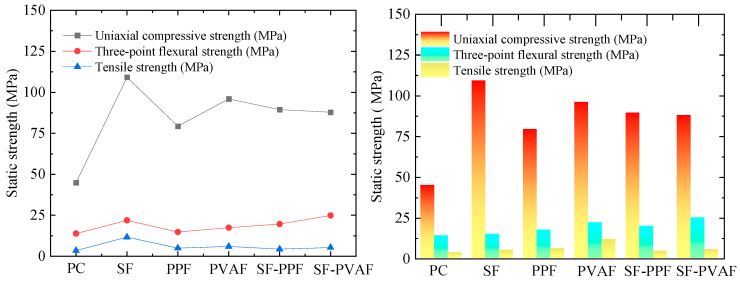 Figure 6
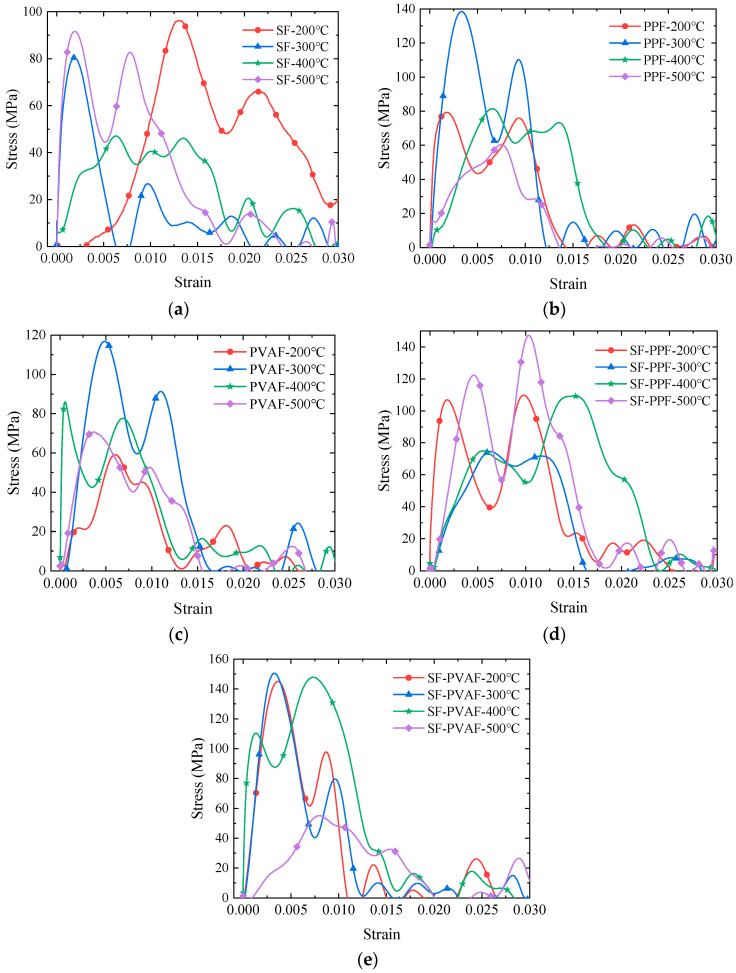 Figure 7
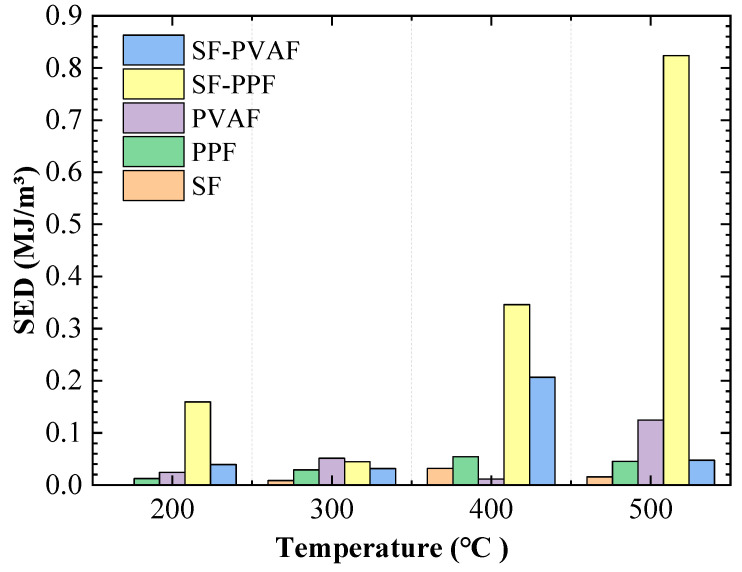 Figure 8
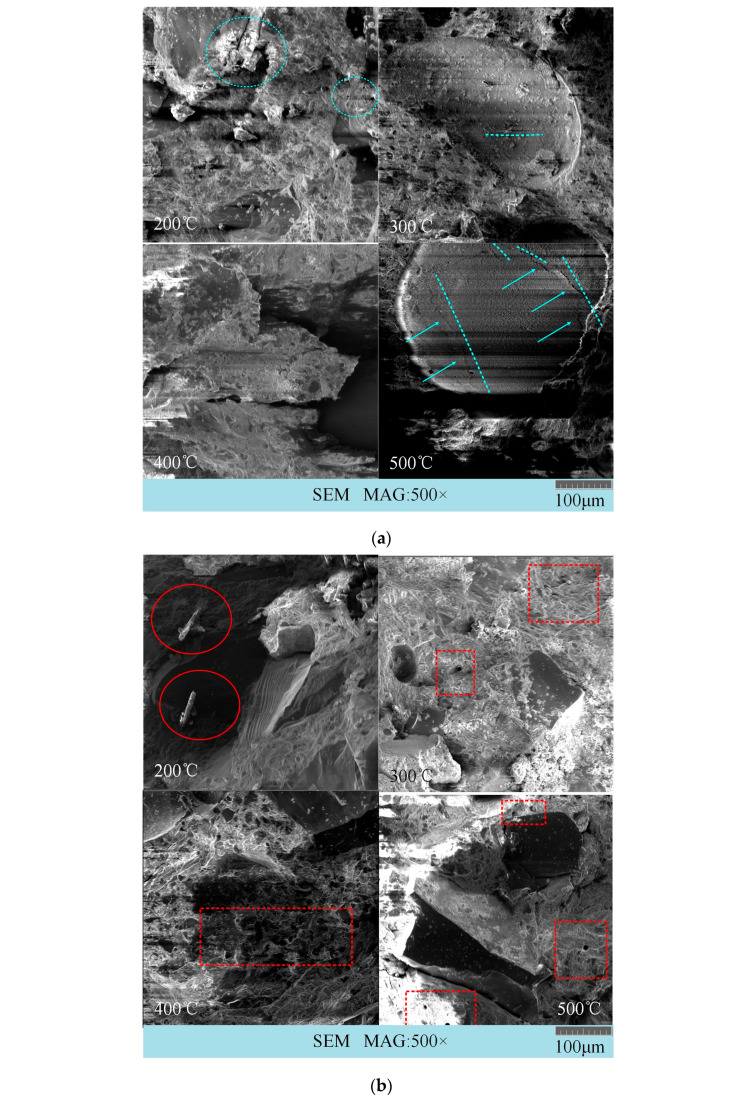 Figure 9
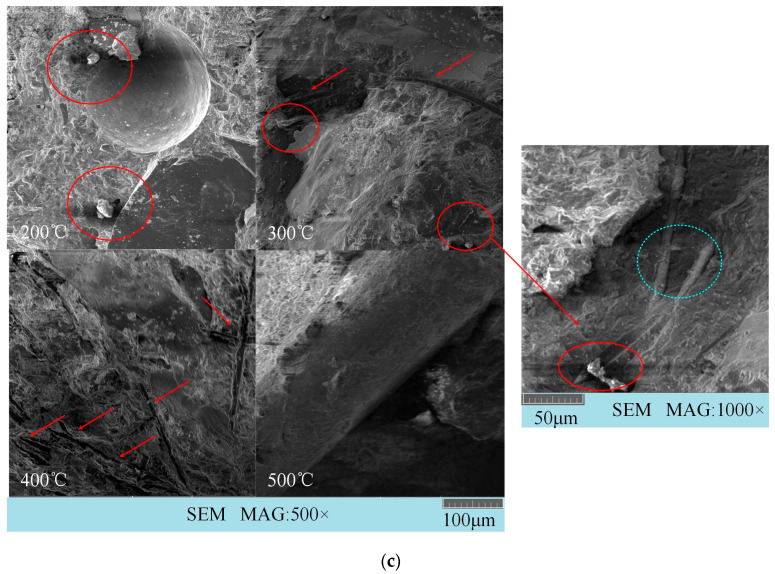 Figure 10
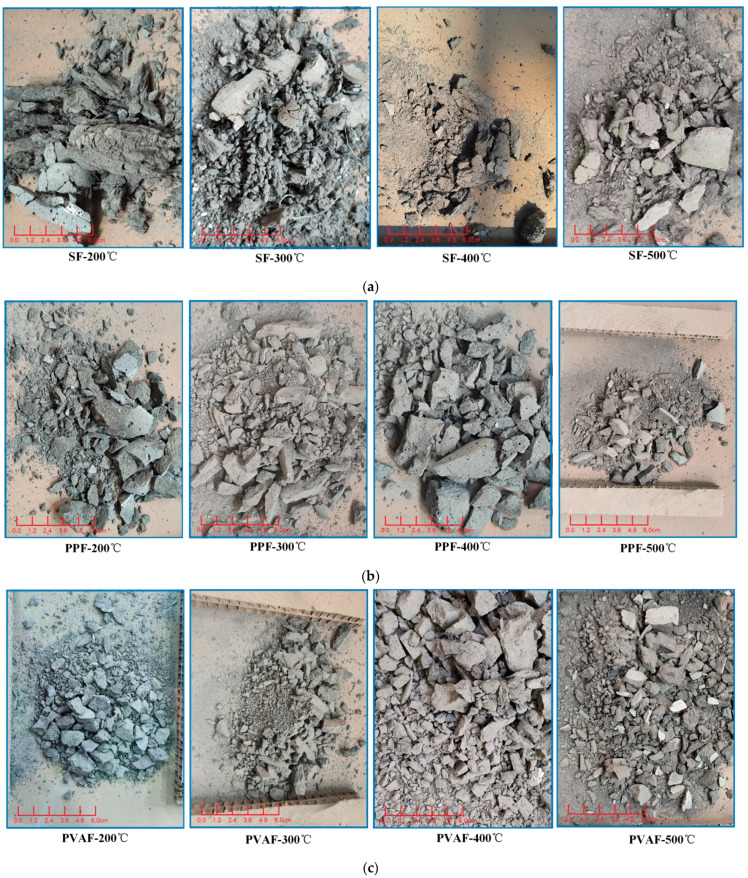 Figure 11
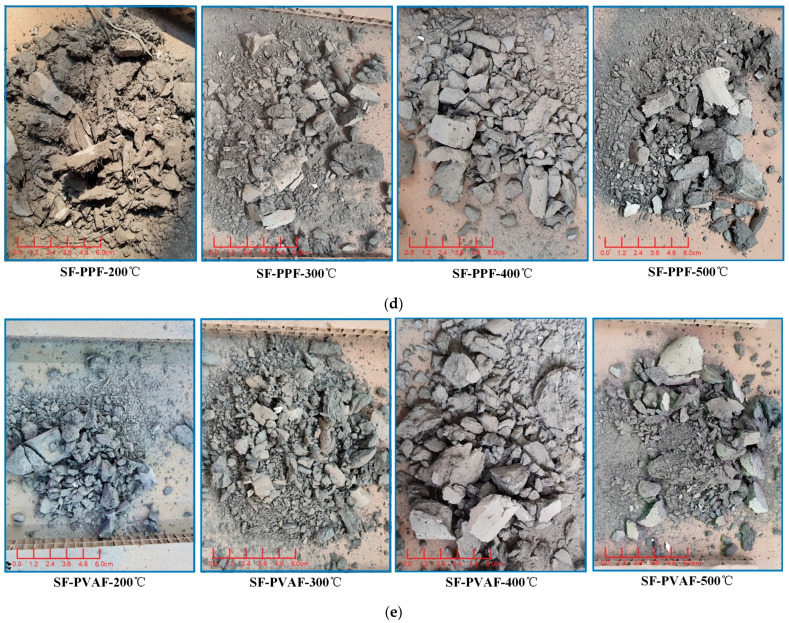 Figure 12
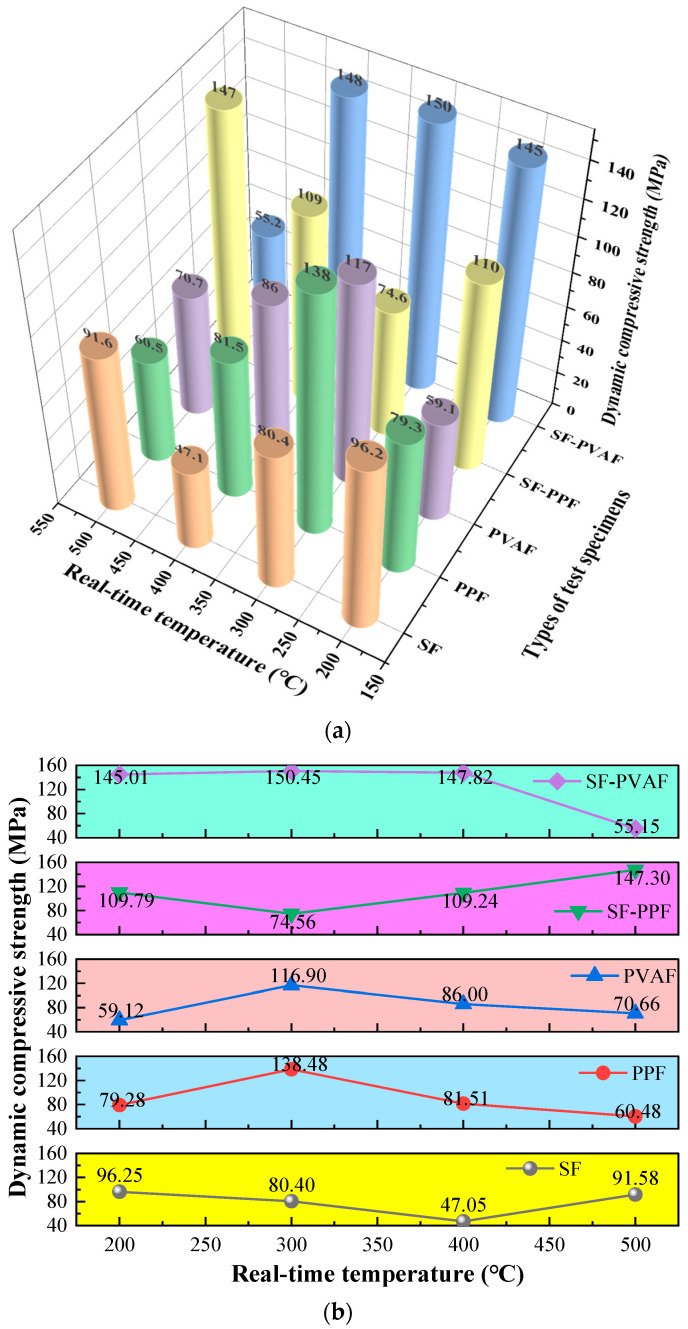 Figure 13
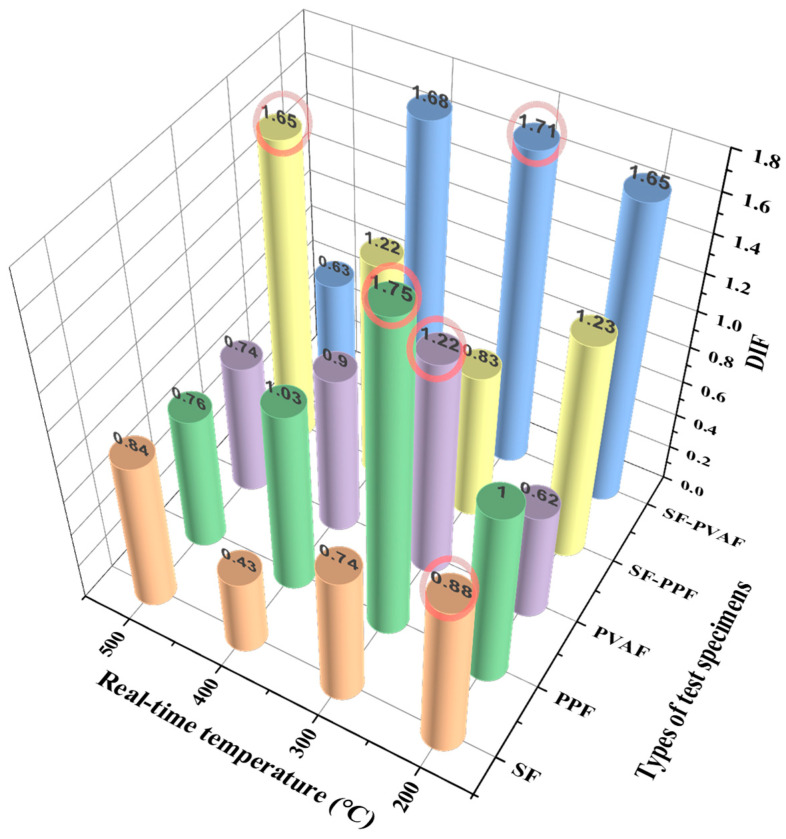 Figure 14
Peer Reviews
No public reviews on file for this paper yet. If you reviewed it on a platform where reviews are public (OpenReview, ICLR, NeurIPS, ICML), you can paste yours below so the community can read it here.
Videos
No videos yet. Explain this paper in a talk, walkthrough, or lecture? Add one.
Taxonomy
TopicsFire effects on concrete materials · Innovative concrete reinforcement materials · Concrete and Cement Materials Research