Molecular “Yin-Yang” Machinery of Synthesis of the Second and Third Fullerene C60 Derivatives
Djuro Lj. Koruga, Lidija R. Matija, Ivana M. Stanković, Vladimir B. Pavlović, Aleksandra P. Dinić

TL;DR
This paper explores how fullerene C60 derivatives can be made safer and more effective for biomedical use by using magnetic fields to create water layers around them, reducing toxicity and improving solubility.
Contribution
The study introduces a novel 'Yin-Yang' method using oscillatory magnetic fields to synthesize biophysically active fullerene derivatives with reduced toxicity.
Findings
SD-C60 and TD-C60 show increased water solubility and reduced toxicity compared to FD-C60.
An oscillatory magnetic field enables the self-organization of SD-C60 and the formation of TD-C60 through hydrogen bond manipulation.
The 'Yin-Yang' principle is applied to create a synergetic complex with potential applications in cancer and Alzheimer’s treatment.
Abstract
To overcome the negative effects of the biochemical application of nano-substances in medicine (toxicity problem), using the example of fullerene C60’s first derivative (fullerenol, FD-C60), we show that their biophysical effect is possible through non-covalent hydrogen bonds when around FD-C60 water layers are formed. SD-C60 (Zeta potential is −43.29 mV) is much more stable than fullerol (Zeta potential is −25.85 mV), so agglomeration/fragmentation of the fullerol structure, due to instability, can cause toxic effects. When fullerol in solution was exposed to an oscillatory magnetic field with Re (real) part [250/−92 mT, H(ωt) = Acos(ωt)], water layers around FD-C60 (fullerenol) are formed according to the Penrose process of 3D tiling formation, and the second derivative, SD-C60 (or 3HFWC), is self-organized. However, when Im (imaginary) part [250/−92 mT, H(ωt) = Bisin (ωt)] of the…
Genes, proteins, chemicals, diseases, species, mutations and cell lines named across the full text — each resolved to its canonical identifier and authoritative record.
Click any figure to enlarge with its caption.
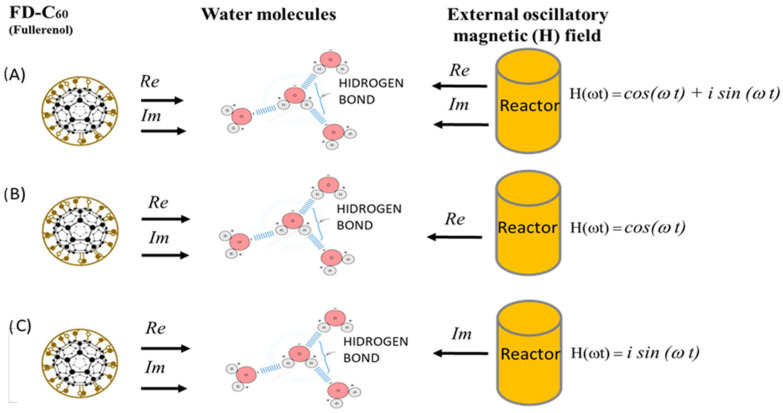 Figure 1
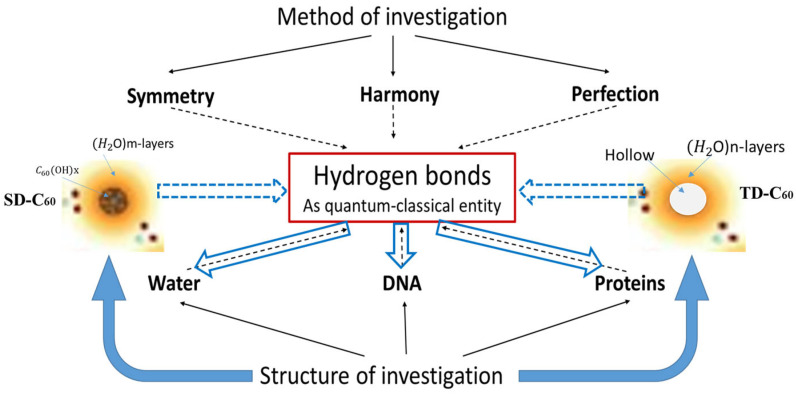 Figure 2
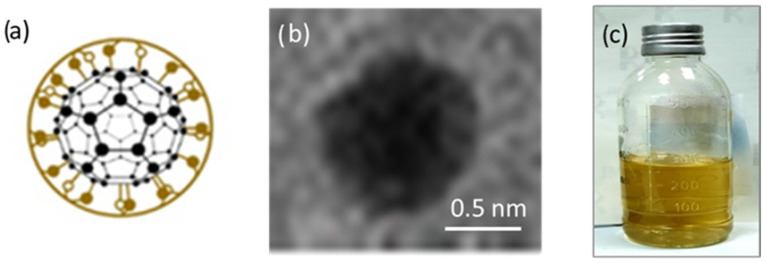 Figure 3
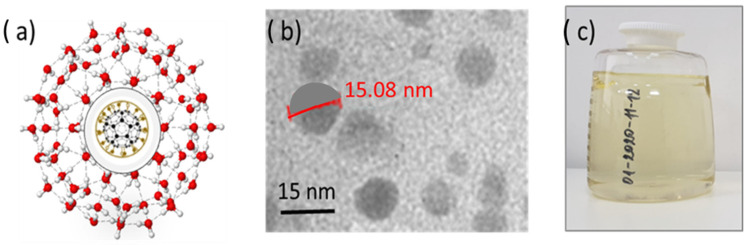 Figure 4
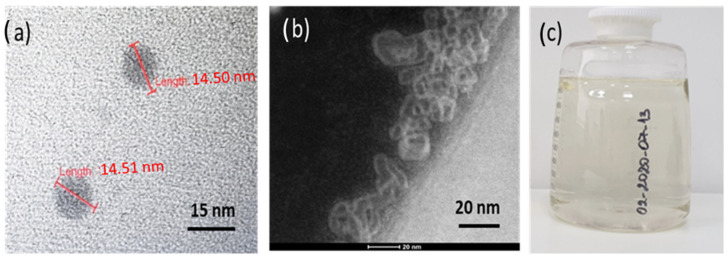 Figure 5
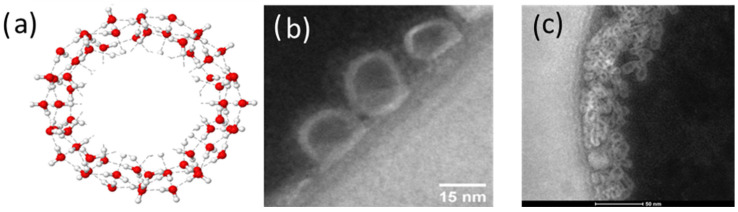 Figure 6
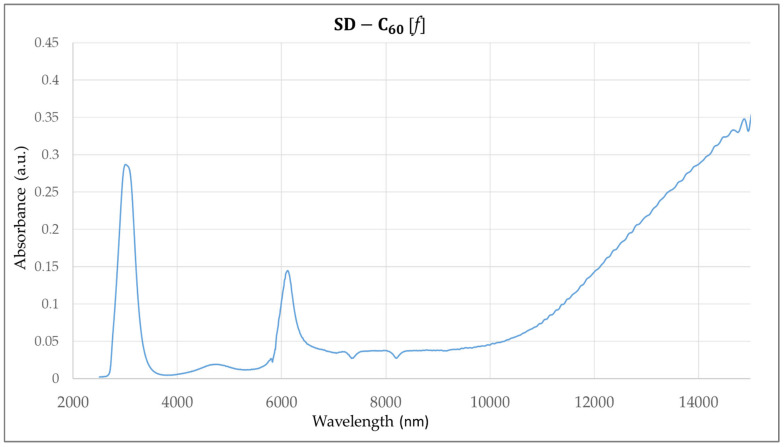 Figure 7
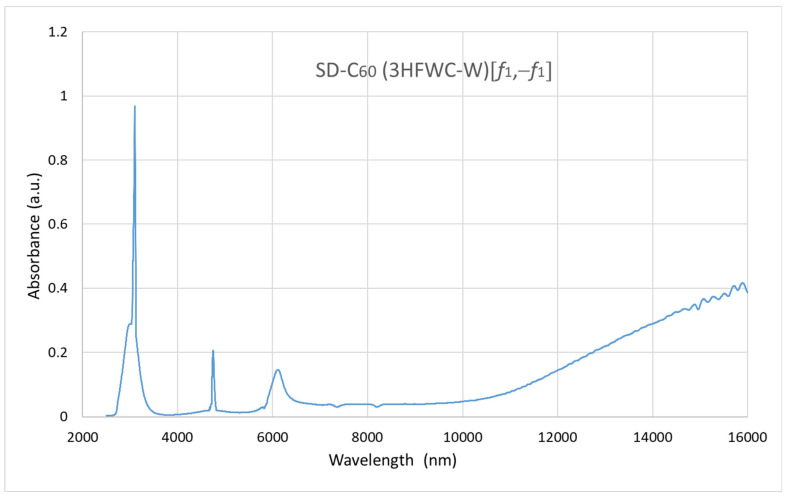 Figure 8
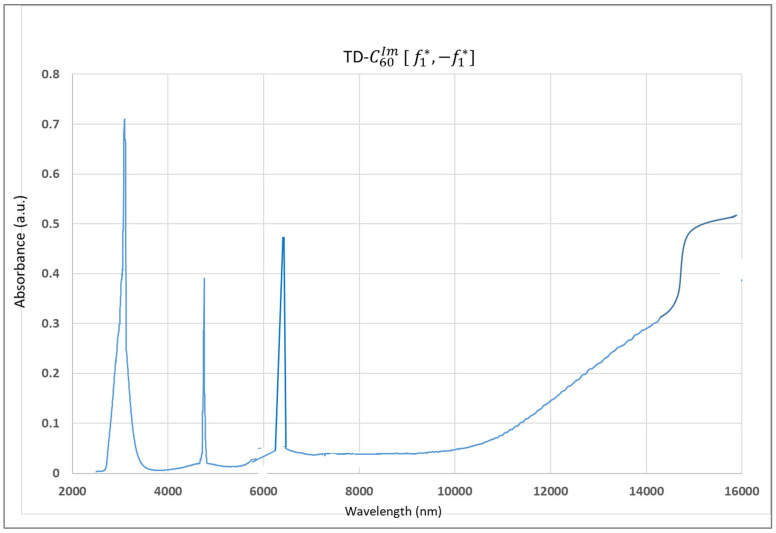 Figure 9
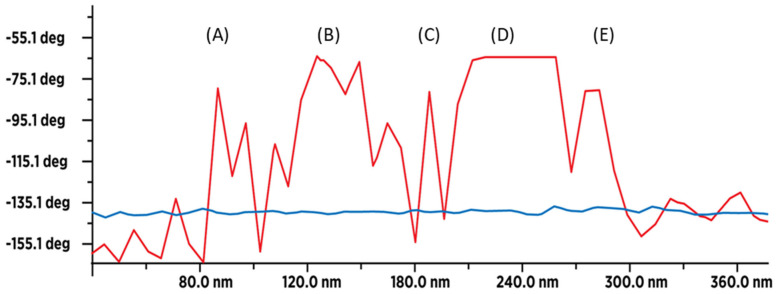 Figure 10
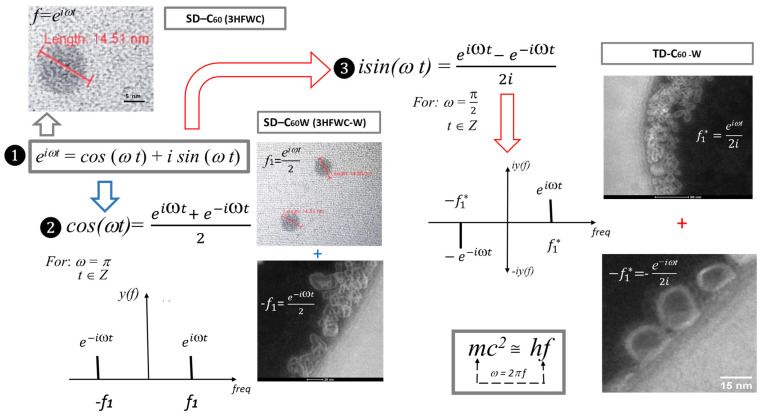 Figure 11
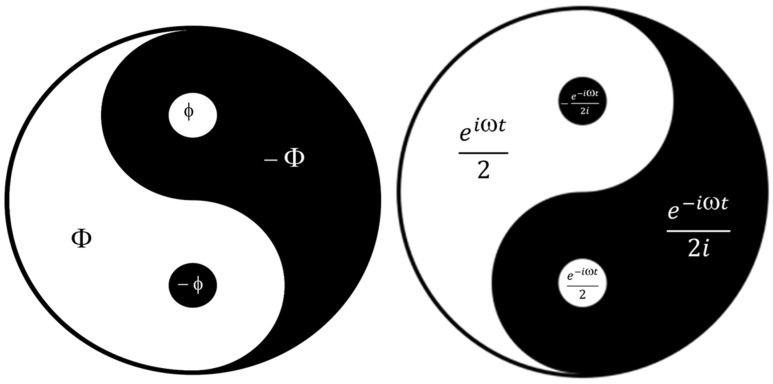 Figure 12
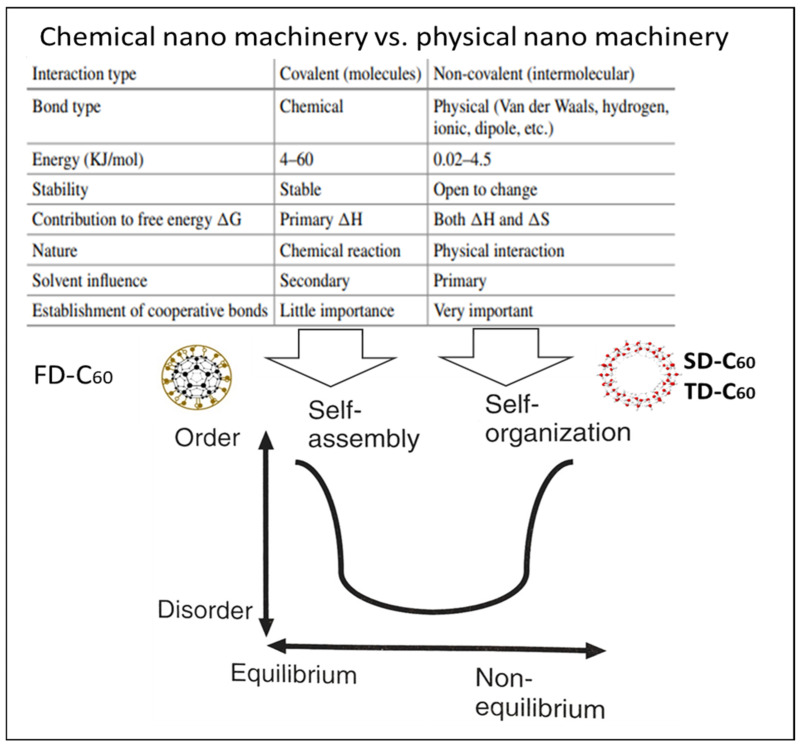 Figure 13
Peer Reviews
No public reviews on file for this paper yet. If you reviewed it on a platform where reviews are public (OpenReview, ICLR, NeurIPS, ICML), you can paste yours below so the community can read it here.
Videos
No videos yet. Explain this paper in a talk, walkthrough, or lecture? Add one.
Taxonomy
TopicsFullerene Chemistry and Applications · Biofield Effects and Biophysics · Carbon Nanotubes in Composites