Combined Metabolomics and Network Pharmacology to Reveal Anti-Diabetic Mechanisms and Potential Pharmacological Components of Synsepalum dulcificum
Yong Huang, Shiyu Wang, Rong Ding, Shaohua Wu

TL;DR
This study explores the anti-diabetic properties of Synsepalum dulcificum by analyzing its metabolites and using network pharmacology to identify potential therapeutic components.
Contribution
The study combines metabolomics and network pharmacology to uncover the anti-diabetic mechanisms and active components of Synsepalum dulcificum.
Findings
Identified 2544 secondary metabolites, mainly flavonoids and triterpenes, in different tissues of Synsepalum dulcificum.
Flavonoids were found to be the most abundant and differentially expressed compounds across tissues.
Potential anti-diabetic components were validated through in vitro α-glucosidase inhibition assays.
Abstract
The plant Synsepalum dulcificum is notable for its considerable edible and medicinal value, with a longstanding history as a folk remedy for diabetes. Its chemical constituents are rich and structurally diverse. However, there is limited information regarding the metabolic basis of these characteristics, and the biological activities and mechanisms underlying its blood glucose-lowering effects remain incompletely understood. In this study, we conducted a widely targeted metabolomics analysis of the stems, leaves, and fruits of S. dulcificum using UPLC-ESI-MS/MS to compare the differences in metabolite profiles among these three tissue types. Our analysis identified a total of 2544 secondary metabolites, primarily consisting of flavonoids and triterpenes, categorized into thirteen distinct compound classes. We selected differential metabolites through multivariate statistical analysis,…
Genes, proteins, chemicals, diseases, species, mutations and cell lines named across the full text — each resolved to its canonical identifier and authoritative record.
Click any figure to enlarge with its caption.
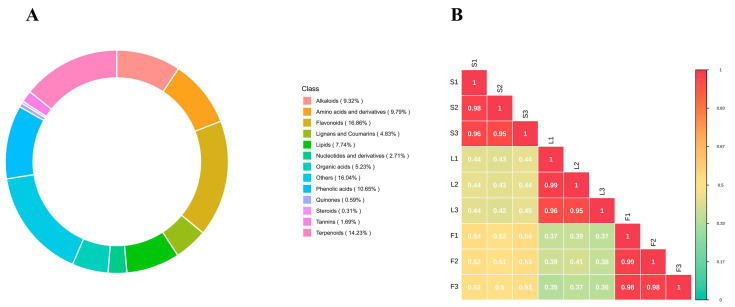 Figure 1
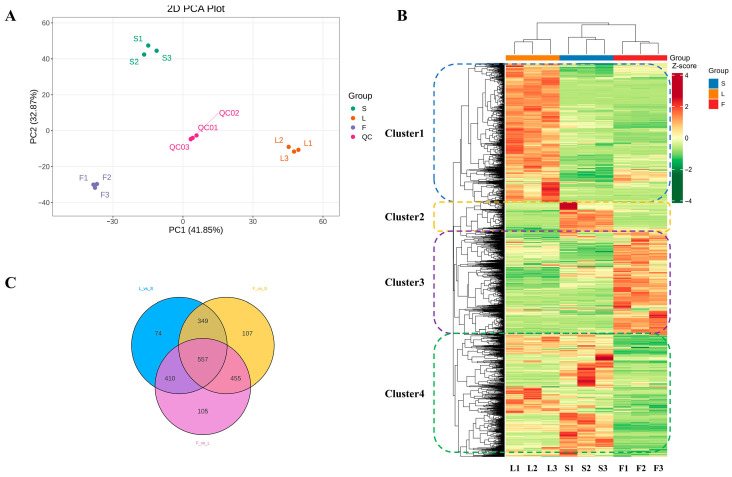 Figure 2
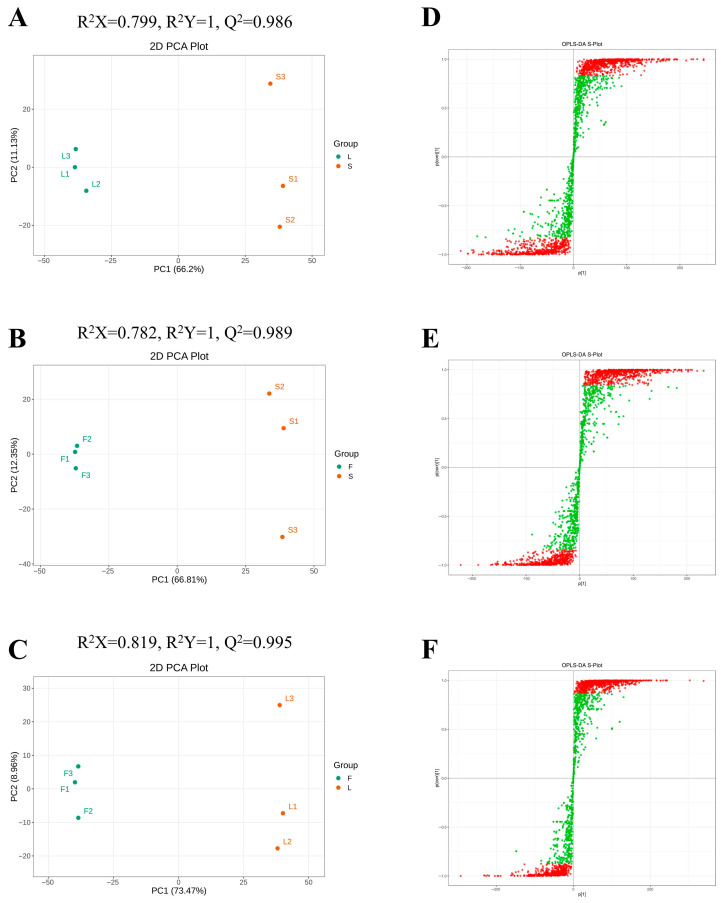 Figure 3
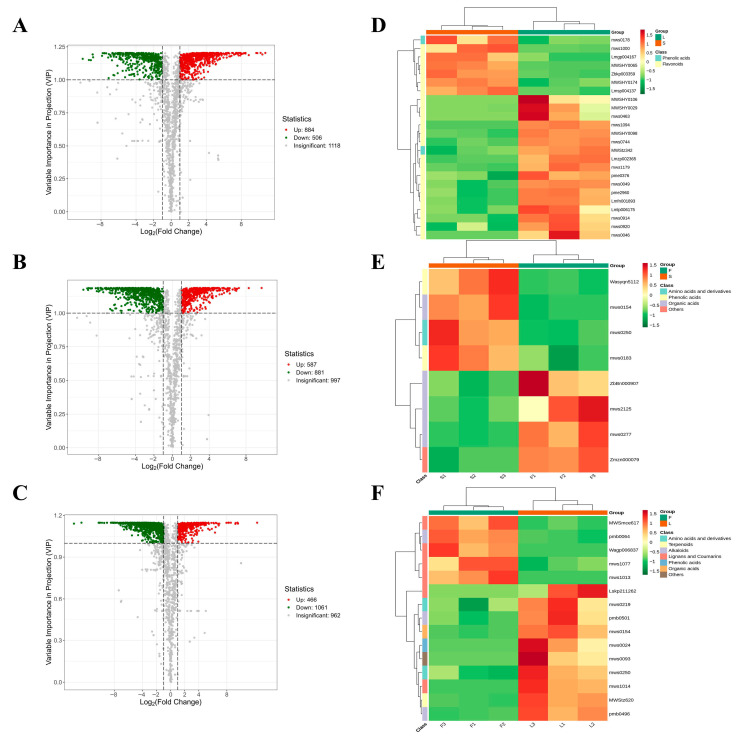 Figure 4
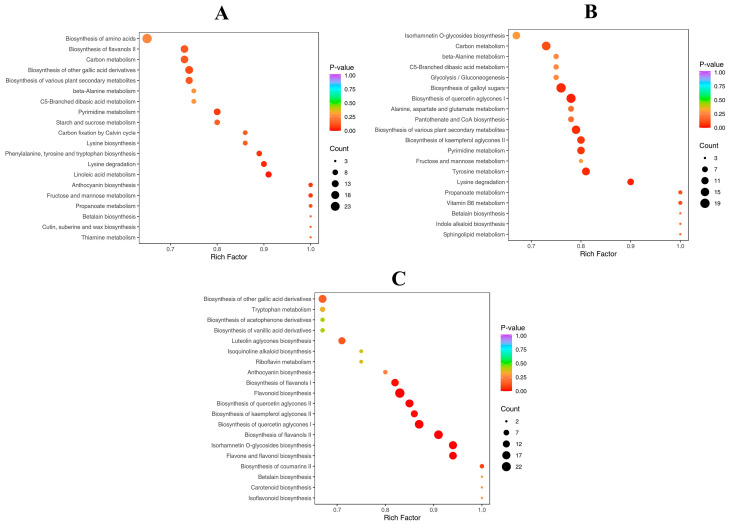 Figure 5
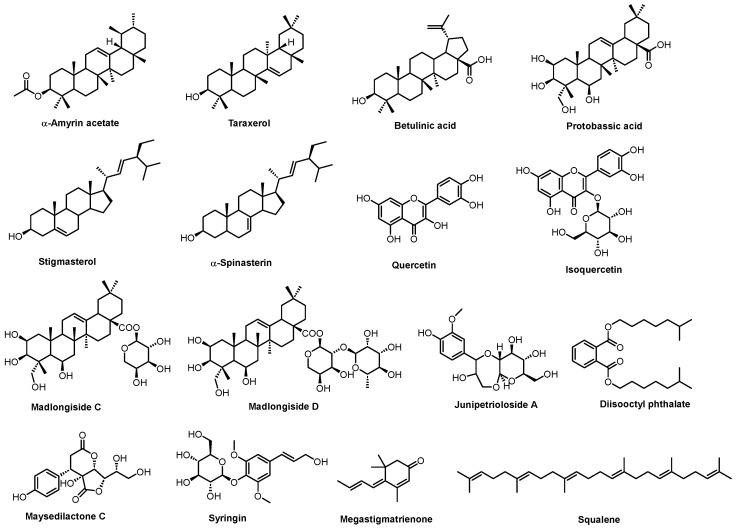 Figure 6
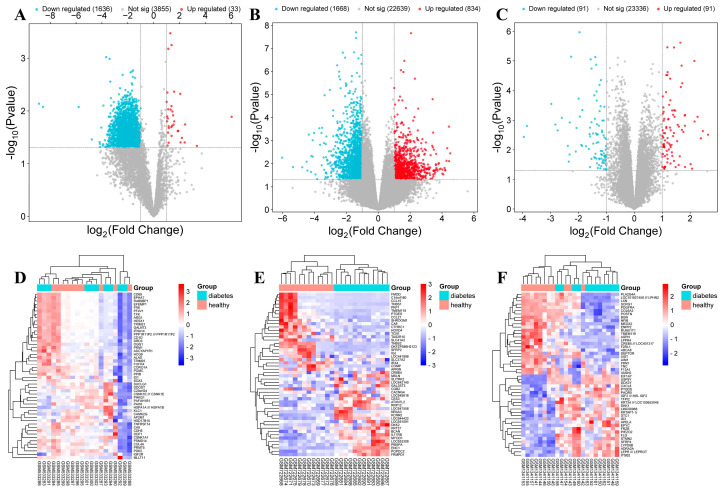 Figure 7
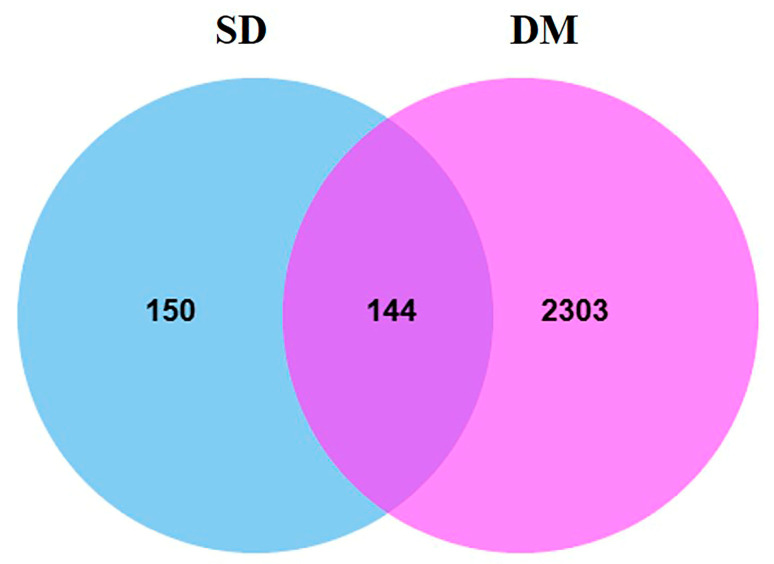 Figure 8
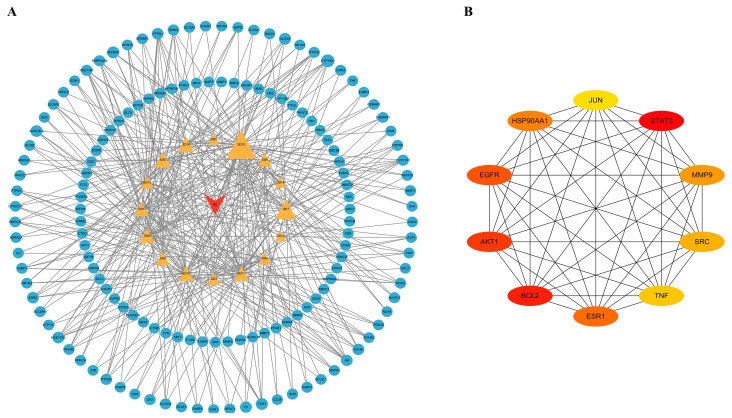 Figure 9
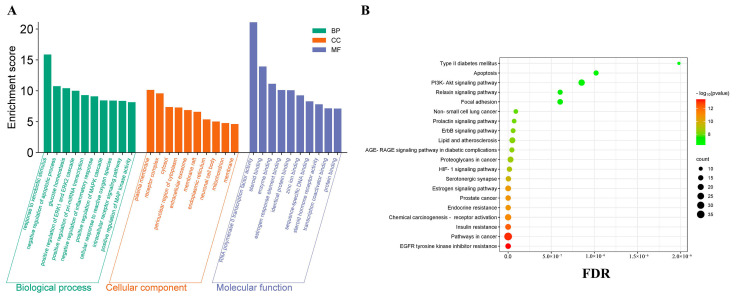 Figure 10
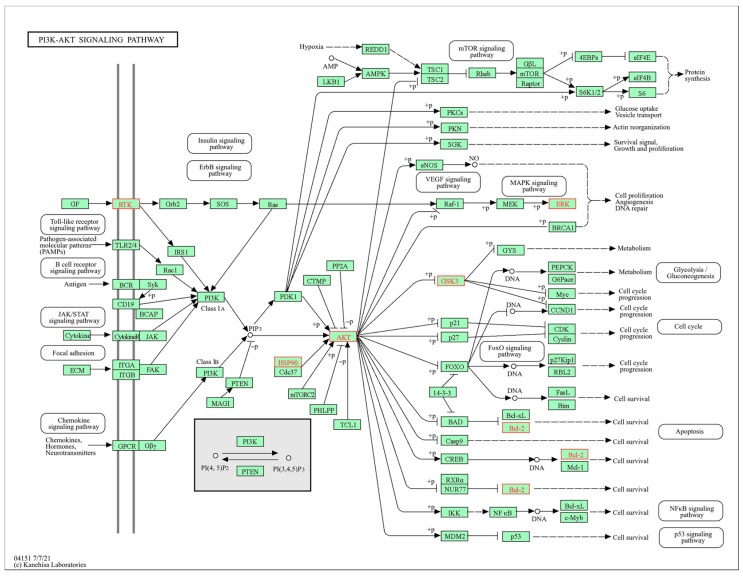 Figure 11
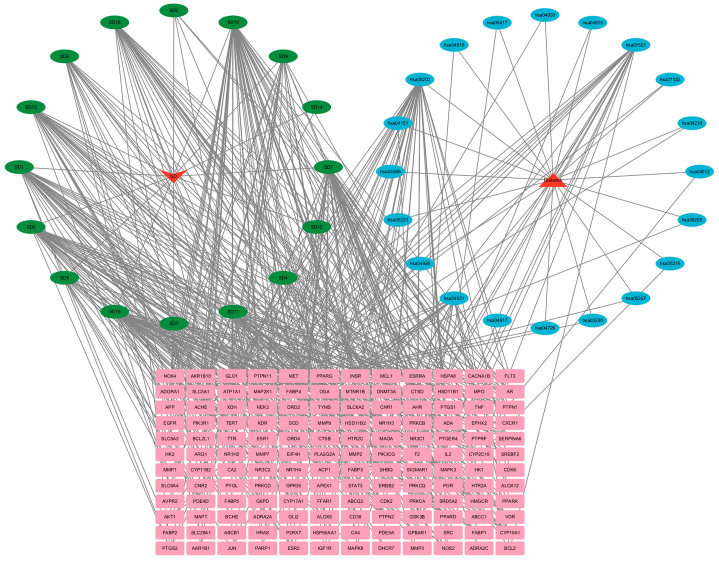 Figure 12
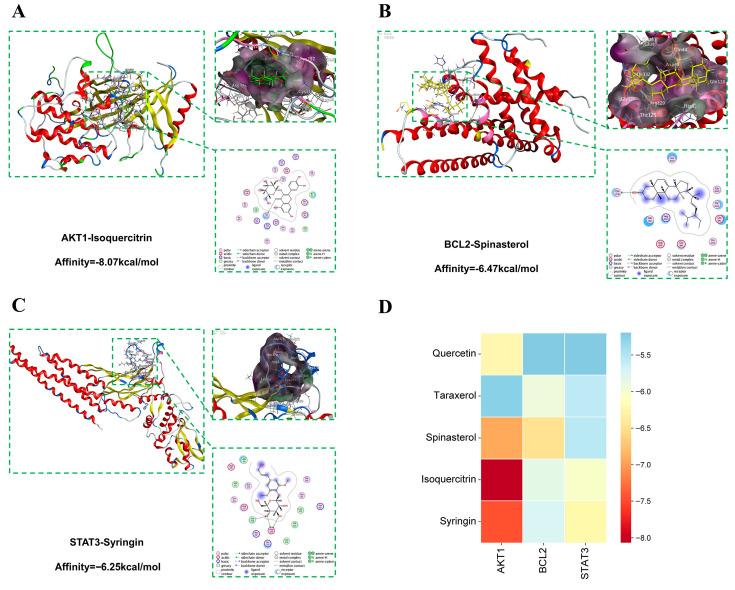 Figure 13
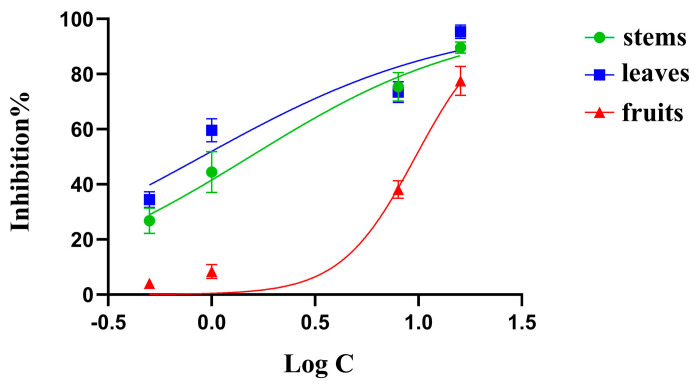 Figure 14
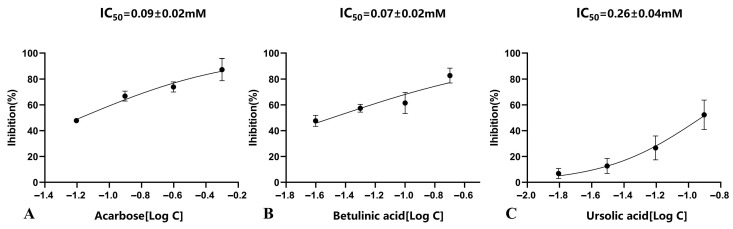 Figure 15
Peer Reviews
No public reviews on file for this paper yet. If you reviewed it on a platform where reviews are public (OpenReview, ICLR, NeurIPS, ICML), you can paste yours below so the community can read it here.
Videos
No videos yet. Explain this paper in a talk, walkthrough, or lecture? Add one.
Taxonomy
TopicsPhytochemistry and Biological Activities · Metabolomics and Mass Spectrometry Studies · Chromatography in Natural Products