Novel Methodology to Assess Salt Movement Between Mortar and Stones from Heritage in Spain
Linde Pollet, Andrea Antolín-Rodríguez, Josep Gisbert-Aguilar, Gabriel Búrdalo-Salcedo, Andrés Juan-Valdés, César García-Álvarez, Angel Raga-Martín, Wouter Schroeyers, Víctor Calvo, María Fernández-Raga

TL;DR
A new method assesses how salts move between heritage stones and sustainable cement materials in Spain, showing risks from certain eco-friendly binders.
Contribution
A novel methodology to evaluate salt migration between heritage stones and alternative binders, revealing risks associated with alkali-activated materials.
Findings
Silos stone showed ninefold higher capillarity than Boñar stone.
AAM-based mortars released more sodium sulfate, posing a risk to adjacent stones.
BPC exhibited lower salt mobility and different salt compositions compared to AAMs.
Abstract
The development of sustainable cementitious materials is crucial to reduce the environmental footprint of the construction industry. Alkali-activated materials (AAMs) have emerged as promising environmentally friendly alternatives; however, their compatibility with natural stone in heritage structures remains poorly understood, especially regarding salt migration and related damage to stones. This study presents a novel methodology for assessing salt movement in solid materials between two types of stones—Boñar and Silos—and two types of binders: blended Portland cement (BPC) and an AAM. The samples underwent capillarity and immersion tests to evaluate water absorption, salt transport, and efflorescence behavior. The capillarity of the Silos stone was 0.148 kg·m−2·t−0.5, whereas this was 0.0166 kg·m−2·t−0.5 for the Boñar stone, a ninefold difference. Conductivity mapping and XRD…
Genes, proteins, chemicals, diseases, species, mutations and cell lines named across the full text — each resolved to its canonical identifier and authoritative record.
Click any figure to enlarge with its caption.
 Figure 1
 Figure 2
 Figure 3
 Figure 4
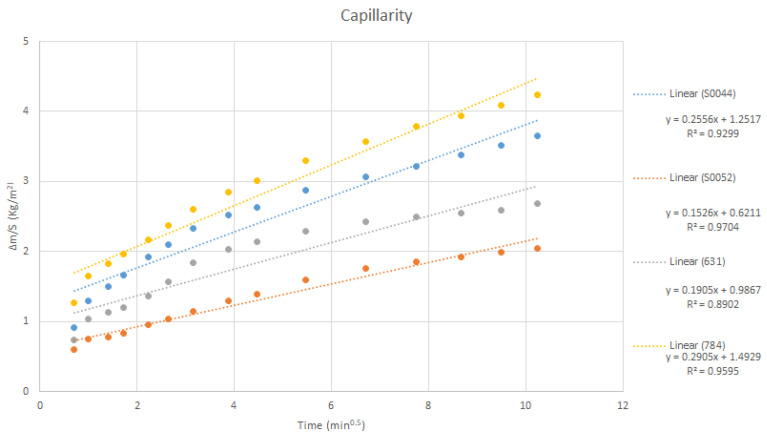 Figure 5
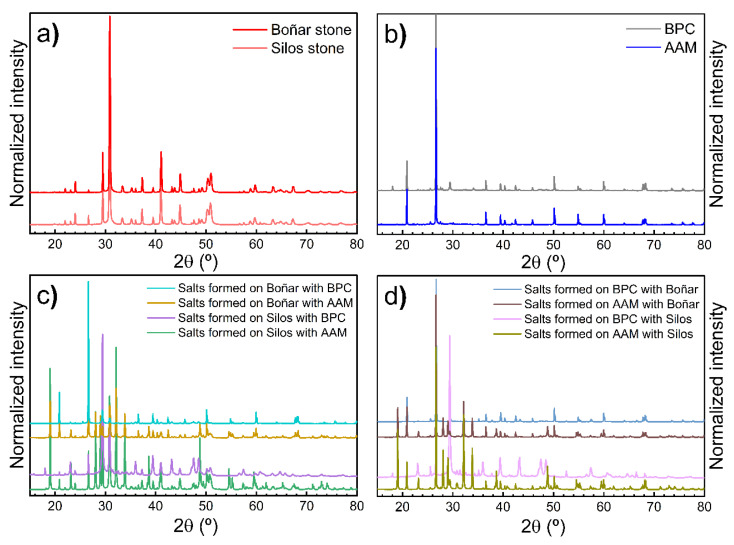 Figure 6
 Figure 7
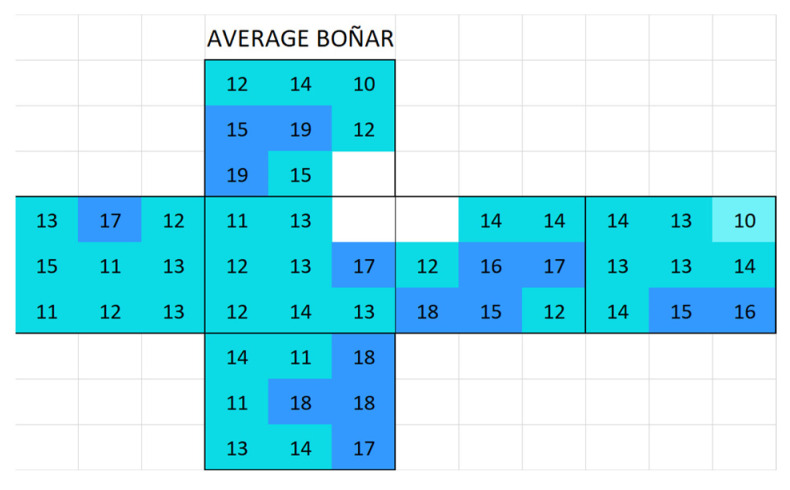 Figure 8
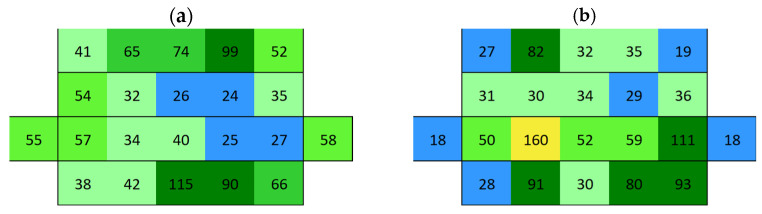 Figure 9
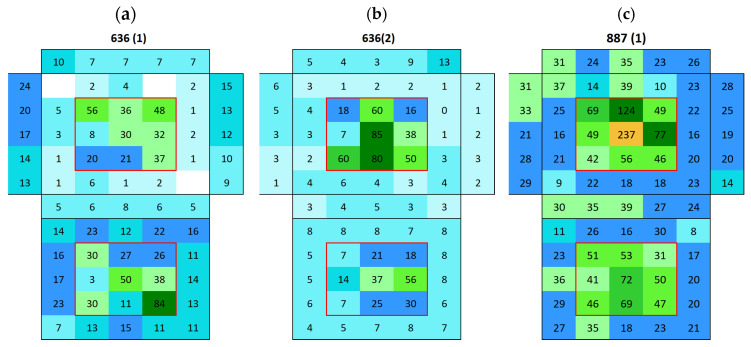 Figure 10
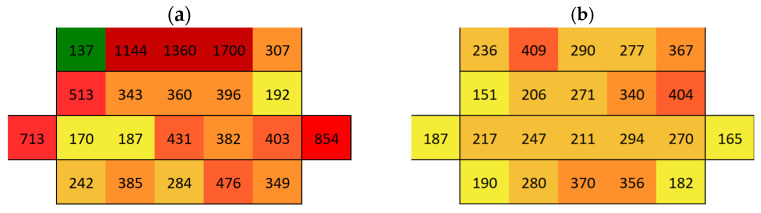 Figure 11
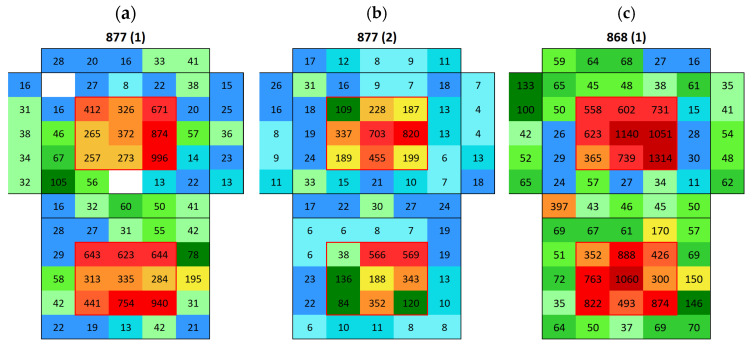 Figure 12
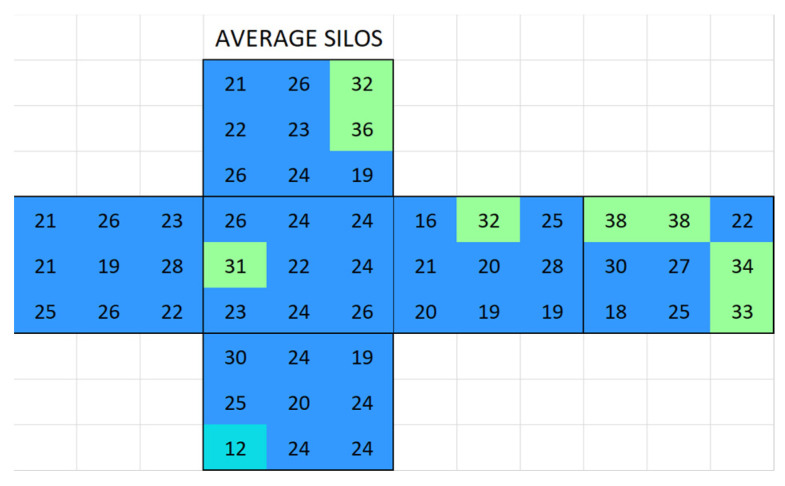 Figure 13
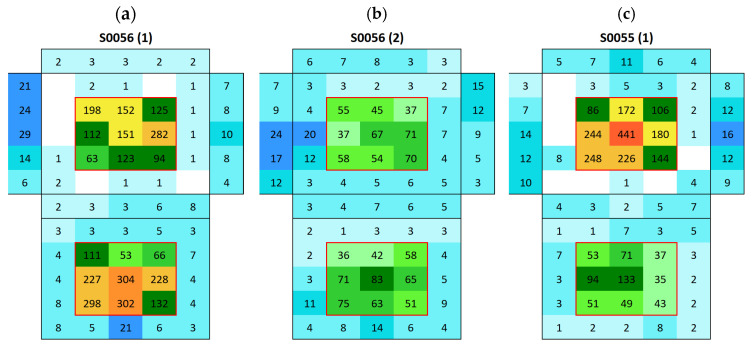 Figure 14
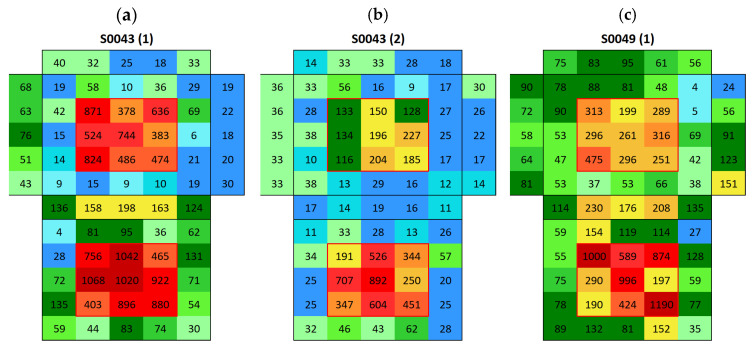 Figure 15
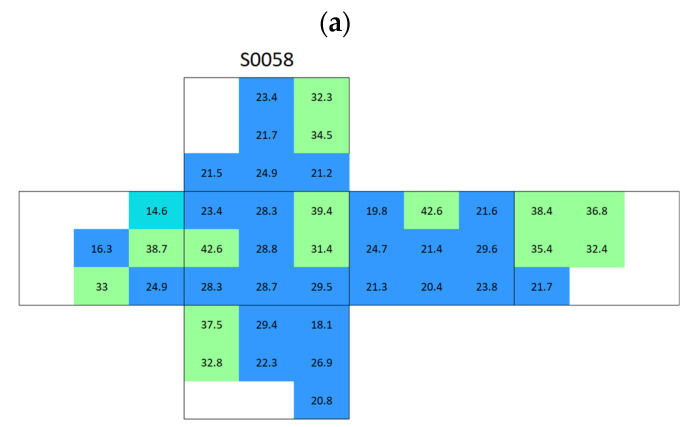 Figure 16
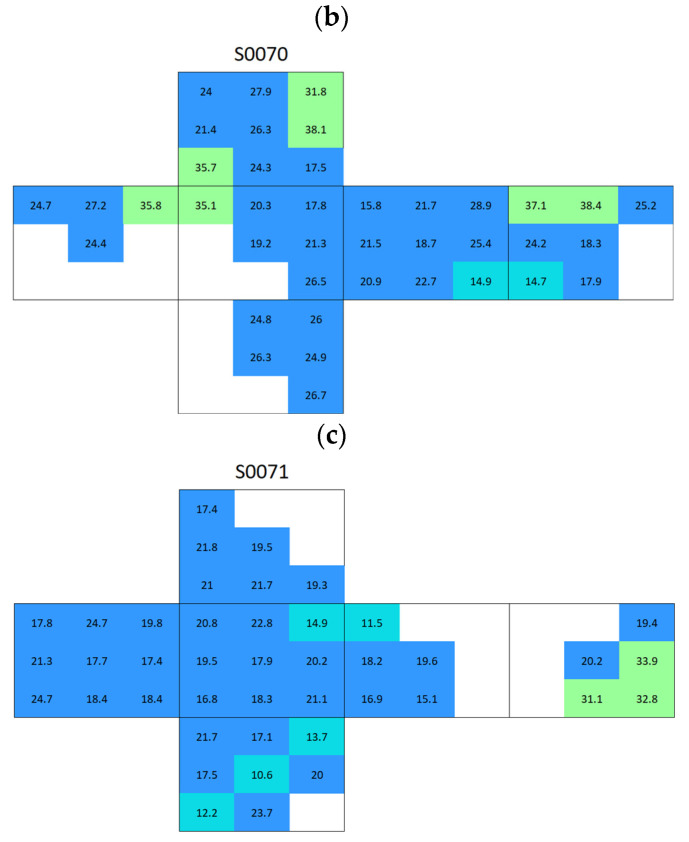 Figure 17
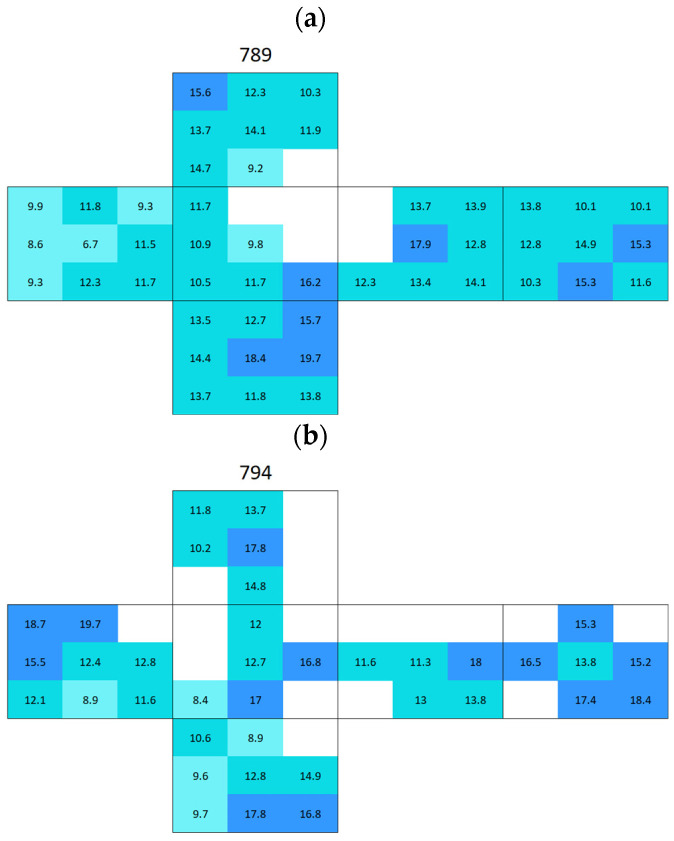 Figure 18
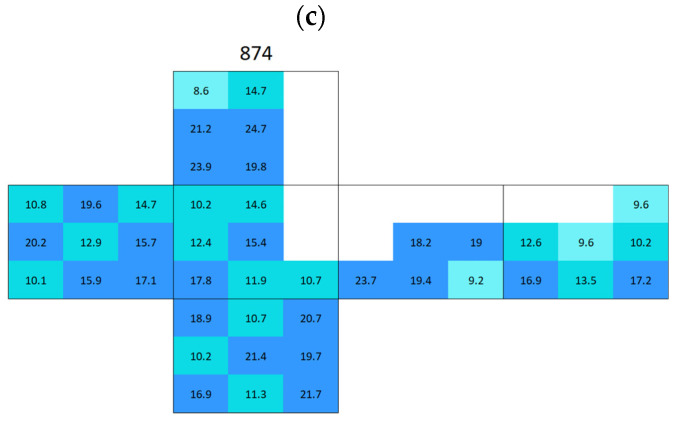 Figure 19
Peer Reviews
No public reviews on file for this paper yet. If you reviewed it on a platform where reviews are public (OpenReview, ICLR, NeurIPS, ICML), you can paste yours below so the community can read it here.
Videos
No videos yet. Explain this paper in a talk, walkthrough, or lecture? Add one.
Taxonomy
TopicsBuilding materials and conservation · Concrete and Cement Materials Research · Innovative concrete reinforcement materials