Energy Management Design of Dual-Motor System for Electric Vehicles Using Whale Optimization Algorithm
Chien-Hsun Wu, Chieh-Lin Tsai, Jie-Ming Yang

TL;DR
This paper explores how using the whale optimization algorithm can improve energy efficiency in dual-motor electric vehicles compared to other control strategies.
Contribution
The study introduces the whale optimization algorithm as a novel energy management strategy for dual-motor electric vehicles.
Findings
The whale optimization algorithm improved energy efficiency by 8.9% in simulations and 3.8% in hardware-in-the-loop tests.
Regenerative braking combined with global grid search improved energy efficiency by 29.4% in hardware-in-the-loop tests.
The whale optimization algorithm is identified as a promising alternative energy management strategy for dual-motor systems.
Abstract
Dual-motor electric vehicles enhance power performance and overall output capabilities by enabling the real-time control of the torque distribution between the front and rear wheels, thereby improving handling, stability, and safety. In addition to increased energy efficiency, a dual-motor system provides redundancy: if one motor fails, the other can still supply partial power, further enhancing driving safety. This study aimed to optimize the energy management strategies of the front- and rear-axis motors, examining the application effects of rule-based control (RBC), global grid search (GGS), and the whale optimization algorithm (WOA). A simulation platform based on MATLAB/Simulink® (R2021b, MATLAB, Natick, MA, USA) was constructed and validated through hardware-in-the-loop (HIL) testing to ensure the authenticity and reliability of the simulation results. Detailed tests and analyses…
Genes, proteins, chemicals, diseases, species, mutations and cell lines named across the full text — each resolved to its canonical identifier and authoritative record.
Click any figure to enlarge with its caption.
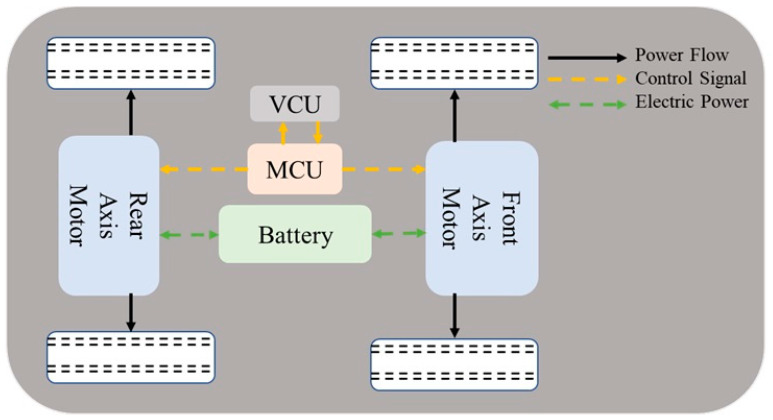 Figure 1
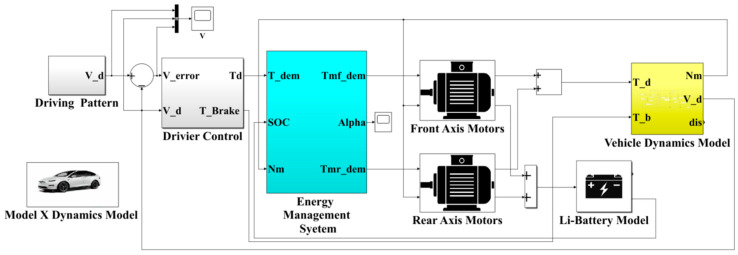 Figure 2
 Figure 3
 Figure 4
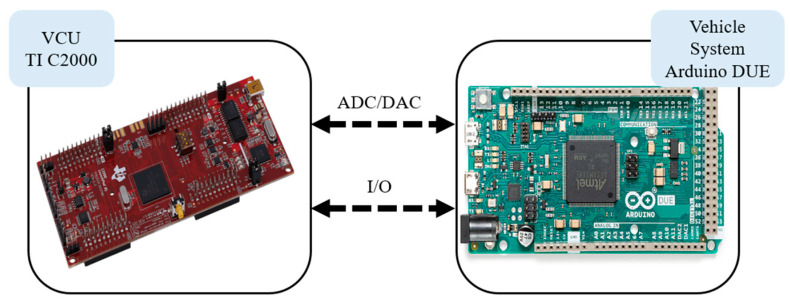 Figure 5
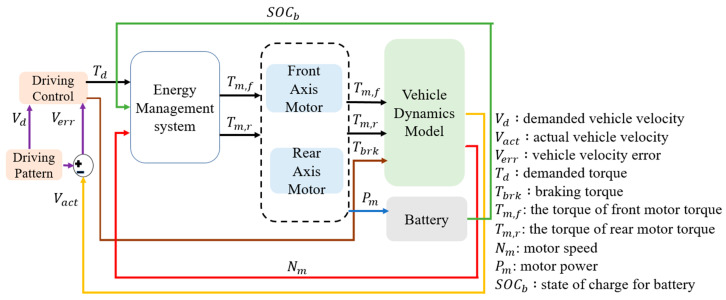 Figure 6
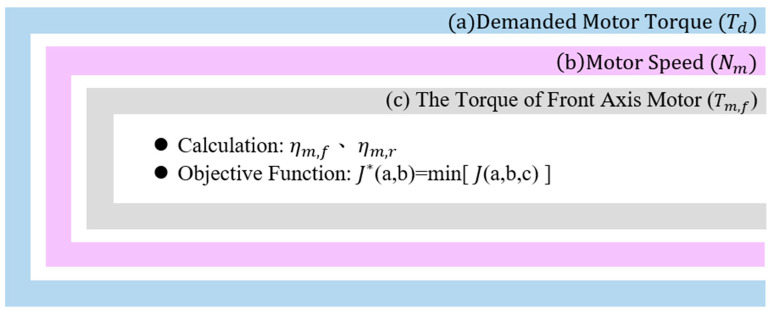 Figure 7
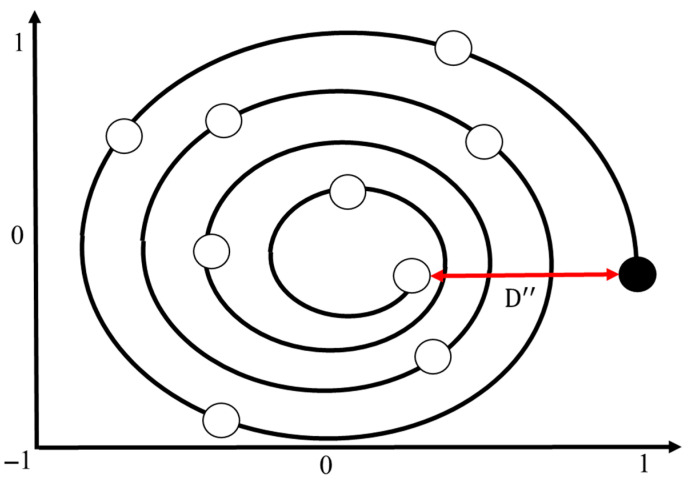 Figure 8
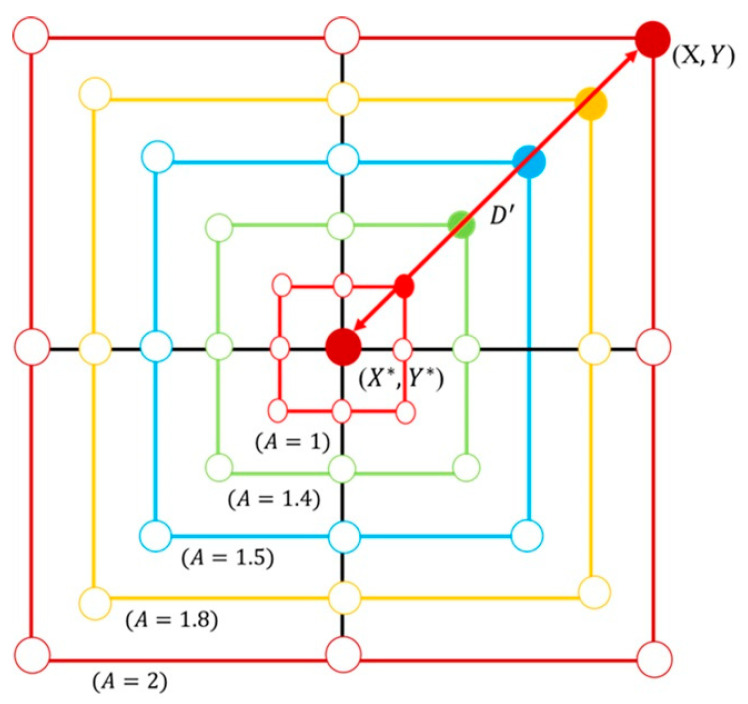 Figure 9
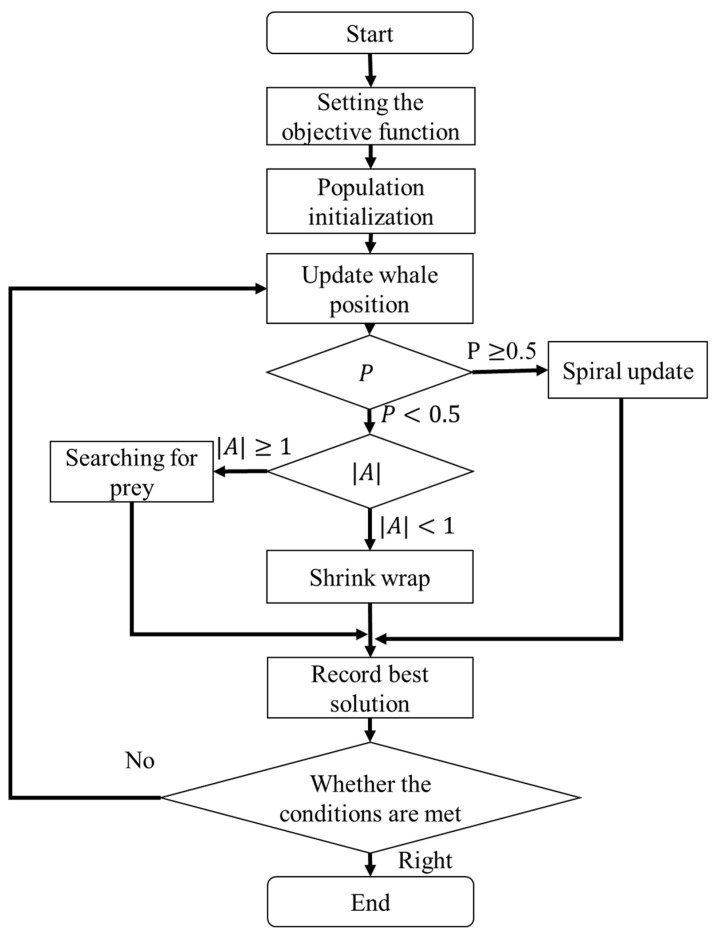 Figure 10
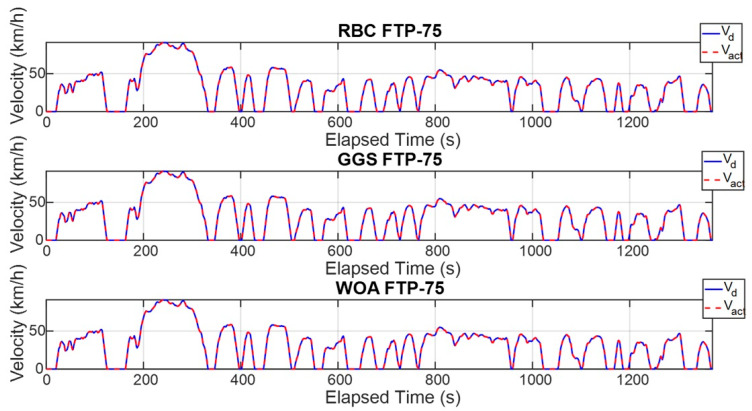 Figure 11
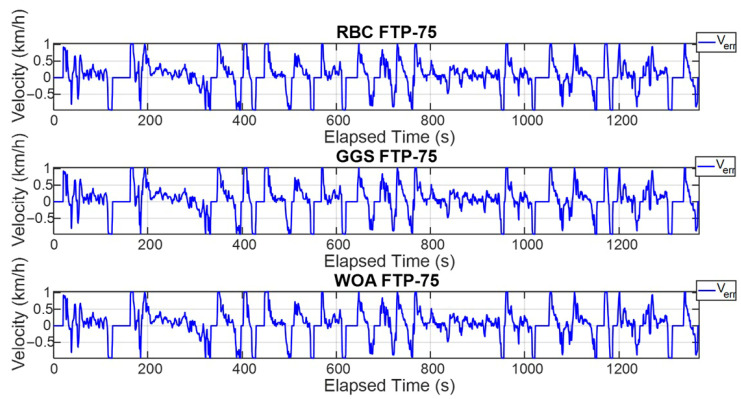 Figure 12
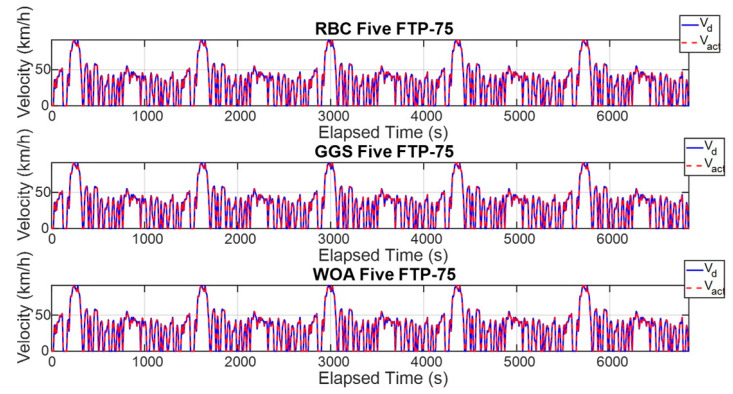 Figure 13
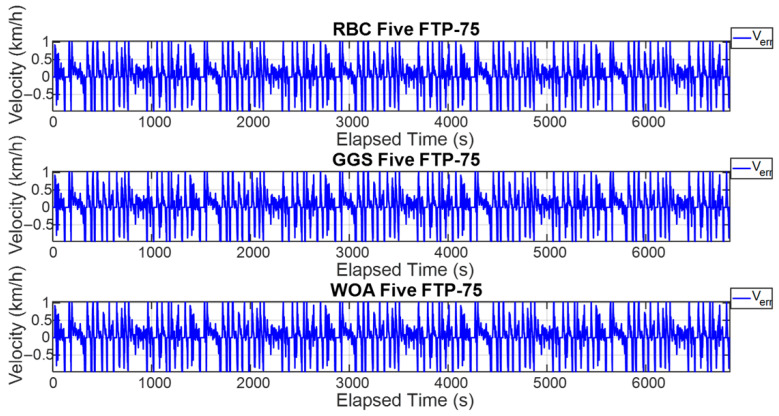 Figure 14
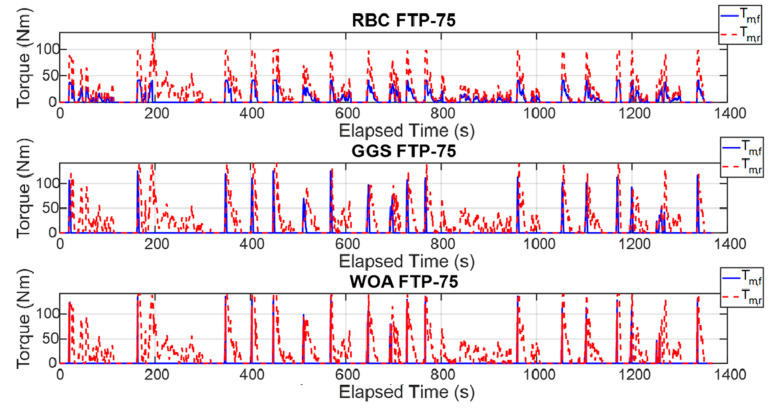 Figure 15
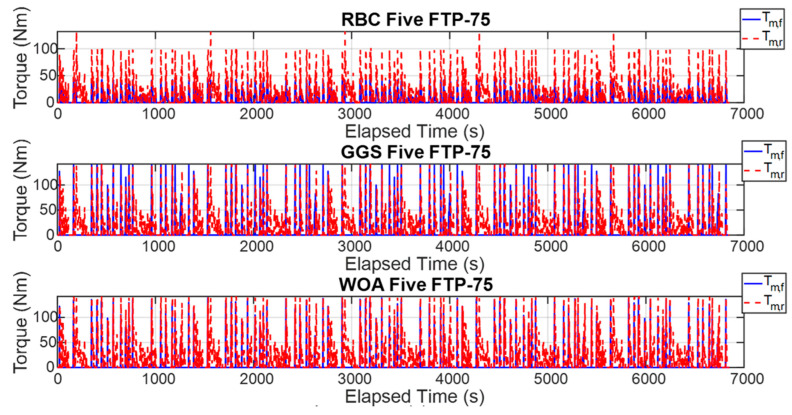 Figure 16
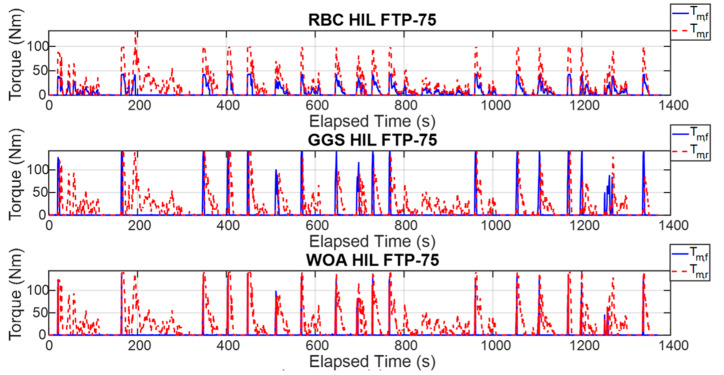 Figure 17
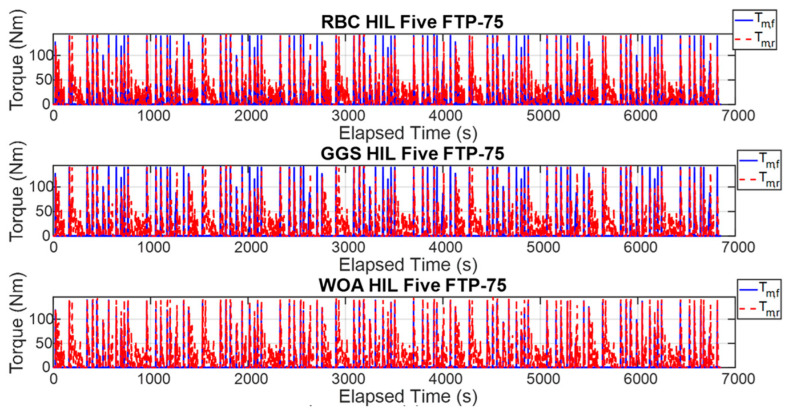 Figure 18
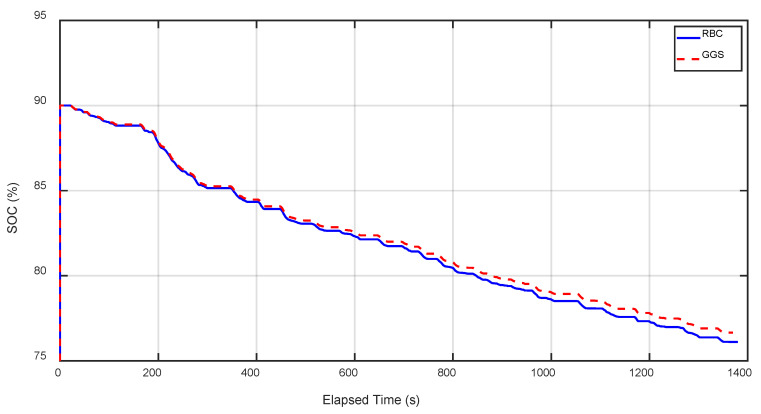 Figure 19
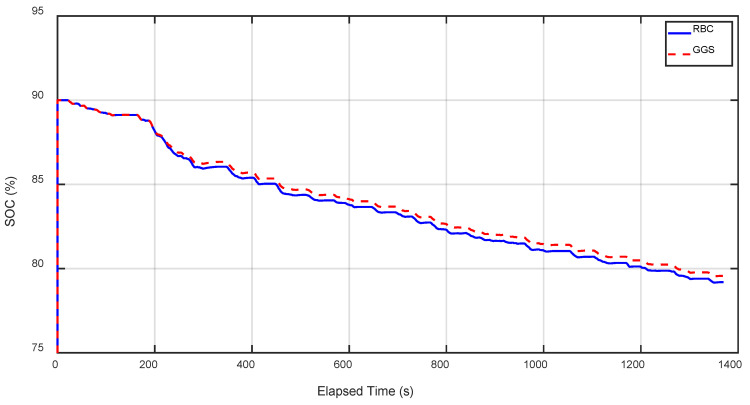 Figure 20
Peer Reviews
No public reviews on file for this paper yet. If you reviewed it on a platform where reviews are public (OpenReview, ICLR, NeurIPS, ICML), you can paste yours below so the community can read it here.
Videos
No videos yet. Explain this paper in a talk, walkthrough, or lecture? Add one.
Taxonomy
TopicsElectric and Hybrid Vehicle Technologies · Electric Vehicles and Infrastructure · Vehicle emissions and performance