3,3′-Diindolylmethane Improves the Viral Pneumonia Outcomes After Influenza and SARS-CoV-2 Infection in Animal Models
Vsevolod Kiselev, Irina Leneva, Anna Ivanina, Artem Poromov, Irina Falynskova, Nadezhda Kartashova, Ekaterina Glubokova, Galina Trunova, Sergey Sudakov, Vadim Drukh, Vitaly Zverev, Oleg Kiselev

TL;DR
3,3′-Diindolylmethane (DIM) improves survival and reduces symptoms in animal models of influenza and SARS-CoV-2 pneumonia, without lowering viral load.
Contribution
This study demonstrates DIM Epi's efficacy in improving outcomes of viral pneumonia in animal models of influenza and SARS-CoV-2.
Findings
DIM Epi improved survival and reduced symptoms in influenza-infected mice without lowering lung viral titers.
DIM Epi reduced clinical signs and lung pathology in SARS-CoV-2-infected hamsters.
Combining DIM Epi with Oseltamivir enhanced anti-influenza effects, but not with Molnupiravir against SARS-CoV-2.
Abstract
Influenza and SARS-CoV-2 are often associated with viral pneumonia, resulting from direct exposure of the virus to lung tissue. 3,3′-Diindolylmethane (DIM) is a naturally occurring substance with multi-target activity, including anti-inflammatory and epigenetic modulation. In this study, we evaluated the therapeutic efficacy in vivo of a DIM formulation with fish oil (Cesarox Epi) against influenza A (H1N1) infection in mice and against SARS-CoV-2 infection in Syrian hamsters. In a model of lethal influenza pneumonia induced by A/California/04/2009 (H1N1)pdm09 virus, we showed that 5 days’ treatment with DIM Epi at 10, 20, and 60 mg/kg/day delayed the time to death, prevented body weight loss, and resulted in significant improvements in survival. DIM Epi tested in hamsters infected with SARS-CoV2 Dubrovka (Wuhan-like) strain at doses 50 and 100 mg/kg/day reduced clinical signs, weight…
Genes, proteins, chemicals, diseases, species, mutations and cell lines named across the full text — each resolved to its canonical identifier and authoritative record.
Click any figure to enlarge with its caption.
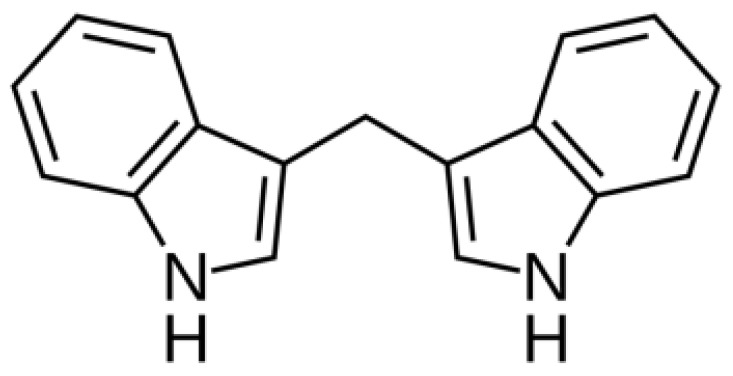 Figure 1
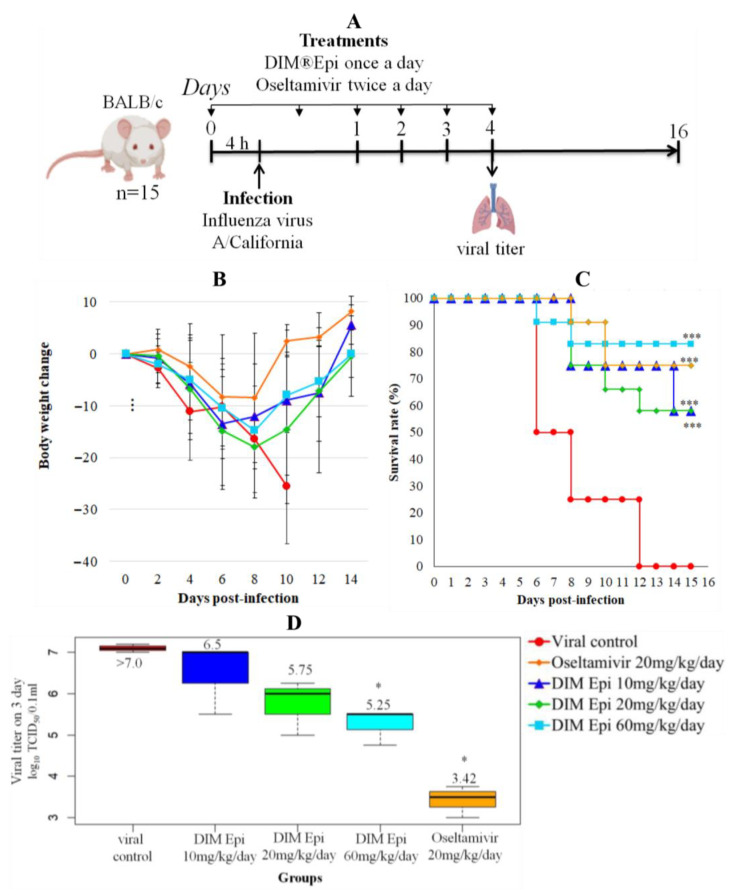 Figure 2
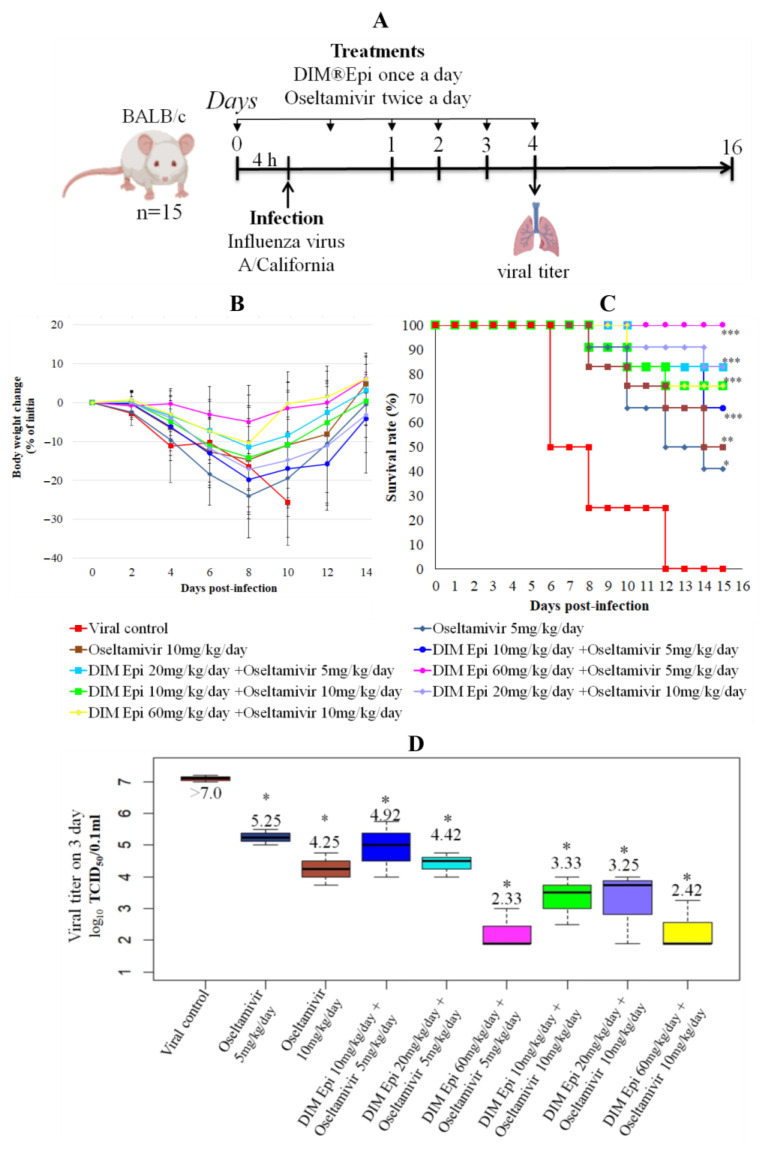 Figure 3
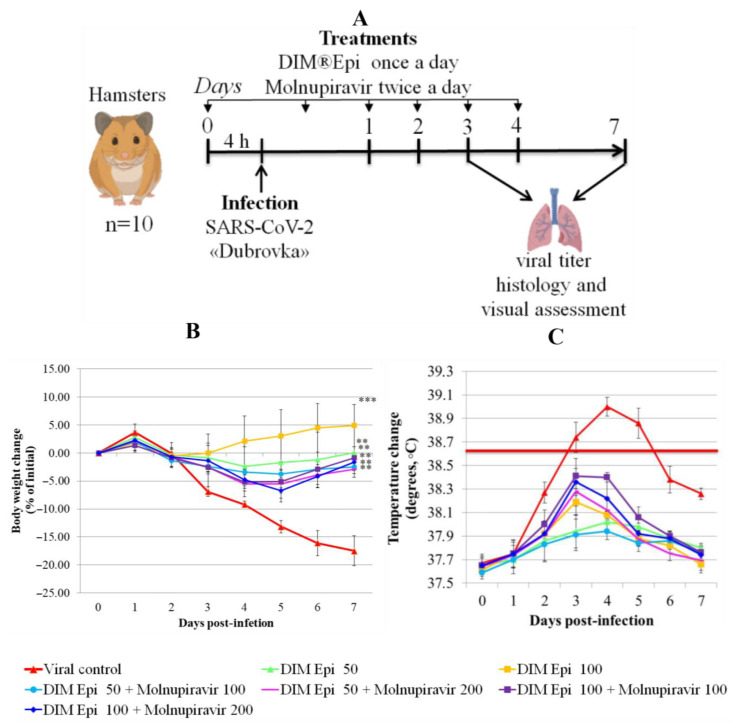 Figure 4
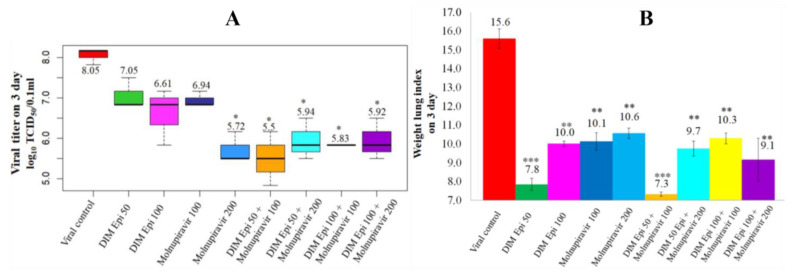 Figure 5
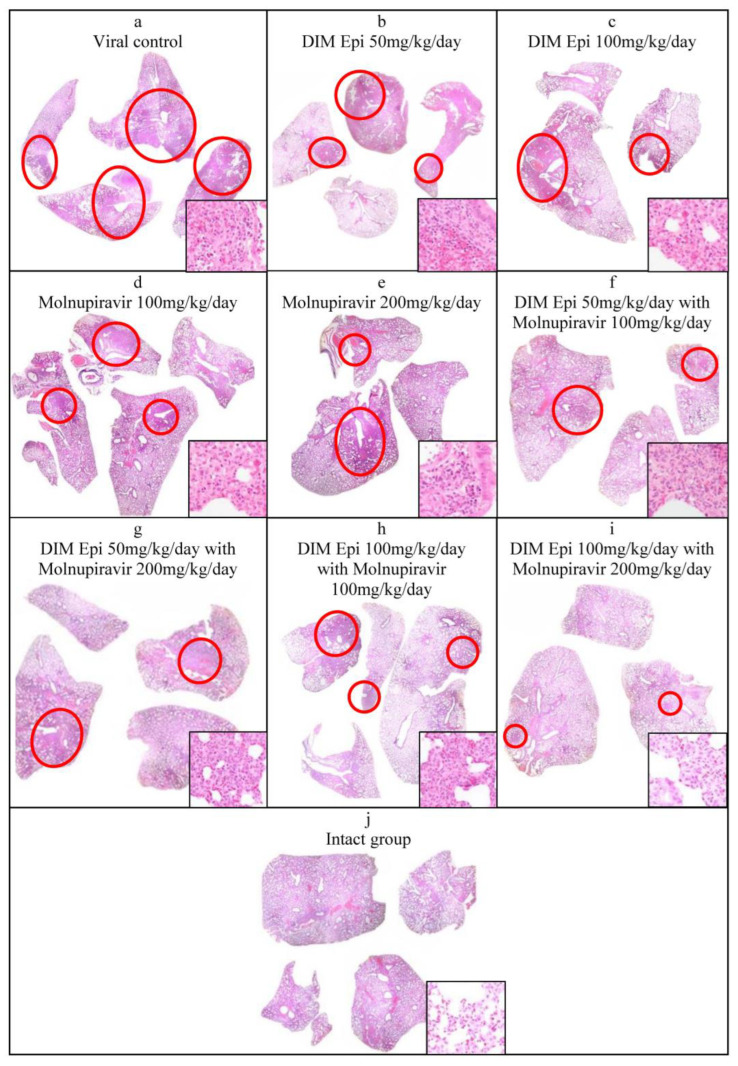 Figure 6
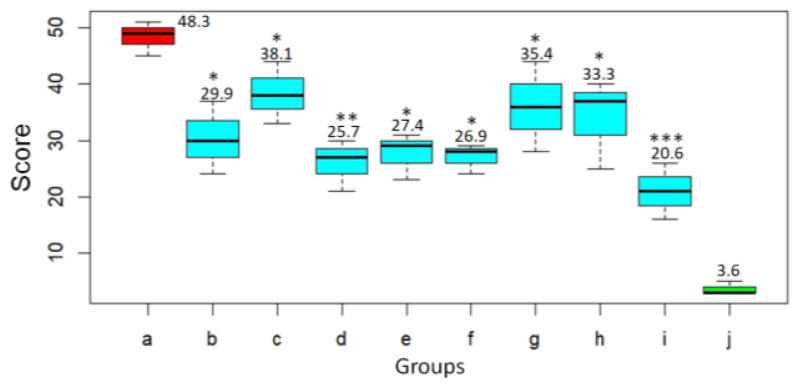 Figure 7
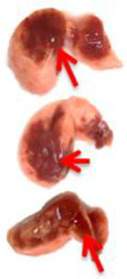 Figure 8
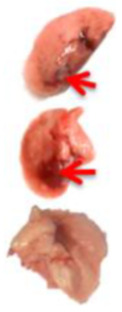 Figure 9
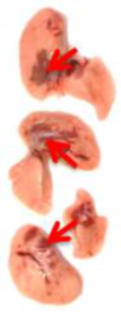 Figure 10
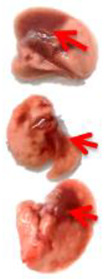 Figure 11
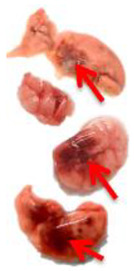 Figure 12
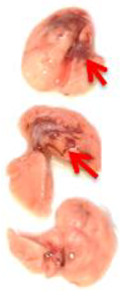 Figure 13
Peer Reviews
No public reviews on file for this paper yet. If you reviewed it on a platform where reviews are public (OpenReview, ICLR, NeurIPS, ICML), you can paste yours below so the community can read it here.
Videos
No videos yet. Explain this paper in a talk, walkthrough, or lecture? Add one.
Taxonomy
TopicsInfluenza Virus Research Studies · SARS-CoV-2 and COVID-19 Research · Respiratory viral infections research