Relationship Between Aquatic Fungal Diversity in Surface Water and Environmental Factors in Yunnan Dashanbao Black-Necked Crane National Nature Reserve, China
Kaize Shen, Yufeng Tang, Jiaoxu Shi, Zhongxiang Hu, Meng He, Jinzhen Li, Yuanjian Wang, Mingcui Shao, Honggao Liu

TL;DR
This study explores how environmental factors influence aquatic fungal diversity in a protected wetland in China, revealing their ecological roles and sensitivity to environmental changes.
Contribution
The study provides the first detailed characterization of aquatic fungal diversity in the Yunnan Dashanbao wetlands using high-throughput sequencing.
Findings
5829 fungal OTUs across 15 phyla were identified, with Tausonia and Cladosporium as dominant genera.
Saprotrophs and pathogens were the main functional groups, showing strong environmental correlations.
Baseline data on fungal community dynamics were established, aiding wetland conservation strategies.
Abstract
Aquatic fungi serve as core ecological engines in freshwater ecosystems, driving organic matter decomposition and energy flow to sustain environmental balance. Wetlands, with their distinct hydrological dynamics and nutrient-rich matrices, serve as critical habitats for these microorganisms. As an internationally designated Ramsar Site, Yunnan Dashanbao Black-Necked Crane National Nature Reserve in China not only sustains endangered black-necked cranes but also harbors a cryptic reservoir of aquatic fungi within its peat marshes and alpine lakes. This study employed high-throughput sequencing to characterize fungal diversity and community structure across 12 understudied wetland sites in the reserve, while analyzing key environmental parameters (dissolved oxygen, pH, total nitrogen, and total phosphorus). A total of 5829 fungal operational taxonomic units (OTUs) spanning 649 genera and…
Genes, proteins, chemicals, diseases, species, mutations and cell lines named across the full text — each resolved to its canonical identifier and authoritative record.
Click any figure to enlarge with its caption.
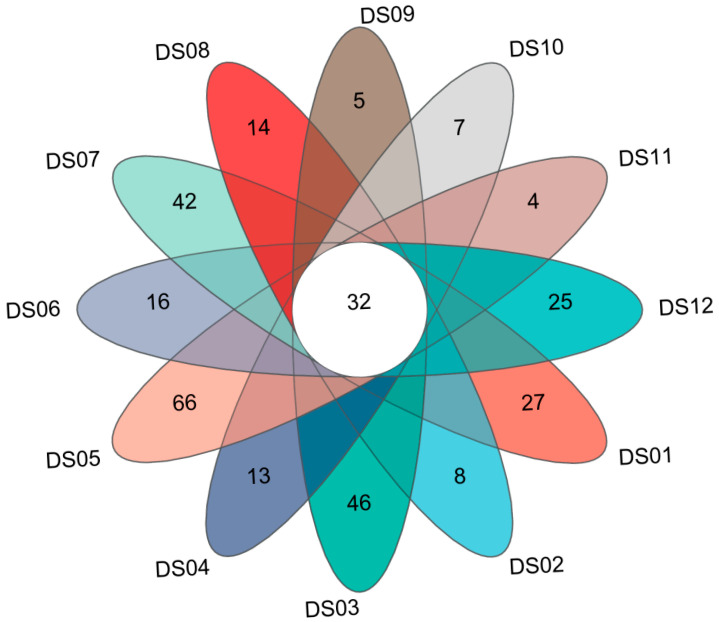 Figure 1
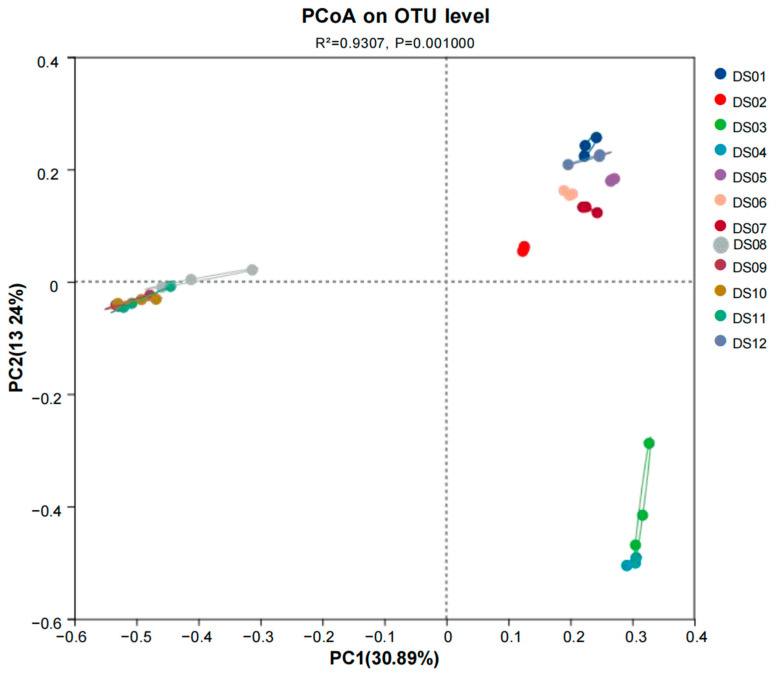 Figure 2
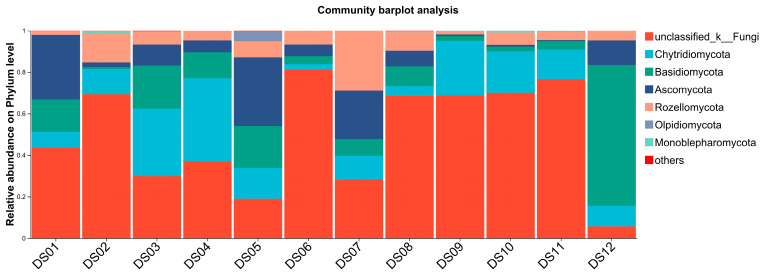 Figure 3
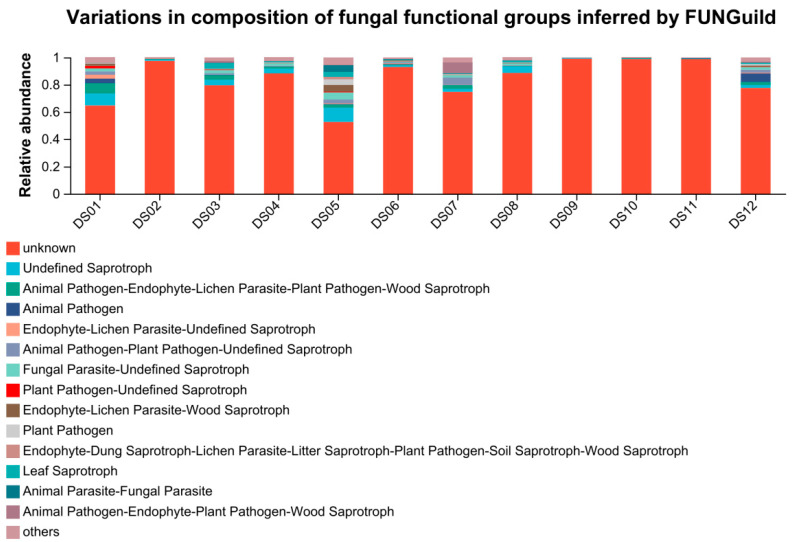 Figure 4
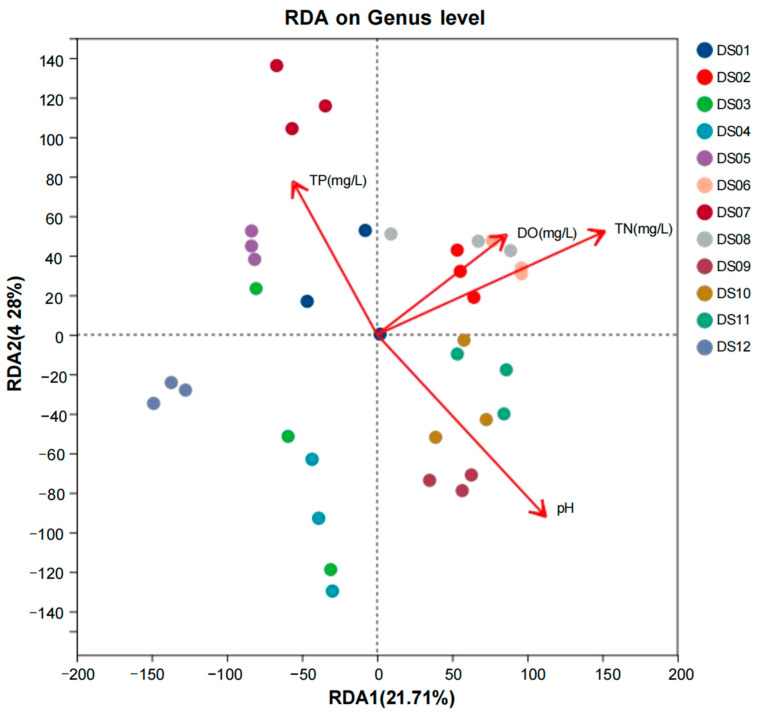 Figure 5
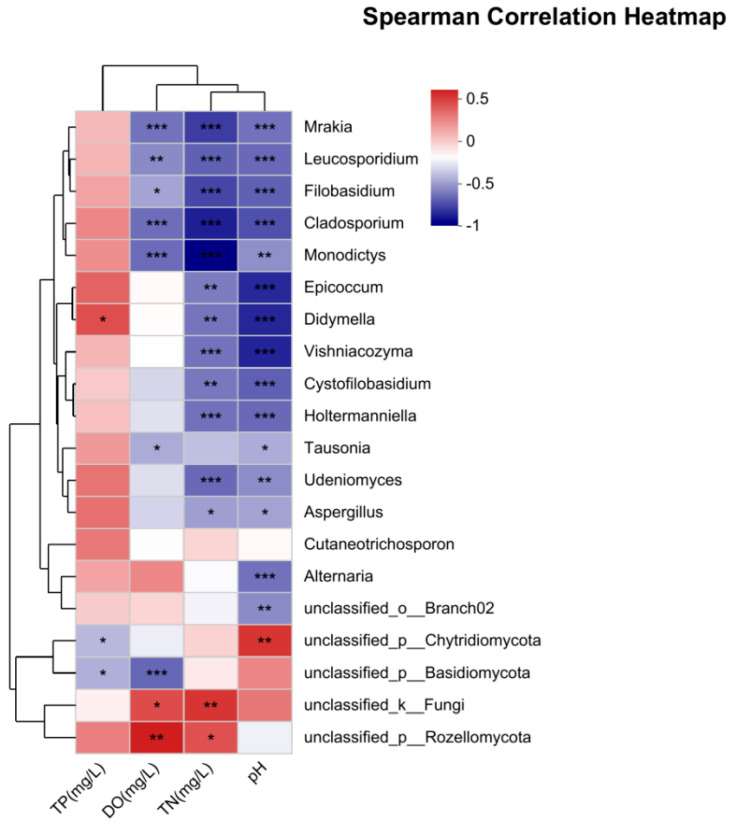 Figure 6
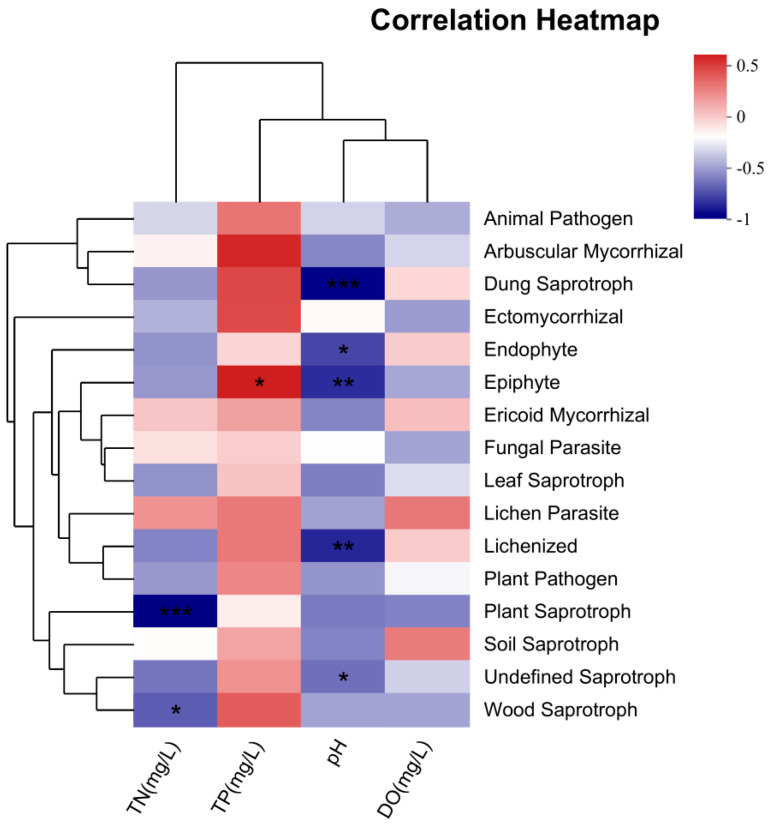 Figure 7
Peer Reviews
No public reviews on file for this paper yet. If you reviewed it on a platform where reviews are public (OpenReview, ICLR, NeurIPS, ICML), you can paste yours below so the community can read it here.
Videos
No videos yet. Explain this paper in a talk, walkthrough, or lecture? Add one.
Taxonomy
TopicsMicrobial Community Ecology and Physiology · Environmental DNA in Biodiversity Studies · Protist diversity and phylogeny