Nasopharyngeal Carriage, Serotype Distribution, and Antimicrobial Susceptibility of Streptococcus pneumoniae Among PCV13-Vaccinated and -Unvaccinated Children in Iran
Fatemeh Ashrafian, Mona Sadat Larijani, Saiedeh Haji Maghsoudi, Delaram Doroud, Alireza Fahimzad, Zahra Pournasiri, Elham Jafari, Masoumeh Parzadeh, Sara Abdollahi, Elham Haj Agha Gholizadeh Khiavi, Anahita Bavand, Morvarid Shafiei, Mahdi Rohani, Amitis Ramezani

TL;DR
This study compares pneumococcal carriage and antibiotic resistance in vaccinated and unvaccinated children in Iran, finding that PCV13 vaccination affects serotype distribution and reduces resistance.
Contribution
The study provides new insights into the impact of PCV13 vaccination on pneumococcal serotype distribution and antimicrobial resistance in Iran.
Findings
PCV13-vaccinated children showed no penicillin-resistant isolates, unlike unvaccinated children.
Serotype 15B/15C was more common in vaccinated children, while 23F and 19F were prevalent in unvaccinated children.
Both groups showed high resistance to erythromycin and SXT, with risk factors including antibiotic use and daycare attendance.
Abstract
Background and Aim: Pneumococcal pneumonia is a major cause of death globally, emphasizing the importance of vaccination, especially in low- and middle-income countries. In Iran, the 13-valent pneumococcal conjugate vaccine (PCV13) is available exclusively through private healthcare systems, resulting in a lack of studies on the prevalence of Streptococcus pneumoniae (S. pneumoniae) serotypes among vaccinated children. This research aimed to explore and compare the prevalence of nasopharyngeal pneumococcal carriage, serotype distribution, and antibiotic resistance patterns in healthy PCV13-vaccinated and -unvaccinated children. Methods: From August 2023 to November 2024, a multi-center, cross-sectional observational study was conducted in Tehran, Iran. This study included 204 nasopharyngeal samples collected from children aged from 18 to 59 months, involving both cases of children…
Genes, proteins, chemicals, diseases, species, mutations and cell lines named across the full text — each resolved to its canonical identifier and authoritative record.
Click any figure to enlarge with its caption.
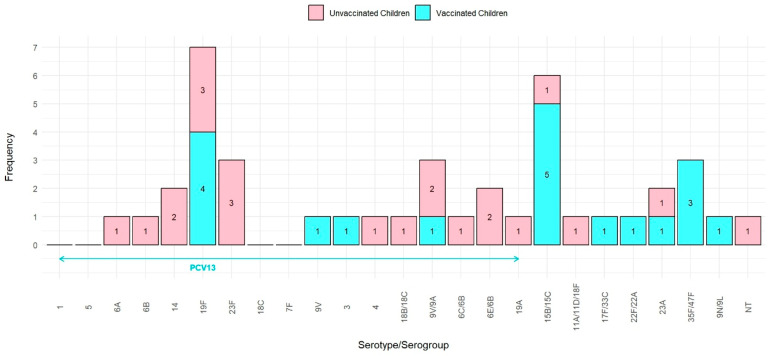 Figure 1
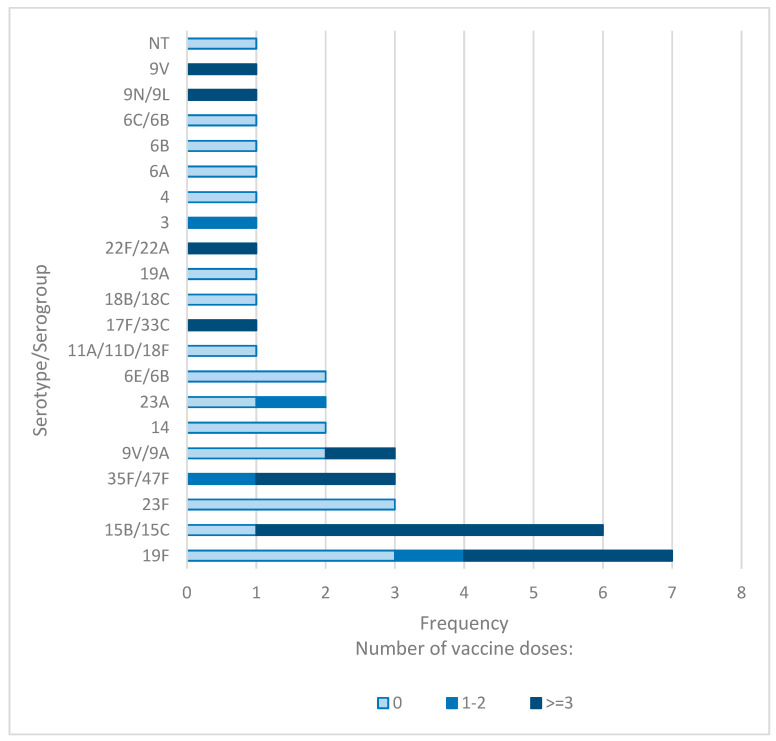 Figure 2
Peer Reviews
No public reviews on file for this paper yet. If you reviewed it on a platform where reviews are public (OpenReview, ICLR, NeurIPS, ICML), you can paste yours below so the community can read it here.
Videos
No videos yet. Explain this paper in a talk, walkthrough, or lecture? Add one.
Taxonomy
TopicsPneumonia and Respiratory Infections · Respiratory viral infections research · Respiratory and Cough-Related Research