Investigation of Poling for Pb(Zr, Ti)O3/Pb(Zr, Ti)O3 Sol–Gel Composite
Mako Nakamura, Ryota Ono, Makiko Kobayashi

TL;DR
This study explores different poling methods for PZT/PZT sol–gel composites to improve polarization uniformity and performance in ultrasonic transducers.
Contribution
The study introduces AC poling as a promising method for achieving uniform polarization in large-area PZT/PZT sol–gel composites.
Findings
AC poling resulted in smaller variations in piezoelectric constant d33 and ultrasonic sensitivity compared to corona poling.
AC-poled samples showed higher d33 and ultrasonic sensitivity than DC-poled samples.
Optimal poling conditions included a voltage off-phase angle of 90°, 200 V (rms), 10 cycles, and 1 Hz frequency.
Abstract
Phased-array ultrasonic transducers using sol–gel composites face challenges in terms of polarization uniformity when using conventional corona poling. Pb(Zr, Ti)O3 (PZT)/PZT composites with a thickness of 25 µm were fabricated on 3 mm thick titanium substrates, and the samples were poled by AC poling, DC poling, and corona discharge poling at RT. It was found that the polarization direction could be controlled by the voltage off-phase angle. When poling was performed with a voltage off-phase angle of 90°, applied voltage of 200 V (rms), 10 cycles, and frequency of 1 Hz, average values and standards of measured piezoelectric constant d33 of −35.1 ± 0.8 pC/N and ultrasonic sensitivity of 11.4 ± 0.1 dB were obtained. Furthermore, the AC-poled samples demonstrated smaller variations in d33 and ultrasonic sensitivity compared with the corona-poled samples, and higher values of d33 and…
Genes, proteins, chemicals, diseases, species, mutations and cell lines named across the full text — each resolved to its canonical identifier and authoritative record.
Click any figure to enlarge with its caption.
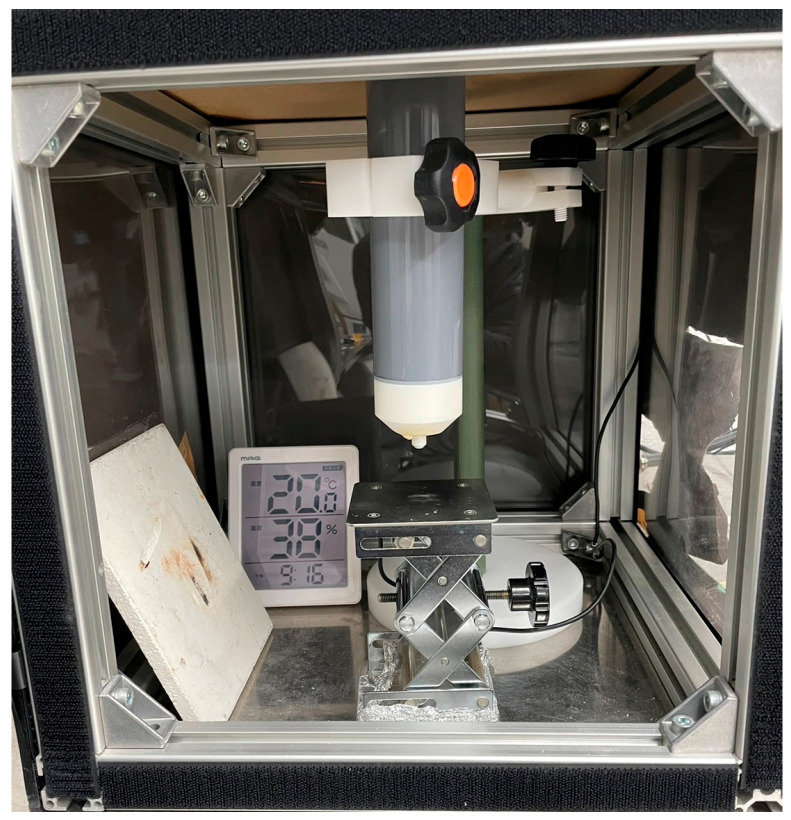 Figure 1
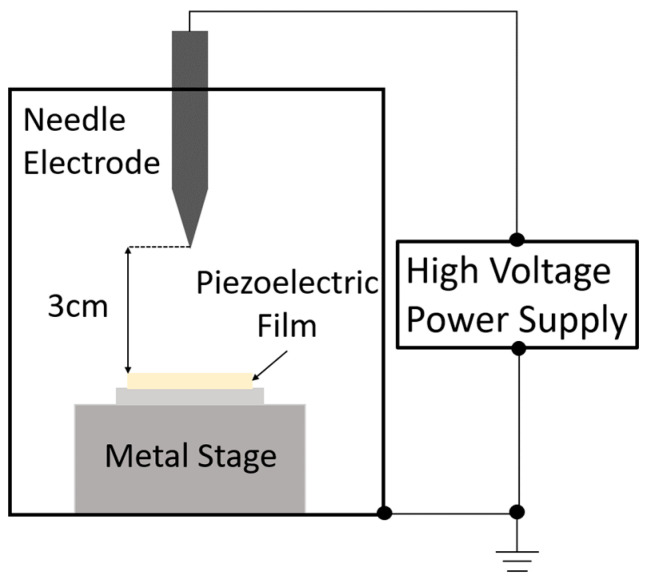 Figure 2
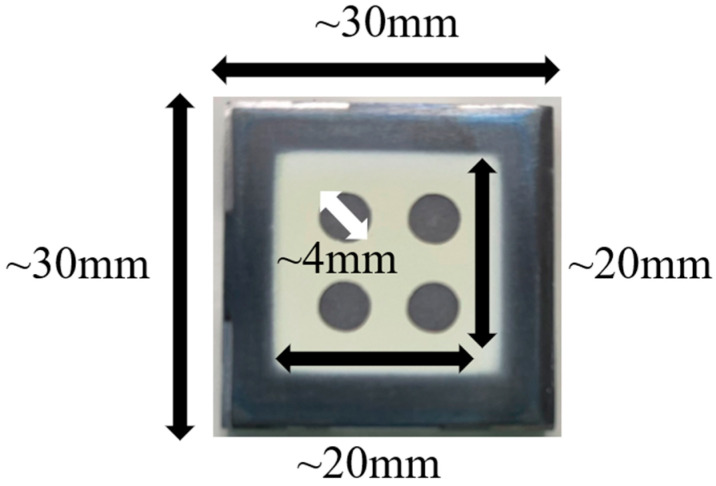 Figure 3
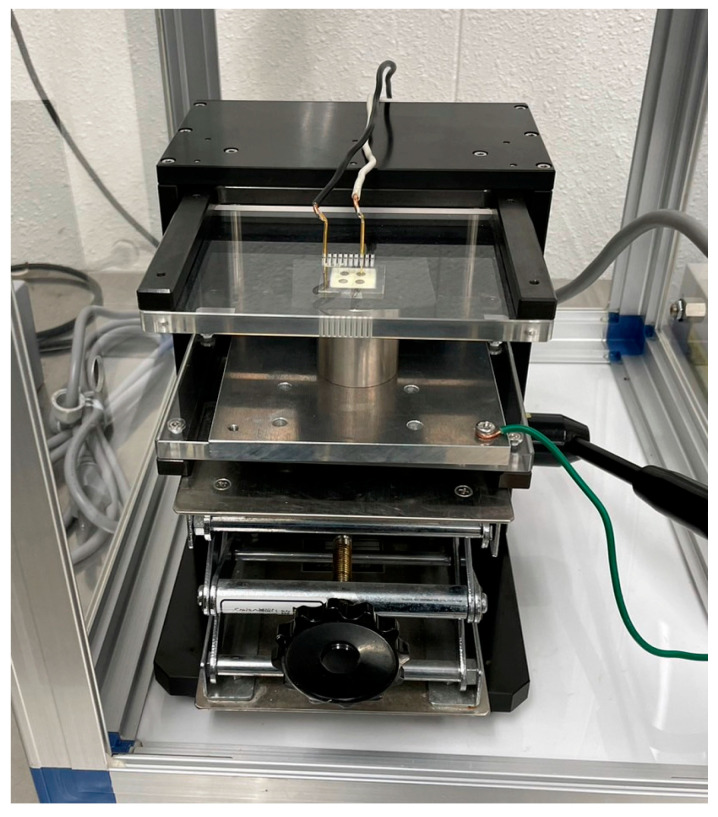 Figure 4
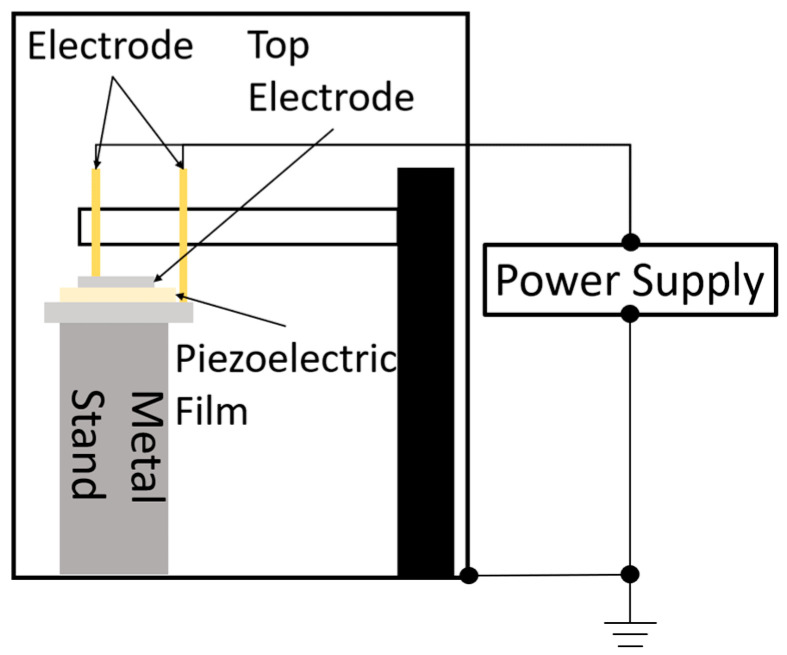 Figure 5
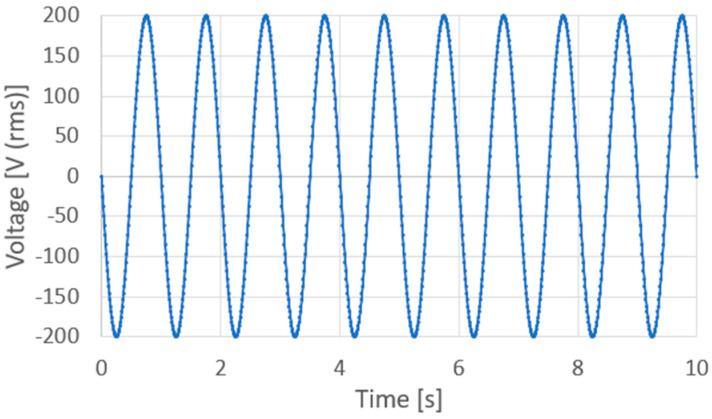 Figure 6
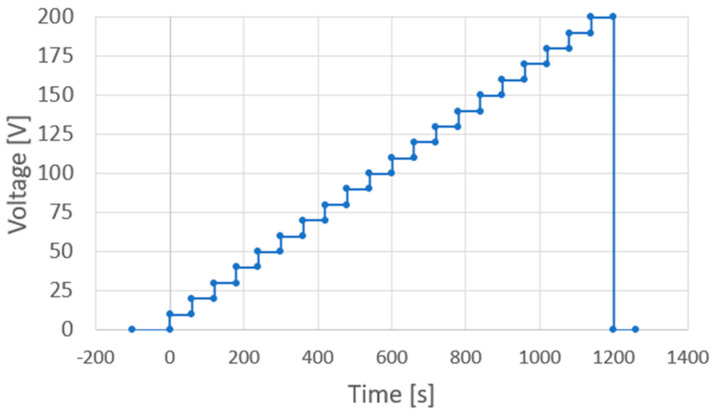 Figure 7
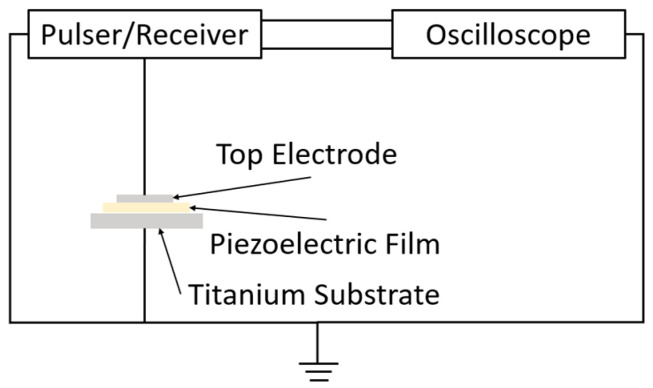 Figure 8
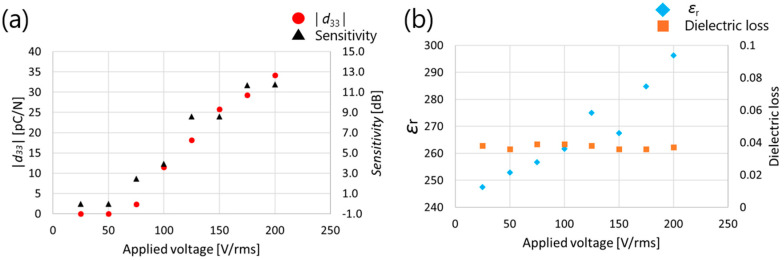 Figure 9
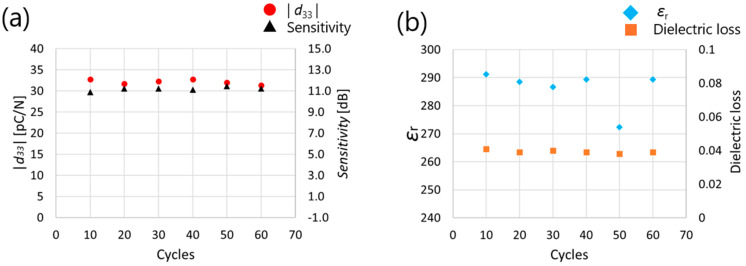 Figure 10
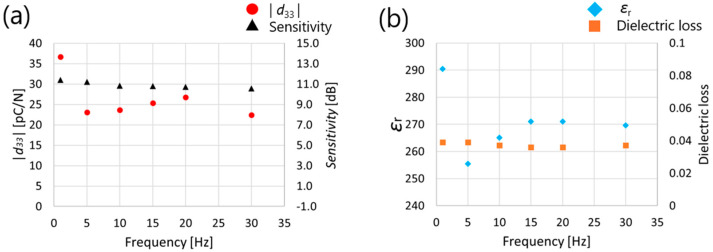 Figure 11
 Figure 12
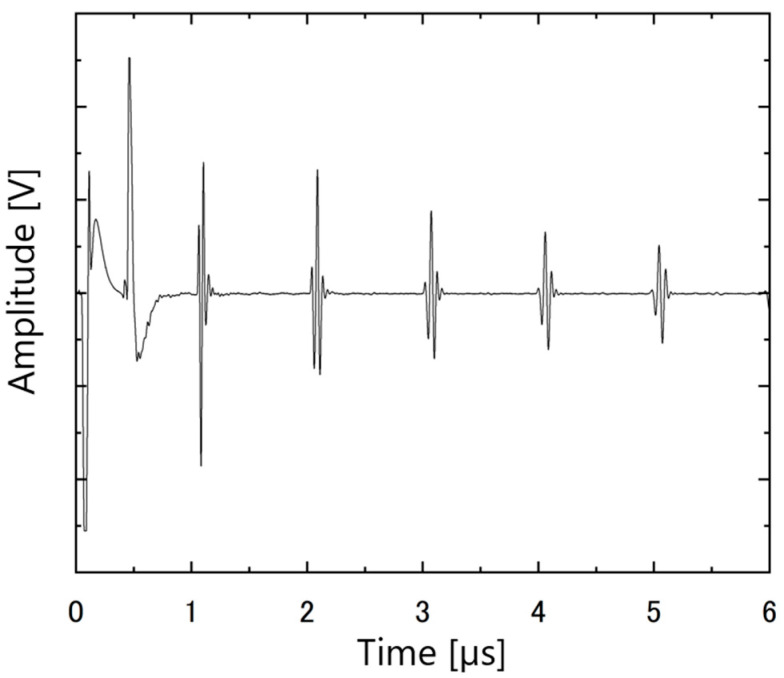 Figure 13
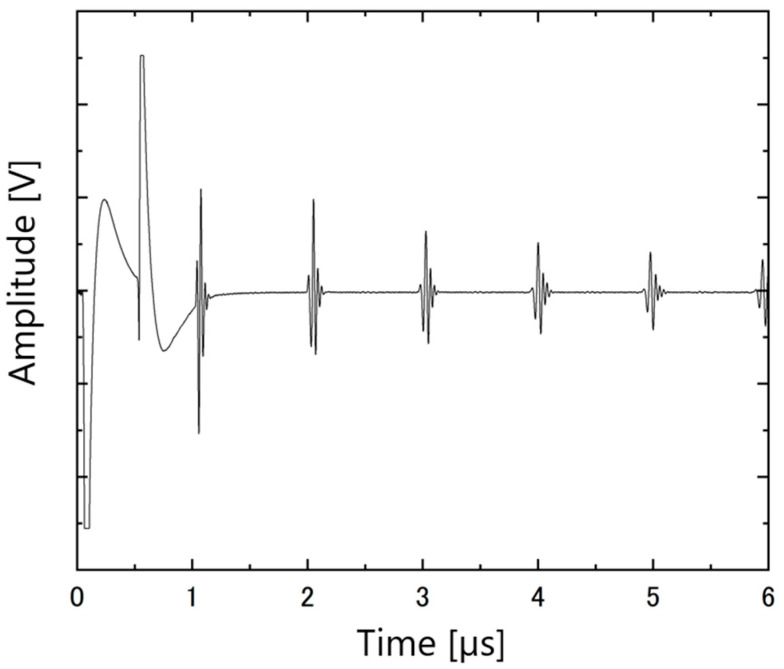 Figure 14
Peer Reviews
No public reviews on file for this paper yet. If you reviewed it on a platform where reviews are public (OpenReview, ICLR, NeurIPS, ICML), you can paste yours below so the community can read it here.
Videos
No videos yet. Explain this paper in a talk, walkthrough, or lecture? Add one.
Taxonomy
TopicsFerroelectric and Piezoelectric Materials · Ultrasonics and Acoustic Wave Propagation · Dielectric materials and actuators