Fouling Mitigation of Silicon Carbide Membranes by Pre-Deposited Dynamic Membranes for the Separation of Oil-in-Water Emulsions
Xin Wu, Minfeng Fang, Guanghui Li

TL;DR
This paper explores using pre-deposited dynamic membranes to reduce fouling in silicon carbide membranes during oil-in-water separation, finding that SiO2 is most effective.
Contribution
The study introduces pre-deposited SiO2 dynamic membranes as a novel fouling mitigation strategy for silicon carbide membranes in oil-in-water separation.
Findings
SiO2-based dynamic membranes significantly reduced oil droplet adhesion and improved antifouling performance.
Optimal conditions in cross-flow mode achieved stable oil rejection and high water flux recovery.
Cross-flow filtration outperformed dead-end mode in maintaining permeate flux and delaying fouling.
Abstract
Membrane fouling poses a significant challenge in the widespread adoption and cost-effective operation of membrane technology. Among different strategies to mitigate fouling, dynamic membrane (DM) technology has emerged as a promising one for effective control and mitigation of membrane fouling. Silicon carbide (SiC) membranes have attracted considerable attention as membrane materials due to their remarkable advantages, yet membrane fouling is still inevitable in challenging separation tasks, such as oil-in-water (O/W) emulsion separation, and thus effective mitigation of membrane fouling is essential to maximize their economic viability. This study investigates the use of pre-deposited oxide DMs to mitigate the fouling of SiC membranes during the separation of O/W emulsions. Among five screened oxides (Fe2O3, SiO2, TiO2, ZrO2, Al2O3), SiO2 emerged as the most effective DM material due…
Genes, proteins, chemicals, diseases, species, mutations and cell lines named across the full text — each resolved to its canonical identifier and authoritative record.
Click any figure to enlarge with its caption.
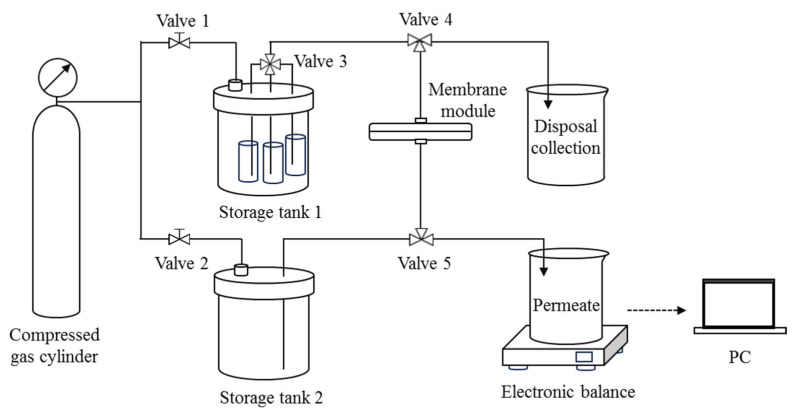 Figure 1
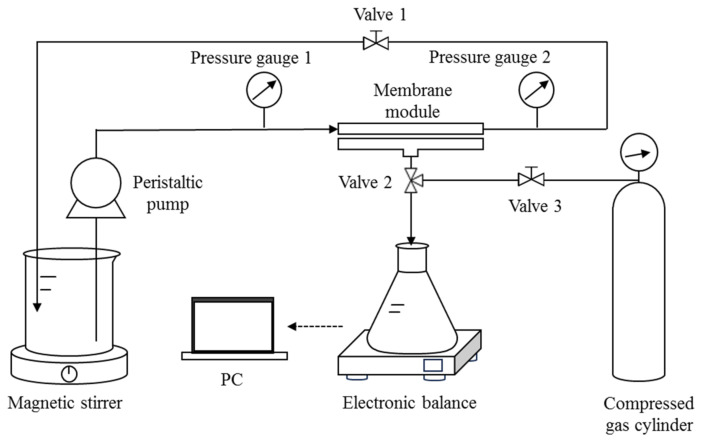 Figure 2
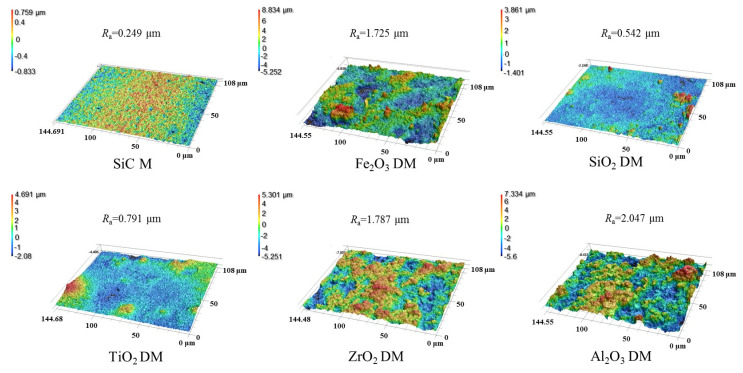 Figure 3
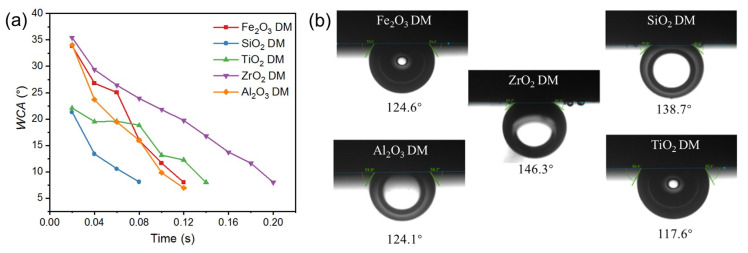 Figure 4
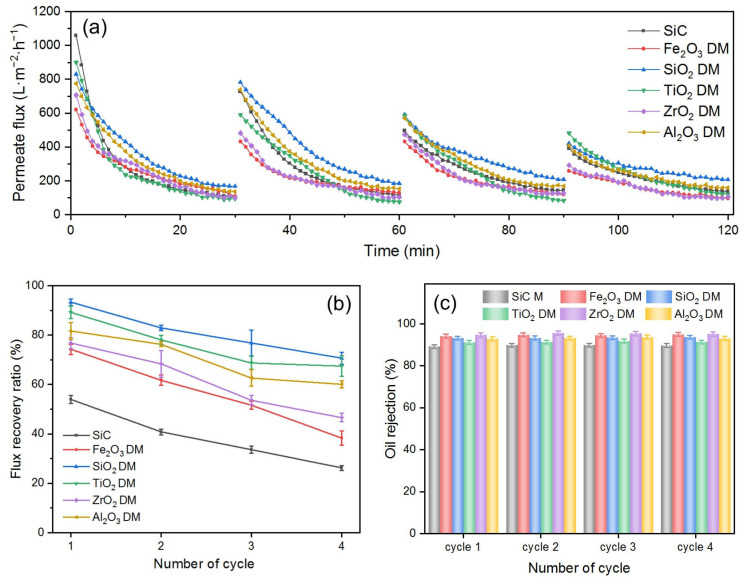 Figure 5
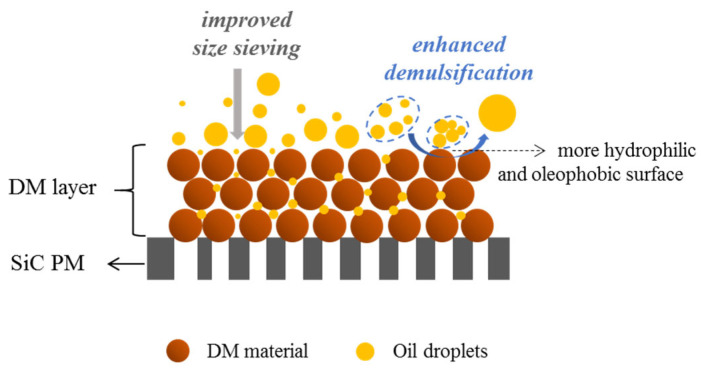 Figure 6
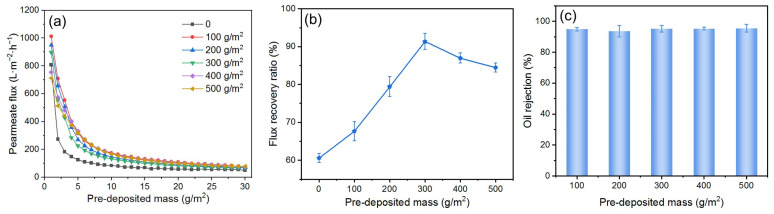 Figure 7
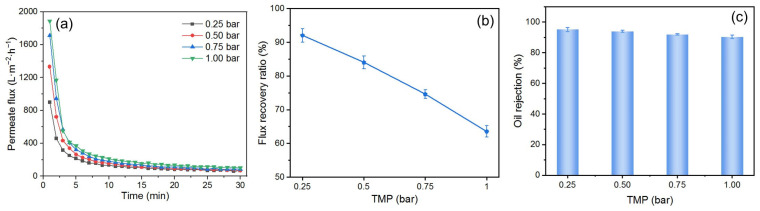 Figure 8
 Figure 9
 Figure 10
 Figure 11
 Figure 12
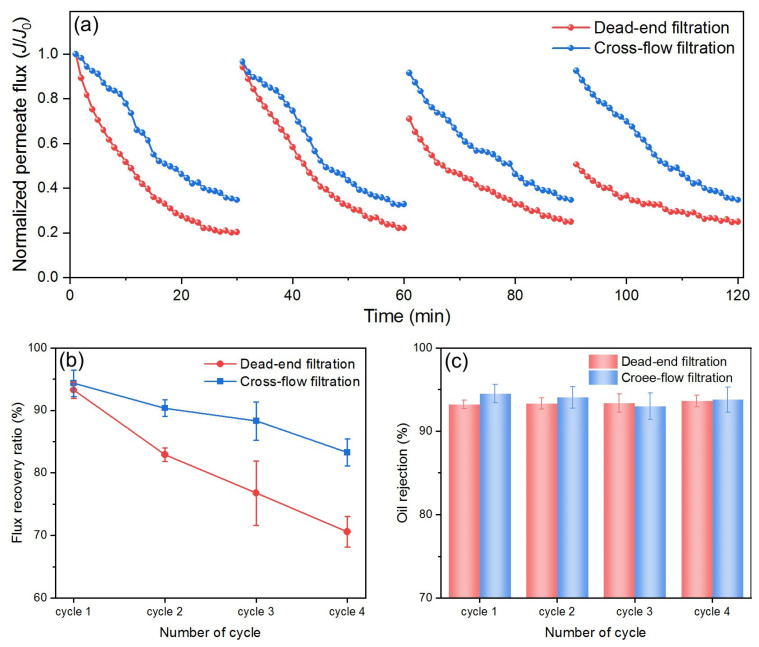 Figure 13
Peer Reviews
No public reviews on file for this paper yet. If you reviewed it on a platform where reviews are public (OpenReview, ICLR, NeurIPS, ICML), you can paste yours below so the community can read it here.
Videos
No videos yet. Explain this paper in a talk, walkthrough, or lecture? Add one.
Taxonomy
TopicsMembrane Separation Technologies · Surface Modification and Superhydrophobicity · Electrohydrodynamics and Fluid Dynamics