Isolation and Characterization of a Crude Oil-Tolerant Obligate Halophilic Bacterium from the Great Salt Lake of the United States of America
Jonathan Oakes, Johurimam Noah Kuddus, Easton Downs, Clark Oakey, Kristina Davis, Laith Mohammad, Kiara Whitely, Carl E. Hjelmen, Ruhul Kuddus

TL;DR
A salt-loving bacterium from the Great Salt Lake was found to tolerate crude oil but not break it down, suggesting potential for genetic modification in oil spill cleanup.
Contribution
A novel crude oil-tolerant obligate halophile, Salinivibrio costicola, was isolated and characterized for bioremediation potential.
Findings
The strain survives on desiccated agar for a year and grows in media with 0.1–1% crude oil.
The genome contains 3197 genes, including some potentially involved in hydrocarbon metabolism.
The strain does not reduce total recoverable petroleum hydrocarbons from crude oil.
Abstract
Most large-scale crude oil spills occur in marine environments. We screened easily propagable/maintainable halophiles to develop agents for the bioremediation of marine spills. A bacterial strain isolated from a polluted region of the Great Salt Lake was characterized and tested for its ability to degrade crude oil. The strain (Salinivibrio costicola) is motile, catalase- and lipase-positive, a facultative anaerobe, and an obligate halophile. Its growth optimum and tolerance ranges are: NaCl (5%, 1.25–10%), pH (8, 6–10), and temperature (22 °C, 4–45 °C). Its genome (3,166,267 bp) consists of two circular chromosomes and a plasmid, containing 3197 genes, including some genes potentially relevant to hydrocarbon metabolism. The strain forms a biofilm but is considered nonpathogenic and is sensitive to some common antibiotics. Lytic bacteriophages infecting the strain are rare in the water…
Genes, proteins, chemicals, diseases, species, mutations and cell lines named across the full text — each resolved to its canonical identifier and authoritative record.
Click any figure to enlarge with its caption.
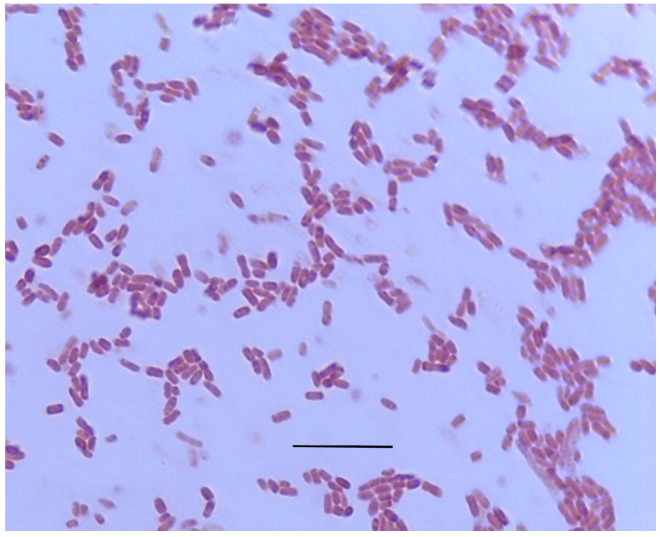 Figure 1
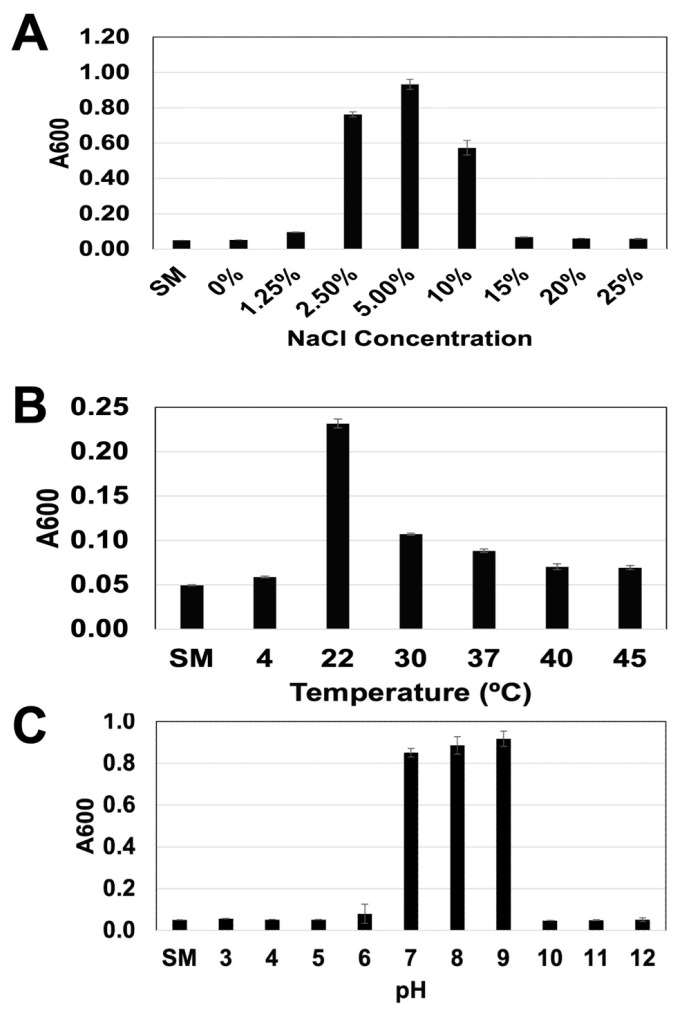 Figure 2
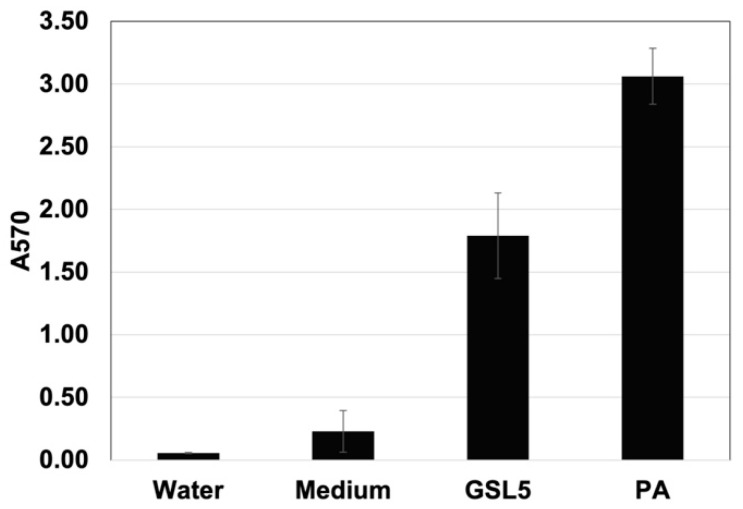 Figure 3
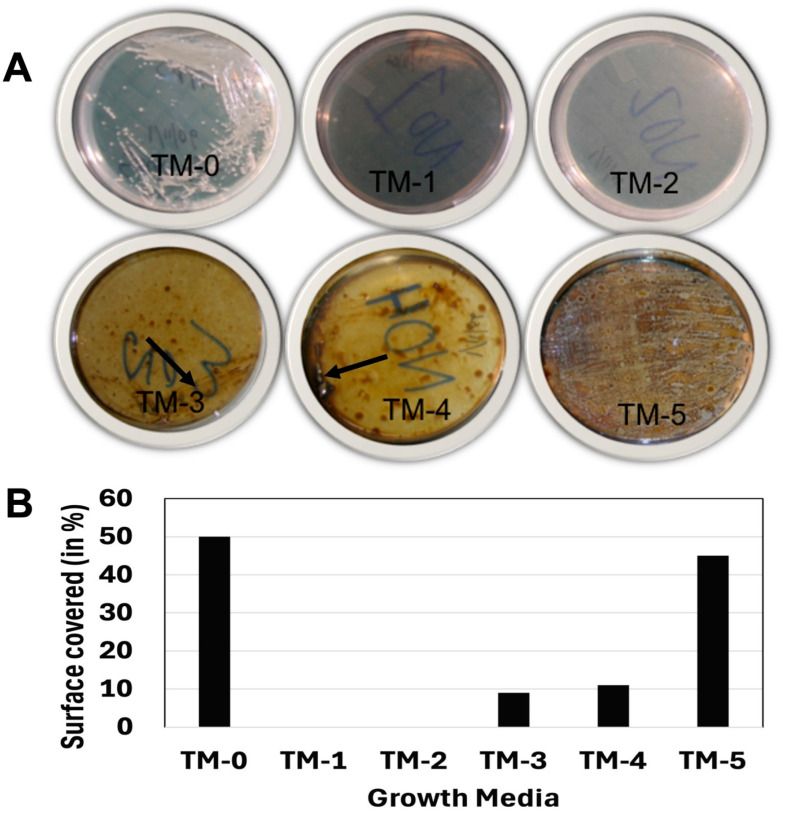 Figure 4
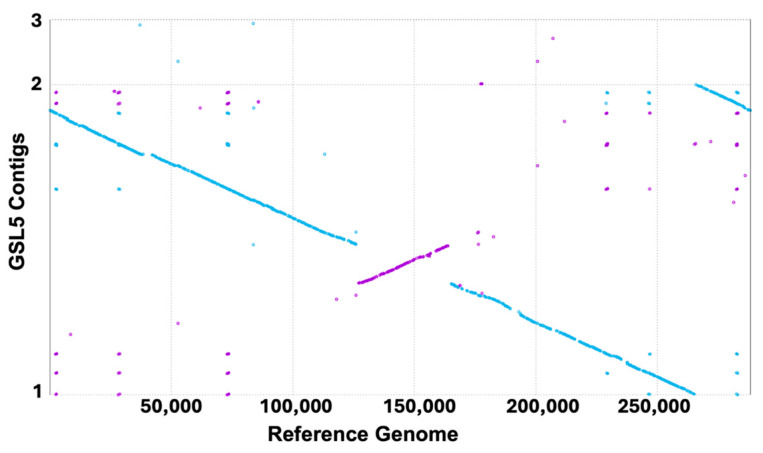 Figure 5
Peer Reviews
No public reviews on file for this paper yet. If you reviewed it on a platform where reviews are public (OpenReview, ICLR, NeurIPS, ICML), you can paste yours below so the community can read it here.
Videos
No videos yet. Explain this paper in a talk, walkthrough, or lecture? Add one.
Taxonomy
TopicsMicrobial bioremediation and biosurfactants · Microbial Community Ecology and Physiology · Genomics and Phylogenetic Studies